Markets don’t wait for peace—they price in the possibility of it.
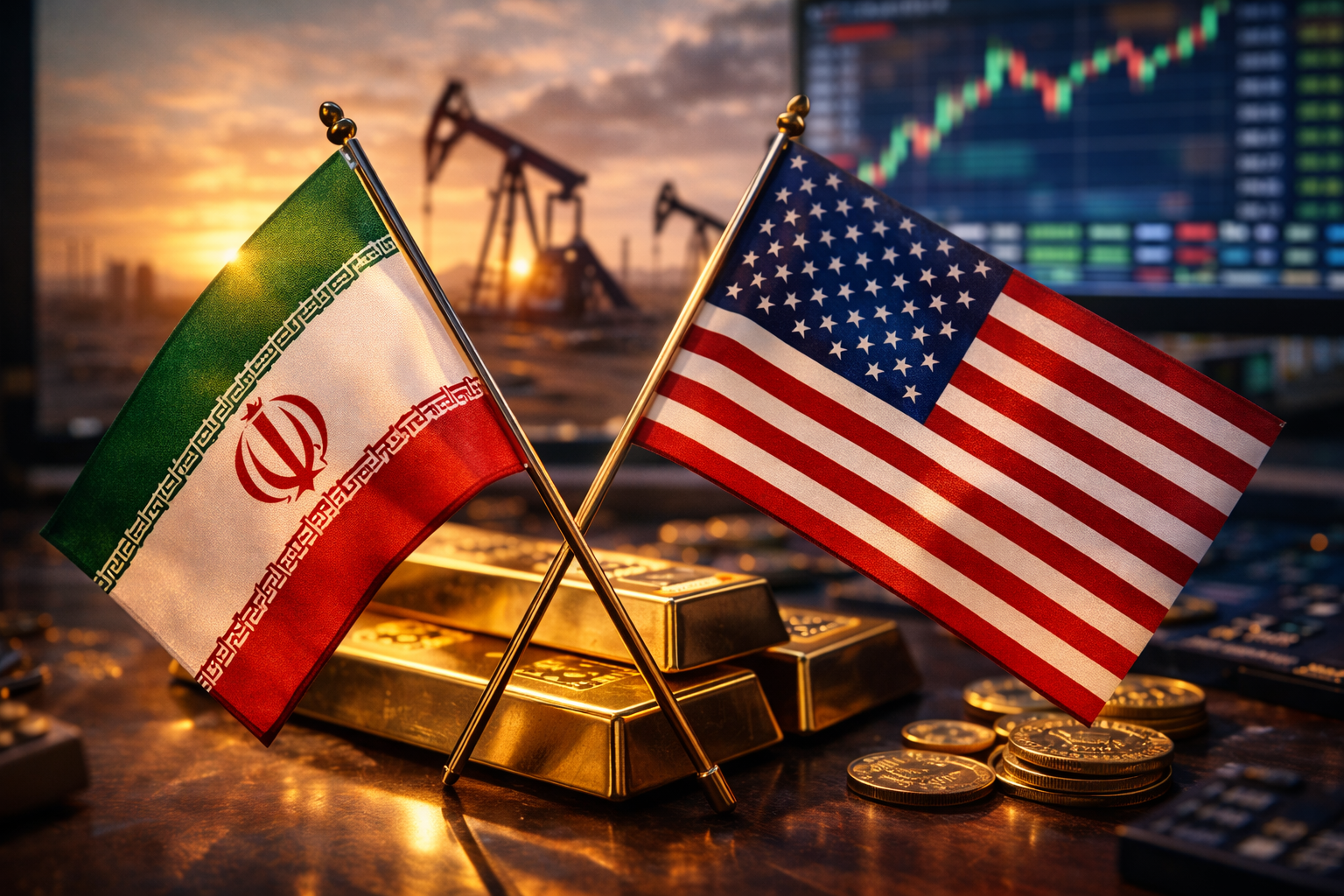
That’s exactly what unfolded following the announcement of a ceasefire agreement between the United States and Iran. Within hours, global equities surged, oil prices pulled back, and volatility eased as investors rushed to reprice geopolitical risk. According to Reuters (April 8, 2026), the agreement has provided a much-needed breather for markets that had been on edge amid escalating tensions in the Middle East.
But beneath the surface of this relief rally lies a more complex reality: this is not a resolution—it’s a pause.
For investors, understanding the difference is critical.
A Classic Relief Rally Unfolds
The immediate market reaction to the ceasefire was swift and decisive:
- Global equity indices moved higher
- Oil prices declined as supply disruption fears eased
- Safe-haven assets like gold saw mixed movement
- Volatility indicators trended lower
This type of response is consistent with what analysts often describe as a “geopolitical risk unwind.”
As highlighted in Reuters and Bloomberg market coverage, investors had previously priced in a risk premium tied to potential escalation in the region—particularly given its importance to global energy supply. The ceasefire effectively removed part of that premium, triggering a synchronized rally across risk assets.
However, history suggests that such rallies can be fragile and short-lived.
Why This Matters for Investors
1. Geopolitical Risk Has Been Repriced—Not Eliminated
While the ceasefire reduces immediate tensions, it does not address the underlying drivers of conflict.
Key unresolved issues include:
- Regional power dynamics in the Middle East
- Sanctions and economic pressure
- Military positioning and proxy conflicts
According to geopolitical analysis cited by Reuters and Council on Foreign Relations insights, ceasefires in this region have historically been temporary, often followed by renewed volatility.
For markets, this means:
- Risk premiums may return quickly
- Investor sentiment can shift rapidly
- Asset prices may remain sensitive to headlines
2. Energy Markets Remain the Key Transmission Channel
The most direct impact of the ceasefire is being felt in energy markets.
Oil prices, which had risen on supply concerns, pulled back as fears of disruption through key transit routes—such as the Strait of Hormuz—eased.
However, structural risks remain:
- The Middle East accounts for a significant share of global oil production
- Supply chains are vulnerable to geopolitical shocks
- OPEC+ production strategies continue to influence pricing
Data referenced in Reuters and International Energy Agency (IEA) reports indicates that even small disruptions in the region can have outsized effects on global energy prices.
This makes oil a critical asset class to watch in the coming weeks.
3. Defense Stocks and Strategic Spending Trends
While energy markets react immediately, the implications for defense and security sectors are more nuanced.
Short-term effects may include:
- Profit-taking in defense stocks after recent gains
- Reduced urgency around military escalation
However, longer-term trends remain intact:
- Governments continue to increase defense budgets
- Geopolitical fragmentation is driving sustained demand
- Military modernization programs are accelerating
According to SIPRI and government budget data, global defense spending has been on a steady upward trajectory, and temporary ceasefires are unlikely to reverse this trend.
Market Psychology: Relief vs. Reality
One of the most important dynamics at play is investor psychology.
Markets often react more strongly to changes in expectations than to absolute outcomes. The ceasefire represents a shift from “escalation risk” to “temporary stability,” which is enough to trigger a rally.
But this creates a potential disconnect:
- Short-term optimism vs. long-term uncertainty
- Risk-on positioning vs. unresolved geopolitical issues
As noted in Bloomberg analyst commentary, such environments can lead to increased volatility as markets oscillate between confidence and caution.
Future Trends to Watch
1. Stability of the Ceasefire
The durability of the agreement will be the single most important factor.
Investors should monitor:
- Official statements from both sides
- Military activity in the region
- Diplomatic developments
Any संकेत of breakdown could quickly reverse market gains.
2. Oil Price Volatility
Energy markets will remain highly sensitive to geopolitical developments.
Key indicators include:
- Crude oil price movements
- Shipping activity through key routes
- OPEC+ production decisions
Even with a ceasefire in place, volatility is likely to persist.
3. Inflation Implications
Lower oil prices can ease inflationary pressures in the short term.
However:
- Sustained declines are needed for meaningful impact
- Central banks may remain cautious in policy decisions
This adds another layer of complexity for investors tracking interest rate expectations.
4. Broader Geopolitical Landscape
The U.S.–Iran dynamic is just one piece of a larger puzzle.
Other global tensions—ranging from trade disputes to regional conflicts—continue to shape the macro environment. Diversification and risk management remain essential.
Key Investment Insight
The ceasefire represents a short-term macro catalyst, not a structural shift.
Investors should consider:
- Monitoring energy markets closely, as oil remains the most sensitive asset to geopolitical developments
- Maintaining exposure to defense and security sectors as long-term trends remain intact
- Avoiding overreaction to short-term rallies, particularly in risk assets
- Using volatility as an opportunity to rebalance portfolios and manage risk
A disciplined approach—focused on fundamentals rather than headlines—will be critical in navigating this environment.
Opportunities and Risks Across Asset Classes
Equities
- Benefit from improved sentiment
- Vulnerable to sudden reversals
Commodities
- Oil: Highly sensitive to geopolitical developments
- Gold: Likely to remain supported as a hedge
Fixed Income
- May see shifting yields as inflation expectations adjust
Currencies
- U.S. dollar movements could reflect changing risk appetite
A Temporary Calm in a Complex World
The current ceasefire offers a reminder of how quickly markets can shift—from fear to optimism and back again.
While the immediate threat of escalation has eased, the broader geopolitical environment remains uncertain. For investors, this underscores the importance of looking beyond headlines and focusing on underlying trends.
Relief rallies can create opportunities—but they can also mask risks.
Staying Ahead of Geopolitical Market Shifts
In today’s interconnected world, geopolitics is no longer a peripheral factor—it’s a central driver of market behavior.
Understanding how events like the U.S.–Iran ceasefire influence asset prices is essential for making informed investment decisions. The ability to distinguish between short-term catalysts and long-term trends can make the difference between reacting to the market and staying ahead of it.
For continuous updates, expert analysis, and actionable insights on global markets, stay connected with MoneyNews.Today—your trusted source for investor-focused news in an ever-changing world.