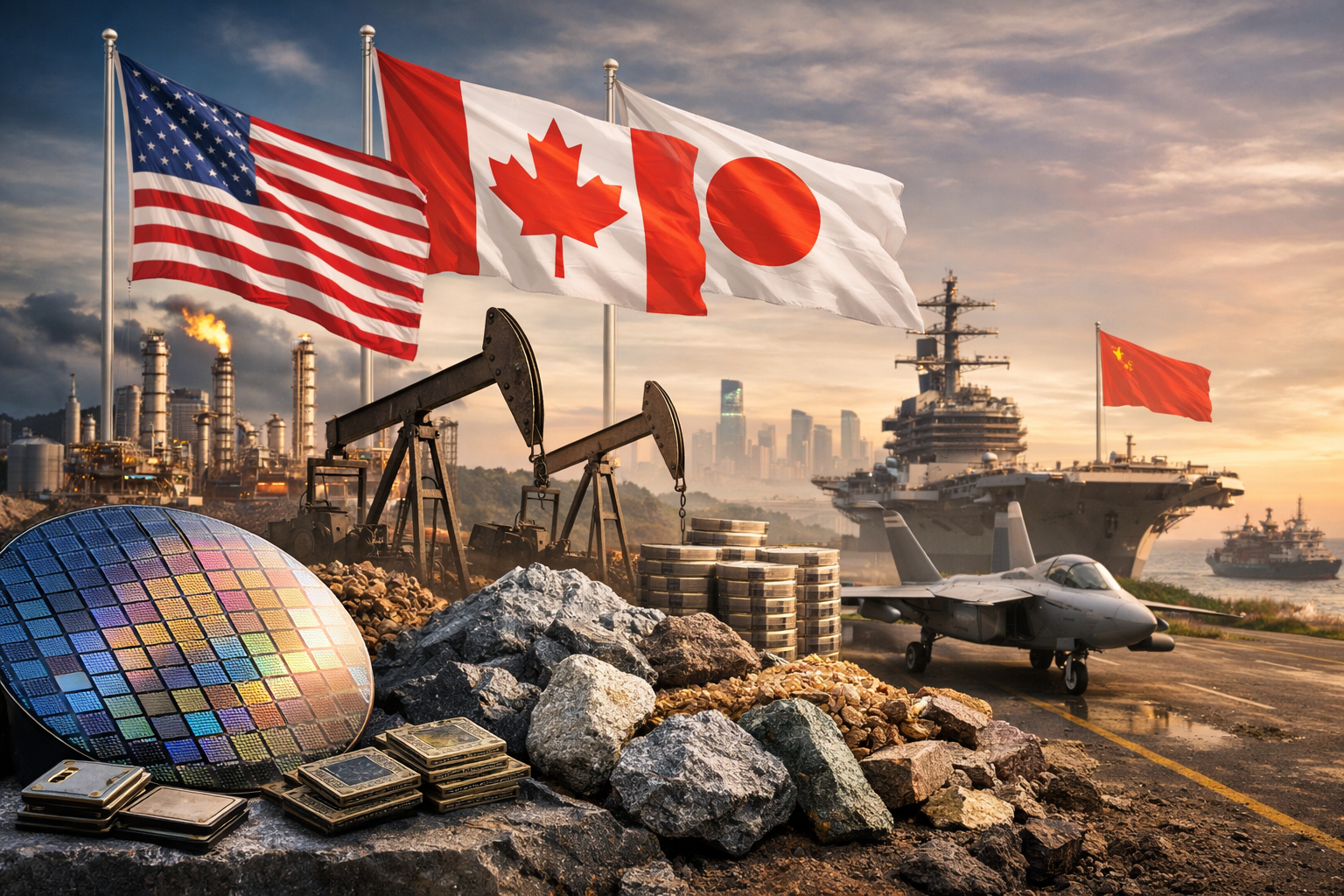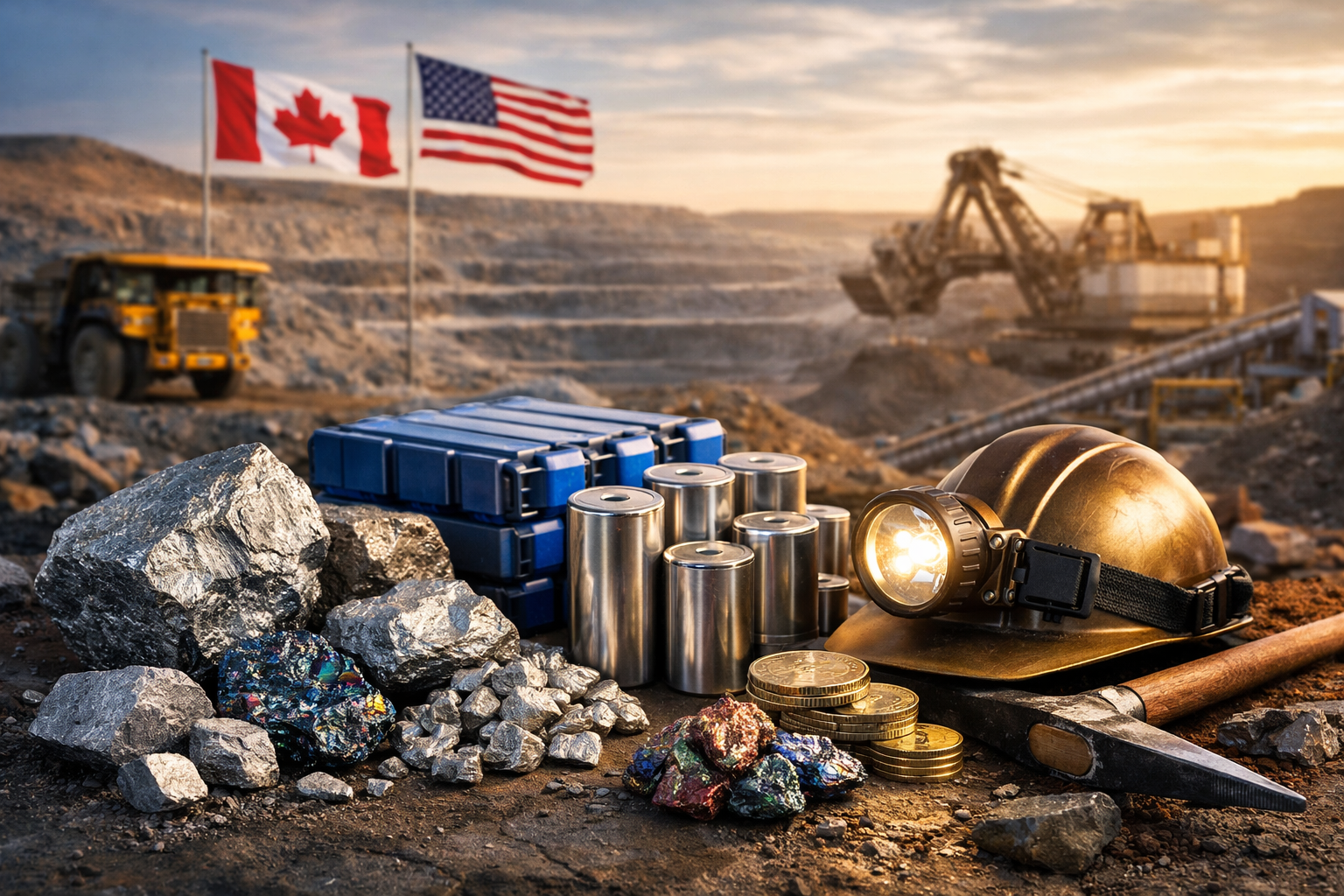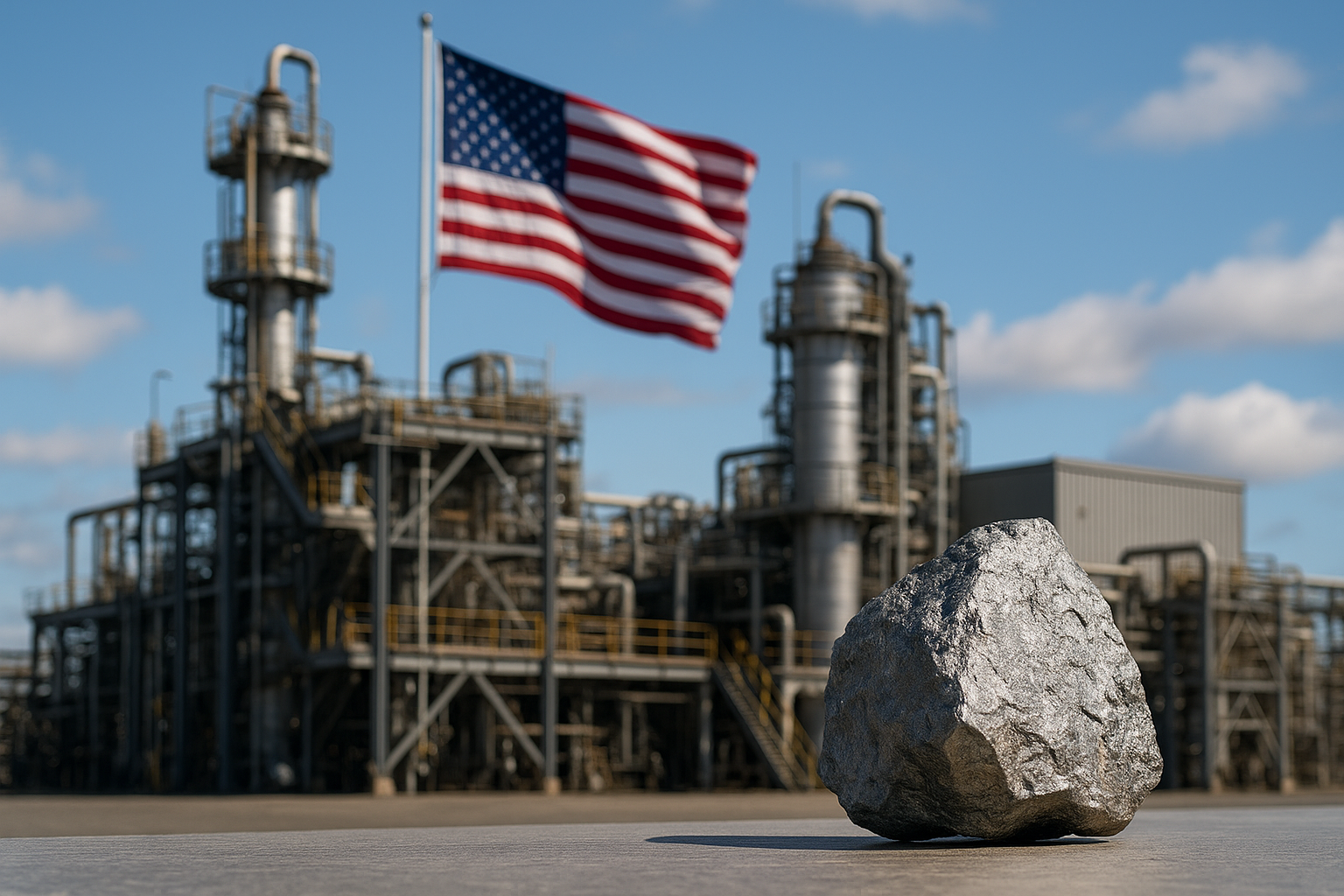
The geopolitical race for critical minerals has entered a new phase — and this time, the U.S. military is taking the lead. As global competition intensifies and supply chains become more fragile, Washington is moving to secure the raw materials that underpin national security, high-tech manufacturing, and next-generation weapons systems. The latest announcement from the U.S. Army, in partnership with Idaho National Laboratory and Perpetua Resources, marks a decisive turn toward domestic mineral refining — a development investors in mining, defense, and emerging industries cannot afford to overlook.
America’s New Critical-Minerals Strategy Is Taking Shape
The initiative aims to build a network of small-scale, domestic refineries beginning with antimony, a mineral essential for ammunition, military systems, energy storage, and flame-retardant technologies. Antimony is considered a critical mineral by the U.S. Geological Survey, and the country currently relies almost entirely on imports — with China and Russia as major sources. According to data from the USGS, the United States imports more than 80% of its antimony supply, leaving key defense systems exposed to geopolitical disruptions.
The military’s decision signals a clear strategic priority: ensure stable, local access to inputs needed for defense readiness. As reported by Investing.com, the Army’s collaboration with Idaho National Laboratory and Perpetua Resources is the strongest indication yet that Washington is moving from policy discussions to concrete industrial build-out.
This move aligns with broader U.S. government actions under the Defense Production Act, which has already unlocked billions in potential funding for domestic mineral extraction and processing. Bloomberg reports that more than $500 million in federal allocations have been directed toward critical-mineral projects since 2022, underscoring the urgency surrounding supply-chain independence.
Why This Matters for Investors
1. The Push for Strategic Metals Is Becoming a National Priority
From semiconductors to EV batteries to advanced weapons systems, nearly every sector tied to economic and national security relies on minerals the U.S. does not produce in sufficient quantities. The move to create small-scale refineries is part of a long-term plan to diversify away from unstable foreign sources. Investors watching trends in defense spending, energy transition metals, and reshoring initiatives should view this as a turning point in U.S. industrial policy.
Antimony is just the beginning. Analysts at McKinsey and S&P Global expect the U.S. to expand domestic processing in additional minerals such as rare earths, tungsten, cobalt, and gallium — all of which face steep supply-chain risk and rising industrial demand.
2. Early-Stage Miners Stand to Benefit
Unlike large diversified mining companies, smaller emerging miners and processing startups often struggle to access capital for highly specialized metals. But military-backed projects can dramatically shift funding conditions.
Perpetua Resources, which holds the largest known domestic antimony deposit at its Stibnite project in Idaho, has already seen increased institutional attention. If this pilot refinery model succeeds, similar companies could capture long-term federal contracts or benefit from guaranteed offtake agreements.
Junior miners with U.S.-based assets — especially those developing antimony, rare earths, tungsten, and specialty metals — could become acquisition targets or recipients of federal support.
3. Supply Constraints Create Strong Price Dynamics
Antimony represents a textbook case of supply fragility. Global production is highly concentrated: China accounts for more than half, while Russia and Tajikistan dominate the rest. Any disruption — whether sanctions, geopolitical conflict, or export controls — can rapidly tighten supply. For investors, that means producers with Western-aligned operations have a built-in competitive advantage.
Furthermore, the military’s involvement indicates long-term, steady demand regardless of economic cycles. As defense budgets expand across NATO and Indo-Pacific allies, critical-mineral consumption is expected to increase, not decrease.
4. The Refining Bottleneck Is as Important as Extraction
One of the most overlooked elements in the mineral supply chain is processing capacity. Even when minerals are mined domestically, refining often occurs abroad — exposing manufacturers to the same geopolitical risks. By prioritizing onshore refining, the U.S. is addressing the weakest link in the chain.
For investors, this opens opportunities not only in mining equities but also in specialized refining technologies, chemical processing firms, energy infrastructure, and engineering contractors that will support these new facilities.
Future Trends to Watch
- Rising Defense-Minerals Demand: Expect stronger alignment between the Pentagon and mineral producers as the U.S. reshapes military procurement.
- Federal Funding Programs: The Department of Defense is likely to expand grant and loan programs under the Defense Production Act.
- Allied-Supply Partnerships: Australia and Canada — both rich in critical minerals — may play a bigger role in joint refining ventures.
- Environmental Permitting Reform: To accelerate domestic processing, the U.S. may fast-track approvals for strategically important projects.
Key Investment Insight
The U.S. military’s refinery initiative marks the early stages of a structural shift in critical-mineral supply chains. Investors should:
- Watch junior miners with U.S. or allied-country assets in antimony, rare earths, tungsten, and cobalt.
- Consider processing-technology companies and engineering firms that support refinery build-outs.
- Track federal funding announcements, especially under the Defense Production Act.
- Position portfolios toward metals with supply concentration risk and defense-driven demand.
With geopolitical tensions rising and supply chains becoming a front line in global strategy, this sector is poised for long-term structural growth.
For continuous coverage on critical minerals, defense supply chains, and emerging industry opportunities, follow MoneyNews.Today’s daily investor briefings.