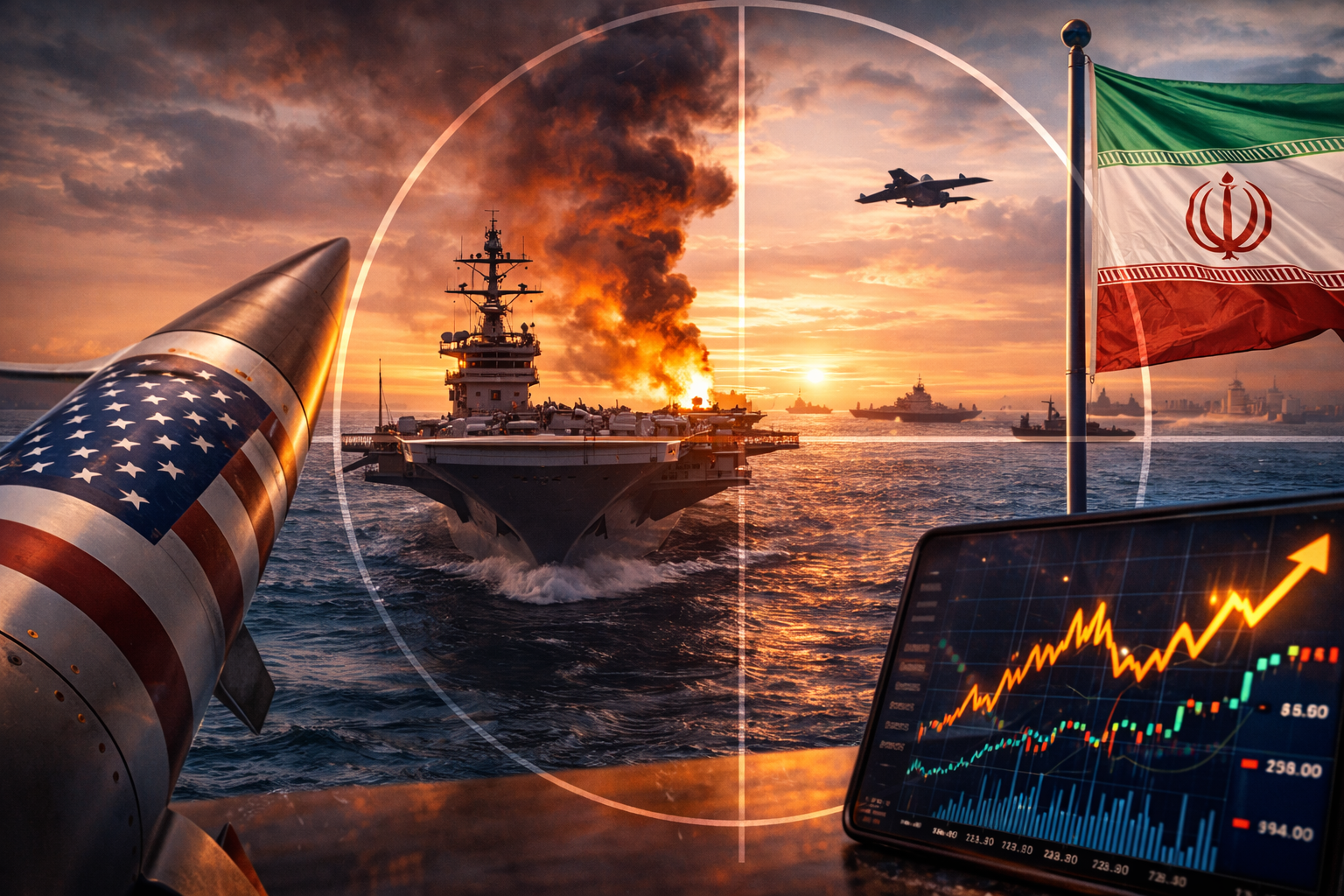
Markets don’t wait for confirmation—they price risk in real time. And right now, that risk is rising fast.
A dramatic escalation in U.S.–Iran tensions has triggered a sharp shift in global sentiment after reports that the United States is preparing for a potential strategic blockade following the collapse of diplomatic talks. The development has immediately reverberated across energy markets, trade expectations, and investor positioning.
According to Reuters (April 13, 2026), the move signals a significant step toward broader geopolitical confrontation, raising concerns about global supply chains, oil flows, and regional stability. For investors, this is more than a geopolitical headline—it’s a macro regime shift that could reshape capital flows across asset classes.
A Turning Point for Global Markets
For months, markets have been driven primarily by economic data, central bank policy, and the rapid rise of AI. But the sudden collapse of U.S.–Iran negotiations introduces a new dominant force: geopolitics.
The prospect of a blockade—particularly in a region as strategically critical as the Middle East—raises immediate questions about:
- Energy supply disruptions
- Maritime trade security
- Military escalation risks
These are not abstract concerns. The Middle East accounts for a substantial portion of global oil production and shipping routes, meaning any disruption has direct implications for global markets.
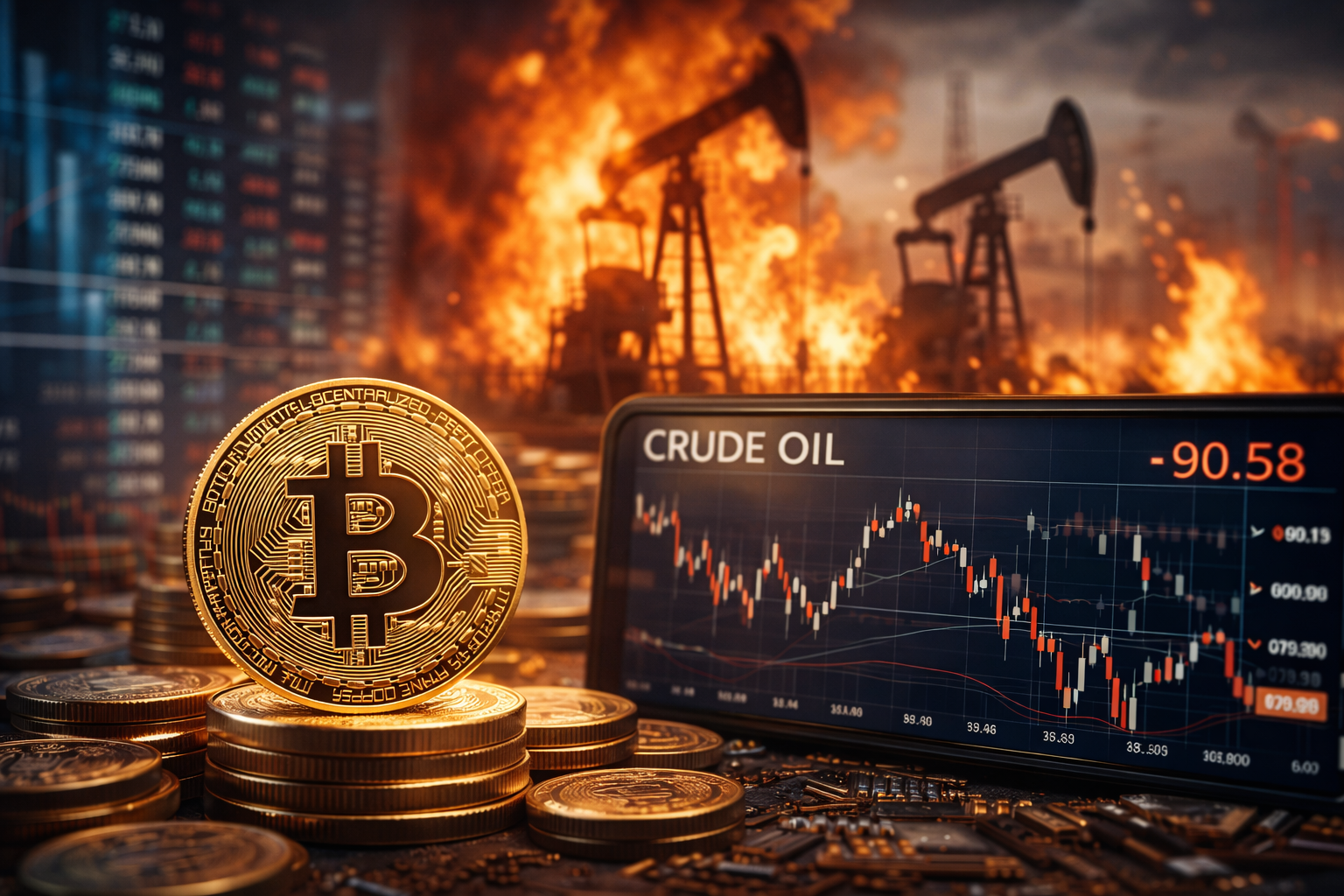
The speed at which oil prices reacted underscores the seriousness of the situation—and the sensitivity of markets to geopolitical developments.
Why This Matters for Investors
The implications of this development extend far beyond politics. They touch every major asset class and investment strategy.
1. Geopolitics Becomes the Primary Market Driver
In stable environments, markets tend to focus on earnings, growth, and monetary policy. In times of geopolitical stress, those factors take a back seat.
Instead, investors begin to price:
- Uncertainty and risk premiums
- Supply chain disruptions
- Potential economic slowdowns
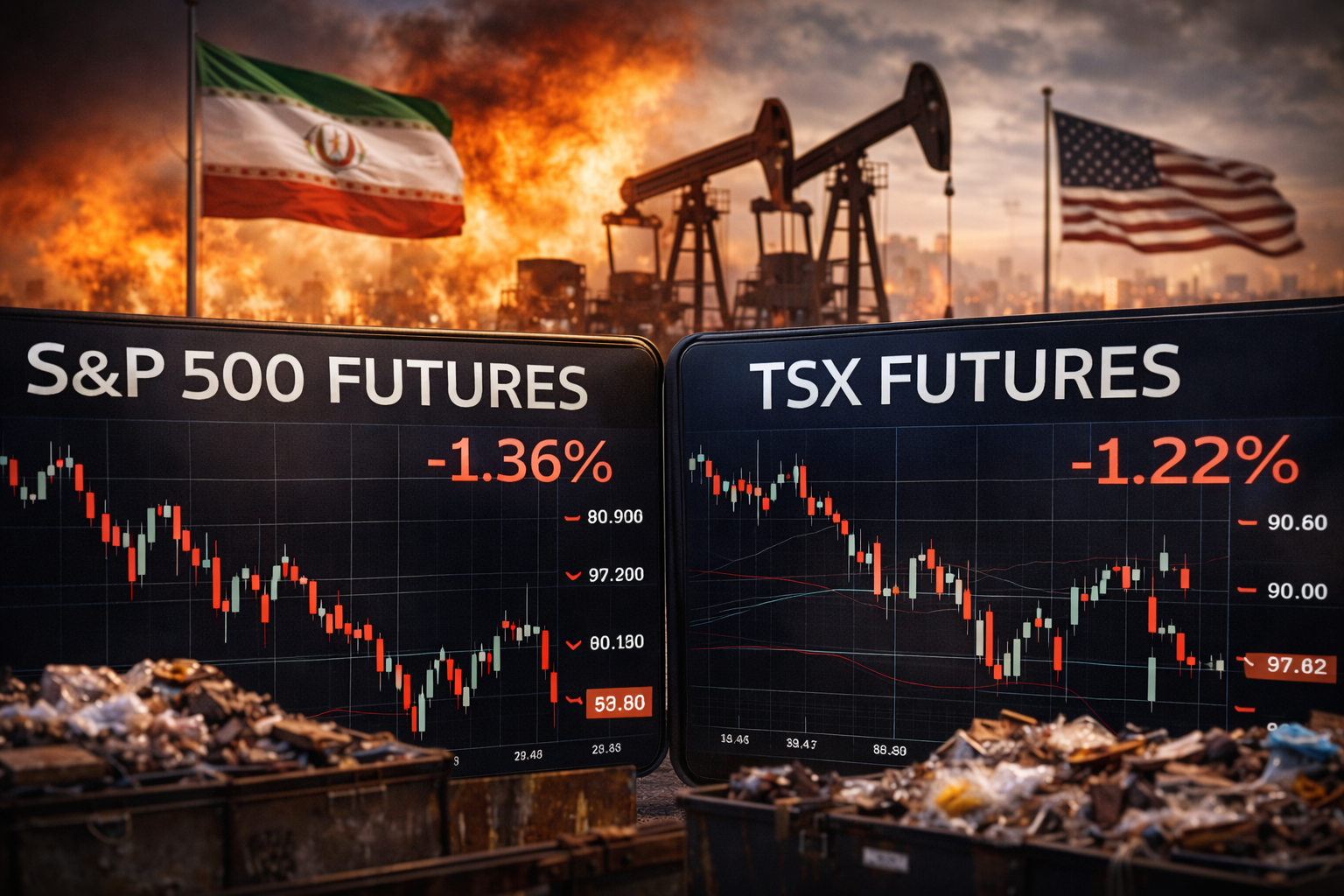
This shift can lead to rapid and sometimes unpredictable market movements, as seen in the immediate reaction across futures and commodities.
The current situation suggests that markets are entering a phase where headline risk drives price action.
2. Energy Markets Take Center Stage
Energy is the most direct transmission channel for geopolitical shocks.
The potential for a U.S.-led blockade raises concerns about:
- Oil supply constraints
- Shipping disruptions through key chokepoints
- Increased volatility in energy pricing
Higher oil prices can have cascading effects across the global economy, including:
- Rising inflation
- Increased production costs
- Pressure on consumer spending
For investors, energy is no longer just a sector—it’s a macro lever influencing the entire market.
3. Global Trade Routes Face New Risks
One of the less discussed but equally important implications is the impact on global trade.
A blockade scenario could disrupt major shipping routes, affecting:
- Commodity flows
- Industrial supply chains
- Global manufacturing output
In an already fragile supply chain environment, additional disruptions could amplify volatility and create bottlenecks across multiple industries.
Capital Rotation Is Already Underway
Markets are not just reacting—they are repositioning.
Historically, periods of heightened geopolitical risk trigger a rotation into specific sectors and asset classes. Early signals suggest that this process has already begun.
Defense and Aerospace
Rising geopolitical tensions tend to benefit defense-related companies, as governments increase military spending and preparedness.
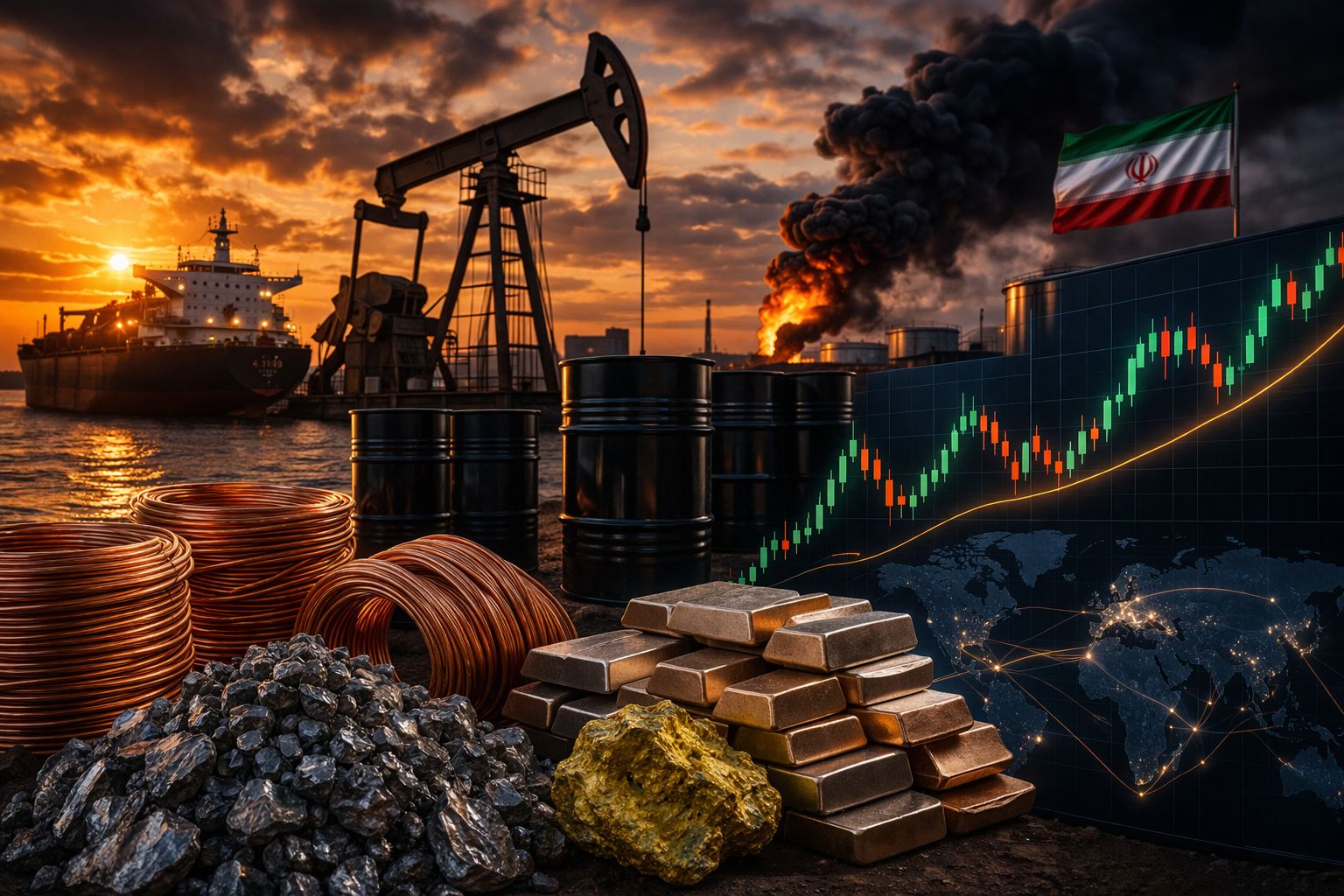
Energy and Commodities
Higher oil prices directly support energy producers, while broader commodity markets often follow as inflation expectations rise.
Safe-Haven Assets
Investors typically move capital into assets perceived as safer during periods of uncertainty, including:
- Gold
- U.S. Treasuries
- Defensive equities
This rotation reflects a broader shift in risk appetite, as investors prioritize capital preservation over growth.
Credible Signals From the Market
Reuters reporting on April 13 highlights the rapid escalation in geopolitical risk following the collapse of talks, with markets responding immediately.
At the same time, analysts across major financial institutions have pointed to:
- Increased volatility in futures markets
- Rising oil prices as a leading indicator
- Early signs of sector rotation
These signals align with historical patterns observed during previous geopolitical crises, reinforcing the view that the current situation is not an isolated event.
Future Trends to Watch
As the situation evolves, several key developments will determine how markets respond.
Escalation vs. Containment
The most critical factor is whether tensions escalate further or stabilize.
- Escalation could lead to sustained volatility and higher commodity prices
- Containment may result in a temporary spike followed by normalization
Central Bank Reaction
Higher oil prices complicate the inflation outlook, potentially influencing central bank decisions on interest rates and monetary policy.
Long-Term Strategic Shifts
Governments may accelerate efforts to:
- Diversify energy sources
- Strengthen supply chain resilience
- Increase defense spending
These shifts could create long-term investment opportunities across multiple sectors.
Risks Investors Should Consider
While geopolitical events can create opportunities, they also introduce significant risks:
- Market overreaction: Initial moves may overshoot fundamentals
- Policy unpredictability: Government actions can change rapidly
- Broader economic impact: Sustained tensions could slow global growth
Investors should remain cautious and avoid making decisions based solely on short-term headlines.
Key Investment Insight
This development represents a macro regime shift catalyst—a moment when geopolitics overtakes traditional market drivers.
In this environment:
- Energy and defense sectors are likely to outperform
- Safe-haven assets may see increased demand
- Broad equity markets could face pressure
The key for investors is to recognize that market dynamics have changed. Success will depend on understanding how capital flows adjust to rising geopolitical risk.
The Bigger Picture
The move toward a potential U.S. blockade following failed Iran talks is more than a geopolitical flashpoint—it’s a reminder of how interconnected and fragile the global system can be.
Markets are entering a phase where political developments can rapidly reshape economic expectations, forcing investors to adapt in real time.
While uncertainty creates challenges, it also creates opportunity for those who can navigate it effectively.
Stay with MoneyNews.Today for daily, expert-driven insights into the forces shaping global markets—helping you stay informed, prepared, and ahead of the curve.