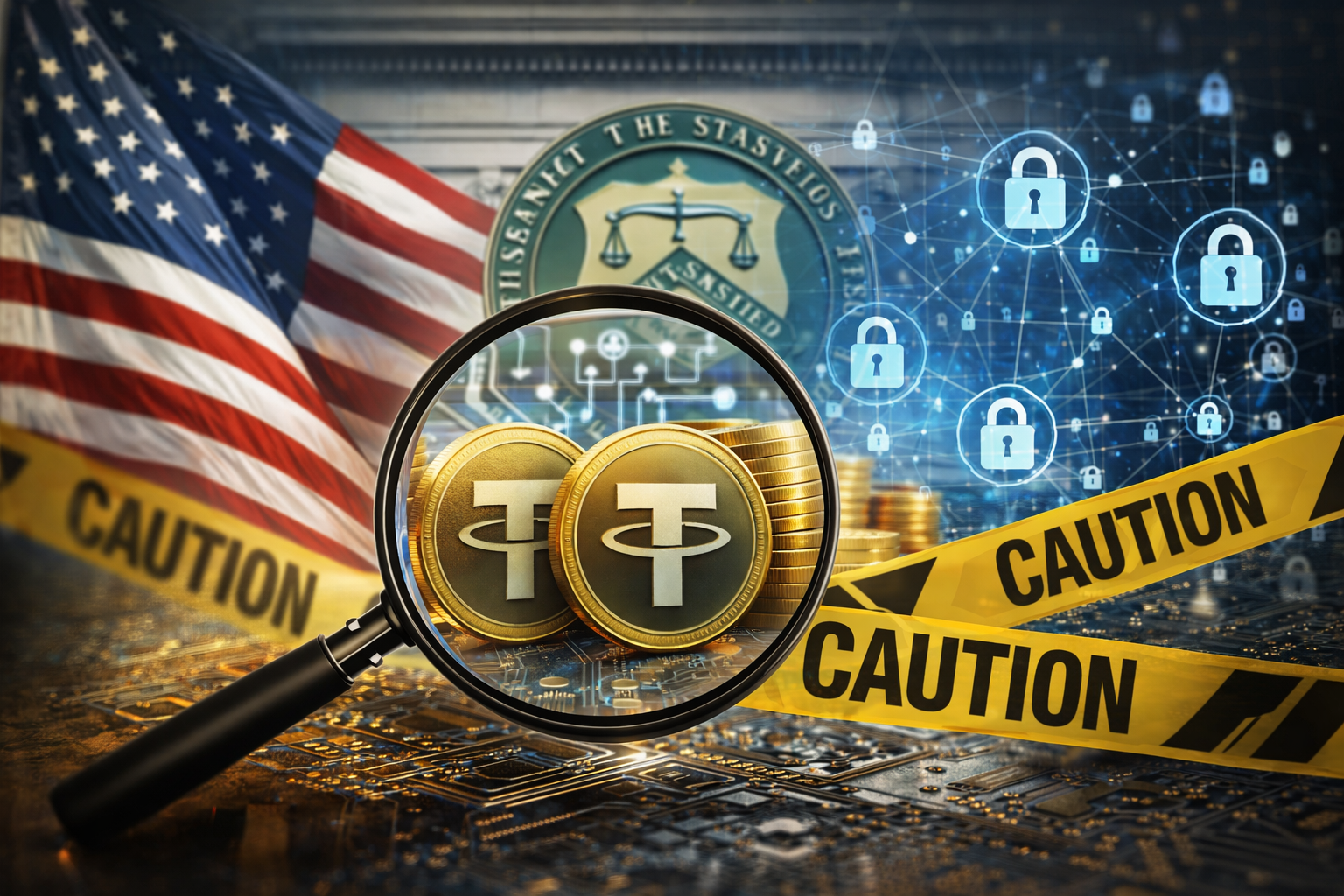
The next major catalyst in crypto markets may not come from price action—but from Washington.
As institutional capital continues flowing into digital assets, U.S. regulators are turning their attention to one of the most critical pillars of the ecosystem: stablecoins. In its latest policy signals, the U.S. Treasury has emphasized the need for stricter oversight, calling for enhanced reserve transparency, stronger risk management frameworks, and safeguards against systemic threats.
For investors, this marks a pivotal moment. Stablecoins—once viewed as a niche инструмент for crypto traders—are now at the center of a broader financial conversation, with implications that could reshape the future of digital finance.
Why Stablecoins Are Under the Spotlight
Stablecoins, digital assets typically pegged to fiat currencies like the U.S. dollar, have become essential infrastructure within the crypto ecosystem. They are widely used for trading, lending, cross-border payments, and increasingly, institutional settlement.
According to data cited by Reuters and industry research firms, the global stablecoin market has grown into a multi-hundred-billion-dollar segment, with daily transaction volumes rivaling traditional payment networks in certain use cases.
However, this rapid growth has raised concerns among regulators.
The U.S. Treasury, in recent statements reported by Reuters, highlighted key risks associated with stablecoins, including:
- Reserve opacity: Questions around whether issuers hold sufficient, high-quality assets to back their tokens
- Liquidity risks: Potential for “runs” if users lose confidence and rush to redeem holdings
- Systemic exposure: Increasing integration with traditional financial institutions and markets
These concerns are not new, but the urgency has intensified as stablecoins become more embedded in both crypto and traditional finance.
The Push for Regulatory Clarity
The Treasury’s latest signals suggest a coordinated effort to bring stablecoins under a more formal regulatory framework—potentially aligning them more closely with traditional financial instruments like money market funds or bank deposits.
Key areas of focus include:
1. Reserve Transparency and Auditing
Regulators are pushing for clear, verifiable disclosures on the assets backing stablecoins. This includes regular audits and stricter requirements on the quality and liquidity of reserves.
2. Licensing and Supervision
Stablecoin issuers may be required to obtain licenses similar to banks or financial institutions, subjecting them to ongoing regulatory oversight.
3. Risk Management Standards
Enhanced controls around liquidity, redemption processes, and counterparty exposure are expected to become mandatory.
4. Consumer Protection Measures
Ensuring that users understand the risks associated with stablecoins—and have clear rights in redemption scenarios—is a growing priority.
While no single framework has been finalized, the direction is clear: stablecoins are moving from a lightly regulated space to a tightly supervised one.
Why This Matters for Investors
At first glance, tighter regulation might appear negative for the crypto sector. However, for long-term investors, the implications are more nuanced—and potentially bullish.
Legitimization of the Asset Class
Regulatory clarity has historically acted as a catalyst for institutional adoption. Just as clearer rules around Bitcoin ETFs opened the door for broader participation, a well-defined stablecoin framework could:
- Increase trust among institutional investors
- Encourage participation from banks and financial firms
- Facilitate integration with traditional payment systems
In this context, regulation is not just a constraint—it’s a gateway to scale.
Separation of Winners and Losers
Not all stablecoin issuers are equally positioned to navigate a stricter regulatory environment.
Large, well-capitalized players with transparent operations are likely to benefit, while smaller or opaque issuers may struggle to comply with new requirements.
This could lead to:
- Market consolidation among stablecoin providers
- Increased dominance of regulated platforms
- Reduced systemic risk across the ecosystem
For investors, this creates an opportunity to identify high-quality, compliant players early in the cycle.
Market Reaction: A Shift Toward Quality
Early market signals suggest that investors are already adjusting their strategies.
Institutional players are increasingly favoring:
- Stablecoins with clear reserve disclosures
- Platforms that demonstrate regulatory alignment
- Crypto exchanges and infrastructure providers with strong compliance frameworks
This shift reflects a broader trend across financial markets: a premium on transparency and trust.
At the same time, uncertainty around regulation may introduce short-term volatility, particularly for smaller projects that lack the resources to meet new standards.
Future Trends to Watch
As the regulatory landscape evolves, several key developments will shape the trajectory of stablecoins and the broader crypto market:
1. Integration with Traditional Finance
Banks and payment companies are exploring stablecoin use cases for settlement and cross-border transactions. Regulatory clarity could accelerate this trend, blurring the lines between crypto and traditional finance.
2. Rise of Central Bank Digital Currencies (CBDCs)
Governments worldwide are developing their own digital currencies, which may compete with or complement private stablecoins. The regulatory approach to stablecoins could influence how CBDCs are positioned in the market.
3. Global Regulatory Coordination
The U.S. is not acting in isolation. International bodies and regulators in Europe and Asia are also working on stablecoin frameworks, raising the possibility of globally aligned standards.
4. Innovation in Compliance
As regulations tighten, companies will invest in technologies that enhance transparency, such as real-time reserve reporting and blockchain-based auditing systems.
Credible Signals from Policy and Markets
The Treasury’s stance aligns with broader regulatory discussions highlighted in official reports and echoed by financial media outlets like Reuters and Bloomberg.
In previous analyses, policymakers have warned that stablecoins—if left unchecked—could pose risks مشابه to those seen in traditional financial crises, particularly in scenarios involving rapid withdrawals or insufficient reserves.
At the same time, industry leaders have acknowledged the need for clearer rules, recognizing that long-term growth depends on trust and stability.
This convergence between regulators and market participants suggests that the current push for oversight is not a temporary phase—but a structural shift.
Actionable Takeaways for Investors
For those navigating the evolving crypto landscape, the key is to approach stablecoins not just as trading tools, but as strategic assets within a broader financial ecosystem.
1. Focus on Transparency and Compliance
Prioritize exposure to platforms and assets that demonstrate strong regulatory alignment and clear reserve disclosures.
2. Monitor Regulatory Developments Closely
Policy changes can act as major catalysts for the crypto market. Staying informed on regulatory trends will be critical for identifying opportunities and managing risk.
3. Expect Short-Term Volatility
As new rules are introduced, market reactions may be uneven. This could create tactical opportunities for investors with a long-term perspective.
4. Look for Institutional Adoption Signals
Increased participation from banks, asset managers, and payment companies will be a key indicator of stablecoins’ long-term viability.
The U.S. Treasury’s push for tighter stablecoin oversight marks a defining moment for the crypto industry.
While the transition to a more regulated environment may bring short-term challenges, it also lays the foundation for greater stability, trust, and institutional participation. For investors, the opportunity lies in identifying which players can adapt—and thrive—in this new landscape.
As digital assets continue to evolve, one thing is clear: the future of crypto will be shaped as much by regulation as by innovation.
Stay ahead of the latest market-moving developments with MoneyNews.Today—your trusted source for daily investor insights and actionable financial intelligence.