Technology stocks have long been the market’s growth engine — but in today’s environment, they are also among its most sensitive pressure points.
As geopolitical tensions intensify and macroeconomic uncertainty ripples across global markets, the technology sector has once again found itself at the center of investor anxiety. Broad sell-offs in semiconductor manufacturers, cloud software providers, and AI-linked equities have underscored a growing reality: tech valuations are increasingly intertwined with geopolitical risk, energy prices, and monetary policy expectations.
From Wall Street trading desks to social media investor forums, one question dominates the conversation: Can high-multiple technology stocks withstand sustained macro headwinds?
MoneyNews.Today examines why global tech remains highly reactive to geopolitical developments, what the data reveals about valuation risk, and how investors can navigate selective exposure in an increasingly complex environment.
A Sector Built on Global Interdependence
Technology is inherently global.
Semiconductor supply chains stretch across the United States, Taiwan, South Korea, Japan, and Europe. Cloud infrastructure depends on cross-border data centers and energy markets. AI hardware production relies on rare earth minerals and advanced manufacturing ecosystems.
When geopolitical tensions rise — whether in the Middle East, Eastern Europe, or Asia — these interconnected systems face heightened scrutiny.
According to reporting from Reuters and Bloomberg, recent geopolitical developments triggered notable declines in major chipmakers and enterprise software firms, as investors reassessed risk premiums. Semiconductor indices in particular have shown outsized volatility compared to broader market benchmarks.
This sensitivity is not accidental. The semiconductor industry remains deeply exposed to global trade routes and export controls. U.S. restrictions on advanced chip exports in recent years have already reshaped revenue outlooks for several multinational firms. Any additional disruption — logistical, regulatory, or diplomatic — amplifies uncertainty.
Valuations Under Pressure
Technology stocks entered this year with elevated valuations, fueled in part by the AI investment boom and expectations of eventual monetary easing.
According to data cited by Bloomberg Intelligence, price-to-earnings multiples for major U.S. tech firms remain above long-term historical averages, particularly among AI infrastructure providers and cloud computing leaders.
High valuations magnify sensitivity to macro shocks.
When risk-free rates rise or earnings expectations weaken, richly valued stocks often experience disproportionate drawdowns. This phenomenon has been visible in recent sessions, with high-growth names experiencing sharper intraday swings compared to defensive sectors.
Analysts at Goldman Sachs have previously noted that growth stocks tend to underperform during periods of rising real yields and geopolitical stress. That pattern appears to be resurfacing.
The implication for investors is clear: valuation discipline matters more when macro uncertainty increases.
Semiconductor Stocks: The Front Line
Semiconductors often serve as a barometer for global economic health — and they are currently absorbing much of the geopolitical volatility.
Chipmakers are exposed to:
- Export restrictions
- Supply chain disruptions
- Energy price fluctuations
- Capital expenditure cycles
Recent trading sessions have seen broad declines across major semiconductor names as investors reacted to geopolitical headlines and shifting interest rate expectations.
McKinsey & Company has previously highlighted that semiconductor demand remains structurally strong due to AI, automotive electrification, and cloud expansion. However, cyclical demand fluctuations combined with geopolitical risk create a more complex investment landscape.
Investors must differentiate between short-term volatility and long-term structural growth drivers.
Software and Cloud: Defensive, But Not Immune
Enterprise software and cloud computing firms are often viewed as more resilient than hardware producers. Recurring revenue models, subscription-based income, and lower capital intensity provide stability.
However, they are not immune to macro pressure.
If global economic growth slows due to geopolitical instability, enterprise IT spending may face delays. Corporate budget tightening can affect new contract signings and expansion revenue.
According to surveys referenced by Bloomberg, CIOs are increasingly prioritizing efficiency-focused software investments while scrutinizing discretionary spending.
The result: quality software firms with high retention rates and essential-use products may outperform speculative or unprofitable growth names.
AI Investment: A Double-Edged Sword
Artificial intelligence remains one of the most powerful growth narratives in the market. Major tech companies have committed hundreds of billions in capital expenditures toward AI infrastructure, data centers, and chip development.
Yet geopolitical tensions introduce new uncertainties:
- Supply chain vulnerabilities for AI hardware
- Regulatory scrutiny around AI deployment
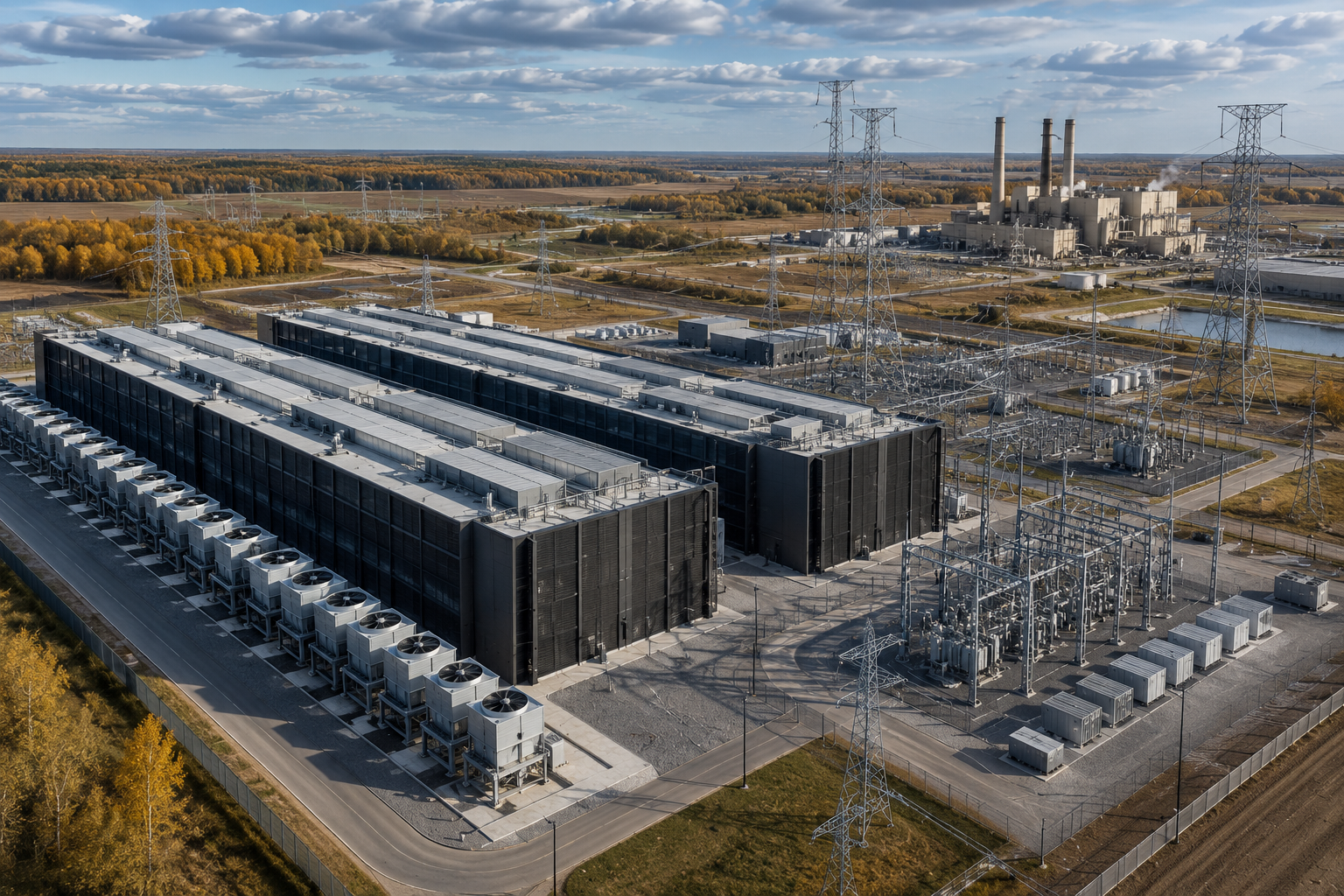
- Energy availability for data centers
While long-term demand for AI solutions remains robust, near-term volatility can compress valuations if investors question execution timelines or margin sustainability.
The AI theme is not disappearing — but investors may become more selective about which companies can monetize AI efficiently under macro pressure.
Why This Matters for Investors
The technology sector’s sensitivity to geopolitics reflects its central role in the modern economy.
Unlike utilities or consumer staples, tech firms depend heavily on global trade, capital markets, and growth expectations. When uncertainty rises in any of these areas, tech valuations react quickly.
The key challenge for investors is distinguishing between:
- Structural risk
- Temporary volatility
Historically, geopolitical shocks have created sharp but often temporary drawdowns in growth sectors. However, prolonged trade restrictions or supply chain realignments can have lasting effects.
Data from prior geopolitical crises suggests that markets typically recover within months if economic fundamentals remain intact. But sector leadership can shift during those recoveries.
That nuance is critical.
Future Trends to Watch
Investors navigating tech volatility should monitor several indicators closely:
1. U.S. Treasury Yields
Rising real yields typically pressure growth stocks.
2. Semiconductor Export Policy
Any changes in export controls or trade agreements could significantly affect revenue projections.
3. Corporate Earnings Guidance
Forward-looking statements from tech executives will reveal how geopolitical uncertainty is influencing demand.
4. Capital Expenditure Trends
Slowing AI-related capex would signal caution. Continued aggressive spending would reinforce long-term confidence.
5. Volatility Metrics
Elevated VIX levels often correspond with tech underperformance.
Together, these factors will shape the next phase of sector performance.
Key Investment Insight
Selective exposure is paramount.
Investors may consider focusing on technology firms that demonstrate:
- Strong free cash flow generation
- Low capital intensity relative to peers
- High recurring revenue percentages
- Diversified geographic revenue streams
- Conservative balance sheets
In heightened macro risk environments, resilience often outperforms hyper-growth.
Exchange-traded funds targeting quality technology factors may offer diversified exposure without excessive single-name risk. Conversely, highly leveraged or speculative technology names may remain vulnerable to continued volatility.
For long-term investors, periods of sector weakness can create entry opportunities — provided valuations align with earnings durability.
The Bigger Picture
Technology remains a foundational pillar of global economic growth. Digital transformation, AI adoption, and cloud expansion are secular trends unlikely to reverse.
Yet the path forward is rarely linear.
Geopolitical uncertainty is reshaping risk premiums and forcing investors to reevaluate valuation assumptions. The era of indiscriminate tech buying appears to be fading — replaced by a more disciplined, fundamentals-driven approach.
As global developments continue to influence capital flows, the technology sector will remain both a source of opportunity and a focal point of volatility.
For daily, data-driven insights across technology, markets, and macro trends, stay connected with MoneyNews.Today — your trusted source for investor intelligence in an evolving global landscape.