The global artificial intelligence race is no longer just about chatbots and generative tools — it is increasingly about factories, logistics networks, and industrial control systems.
A senior executive at German software giant SAP recently argued that Europe must pivot its AI strategy toward industrial applications if it hopes to compete effectively with the United States and China. The next wave of value creation, he suggested, will come not from consumer-facing AI platforms, but from embedding intelligence into manufacturing, supply chains, and enterprise operations.
For investors, that shift in narrative is significant. Industrial AI — the integration of machine learning, automation, and advanced analytics into production environments — is emerging as a structural investment theme with global implications.
MoneyNews.Today explores why industrial AI may represent the next major chapter in the technology cycle, what it means for North American investors, and where opportunities are likely to develop.
The AI Conversation Is Evolving
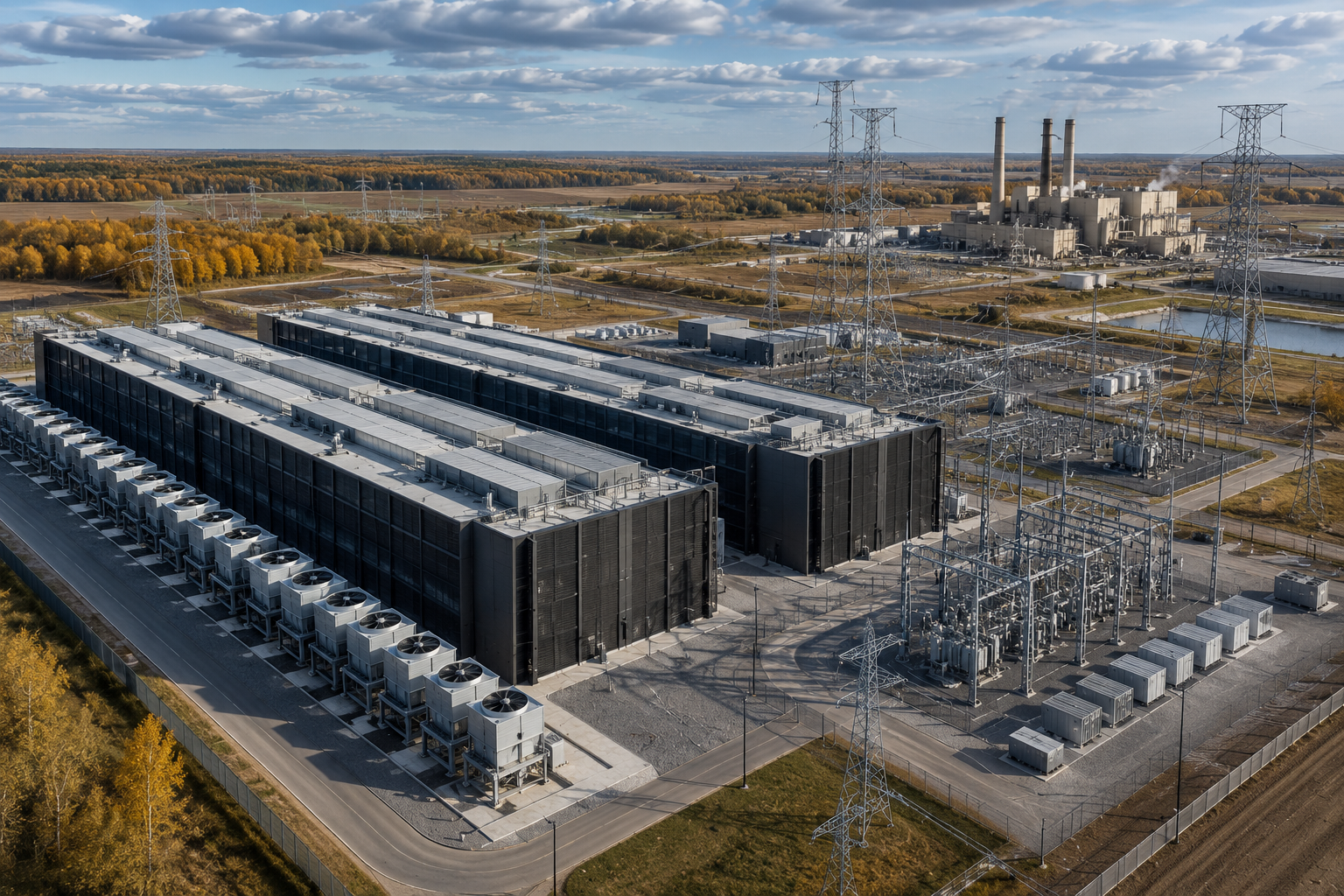
Over the past two years, much of the AI investment narrative has centered on large language models, cloud computing infrastructure, and consumer-facing productivity tools. These innovations have driven enormous capital expenditure, particularly in the United States, where hyperscalers and chipmakers have invested aggressively in AI data centers.
However, according to commentary reported by Reuters and other European business outlets, SAP leadership believes Europe’s competitive advantage lies elsewhere: industrial digitization.
Europe’s economic backbone is manufacturing — automotive production in Germany, aerospace in France, advanced machinery in Italy, and energy systems across the continent. Unlike Silicon Valley’s consumer-tech orientation, Europe’s strength lies in industrial engineering.
That distinction matters.
If AI adoption in manufacturing and enterprise automation accelerates globally, the competitive landscape may broaden beyond consumer AI leaders to include industrial software firms, robotics manufacturers, and automation platforms.
What Is Industrial AI?
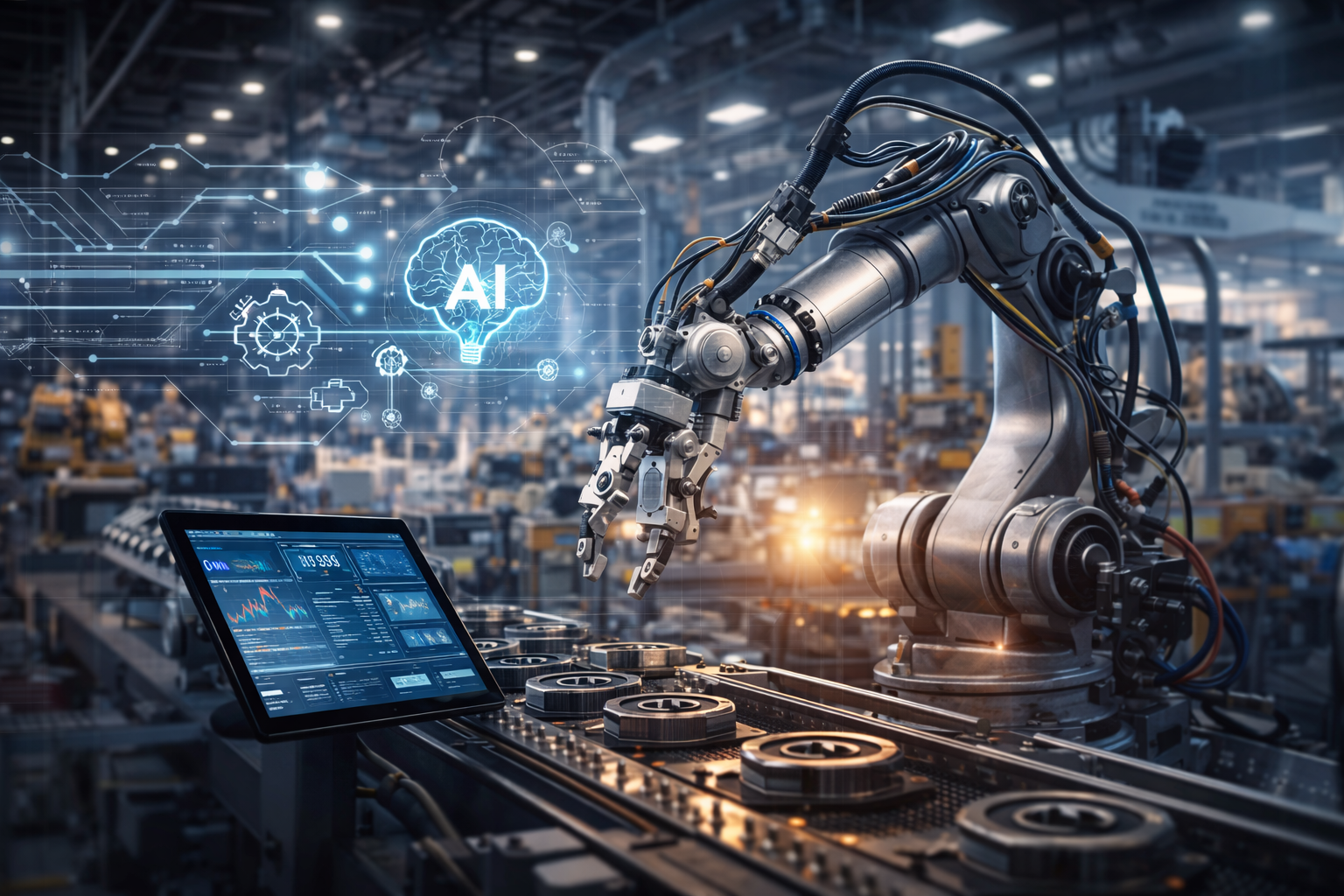
Industrial AI refers to the application of artificial intelligence technologies within physical production systems and enterprise operations. Examples include:
- Predictive maintenance for factory equipment
- AI-driven supply chain optimization
- Autonomous robotics in manufacturing
- Smart quality control systems
- Energy efficiency optimization
According to McKinsey & Company, AI-driven industrial automation could add trillions of dollars in global economic value over the next decade, particularly in advanced manufacturing sectors. Their research suggests that predictive maintenance alone can reduce downtime by 30% to 50% and extend machine life significantly.
These productivity gains translate directly into improved margins — a key attraction for corporate adopters and, by extension, investors.
Why This Matters for Investors
The AI boom is often perceived as concentrated in a handful of mega-cap U.S. technology firms. Industrial AI broadens the opportunity set.
If manufacturing and enterprise automation become the primary drivers of AI adoption, capital flows could increasingly favor:
- Industrial software providers
- Robotics and automation hardware manufacturers
- Semiconductor firms supplying industrial-grade chips
- Systems integration companies
- Cloud platforms tailored for enterprise workloads
For Canadian and U.S. investors, this creates exposure beyond consumer AI platforms.
North America remains home to major industrial technology players and automation specialists. As global manufacturers digitize operations, these firms may benefit from long-term demand growth.
The narrative shift also reduces reliance on purely speculative AI valuations. Industrial adoption tends to be grounded in measurable ROI — cost savings, efficiency improvements, and output gains — rather than user growth metrics alone.
Europe’s Strategic Position
Europe’s policy environment may accelerate industrial AI adoption.
The European Union has placed strong emphasis on digital sovereignty and advanced manufacturing resilience. While regulatory frameworks around AI have been more stringent than in the United States, the EU’s industrial policy aims to preserve manufacturing competitiveness.
Bloomberg has previously reported on European efforts to strengthen semiconductor production and industrial technology ecosystems. Industrial AI fits squarely within that agenda.
If public funding and private investment align, Europe could become a global leader in AI-enabled manufacturing systems — even if it lags in consumer AI platforms.
For investors, this suggests watching European industrial software firms and robotics suppliers closely.
The U.S. and China Context
The United States continues to dominate AI infrastructure development, driven by leading cloud providers and semiconductor innovators. China, meanwhile, is aggressively investing in AI integration across industrial sectors as part of its broader technological self-sufficiency initiatives.
Industrial AI may represent common ground among global powers.
Unlike social media or consumer applications, industrial AI focuses on productivity — a politically palatable objective across regions.
That convergence could intensify competition but also expand overall market size.
The semiconductor industry, for example, stands to benefit regardless of geography. AI-enabled robotics and automation systems require specialized chips, sensors, and high-performance computing components.
This reinforces the structural demand thesis for advanced hardware manufacturers.
Valuation and Capital Allocation Considerations
Industrial AI differs from consumer AI in one crucial respect: capital intensity.
While generative AI models require massive data center investments, many industrial AI deployments leverage existing infrastructure, integrating software into physical systems.
Companies with low capital intensity and strong recurring revenue models may outperform in this environment.
Investors should examine:
- Free cash flow generation
- R&D efficiency
- Client concentration risks
- Exposure to cyclical manufacturing sectors
- Geographic diversification
Industrial adoption cycles can be slower than consumer tech adoption, but contracts are often longer-term and embedded in mission-critical operations.
That stability can justify premium valuations — provided growth is consistent.
Risks to Monitor
Despite its promise, industrial AI is not without risks.
- Adoption Barriers: Legacy systems and workforce resistance can slow implementation.
- Economic Cycles: Manufacturing demand is cyclical, and global slowdowns could delay investment.
- Regulatory Oversight: AI governance frameworks may impose compliance costs.
- Capital Expenditure Trends: If corporations cut budgets during macro uncertainty, AI integration timelines may stretch.
Investors should differentiate between structural growth trends and near-term cyclical volatility.
Future Trends to Watch
Several indicators will help gauge the trajectory of industrial AI:
1. Enterprise IT Spending
Quarterly earnings reports from industrial firms will reveal capital allocation priorities.
2. Robotics Market Growth
Industry research firms project steady expansion in industrial robotics shipments, particularly in Asia and Europe.
3. AI Software Integration Deals
Strategic partnerships between software providers and manufacturing giants could accelerate adoption.
4. Government Incentives
Policy measures supporting digital transformation and advanced manufacturing may boost sector investment.
5. Semiconductor Demand
Industrial AI expansion should increase demand for embedded processors and specialized chips.
Tracking these metrics can help investors anticipate sector momentum.
Key Investment Insight
Industrial AI represents a structural theme with cross-sector implications.
Investors may consider:
- Allocating exposure to industrial automation and robotics firms with global customer bases.
- Monitoring semiconductor companies supplying industrial AI hardware.
- Favoring enterprise software providers with strong recurring revenue tied to operational efficiency.
- Maintaining diversified exposure across hardware and software layers of the AI stack.
Selective positioning — rather than broad thematic speculation — may yield better long-term outcomes.
Industrial AI is less about viral adoption and more about incremental productivity gains that compound over time.
The Bigger Picture
The AI race is entering a new phase.
As consumer applications mature, attention is shifting toward tangible economic productivity. Manufacturing, logistics, and enterprise systems represent vast, under-penetrated markets for AI deployment.
Europe’s call to emphasize industrial AI highlights a broader global recognition: the next wave of competitive advantage may be built in factories and data-driven supply chains rather than mobile apps.
For investors, this evolution expands opportunity beyond headline-grabbing tech giants to include a broader ecosystem of industrial technology players.
The digital transformation of physical industries is still in its early innings — and capital markets are beginning to take notice.
For continued coverage of AI, emerging industries, and global market shifts, stay connected with MoneyNews.Today — delivering trusted investor insights where technology and capital intersect.