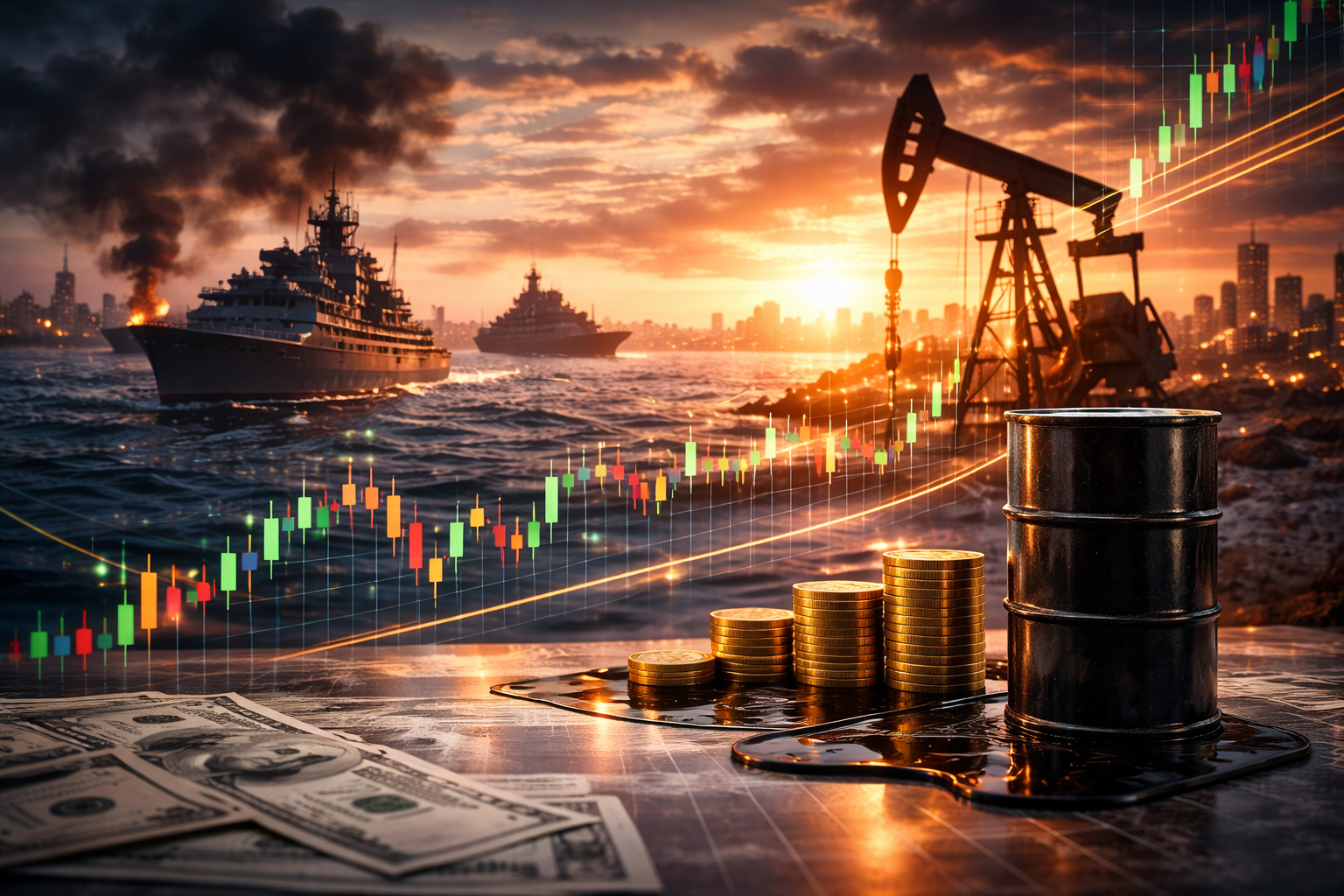
Global markets are once again being reminded that politics and energy are deeply intertwined—and investors are feeling the effects.
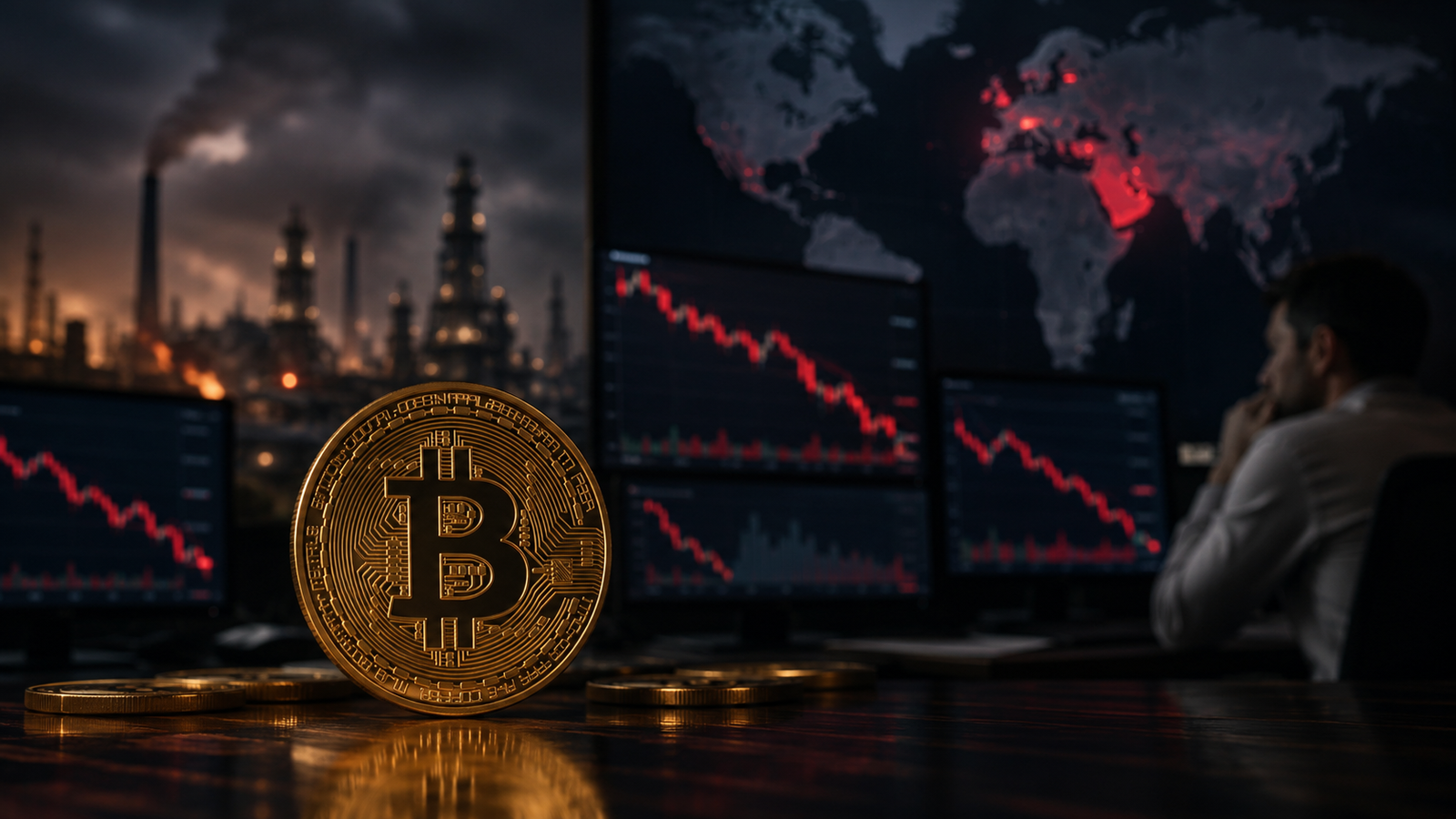
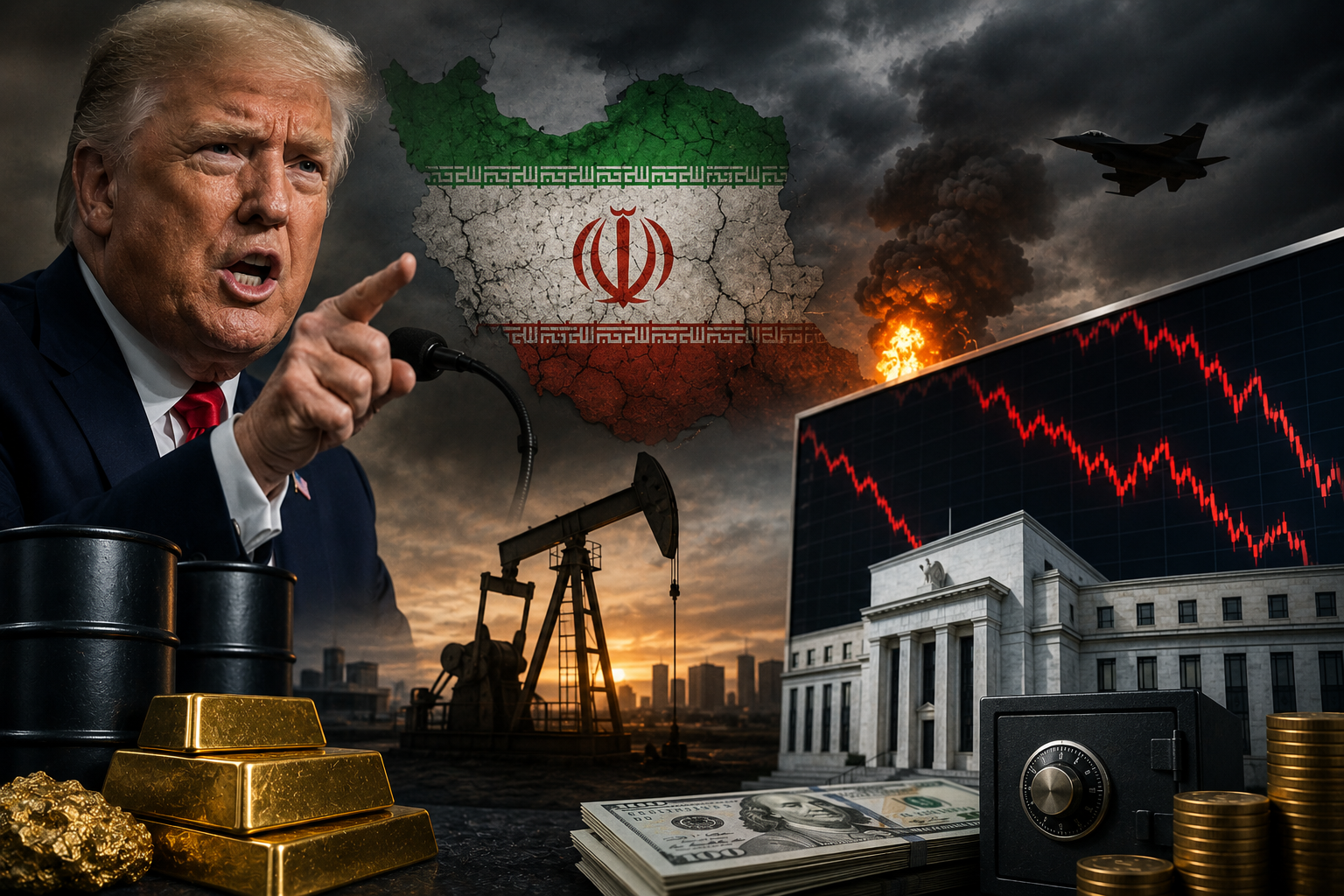
In recent weeks, geopolitical developments tied to tensions in the Middle East have triggered sharp swings across financial markets, from oil prices and global equities to currencies and commodity markets. Even subtle shifts in political messaging from global leaders have been enough to send markets moving within minutes.
According to reporting from Reuters, statements suggesting possible diplomatic progress in ongoing regional conflicts have already caused rapid drops in oil prices and rebounds in global stock markets, highlighting how sensitive markets remain to geopolitical developments.
For investors navigating an increasingly complex macroeconomic environment, energy security and political stability have become critical variables shaping global financial trends. In 2026, geopolitics is once again emerging as one of the most powerful drivers of market sentiment.
Why Energy Security Is a Central Market Issue
Energy sits at the center of the global economy. Oil and natural gas remain essential inputs for transportation, manufacturing, electricity generation, and industrial production.
When geopolitical tensions threaten energy supply routes or production capacity, markets react quickly.
The Middle East continues to play a pivotal role in the global energy system. The region accounts for a significant share of the world’s oil production and hosts critical shipping routes through which millions of barrels of oil move each day.
Any potential disruption—whether real or perceived—can cause oil prices to spike.
Higher energy prices ripple through the global economy in several ways:
- Increasing transportation and logistics costs
- Raising manufacturing expenses
- Contributing to inflationary pressures
- Reducing consumer spending power
These effects can ultimately influence central bank policy, economic growth forecasts, and investor risk appetite.
As a result, geopolitical tensions linked to energy security can quickly become major catalysts for market volatility.
Markets React Instantly to Political Signals
One of the defining features of today’s financial markets is the speed with which information travels.
Political statements, diplomatic announcements, and even social media posts from government officials can now move markets almost instantly.
Recent developments illustrate this phenomenon clearly. According to Reuters, signals suggesting a potential easing of tensions in the Middle East prompted a sharp drop in oil prices and a rebound in global equities, as investors interpreted the news as a possible reduction in geopolitical risk.
This rapid response reflects the increasingly interconnected nature of global markets.
Algorithmic trading systems and institutional investors monitor geopolitical headlines continuously, often adjusting portfolio allocations in real time.
While this responsiveness can create opportunities, it can also amplify volatility when markets react quickly to uncertain or incomplete information.
Commodities Remain Highly Sensitive to Geopolitics
Among all asset classes, commodities tend to respond most dramatically to geopolitical developments.
Oil prices, in particular, are extremely sensitive to disruptions in supply or transportation routes.
A single political event—such as a military escalation or sanctions announcement—can cause crude prices to jump significantly within hours.
Other commodities may also be affected, including:
- Natural gas
- Gold
- Industrial metals
- Agricultural products
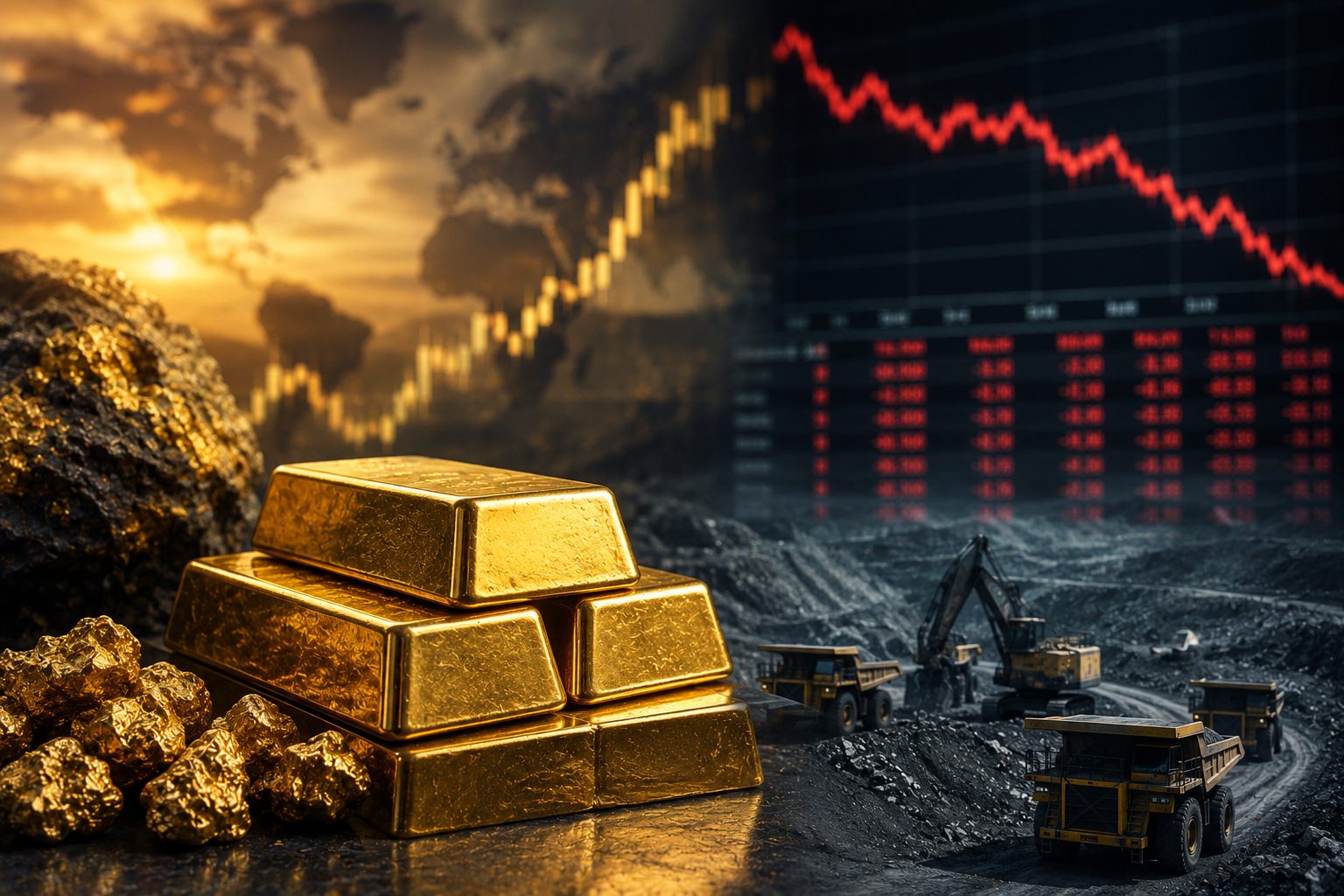
For example, geopolitical tensions often increase demand for gold as a safe-haven asset, while energy supply concerns can drive oil and natural gas prices higher.
These dynamics highlight why commodity markets are often the first to respond when geopolitical risks intensify.
Defense and Energy Stocks Often Move With Geopolitical Risk
Geopolitical developments do not only influence commodities—they also affect equities in specific sectors.
Historically, periods of heightened geopolitical tension have benefited certain industries, including:
- Defense and aerospace companies
- Energy producers
- Cybersecurity firms
- Infrastructure providers
Defense companies may experience increased demand for military equipment and technology during periods of global instability.
Energy producers, meanwhile, can benefit from rising oil prices when supply concerns emerge.
Conversely, industries sensitive to economic growth—such as travel, retail, and consumer discretionary sectors—may face pressure when geopolitical tensions raise uncertainty.
For investors, understanding these sector dynamics can help identify potential opportunities during volatile periods.
Why Markets Are Increasingly Headline-Driven
Another important trend shaping modern markets is the growing influence of political headlines.
Financial markets once moved primarily in response to economic indicators such as employment data, inflation reports, and corporate earnings.
While those factors remain important, geopolitical developments are now playing a much larger role in determining short-term market direction.
Several factors explain this shift:
Globalization of Markets
Today’s markets are deeply interconnected. Political developments in one region can affect supply chains, trade flows, and investor sentiment worldwide.
Energy Transition and Resource Competition
As countries compete for access to critical energy resources and strategic minerals, geopolitical tensions surrounding energy security have intensified.
Rapid Information Flow
News now spreads instantly across global markets through digital platforms and financial media, amplifying the speed of investor reactions.
Together, these forces have created a market environment where political headlines can drive sudden price swings across multiple asset classes.
The Broader Macro Context
Geopolitical developments are unfolding alongside several other major macroeconomic trends.
Investors are simultaneously monitoring:
- Inflation trends in major economies
- Central bank interest rate policies
- Global economic growth forecasts
- Energy supply and demand dynamics
For example, energy prices directly influence inflation levels, which in turn affect interest rate decisions by central banks such as the Federal Reserve.
Higher oil prices can push inflation upward, potentially leading central banks to maintain tighter monetary policies.
These interconnections illustrate why geopolitical events can have far-reaching implications across financial markets.
Why This Matters for Investors
In today’s investment landscape, geopolitical awareness has become an essential part of market analysis.
While predicting political events is inherently difficult, understanding how markets typically respond to geopolitical developments can help investors navigate uncertainty more effectively.
Several key indicators can provide insight into changing geopolitical risk levels:
- Oil price movements
- Commodity market volatility
- Defense sector performance
- Currency fluctuations in energy-exporting nations
Tracking these signals can help investors identify shifts in market sentiment and adjust portfolio strategies accordingly.
Future Trends Investors Should Watch
Looking ahead, several geopolitical and energy-related developments could influence global markets in the coming years.
Energy Supply Security
Governments around the world are increasingly focused on securing stable energy supplies through domestic production and strategic partnerships.
Strategic Commodity Competition
Critical minerals used in clean energy technologies and semiconductors are becoming important geopolitical assets.
Defense Spending Growth
Rising geopolitical tensions may encourage governments to increase defense budgets, potentially benefiting defense contractors.
Energy Market Volatility
Oil and gas markets are likely to remain sensitive to political developments in key producing regions.
Key Investment Insight
For investors, geopolitical developments are becoming one of the most important macro catalysts influencing markets.
Energy prices, commodity trends, and defense sector performance often respond quickly to shifts in political risk.
While geopolitical uncertainty can create volatility, it can also present opportunities for investors who understand how different sectors respond to changing global conditions.
Monitoring geopolitical developments alongside traditional economic indicators may provide valuable insights into emerging market trends.
Global markets will likely remain sensitive to political developments and energy security concerns throughout 2026. For investors seeking to navigate this evolving landscape, staying informed about geopolitical risks and their potential market impact is more important than ever.
Follow MoneyNews.Today for daily insights into the forces shaping global markets, from geopolitical developments and energy trends to emerging investment opportunities across the world economy.