The artificial intelligence boom has entered a new phase—and investors are starting to ask tougher questions. What began as a race to build AI capability is quickly becoming a test of financial discipline, as Big Tech pours unprecedented capital into infrastructure while returns remain uneven.
From hyperscale data centers to custom silicon, the largest U.S. technology companies are collectively committing tens of billions of dollars annually to AI. According to recent reporting from Bloomberg and CNBC (April 24, 2026), capital expenditures tied to AI are accelerating faster than revenue growth in many cases—raising concerns about timing, margins, and ultimately, return on investment.
The narrative is shifting. AI is no longer just about potential—it’s about proving profitability.
The Scale of AI Investment Is Unprecedented
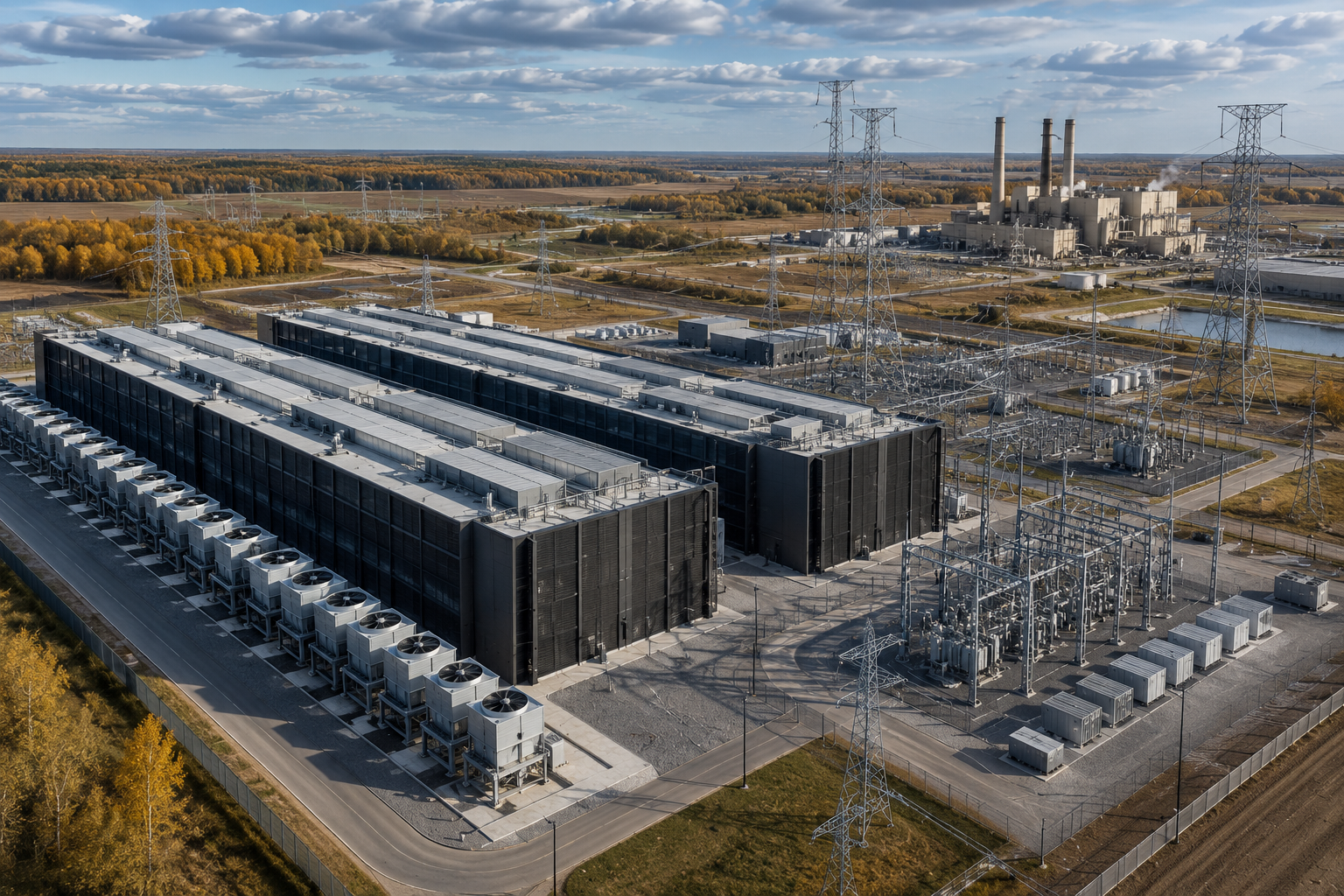
The current wave of AI spending is unlike anything seen in previous technology cycles. Hyperscalers are expanding infrastructure at a pace reminiscent of early cloud adoption—but with significantly higher costs.
Recent estimates suggest:
- Major cloud providers are collectively spending $200+ billion annually on capex, much of it AI-related
- Data center buildouts are accelerating globally, particularly in North America
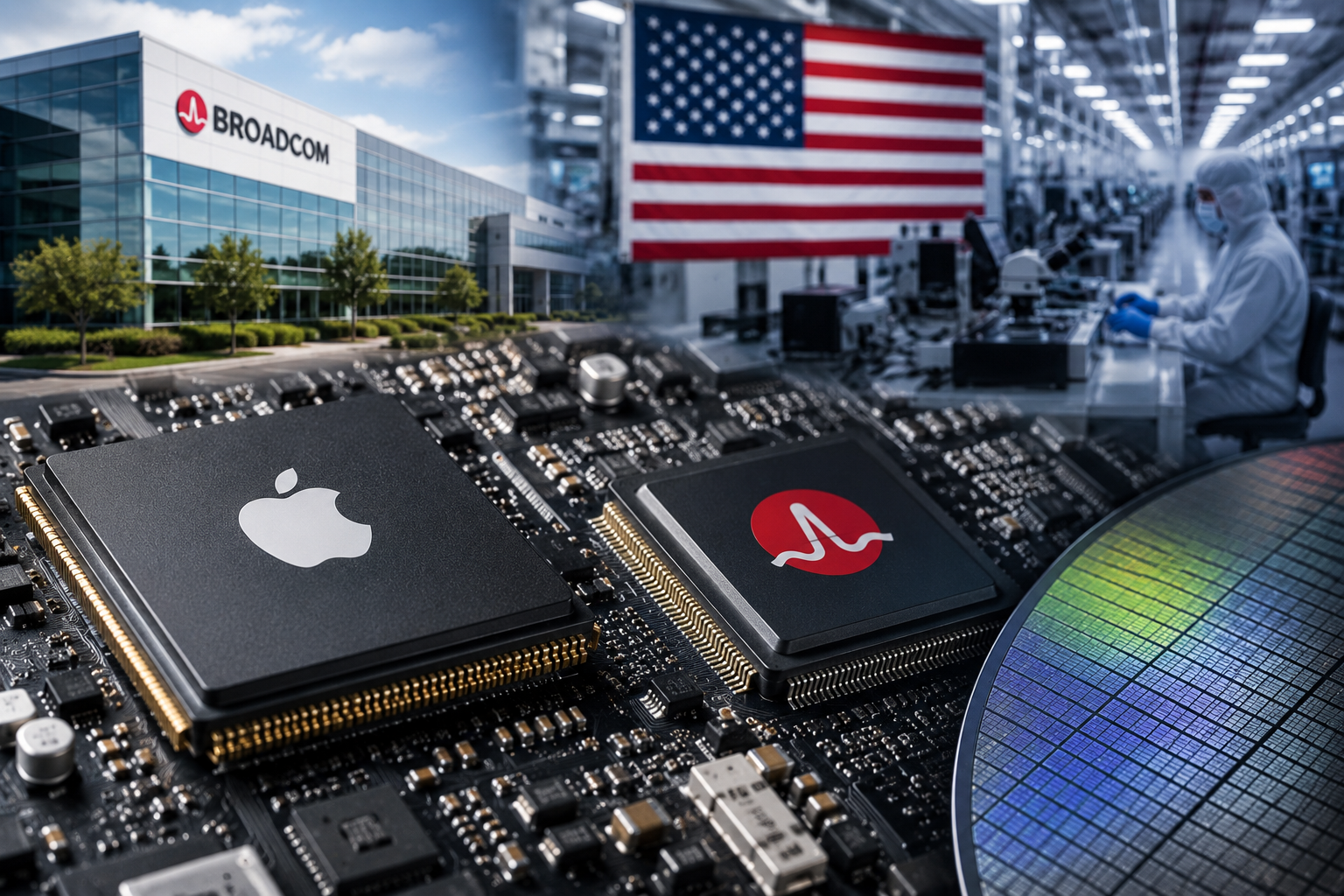
- Custom AI chips and GPUs are becoming critical strategic assets, not just components
This spending surge is being driven by three primary forces:
1. Infrastructure Arms Race
Companies are racing to secure compute capacity, particularly for training and deploying large language models (LLMs). Access to GPUs and advanced chips has become a competitive differentiator.
2. Vertical Integration
Big Tech firms are increasingly designing their own chips and optimizing software stacks to reduce reliance on third-party suppliers and improve performance.
3. Enterprise Demand
Corporate adoption of AI tools—from automation to analytics—is driving demand for scalable, high-performance infrastructure.
While these trends reinforce AI’s long-term importance, they also create a near-term financial challenge: costs are being incurred today, while revenues scale more gradually.
Why Margins Are Under Pressure
One of the most important investor concerns right now is margin compression. AI is capital-intensive—not just to build, but to operate.
According to analyst commentary cited by Bloomberg:
- Training large AI models can cost hundreds of millions of dollars per iteration
- Ongoing inference (running AI models in production) adds significant operational expense
- Energy and cooling costs for AI data centers are rising sharply
This creates a dynamic where:
- Revenue growth is visible—but profitability is delayed
- Gross margins may decline as AI services scale
- Free cash flow becomes more volatile in the short term
For publicly traded companies, this introduces a tension between growth expectations and financial discipline.
Investors are increasingly asking:
- When will AI investments translate into meaningful earnings?
- Which companies can scale efficiently versus those overspending?
- Is the market overestimating near-term monetization?
Monetization: The Critical Next Phase
AI’s long-term potential is widely accepted. The uncertainty lies in how—and how quickly—it can be monetized.
There are currently three primary monetization pathways:
Enterprise AI Services
Cloud providers are offering AI-powered tools for businesses, including automation, data analytics, and generative AI applications. This is currently the most visible revenue stream.
Consumer AI Products
AI integration into search, productivity software, and digital assistants is expanding rapidly. However, monetization here remains less direct and often tied to advertising or subscription models.
Platform Ecosystems
Companies are building ecosystems around AI—APIs, developer tools, and marketplaces—to drive long-term revenue streams.
Despite these opportunities, analysts note that:
- Pricing models are still evolving
- Customer adoption varies widely across industries
- Many AI services are currently subsidized to drive usage
This reinforces a key point: revenue growth is real, but profit visibility remains limited.
Market Reaction: Optimism Meets Caution
Equity markets have largely rewarded companies leading the AI buildout. Technology stocks—particularly those tied to AI infrastructure—have significantly outperformed broader indices.
However, cracks are beginning to appear:
- Earnings calls increasingly feature questions about AI ROI
- Some analysts are revising margin forecasts downward
- Valuations are being scrutinized more closely
This doesn’t signal a reversal of the AI trend—but it does indicate a shift toward more disciplined investor expectations.
Markets are moving from:
“How big is the AI opportunity?”
to
“Who can execute profitably?”
Why This Matters for Investors
AI remains one of the most transformative forces in the global economy—but not all exposure is equal.
The current environment is creating clear differentiation between winners and laggards.
Key Considerations:
1. Capital Efficiency Will Define Leaders
Companies that can scale AI infrastructure without excessive cost overruns will outperform.
2. Monetization Clarity Is Critical
Firms with transparent, scalable revenue models will command premium valuations.
3. Margins Matter Again
After a period of growth-at-all-costs, investors are refocusing on profitability metrics.
4. Supply Chain Positioning Is Key
Semiconductors, data center providers, and energy infrastructure players are emerging as critical enablers of the AI economy.
Future Trends to Watch
As the AI investment cycle evolves, several trends are likely to shape the next phase:
Shift Toward Optimization
After aggressive spending, companies will focus on improving efficiency—both in infrastructure and model performance.
Rise of AI-Specific Financial Metrics
Investors may begin to see new KPIs, such as cost per inference or AI-driven revenue contribution, becoming standard in earnings reports.
Consolidation of AI Leaders
Not all players will sustain the pace of investment. Market leadership is likely to concentrate among companies with scale, capital, and technical expertise.
Regulatory and Energy Constraints
AI infrastructure growth will increasingly intersect with regulatory scrutiny and energy availability—particularly in North America.
Key Investment Insight
AI is no longer just a growth story—it’s becoming a discipline story.
For investors, the opportunity lies not in chasing the biggest spenders, but in identifying companies that can translate AI investment into sustainable returns.
Focus on:
- Businesses with clear AI monetization strategies
- Companies demonstrating improving efficiency metrics
- Infrastructure players benefiting from sustained demand
- Firms balancing innovation with capital discipline
In this environment, execution—not ambition—will drive long-term shareholder value.
The AI revolution is far from over—but the rules are evolving. As capital flows intensify and expectations rise, investors must look beyond headlines and focus on fundamentals.
Stay ahead of market-moving trends and uncover actionable insights with MoneyNews.Today, your trusted source for daily investor intelligence.