The artificial intelligence boom is no longer confined to data centers and semiconductors—it is rapidly spilling into one of the oldest corners of the global economy: metals and mining. As investors chase the next wave of AI-driven growth, a powerful shift is underway beneath the surface. The real bottleneck may not be chips or code—but energy, raw materials, and physical infrastructure.
On May 1, 2026, reporting from Reuters underscored this transformation. Surging electricity demand from AI systems and crypto-related compute is driving increased consumption of natural gas and key industrial materials. As supply tightens, resource-linked sectors are drawing renewed investor attention—marking the emergence of what many are calling “AI’s picks-and-shovels trade.”
For investors, this is a critical evolution of the AI narrative—one that extends far beyond Silicon Valley and into mines, pipelines, and global commodity markets.
The Hidden Backbone of the AI Economy
Artificial intelligence is fundamentally an energy-intensive technology. Training large language models, running hyperscale cloud systems, and supporting crypto networks all require vast computational power—and by extension, massive energy input.
That energy must come from somewhere.
According to data referenced by institutions such as the International Energy Agency (IEA) and analysis cited across financial platforms, global electricity demand from data centers is expected to surge significantly over the next decade. As AI adoption accelerates, this demand is increasing at a pace that traditional infrastructure is struggling to match.
This is where commodities enter the equation.
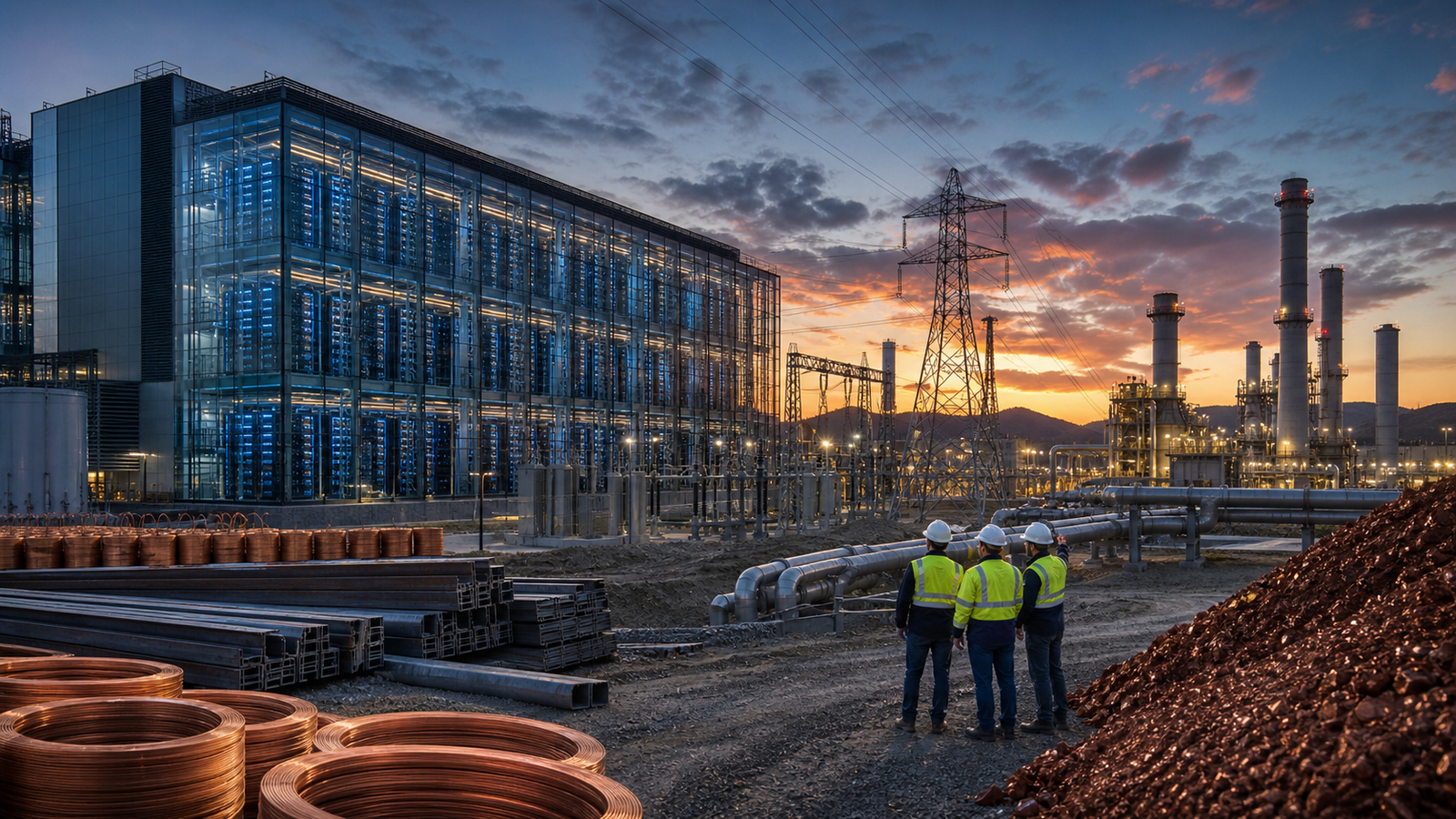
Natural gas, copper, aluminum, and steel are all essential components of the infrastructure required to power and scale AI systems. From power generation to transmission networks and data center construction, these materials form the backbone of the digital economy.
The result: a powerful feedback loop where AI growth drives commodity demand, which in turn influences global supply chains and pricing dynamics.
Why This Matters for Investors
1. Commodities Are Becoming Strategic Assets Again
For much of the past decade, commodities played a secondary role in investment portfolios, often overshadowed by high-growth technology stocks. That dynamic is changing.
As AI and digital infrastructure expand, commodities are regaining strategic importance. They are no longer just cyclical assets tied to industrial demand—they are becoming structural enablers of technological growth.
This shift is particularly evident in energy markets. Natural gas, for example, is emerging as a critical fuel source for data centers due to its reliability and scalability. At the same time, metals like copper are essential for building power grids and electrical systems.
For investors, this represents an opportunity to gain exposure to the AI boom through hard assets rather than software or semiconductors.
2. Supply Constraints Could Drive Price Upside
One of the key factors amplifying this trend is limited supply growth. Developing new mines or energy infrastructure projects takes years, often involving complex regulatory approvals and significant capital investment.
This creates a mismatch between rapidly increasing demand and relatively slow supply expansion.
As highlighted in reporting from Reuters, tightening supply conditions are already beginning to attract investor interest. If demand continues to accelerate, this could lead to sustained upward pressure on commodity prices.
For investors, supply constraints are a critical variable. They can amplify returns in commodity-linked sectors, particularly during periods of strong demand growth.
3. Diversification Beyond Traditional AI Plays
The AI trade has been heavily concentrated in a handful of mega-cap technology companies and semiconductor firms. While these remain important, the growing role of commodities offers a new avenue for diversification.
By investing in metals and mining, energy producers, and infrastructure providers, investors can:
- Reduce concentration risk
- Gain exposure to different parts of the value chain
- Benefit from broader economic trends linked to AI
This approach aligns with a more holistic view of the AI ecosystem—one that includes both digital and physical components.
The Key Commodities Driving the Trend
Natural Gas
Natural gas is at the center of the current energy surge. Its ability to provide consistent baseload power makes it ideal for data centers and AI operations, which require uninterrupted electricity.
Companies involved in natural gas production, transportation, and distribution are seeing increased demand, particularly in regions experiencing rapid data center growth.
Copper
Often referred to as “the metal of electrification,” copper plays a crucial role in power generation, transmission, and storage. It is essential for building the infrastructure needed to support AI-driven energy demand.
As electrification accelerates globally, copper demand is expected to rise significantly—potentially outpacing supply.
Aluminum and Steel
These materials are fundamental to constructing data centers, power plants, and transmission networks. While less discussed than copper, they are equally important in scaling physical infrastructure.
Increased construction activity tied to AI expansion is likely to support demand for these industrial metals.
Future Trends to Watch
1. The Emergence of AI-Driven Commodity Cycles
Traditionally, commodity cycles have been driven by factors such as industrial growth, urbanization, and geopolitical events. The rise of AI introduces a new driver—digital infrastructure demand.
This could lead to longer and more sustained commodity cycles, as AI adoption continues to grow over the coming years.
2. Integration of Energy and Technology Strategies
Technology companies are increasingly recognizing the importance of energy in their operations. This is leading to strategic partnerships between tech firms and energy providers, as well as direct investments in energy infrastructure.
Such integration could reshape both industries, creating new business models and investment opportunities.
3. Environmental and Regulatory Pressures
The expansion of energy and mining activities comes with environmental considerations. Governments and regulators are likely to impose stricter standards, particularly around emissions and sustainability.
While this may increase costs, it could also drive innovation and create opportunities in areas such as renewable energy and sustainable mining practices.
Key Investment Insight
The most important takeaway for investors is this: the AI revolution is as much a resource story as it is a technology story.
To fully capture the opportunities created by AI, investors should look beyond traditional tech plays and consider exposure to:
- Energy producers, particularly in natural gas
- Metals and mining companies focused on copper and infrastructure materials
- Industrial firms involved in building and maintaining energy systems
- Diversified commodity funds or ETFs
This “picks-and-shovels” approach provides a way to benefit from the AI boom while potentially reducing volatility associated with high-growth tech stocks.
It also aligns with a broader investment strategy that emphasizes real assets and long-term demand trends.
The expansion of AI infrastructure is reshaping global markets in ways that extend far beyond the technology sector. As energy demand rises and commodity markets tighten, metals and mining are emerging as critical pillars of the digital economy.
For investors willing to look past the obvious winners, this shift offers a compelling opportunity to position for the next phase of growth.
Stay informed with MoneyNews.Today as we continue to connect the dots between emerging trends and actionable investment insights—helping you navigate the evolving landscape with clarity and confidence.