The market’s next major catalyst isn’t coming from earnings season—it’s coming from Washington.
On May 1, 2026, reporting from Reuters confirmed a significant shift in U.S. policy direction: the deepening integration of artificial intelligence, energy infrastructure, and defense strategy through new partnerships between the Pentagon and leading technology firms. Companies such as Microsoft, Google, Amazon, Nvidia, and SpaceX are increasingly embedded in national security initiatives—blurring the line between public policy and private enterprise.
For investors, this convergence signals a new era where government policy is no longer a background factor—it is a primary market driver. From defense budgets to energy security and AI regulation, the direction of policy is beginning to shape capital flows, sector leadership, and long-term investment strategies.
A New Policy Framework: Technology as National Strategy
The U.S. government’s latest moves reflect a broader strategic shift: treating advanced technologies not just as economic assets, but as pillars of national security.
The Department of Defense, alongside other federal agencies, is accelerating efforts to integrate AI into military operations, intelligence systems, and cybersecurity frameworks. These initiatives are part of a larger push to maintain technological leadership in an increasingly competitive global environment.
According to Reuters, these partnerships are designed to deploy AI across classified networks, enhance decision-making capabilities, and improve operational efficiency. At the same time, they signal a deeper alignment between government priorities and private-sector innovation.
This alignment extends beyond defense. Energy policy is also being shaped by the demands of AI and digital infrastructure, with a growing emphasis on reliability, scalability, and domestic supply chains.
Why This Matters for Investors
1. Policy Is Becoming a Core Market Catalyst
Traditionally, investors have focused on fundamentals such as earnings growth, margins, and valuation. While these remain important, policy is playing an increasingly dominant role in shaping market outcomes.
Key policy areas now influencing markets include:
- Defense spending and procurement
- AI regulation and data governance
- Energy security and infrastructure investment
- Trade and geopolitical strategy
These factors can drive significant shifts in sector performance, often independent of company-specific fundamentals.
For example, increased defense spending can boost revenues for companies involved in AI and cybersecurity, while energy policy decisions can influence commodity prices and infrastructure investment.
2. The Rise of “Policy-Backed Growth”
One of the most important developments for investors is the emergence of policy-backed growth sectors—industries that benefit directly from government support and strategic prioritization.
These include:
- Artificial intelligence and machine learning
- Defense technology and cybersecurity
- Energy infrastructure, particularly natural gas and grid systems
- Aerospace and satellite communications
Companies operating in these areas are not just competing in commercial markets—they are also participating in government-led initiatives with long-term funding commitments.
This creates a more stable and predictable growth environment, particularly for firms with established government relationships.
3. Geopolitics Is Reshaping Investment Risk
The convergence of AI, energy, and defense policy is closely tied to geopolitical dynamics. As global competition intensifies, governments are prioritizing technological independence and supply chain resilience.
This has several implications:
- Increased investment in domestic manufacturing and infrastructure
- Restrictions on technology exports and cross-border collaboration
- Greater volatility driven by geopolitical events
For investors, geopolitical risk is no longer confined to emerging markets—it is becoming a central consideration in developed economies as well.
The Strategic Role of Big Tech
Deepening Government Partnerships
Companies like Microsoft and Amazon are already key players in government cloud and data services. Their infrastructure is critical for handling sensitive information and supporting large-scale AI deployments.
Meanwhile, Nvidia provides the hardware foundation for AI systems, making it indispensable to both commercial and defense applications.
Google continues to expand its AI capabilities, while SpaceX plays a growing role in satellite communications and defense-related space technology.
These partnerships are not just transactional—they represent a strategic alignment of interests between government and industry.
Competitive Advantages and Barriers to Entry
The scale and complexity of these initiatives create significant barriers to entry. Only a handful of companies have the resources, expertise, and infrastructure required to operate at this level.
This concentration of capability reinforces the competitive դիր of established players, while making it more difficult for smaller firms to compete.
For investors, this suggests that market leadership in key sectors may become even more concentrated over time.
Energy Policy: The Missing Link
While AI and defense often dominate headlines, energy is the critical enabler connecting the two.
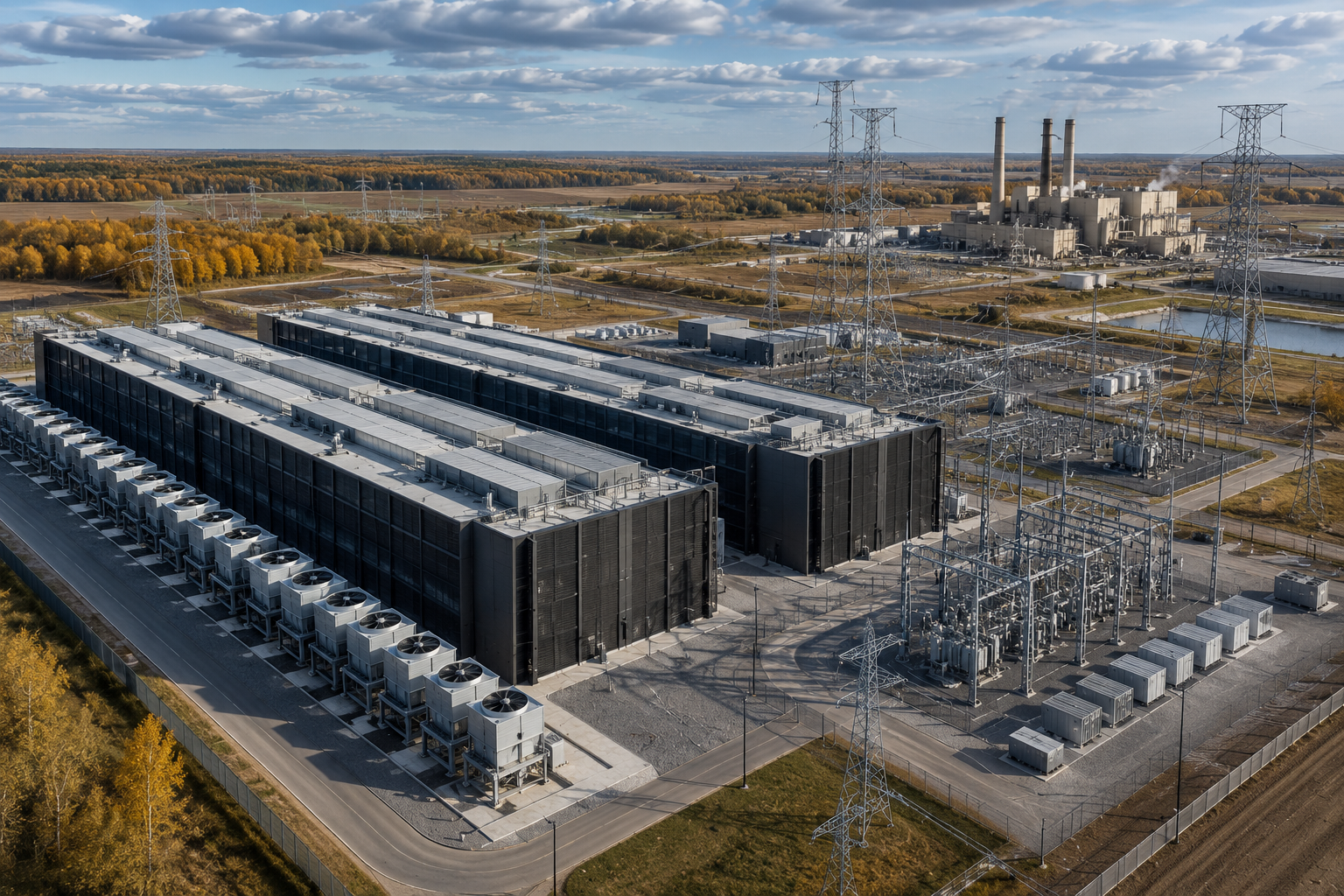
AI systems and data centers require vast amounts of electricity, driving demand for reliable and scalable energy sources. At the same time, defense operations depend on secure and resilient energy infrastructure.
This has led to increased focus on:
- Natural gas as a baseload power source
- Grid modernization and resilience
- Domestic energy production and supply chains
Policy decisions in these areas can have far-reaching effects on energy markets, commodity prices, and infrastructure investment.
Future Trends to Watch
1. Expansion of Defense Tech Spending
As AI becomes central to national security, defense budgets are likely to allocate a growing share to technology-driven initiatives. This could benefit companies involved in AI, cybersecurity, and advanced hardware.
2. Regulatory Frameworks for AI
Governments are working to establish rules governing the use of AI, particularly in sensitive areas such as defense and data privacy. These regulations will shape how companies develop and deploy AI technologies.
3. Energy Infrastructure Investment
The demand for energy driven by AI and digital infrastructure is likely to accelerate investment in pipelines, power plants, and grid systems. This trend will create opportunities across the energy sector.
4. Increased Market Sensitivity to Policy Signals
As policy becomes a primary driver, markets will react more strongly to government announcements, legislative changes, and geopolitical developments.
This will require investors to stay closely attuned to policy trends.
Key Investment Insight
The central takeaway is clear: government policy is now a primary force shaping the future of technology, energy, and defense markets.
To navigate this environment, investors should:
- Track policy developments closely: Monitor defense budgets, regulatory changes, and geopolitical events
- Focus on policy-aligned sectors: AI, energy infrastructure, and defense technology are likely to see sustained support
- Prioritize companies with government exposure: Firms with established relationships and contracts are better positioned
- Diversify across interconnected sectors: The convergence of AI, energy, and defense creates opportunities across multiple industries
This approach allows investors to align their strategies with the broader الاتجاه of government priorities, capturing both growth and stability.
The intersection of policy and markets is becoming more pronounced with each passing day. As the U.S. expands its strategic tech partnerships and integrates AI, energy, and defense into a unified framework, the implications for investors are profound.
Understanding these dynamics is no longer optional—it is essential for navigating the next phase of global markets.
Stay ahead of the curve with MoneyNews.Today, your trusted source for daily insights that connect policy, markets, and investment opportunities in a rapidly evolving world.