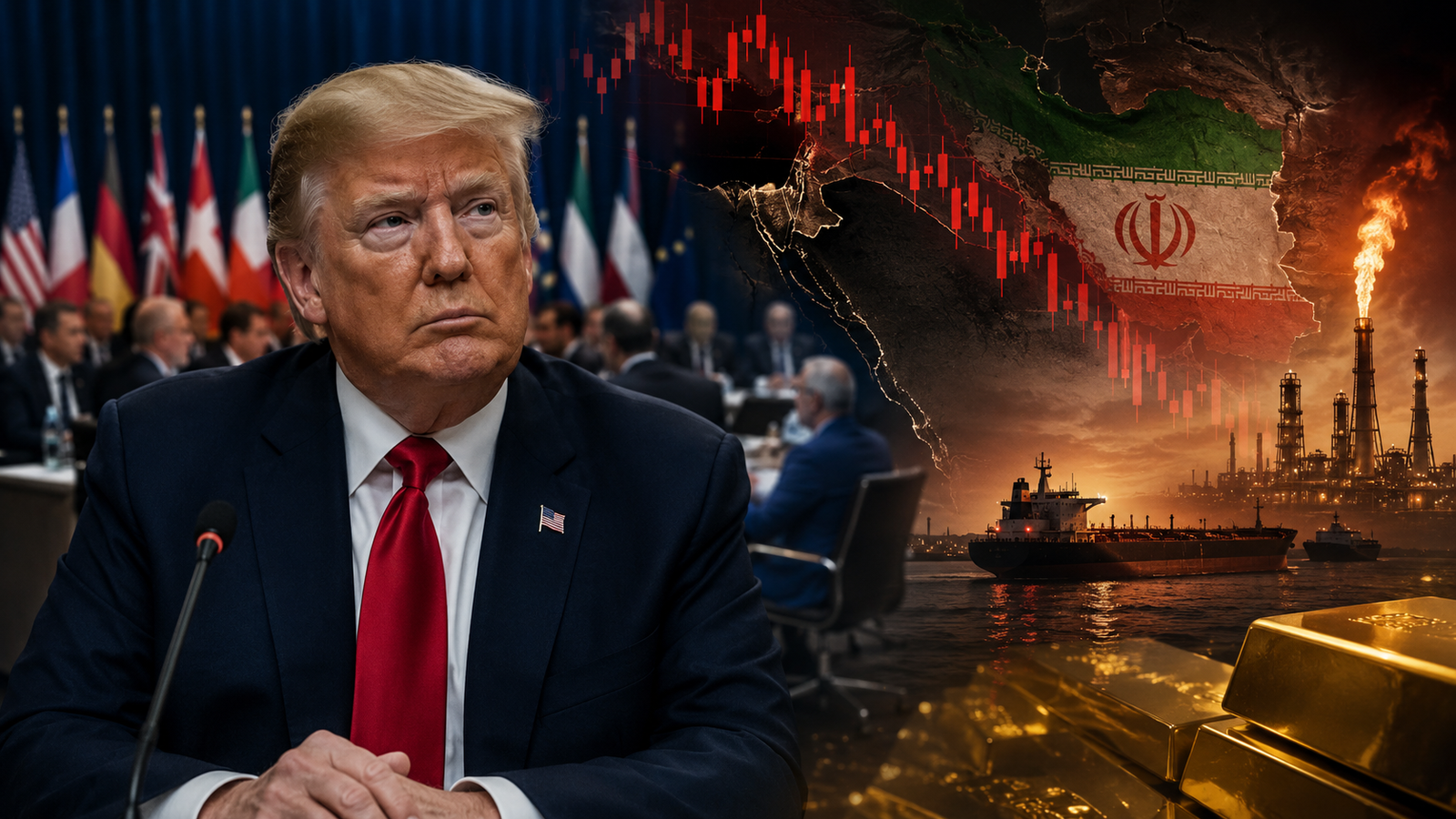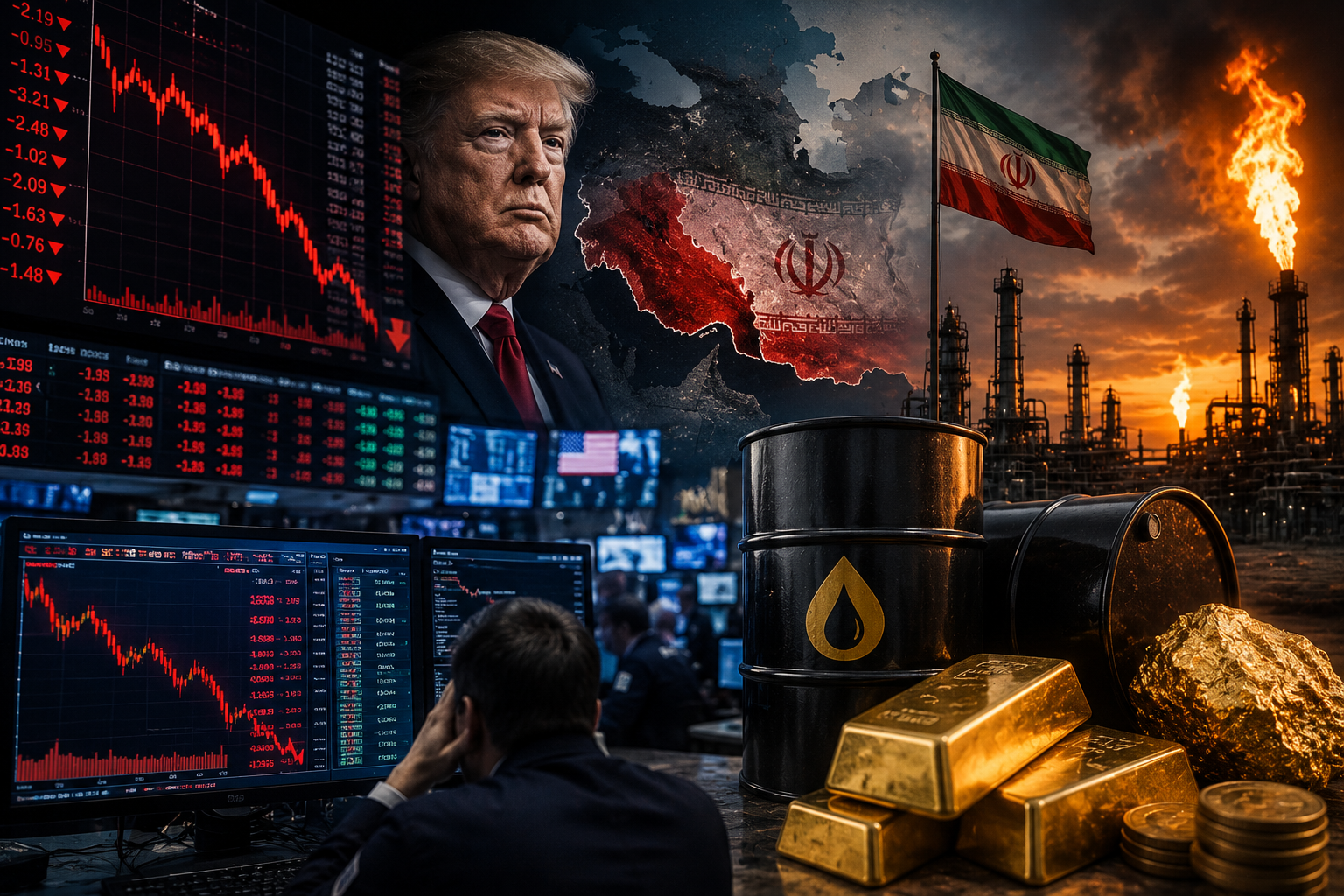
Wall Street is trying to regain its footing after a sharp geopolitical selloff, but investors are not treating the rebound as an all-clear signal. U.S. stock futures moved higher Tuesday as crude oil eased from Monday’s spike, yet the market remains highly sensitive to headlines from the Strait of Hormuz, where renewed U.S.-Iran tensions have revived fears of an energy shock, higher inflation, and tighter financial conditions.
For investors, the message is clear: risk appetite is returning, but it is fragile. The same market that has been powered by AI earnings, strong technology momentum, and resilient corporate profits is now being tested by one of the world’s most important oil chokepoints. If oil stabilizes, stocks may continue climbing. If Hormuz tensions intensify, the rebound could quickly turn into another defensive rotation.
Markets Rebound After Monday’s Oil-Driven Selloff
U.S. equities came under pressure Monday as escalating Middle East tensions pushed oil sharply higher. Investopedia reported that the Dow Jones Industrial Average fell 1.1%, shedding more than 550 points, while the S&P 500 declined 0.4% and the Nasdaq Composite slipped 0.2%. The pressure came as investors reacted to rising energy prices and reports of new military developments in the Gulf region.
By Tuesday, however, the tone had improved. Barron’s reported that U.S. stock futures were higher, with Dow futures up about 145 points, S&P 500 futures rising 0.3%, and Nasdaq 100 futures climbing 0.6% as investors looked past immediate escalation fears and focused again on earnings momentum. Crude also pulled back, with Brent and WTI both easing from elevated levels, helping stabilize broader risk sentiment.
This pattern reflects a market caught between two powerful forces. On one side, investors are still buying dips because corporate earnings, especially in AI and technology, remain supportive. On the other side, oil-linked inflation risk is forcing traders to reassess interest-rate expectations and portfolio positioning.
Why Hormuz Matters to Wall Street
The Strait of Hormuz is not just a geopolitical headline. It is a direct input into global inflation, energy security, transportation costs, and central-bank policy. Barron’s reported that the Strait handles roughly 20% of global oil transit, making any disruption a potential shock for crude markets and the broader economy.
The Wall Street Journal reported that oil prices eased Tuesday but remained elevated after Iran fired at American warships and disrupted U.S. efforts to secure shipping through the waterway. The report said Brent crude for July delivery fell 1% to $113.24 a barrel, while WTI futures for June dropped 2.3% to $104.10, still high enough to keep inflation concerns alive.
Those prices matter because energy is one of the fastest ways geopolitical risk enters the economy. Higher oil prices can lift gasoline, diesel, airline fuel, shipping costs, chemical inputs, and manufacturing expenses. If those pressures persist, inflation expectations may rise, bond yields may remain elevated, and the Federal Reserve could have less flexibility to cut rates.
The Inflation Trade Is Back in Focus
Markets had recently been leaning into a favorable narrative: strong earnings, cooling inflation, and potential rate relief. The Hormuz shock complicates that view. The Wall Street Journal reported that Monday’s oil surge raised inflation fears and pushed the 10-year Treasury yield to 4.445%, its highest level since July. The same report noted that investors lowered expectations for rate cuts and began pricing a higher chance of a rate hike by year-end.
That is the key risk for equity investors. Stocks can absorb temporary geopolitical headlines if earnings remain strong and inflation stays contained. They struggle when oil prices rise enough to threaten consumer spending, corporate margins, and rate-cut expectations at the same time.
The market’s current rebound is therefore conditional. Investors are not simply betting that the crisis is over. They are betting that the oil spike will not become a sustained inflation event.
AI Earnings Are Still Supporting the Bull Case
Despite the geopolitical overhang, the equity market is not starting from a weak position. Before Monday’s pullback, the S&P 500 and Nasdaq had been trading near record highs, supported by technology leadership and strong AI-related earnings. Investopedia reported that the Nasdaq rose more than 15% in April, while the S&P 500 gained more than 10% and the Dow added more than 7%, marking one of the strongest monthly runs in years.
That momentum helps explain why investors were willing to step back into the market Tuesday. Barron’s noted that stronger earnings, including AI-related optimism around Palantir, helped offset geopolitical worries and sustain dip-buying behavior.
The AI trade remains a major stabilizer for equities because it offers investors a powerful growth narrative. Capital continues flowing into companies tied to artificial intelligence infrastructure, semiconductors, cloud computing, enterprise software, power generation, and data-center expansion. As long as earnings validate the AI investment cycle, equity markets may remain resilient even during short-term geopolitical shocks.
But there is a limit. If oil stays elevated and rates move higher, high-valuation growth stocks could face renewed pressure. AI leadership can support the market, but it cannot fully neutralize an energy-driven inflation shock.
Sector Rotation: Winners and Losers From Higher Oil Risk
The latest market action creates a familiar rotation map. Energy stocks tend to benefit when crude rises, especially integrated oil majors, exploration and production companies, pipeline operators, and oilfield services firms. Defense stocks can also attract inflows when geopolitical tensions rise, particularly if investors expect higher government spending or prolonged regional conflict.
Gold and precious metals may also remain attractive as hedges. In a market where investors are balancing equity upside against geopolitical uncertainty, gold can function as both a safe-haven asset and an inflation hedge.
The vulnerable groups are equally important. Airlines, cruise operators, trucking companies, logistics firms, chemical producers, and consumer discretionary businesses can face pressure if energy costs remain high. Small-cap stocks and rate-sensitive growth companies may also struggle if Treasury yields rise and investors reduce exposure to riskier assets.
This does not mean investors should abandon equities. It means portfolio construction matters more. A market driven by both AI optimism and oil risk requires balance.
What Investors Should Watch Next
The first variable is crude oil. Trading Economics showed WTI crude around $104.33 per barrel on May 5, down nearly 2% on the day but still far above year-ago levels. That combination—short-term relief but historically elevated prices—is exactly why investors remain cautious.
The second variable is the Treasury market. If oil declines and yields stabilize, equities can continue recovering. If oil rises again and yields move higher, investors may quickly reduce exposure to growth stocks and rotate into defensive sectors.
The third variable is shipping activity through Hormuz. Headlines about military escorts, commercial vessel disruptions, or attacks on energy infrastructure could move markets faster than traditional economic data. Barron’s reported that Tehran warned it could block passage without authorization, while U.S. Central Command responded to Iranian maritime activity, keeping the crisis highly fluid.
The fourth variable is earnings. If AI, technology, and industrial companies continue delivering strong results, they may offset some geopolitical risk. If earnings guidance starts reflecting higher energy, freight, or financing costs, the market’s tone could deteriorate.
Key Investment Insight
The key investment takeaway is that the current rebound should be treated as a relief move, not a confirmed risk-on reset. Investors may want to stay exposed to equity upside, particularly in AI and quality technology names, but hedge against oil-driven volatility through selective positions in energy, defense, gold, and cash-flow-heavy companies.
A practical approach is to watch oil thresholds closely. If WTI remains above $100 and Brent stays elevated, inflation risk will remain a central market concern. If crude moves lower and shipping tensions ease, investors may regain confidence in the earnings-led bull case.
For long-term investors, the most attractive opportunities may come from high-quality companies that can absorb higher input costs, maintain pricing power, and continue expanding margins. For tactical investors, the market may reward a barbell strategy: growth exposure on one side, geopolitical and inflation hedges on the other.
The Bottom Line for Wall Street
Wall Street’s rebound shows that investors are not ready to give up on the bull market. AI earnings, strong technology momentum, and resilient corporate guidance continue to support equities. But the Strait of Hormuz has reintroduced a powerful macro risk that can affect oil prices, inflation expectations, bond yields, and equity valuations in a matter of hours.
The market is still climbing, but it is doing so with one eye on earnings and the other on energy security. Until oil prices fall decisively or the Hormuz risk fades, investors should expect volatility to remain part of the trade.
Stay with MoneyNews.Today for daily investor-focused coverage of markets, oil, geopolitics, AI, and the trends shaping capital flows.