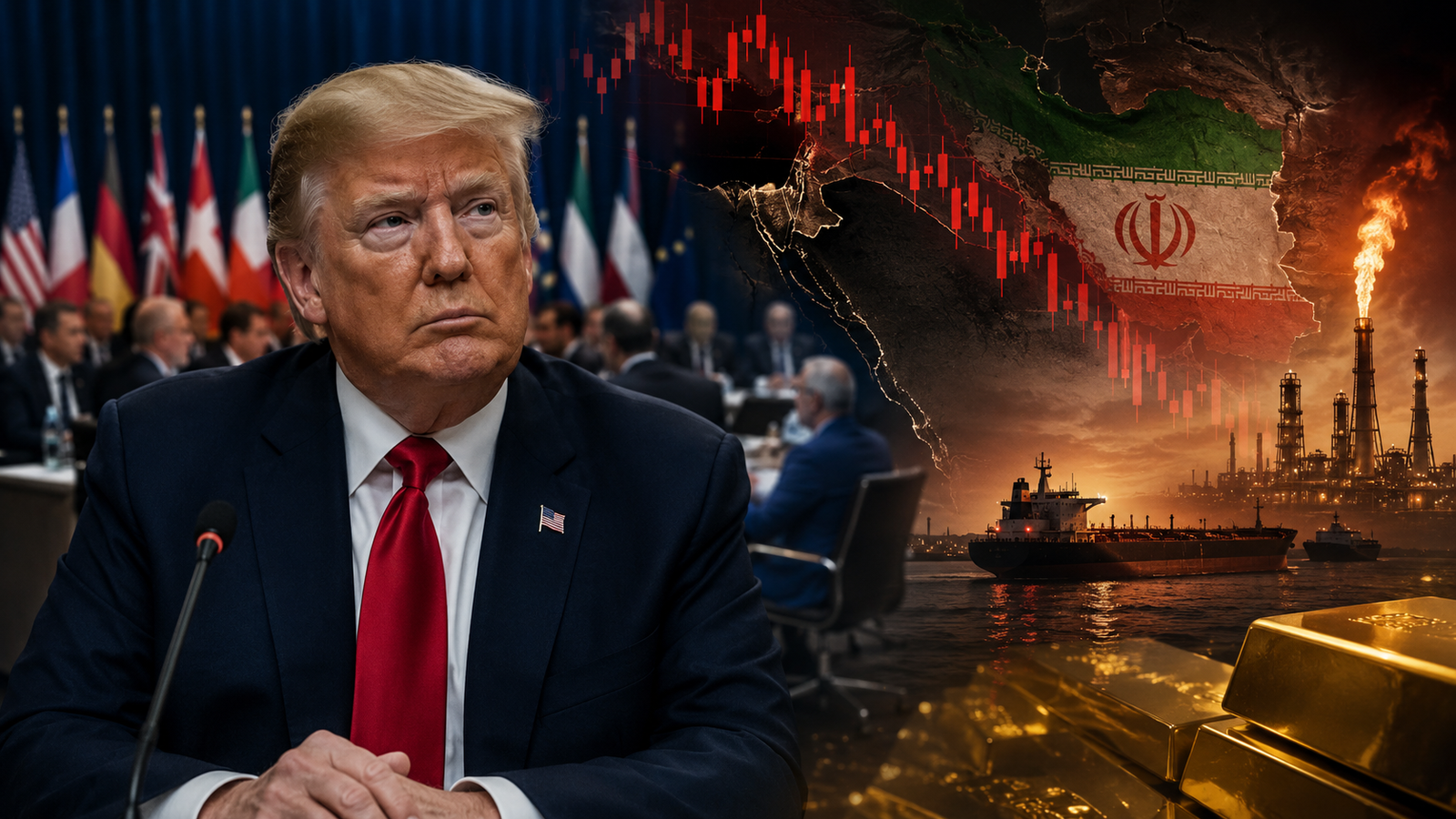
The market’s biggest risk today is not coming from an earnings miss, a Federal Reserve speech, or a surprise economic data point. It is coming from one of the world’s most important energy chokepoints: the Strait of Hormuz. As the U.S. pushes to reopen maritime traffic through the waterway and Iran warns against foreign interference, investors are confronting a familiar but powerful market threat—oil-driven inflation.
U.S. and global markets showed signs of stabilization Tuesday after Monday’s selloff, but the rebound remains fragile. Oil prices eased from their latest spike, yet they remain elevated enough to keep Wall Street focused on energy costs, bond yields, and inflation expectations. AP reported that global markets were mixed Tuesday while crude prices retreated after the latest flare-up in Iran tensions, with Brent near $112.14 and U.S. benchmark crude around $103.34.
For investors, the Strait of Hormuz crisis is not just a geopolitical headline. It is a direct market transmission channel. If oil stays high, energy companies may benefit, but airlines, transportation firms, consumer stocks, and rate-sensitive growth names could come under pressure.
Why Hormuz Is the Market’s Political Risk Center
The Strait of Hormuz is one of the most strategically important shipping lanes in the world. Barron’s reported that the waterway handles roughly 20% of global oil shipments, making any disruption a potential shock to energy markets.
That single statistic explains why investors are watching every military, diplomatic, and shipping update from the Gulf. When the Strait is calm, oil markets can focus on supply, demand, inventories, and OPEC policy. When the Strait is threatened, the market has to price in a geopolitical risk premium that can affect nearly every asset class.
The latest crisis intensified after the U.S. began efforts to guide ships through the Strait under a maritime security initiative. CBS News reported that President Donald Trump announced an effort to guide ships from countries not involved in the Iran conflict safely out of the Strait, with the operation set to begin Monday, May 4. Iranian officials warned that U.S. interference in the new maritime regime would be viewed as a ceasefire violation.
That is why the situation matters so much to investors. Even a limited disruption can lift oil prices. A prolonged disruption could alter inflation expectations, pressure central banks, and create sector-wide winners and losers.
Oil Is the Market’s Transmission Channel
Oil is the easiest way for a political crisis to become an economic crisis. Higher crude prices can feed into gasoline, diesel, jet fuel, shipping, logistics, chemicals, plastics, agriculture, and consumer goods. That means a conflict in the Gulf can quickly become a margin problem for companies and a purchasing-power problem for households.
The Wall Street Journal reported that oil prices eased Tuesday but remained high amid escalating tensions in the Strait. Brent crude for July delivery fell 1% to $113.24 a barrel, while WTI futures for June dropped 2.3% to $104.10. The same report said tensions had discouraged ship owners from using the strategic waterway and that the UAE confirmed a strike at the Fujairah oil terminal, which supports about 1.9 million barrels per day in exports.
Those levels are still high enough to keep inflation concerns alive. Investors may welcome a daily decline in crude, but the bigger issue is whether oil remains structurally elevated. If WTI holds above $100 and Brent remains above $110, markets may begin pricing a more persistent inflation shock.
This is especially important because inflation has been one of the defining variables for equity valuations. Higher energy prices can reduce the odds of interest-rate cuts and increase the risk that central banks stay restrictive for longer. That tends to pressure long-duration growth stocks, small caps, and highly leveraged companies.
Wall Street’s Rebound Is Conditional
Tuesday’s market stabilization should not be mistaken for confidence that the crisis is over. AP reported that global financial markets were mixed, with oil prices retreating after prior gains, while investors continued to monitor the U.S.-Iran situation.
The market is effectively weighing two forces. On one side, investors still have reasons to buy equities: strong AI-related earnings, resilient corporate profits, and continued momentum in large-cap technology. On the other side, a prolonged Hormuz disruption could raise energy costs enough to weaken margins, lift inflation expectations, and complicate the Federal Reserve’s policy path.
That balance makes the current rebound vulnerable. If oil continues easing and shipping conditions improve, investors may rotate back into risk assets. If Iran escalates attacks, shipping companies avoid the Strait, or U.S. escorts face new threats, markets may quickly return to defensive positioning.
Barron’s reported that despite attempts by President Trump to minimize concerns, oil prices remained high due to U.S.-Iran tensions over shipping disruptions. The report cited Brent at $114.24 and WTI at $105.09, with the price spike following Iranian actions against American warships and international shipping.
Sector Winners: Energy, Defense and Gold
The most direct beneficiaries of a sustained oil-risk premium are energy companies. Integrated oil majors, exploration and production firms, pipeline operators, liquefied natural gas companies, and oilfield services providers can benefit when crude prices rise. Higher oil prices can improve upstream cash flow, support dividends, and make energy equities more attractive relative to sectors facing margin pressure.
Defense stocks may also draw investor interest. Maritime security operations, regional military deployments, missile-defense systems, drones, surveillance technology, and naval readiness all become more important during a Gulf security crisis. For investors, defense exposure can function as both a geopolitical hedge and a long-term government-spending theme.
Gold is another asset to watch. Safe-haven demand often increases during geopolitical shocks, especially when investors are uncertain about the direction of oil, inflation, and currencies. Gold miners may benefit from higher bullion prices, though mining equities carry operating and cost risks that bullion itself does not.
Sector Losers: Airlines, Transport, Consumers and Rate-Sensitive Growth
The companies most exposed to high oil prices are those with fuel-heavy cost structures. Airlines are obvious examples because jet fuel can materially affect profitability. Trucking companies, parcel delivery firms, cruise operators, shipping companies, and logistics providers can also face cost pressure if fuel prices remain elevated.
Consumer discretionary companies may come under pressure if gasoline prices rise enough to reduce household spending. Retailers, restaurants, travel companies, and leisure stocks can all be affected if consumers shift more income toward energy costs.
Rate-sensitive growth stocks face a different risk. If oil-driven inflation keeps Treasury yields high, investors may reduce exposure to companies whose valuations depend heavily on future earnings. That could pressure high-multiple technology, software, fintech, and speculative growth names even if their underlying business trends remain healthy.
This is why the Strait of Hormuz crisis matters beyond the energy sector. It can change the discount rate for the entire market.
What Investors Should Watch Next
The first indicator is crude oil itself. Investors should monitor whether WTI stays above $100 and whether Brent holds above $110. A sustained move above those levels could keep inflation risk at the center of market strategy.
The second indicator is shipping activity. If commercial ships resume safer passage through the Strait, the oil-risk premium could decline. If ship owners continue avoiding the waterway, or if attacks continue around Gulf energy infrastructure, prices may remain elevated.
The third indicator is U.S.-Iran diplomacy. ABC News reported that the Trump administration has sought international participation in a coalition to help reopen the Strait, described in a State Department cable as a “Maritime Freedom Construct.” A broader coalition could support shipping confidence, but it could also increase the risk of confrontation if Iran views the effort as a ceasefire violation.
The fourth indicator is central-bank reaction. If higher oil prices start influencing inflation expectations, investors may need to reassess rate-cut assumptions, bond yields, and equity multiples.
Key Investment Insight
The key investment takeaway is that the Hormuz crisis creates a classic barbell environment. Investors may want exposure to market upside through quality equities, AI leaders, and companies with strong earnings momentum, while also holding hedges in energy, gold, defense, and cash-flow-resilient businesses.
This is not an environment for chasing risk blindly. The market can rally if oil eases, but geopolitical risk remains unresolved. Investors should focus on companies with pricing power, strong balance sheets, durable cash flow, and limited sensitivity to fuel costs.
Energy equities may continue outperforming if crude remains elevated, while airlines, transport, and consumer discretionary names could remain vulnerable. Technology and growth stocks can still lead if earnings are strong, but they need stable yields and contained oil prices to sustain premium valuations.
The Bottom Line for Investors
The U.S.-Iran Strait of Hormuz crisis is the day’s most important political risk because it connects geopolitics directly to oil, inflation, interest rates, and equity valuations. The market’s rebound shows investors are not abandoning risk assets, but the tone remains cautious because the oil shock has not fully disappeared.
For now, oil is the transmission channel. If the Strait stabilizes, Wall Street may return its focus to earnings, AI momentum, and rate expectations. If the crisis deepens, investors should prepare for renewed volatility, defensive sector rotation, and broader inflation concerns.