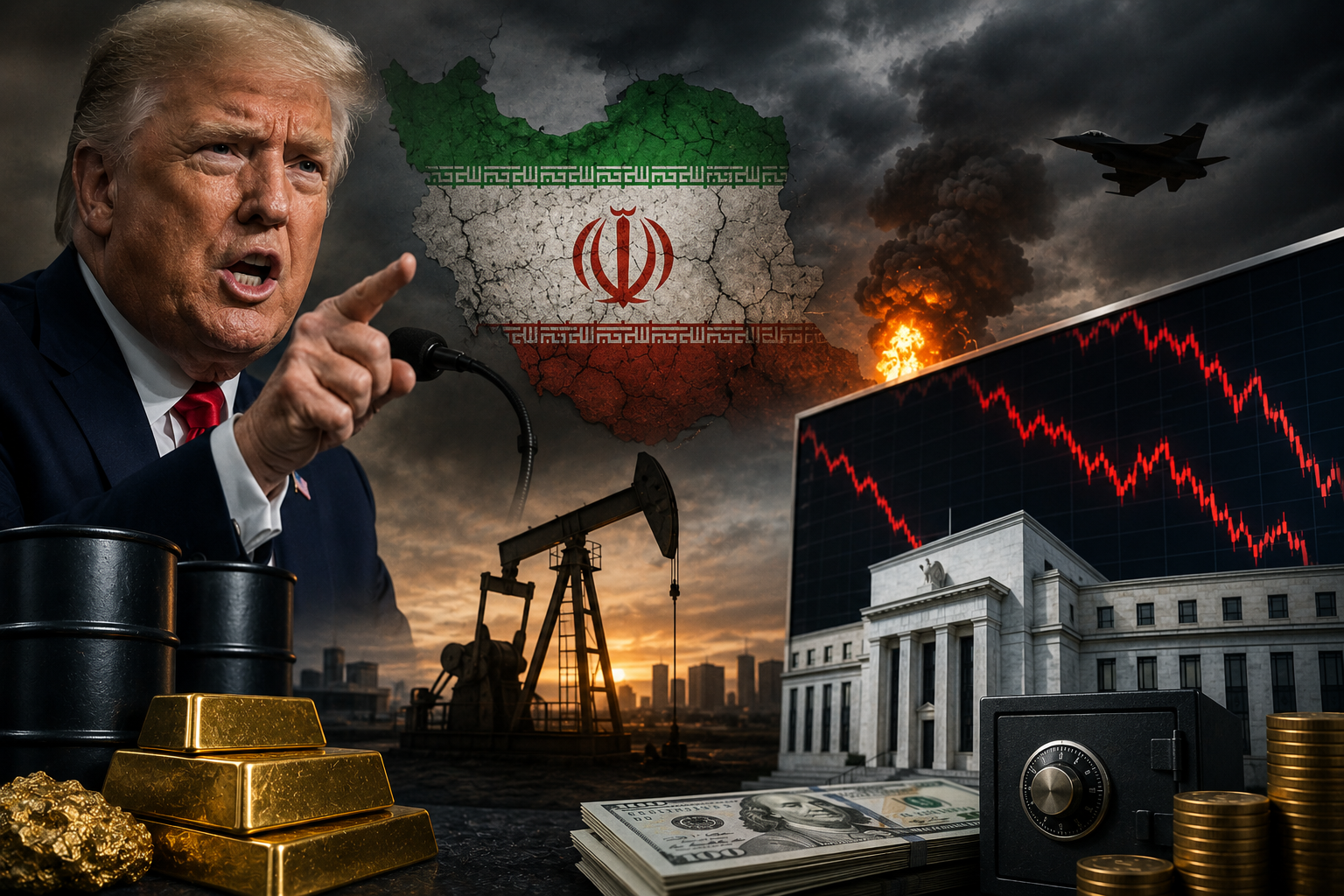
Global markets are once again being driven as much by geopolitics as by corporate earnings and economic data. As ongoing negotiations between the United States and Iran continue to evolve, investors across Wall Street are closely monitoring the potential implications for oil prices, inflation expectations, global shipping routes, and broader market stability.
The stakes are significant. Any major shift in U.S.-Iran relations could directly influence crude oil supply, Middle East security dynamics, global trade flows, and central bank policy expectations at a time when financial markets are already navigating elevated inflation concerns and rising Treasury yields.
In recent weeks, energy markets have become increasingly sensitive to headlines surrounding diplomatic discussions, sanctions enforcement, and regional military developments. According to Reuters and the Los Angeles Times, traders are assessing whether negotiations could ease tensions and stabilize oil markets — or whether a breakdown in diplomacy could intensify supply risks across one of the world’s most strategically important energy corridors.
For investors, the geopolitical backdrop is becoming impossible to ignore.
From equities and bonds to commodities and currencies, nearly every major asset class is now responding to geopolitical developments alongside traditional economic indicators. As a result, portfolio strategy in 2026 is increasingly requiring not only financial analysis, but also geopolitical awareness.
Why U.S.-Iran Relations Matter to Financial Markets
The importance of U.S.-Iran negotiations extends far beyond diplomacy.
Iran sits at the center of one of the world’s most critical energy-producing regions, and developments involving Tehran can rapidly impact global oil markets, shipping security, and inflation expectations.
One of the key areas investors are monitoring is the Strait of Hormuz — the narrow waterway through which a substantial portion of global oil shipments pass every day. Any escalation involving shipping disruptions or military tensions in the region could significantly affect crude oil prices within hours.
Even the possibility of instability can influence market sentiment.
Energy traders remain highly sensitive to:
- Sanctions policy changes
- Military activity in the Persian Gulf
- Oil export restrictions
- Shipping lane security
- OPEC production decisions
- Diplomatic developments between Washington and Tehran
According to analysts cited by Reuters, the market is increasingly pricing geopolitical risk premiums into oil prices as uncertainty surrounding regional stability persists.
This matters because oil prices directly affect inflation across the global economy.
Higher crude prices can increase transportation costs, manufacturing expenses, airline fuel costs, consumer energy bills, and food prices — all of which influence inflation data closely watched by central banks and investors alike.
Oil Prices Are Becoming a Major Inflation Variable Again
One of the biggest concerns for investors is that rising geopolitical tensions could undermine recent progress on inflation.
Over the past year, markets had grown more optimistic that inflation was gradually moderating enough to allow the Federal Reserve to begin easing monetary policy. However, renewed energy market volatility is now threatening to complicate that outlook.
If oil prices remain elevated or surge higher due to geopolitical instability, inflationary pressures could persist longer than expected.
This creates a difficult environment for central banks.
The Federal Reserve has repeatedly emphasized that inflation risks remain a concern despite improvements in several economic indicators. Higher energy costs could potentially delay interest rate cuts or force policymakers to maintain restrictive monetary policy for longer than markets currently anticipate.
That possibility is already influencing bond markets.
Treasury yields have remained elevated as investors reassess inflation expectations and future Federal Reserve policy. Rising yields are also placing additional pressure on equity valuations, particularly in high-growth sectors such as technology and artificial intelligence.
As a result, U.S.-Iran negotiations are no longer viewed solely as a geopolitical story — they are increasingly becoming a macroeconomic and market-moving event.
Energy Markets and Defense Stocks React to Geopolitical Risk
The geopolitical environment is also reshaping sector performance across equity markets.
Energy stocks have experienced renewed investor interest as crude prices remain sensitive to Middle East developments. Companies tied to oil production, refining, liquefied natural gas (LNG), and energy infrastructure may benefit from prolonged supply concerns or tighter global energy markets.
At the same time, defense-related companies are attracting increased attention as governments worldwide continue boosting military spending amid growing geopolitical instability.
Defense contractors involved in missile systems, cybersecurity, surveillance technologies, naval operations, and aerospace systems may continue seeing elevated demand if geopolitical tensions persist.
Investors are also watching shipping and logistics sectors closely.
Disruptions to key global shipping routes can create ripple effects throughout supply chains, influencing freight costs, manufacturing timelines, commodity flows, and corporate profit margins.
For multinational corporations, geopolitical uncertainty is becoming an increasingly important operational and financial risk factor.
Why This Matters for Investors
The current environment highlights a major shift occurring across financial markets: geopolitics is regaining influence over global asset pricing.
For much of the past decade, markets were primarily driven by low interest rates, central bank liquidity, and technology growth. Today, however, geopolitical developments are playing a far larger role in shaping investor sentiment and economic forecasts.
Several interconnected risks are emerging simultaneously:
Inflation Persistence
Higher oil prices could slow the disinflation process and complicate central bank policy decisions.
Interest Rate Uncertainty
If inflation remains elevated, the Federal Reserve may keep rates higher for longer, influencing both equity and bond valuations.
Supply Chain Vulnerability
Global shipping disruptions or sanctions-related trade restrictions could impact manufacturing and industrial sectors worldwide.
Commodity Market Volatility
Energy, metals, and agricultural commodities remain highly sensitive to geopolitical developments.
Global Risk Sentiment
Periods of geopolitical instability often increase market volatility and trigger risk-off investor behavior.
For investors, this creates a more complex macroeconomic environment where geopolitical analysis is becoming just as important as earnings reports and economic data.
Future Trends Investors Should Watch
Several major developments could influence market direction through the remainder of 2026.
Oil Market Volatility
Crude oil prices are likely to remain highly sensitive to diplomatic developments, sanctions policy, and regional security conditions.
Federal Reserve Policy
Investors should monitor whether energy-driven inflation pressures alter expectations surrounding future interest rate cuts.
Defense Spending Growth
Global geopolitical tensions may continue supporting increased military and cybersecurity spending across the U.S. and allied nations.
Shipping and Supply Chains
Trade routes and logistics infrastructure could become increasingly important investment themes if geopolitical instability affects global commerce.
Safe-Haven Assets
Gold, U.S. Treasuries, and defensive sectors may continue attracting investor demand during periods of elevated uncertainty.
Key Investment Insight
Geopolitical developments are once again becoming central drivers of market behavior, and investors may need to adapt portfolio strategies accordingly.
Energy markets and inflation expectations are now highly sensitive to developments surrounding U.S.-Iran negotiations, Middle East stability, and global shipping security. This creates potential risks — but also opportunities — across commodities, energy equities, defense contractors, infrastructure providers, and safe-haven assets.
Investors should closely monitor crude oil volatility, Federal Reserve commentary, Treasury yields, and sectors exposed to global supply chain disruptions. Maintaining diversified exposure across both growth-oriented and defensive assets may become increasingly important if geopolitical risks continue intensifying.
At the same time, companies tied to energy infrastructure, defense technologies, industrial resilience, and commodity production could remain strategically positioned in a more uncertain global environment.
As financial markets navigate the intersection of geopolitics, inflation, and monetary policy, staying informed may become one of the most valuable advantages investors can have.
Stay ahead of the latest market-moving geopolitical and financial developments with MoneyNews.Today, your trusted source for daily investor insights, breaking financial news, and actionable market analysis.