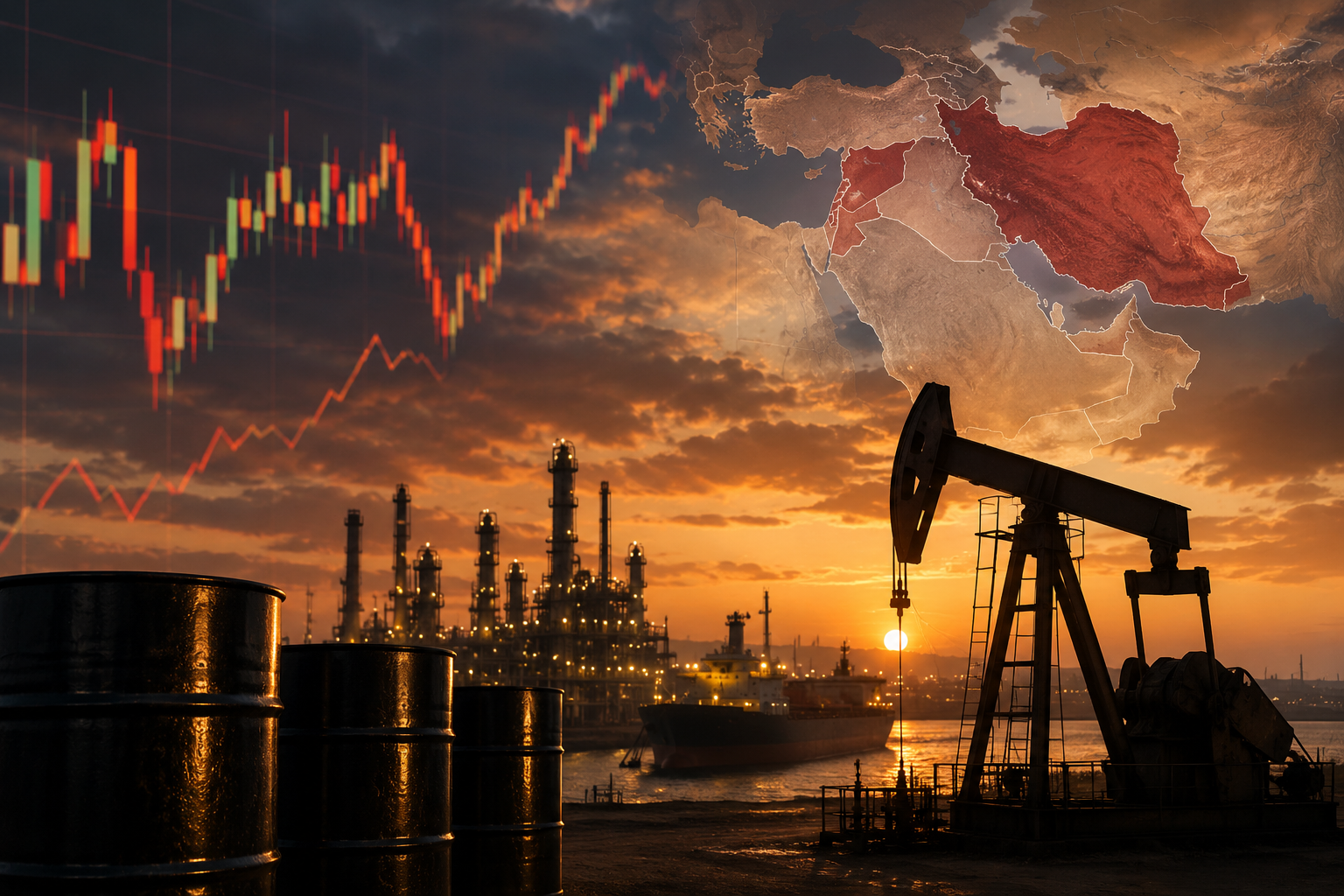
Just as investors were becoming increasingly focused on artificial intelligence, corporate earnings, and expectations for lower interest rates, geopolitical risk has returned to the forefront of global markets.
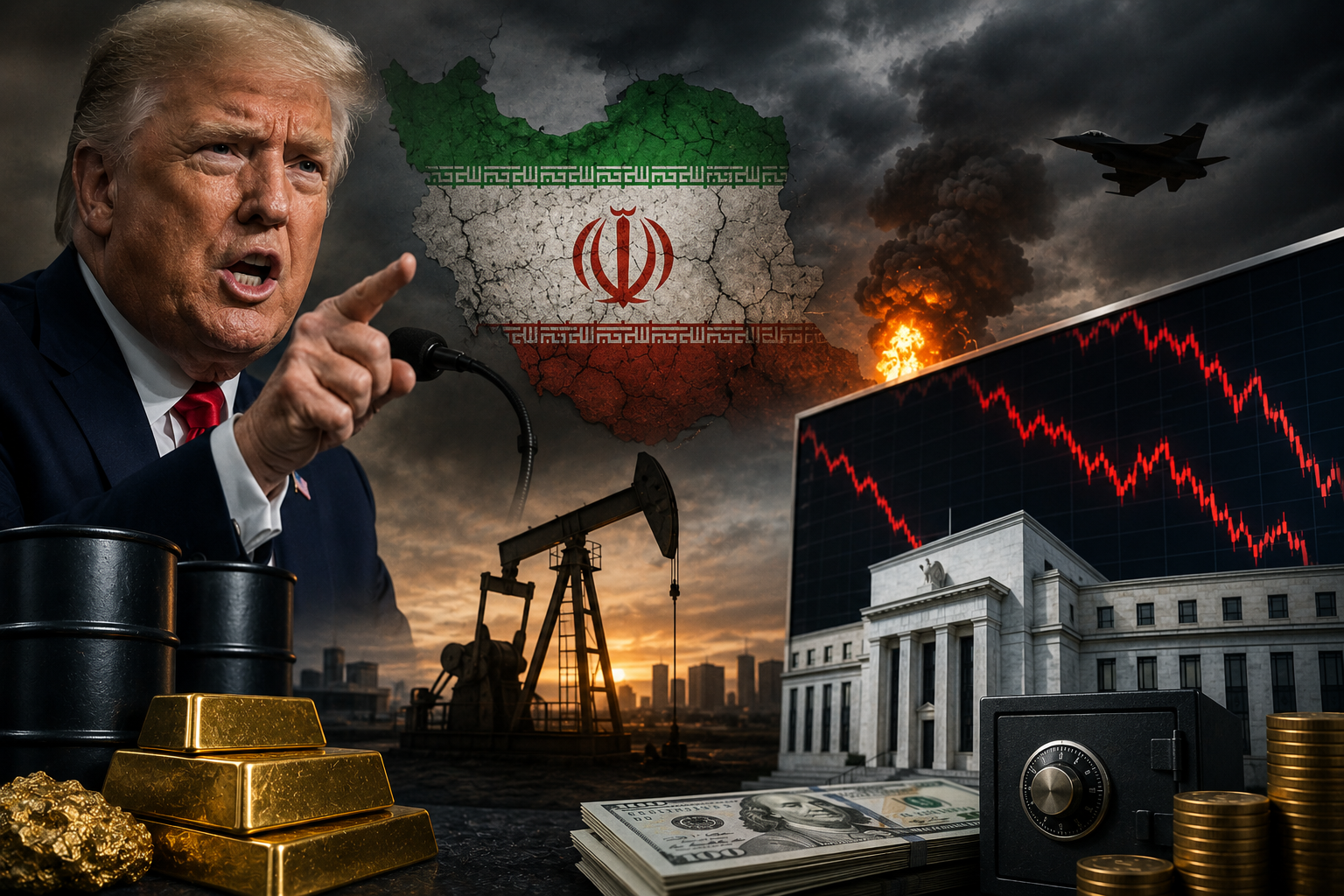
Renewed tensions involving Israel, Lebanon, Iran, and ongoing U.S. diplomatic efforts have once again placed the Middle East at the center of investor attention. Oil prices have moved higher amid concerns about potential supply disruptions, while traders are reassessing the implications for inflation, central bank policy, and global economic growth.
According to Reuters, geopolitical developments across the region have become a major focus for investors as energy markets react to uncertainty surrounding one of the world’s most strategically important areas for oil production and transportation. While no major supply interruption has occurred, markets are increasingly pricing in the possibility that escalating tensions could affect energy flows, shipping routes, or regional stability.
For investors, the situation represents a reminder that geopolitical events remain one of the most powerful external forces capable of reshaping market sentiment, influencing inflation expectations, and altering the trajectory of monetary policy.
Why the Middle East Still Matters to Global Markets
The Middle East remains a critical component of the global energy system despite years of efforts to diversify energy sources.
The region accounts for a significant share of global crude oil production and contains some of the world’s most important energy transportation corridors. Any threat to supply infrastructure, export facilities, or shipping routes can quickly influence commodity prices and investor sentiment.
Historically, periods of heightened geopolitical tension in the region have often resulted in increased oil price volatility. Markets typically respond not only to actual disruptions but also to the perceived risk of future disruptions.
That dynamic is playing out once again.
Investors are closely monitoring developments involving Israel, Iran, Lebanon, and regional diplomatic efforts because even a modest reduction in supply expectations can affect energy pricing worldwide.
For global markets already navigating inflation concerns and uncertain economic conditions, rising oil prices introduce another layer of complexity.
Oil Prices and Inflation Expectations Are Becoming Linked Again
One of the most important implications of higher energy prices is their impact on inflation.
Over the past several years, central banks have worked aggressively to bring inflation under control following the post-pandemic surge in consumer prices. While inflation has moderated significantly in many economies, policymakers remain cautious about declaring victory.
Energy prices play a central role in this equation.
Oil influences transportation costs, manufacturing expenses, logistics networks, and consumer spending patterns. When crude prices rise substantially, the effects often spread throughout the economy.
Economists frequently refer to this as a second-order inflation effect. Higher fuel costs increase operating expenses for businesses, which may ultimately pass those costs on to consumers.
As a result, investors are increasingly concerned that sustained strength in oil prices could slow progress toward inflation targets.
This concern is particularly relevant for financial markets that have been anticipating additional monetary easing from major central banks.
What It Means for Federal Reserve Policy
Perhaps the most significant investor concern involves the Federal Reserve.
Markets have spent much of the year pricing in the possibility of additional interest rate cuts as inflation moderates and economic growth stabilizes. Lower rates generally support equities, improve financing conditions, and increase investor appetite for risk assets.
However, rising energy prices could complicate that outlook.
Federal Reserve officials closely monitor inflation indicators when determining policy decisions. If higher oil prices contribute to renewed inflationary pressures, policymakers may become more cautious about implementing future rate cuts.
This creates a challenging environment for investors.
On one hand, economic growth remains relatively resilient. On the other hand, elevated energy prices could delay the policy easing that many market participants have been expecting.
The interaction between energy markets and monetary policy is likely to become one of the most closely watched themes in the coming months.
Why Certain Sectors Could Experience Increased Volatility
Not all industries respond to geopolitical developments in the same way.
Historically, rising oil prices have created both winners and losers across financial markets.
Energy companies often benefit from higher crude prices because increased commodity prices can support revenue and profitability. Integrated oil producers, exploration firms, and energy infrastructure operators frequently attract investor interest during periods of rising energy prices.
Defense companies may also benefit when geopolitical tensions increase. Governments often reassess security priorities and military spending plans during periods of heightened uncertainty.
Conversely, transportation and logistics companies can face challenges when fuel costs rise. Airlines, shipping firms, trucking operators, and other transportation-intensive businesses often experience margin pressure if higher energy costs cannot be fully passed on to customers.
Consumer-facing sectors may also face headwinds if rising fuel expenses reduce discretionary spending.
For investors, understanding these sector-specific dynamics can be critical when evaluating portfolio risk and opportunity.
Market Sentiment and the Return of Geopolitical Risk
One notable feature of recent market behavior is how quickly investor focus can shift.
Earlier this year, discussions were dominated by artificial intelligence, technology earnings, and corporate growth opportunities. While those themes remain important, geopolitical developments have reminded investors that market narratives can change rapidly.
Geopolitical risk often influences markets through uncertainty rather than direct economic damage.
When investors become uncertain about future outcomes, they tend to demand higher risk premiums. This can contribute to increased volatility across equities, commodities, currencies, and fixed-income markets.
Institutional investors are therefore paying close attention not only to developments in the Middle East but also to how markets respond to those developments.
The reaction itself can sometimes be as important as the underlying event.
Future Trends to Watch
Several key indicators could help investors assess how this situation evolves.
The first is crude oil pricing. Sustained increases in benchmark oil prices would likely reinforce inflation concerns and increase pressure on policymakers.
Second, investors should closely monitor inflation reports from major economies. Any signs that energy costs are contributing to broader inflationary pressures could influence interest rate expectations.
Third, developments involving diplomatic negotiations and regional security will remain critical. Markets generally respond positively to signs of de-escalation and negatively to indications of expanding conflict.
Fourth, transportation and industrial activity deserve attention. Rising energy costs can influence corporate earnings across numerous sectors, making future earnings reports particularly important.
Finally, central bank communications will remain a key source of market direction. Investors will be looking for clues regarding how policymakers view energy-related inflation risks.
Why Long-Term Investors Should Pay Attention
Although geopolitical events often create short-term volatility, their long-term implications can be significant.
Periods of elevated geopolitical uncertainty frequently accelerate broader trends, including energy diversification, infrastructure investment, supply chain reshoring, and defense spending. These structural shifts can create investment opportunities that extend well beyond immediate market reactions.
Investors who focus solely on daily headlines may miss the larger economic and strategic changes unfolding beneath the surface.
Understanding how geopolitical developments influence inflation, policy decisions, and sector performance can provide valuable context for long-term portfolio positioning.
Key Investment Insight
The return of Middle East tensions as a major market driver underscores the interconnected nature of global investing. Rising oil prices are no longer just an energy story—they are increasingly influencing inflation expectations, Federal Reserve policy forecasts, corporate earnings outlooks, and overall market sentiment.
Investors should closely monitor crude oil prices, inflation data, central bank communications, and geopolitical developments in the coming weeks. Energy producers, defense contractors, and select infrastructure companies could benefit from ongoing uncertainty, while transportation and consumer-focused sectors may face additional volatility if fuel costs continue rising.
For investors seeking timely analysis of the political, economic, and market forces shaping global opportunities, stay connected with MoneyNews.Today for daily insights, expert commentary, and actionable coverage of the stories that matter most to your portfolio.