The artificial intelligence trade has become the single most important force driving U.S. equity markets in 2026 — and now investors are approaching a critical moment that could determine whether the rally continues or begins to crack under pressure.
With Nvidia at the center of the AI boom, upcoming earnings from semiconductor giants, cloud hyperscalers, and enterprise software companies are shaping up to be Wall Street’s biggest test this quarter. Investors are no longer simply rewarding companies for mentioning AI in earnings calls; they are demanding proof that massive spending on AI infrastructure is translating into sustainable revenue growth and long-term profitability.
The stakes are especially high because the broader market rally has become increasingly concentrated around AI-linked names. According to Reuters market analysis, Nvidia’s historic rise has helped fuel gains across the Nasdaq and broader technology sector, while companies tied to data centers, cloud computing, and advanced semiconductors continue attracting enormous investor attention. However, rising Treasury yields and renewed inflation concerns are beginning to pressure valuations, creating a more fragile environment for growth stocks.
For investors, the next wave of AI earnings may determine whether the market’s enthusiasm remains justified — or whether expectations have simply climbed too high.
AI Spending Has Become the Market’s Core Growth Engine
The current market environment increasingly resembles a modern version of previous technology supercycles, where one dominant innovation theme drives capital flows across multiple sectors simultaneously. In this case, artificial intelligence infrastructure spending has become the backbone of investor optimism.
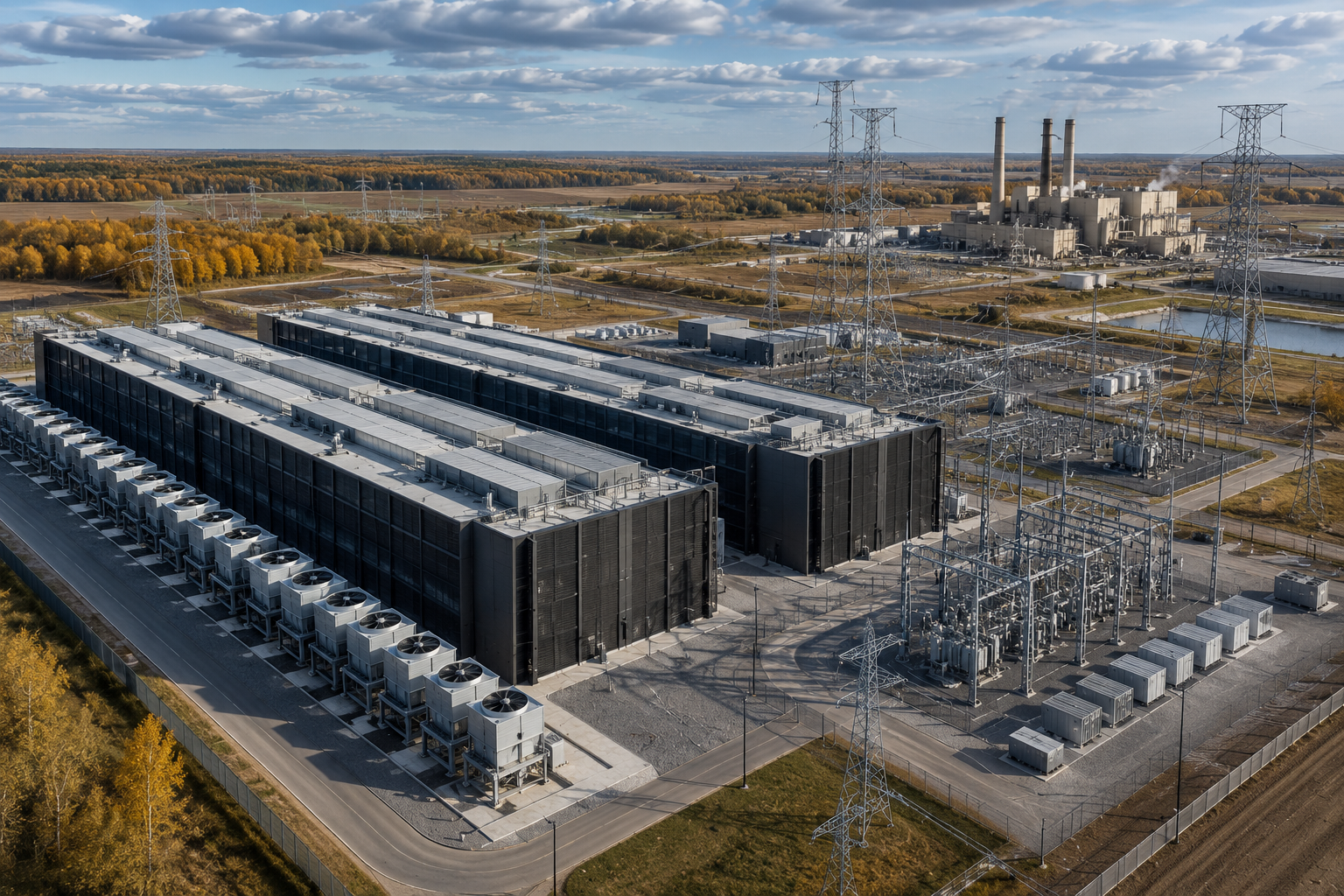
Nvidia remains the clearest symbol of that trend. The company’s dominance in AI accelerators and advanced GPUs has transformed it into one of the world’s most valuable companies, while hyperscalers including Microsoft, Amazon, Alphabet, and Meta continue allocating billions toward AI data center expansion.
According to Reuters and analyst commentary from major Wall Street firms, enterprise AI demand remains exceptionally strong, particularly in generative AI applications, inference computing, and large-scale cloud infrastructure. Corporate executives across industries are increasingly framing AI investment as a necessity rather than an optional growth initiative.
That narrative has fueled extraordinary capital expenditures throughout the technology sector. Microsoft recently reiterated aggressive AI infrastructure investment plans, while Alphabet and Amazon continue expanding data center capacity to meet growing enterprise demand.
For investors, the most important question is no longer whether AI adoption is happening — it clearly is. The real debate is whether the current level of spending can remain sustainable as macroeconomic pressures intensify.
Why Nvidia’s Earnings Matter Beyond Nvidia
Nvidia’s earnings reports now carry implications far beyond the semiconductor industry itself. The company has effectively become a barometer for overall AI momentum across global markets.
A strong Nvidia report could reinforce confidence in continued enterprise AI adoption, helping support valuations across semiconductors, cloud software, cybersecurity, networking infrastructure, and even power generation companies tied to expanding data center demand.
But the opposite is also true.
If Nvidia shows signs of slowing order growth, delayed enterprise deployments, shrinking margins, or weaker guidance, the impact could ripple through the entire technology sector. Investors have priced in extraordinary growth assumptions, leaving little room for disappointment.
This concentration risk has become increasingly visible in market performance. Much of the S&P 500’s gains in recent quarters have been driven by a relatively small group of AI-linked mega-cap technology stocks. That dynamic creates vulnerability if sentiment shifts.
Analysts at several major investment banks have warned that current valuations increasingly depend on flawless execution from AI leaders. In many cases, companies are trading at premium multiples based on expectations of future AI monetization that may still take years to fully materialize.
That creates a delicate balancing act for investors. AI remains one of the most transformative technological shifts in decades, but markets are beginning to scrutinize whether current pricing accurately reflects realistic earnings growth timelines.
Rising Bond Yields Are Becoming a Major Threat
While AI enthusiasm continues driving capital into technology equities, macroeconomic conditions are becoming less supportive.
U.S. Treasury yields have climbed again amid persistent inflation concerns and rising oil prices tied to geopolitical tensions. Reuters market reports noted that higher yields have recently pressured high-growth technology stocks, particularly those trading at elevated valuations.
This matters because growth stocks are especially sensitive to interest rates. Higher yields reduce the present value of future earnings, which can compress valuations even for fundamentally strong companies.
The combination of AI optimism and macroeconomic uncertainty is creating one of the market’s most complex investing environments in years.
On one hand, investors fear missing exposure to what many view as a once-in-a-generation technology transformation. On the other hand, higher borrowing costs and sticky inflation create legitimate concerns about whether current market multiples remain sustainable.
This tension explains why upcoming earnings calls may carry unusual importance. Investors will be closely watching not only revenue growth, but also commentary around future AI spending, customer demand visibility, and capital expenditure trends.
Any indication that hyperscalers are slowing AI infrastructure expansion could quickly reshape market sentiment.
Enterprise Adoption Is the Next Critical Phase
One of the biggest debates among analysts involves the transition from AI experimentation to enterprise-wide monetization.
Many corporations have already begun integrating generative AI tools into workflows, customer service systems, software development, cybersecurity, and productivity platforms. However, investors increasingly want evidence that these deployments are generating measurable returns on investment.
Research from consulting firms including McKinsey and Gartner has suggested that enterprise AI adoption could add trillions of dollars in economic value over the coming decade. Yet adoption curves rarely move in straight lines.
Some investors worry that corporations may eventually become more selective about AI spending if economic growth slows or financing costs remain elevated. Others argue that AI productivity gains are becoming so strategically important that spending will remain resilient regardless of macroeconomic conditions.
That distinction could become one of the defining investment themes of the second half of 2026.
Companies able to demonstrate real AI monetization — rather than simply AI-related spending — may begin separating themselves from speculative AI narratives that lack sustainable business models.
Semiconductor Supply Chains Remain a Strategic Focus
Another major theme investors are monitoring is the growing geopolitical importance of semiconductor manufacturing and AI supply chains.
Governments across North America and Europe continue supporting domestic chip production through industrial policy initiatives aimed at reducing reliance on overseas manufacturing. Apple’s expanding U.S. manufacturing partnerships and ongoing investments tied to semiconductor infrastructure highlight the broader trend toward reshoring critical technologies.
For semiconductor companies, this creates both opportunities and risks.
Domestic manufacturing expansion could support long-term capital investment cycles, benefiting equipment suppliers, automation firms, and materials providers. At the same time, geopolitical tensions involving China, Taiwan, and trade restrictions continue creating uncertainty for global semiconductor supply chains.
Investors should expect semiconductor policy, export controls, and AI-related trade regulations to remain major market-moving catalysts throughout 2026.
Key Investment Insight
Artificial intelligence remains the dominant structural growth theme in global markets, but investors are entering a phase where execution matters more than narrative momentum.
The next earnings cycle will likely reveal whether hyperscalers and enterprises remain committed to aggressive AI infrastructure spending despite rising rates and inflation pressures. Investors should closely monitor guidance from Nvidia, Microsoft, Amazon, Alphabet, and other AI leaders for signs of sustained capital expenditure growth.
Semiconductors, cloud infrastructure, power management, cooling technologies, and cybersecurity remain among the most attractive long-term AI investment themes. However, elevated valuations also increase downside risks if spending growth slows unexpectedly.
The market’s AI trade is no longer being judged solely on potential — it is now being tested on measurable financial performance.
Stay with MoneyNews.Today for more daily investor insights, market analysis, and breaking financial news shaping global markets.