The artificial intelligence trade is once again driving global markets higher, reinforcing Wall Street’s belief that AI remains the most powerful investment theme of the decade. Semiconductor stocks surged this week as investor enthusiasm accelerated following renewed speculation that OpenAI may be positioning itself for a future IPO, while major AI-linked companies including NVIDIA Corporation, Arm Holdings, and SoftBank Group posted sharp gains amid growing confidence in long-term AI infrastructure demand.
The rally comes as global investors continue pouring capital into the companies building the backbone of artificial intelligence — from AI chips and cloud infrastructure to data centers, networking hardware, and advanced computing systems. According to reports from Bloomberg, Reuters, MarketWatch, and Business Insider, SoftBank alone added approximately $61 billion in market value over just two trading sessions as optimism surrounding AI investments intensified.
The market reaction highlights a broader reality investors are increasingly recognizing: AI is no longer a niche technology story. It has become a macroeconomic force reshaping capital spending, corporate strategy, and equity market leadership across nearly every sector.
AI Momentum Continues to Dominate Wall Street
The latest rally extends a trend that has defined global equities for more than two years. AI-related companies have consistently outperformed broader markets as enterprises race to adopt generative AI technologies and governments prioritize AI competitiveness as a strategic national objective.
At the center of the rally remains NVIDIA Corporation, whose chips continue powering the majority of advanced AI training and inference systems worldwide. Nvidia’s explosive revenue growth has transformed the company into one of the most influential firms in global markets, with its valuation becoming a key driver of the Nasdaq and broader technology indexes.
The renewed enthusiasm was amplified by reports suggesting that OpenAI could eventually move toward a public offering, although no formal IPO timeline has been announced. Investors view OpenAI as one of the defining companies of the AI era due to the widespread adoption of ChatGPT and its growing influence across enterprise software, cloud computing, and digital productivity tools.
OpenAI’s expanding partnerships with major technology firms have further fueled speculation surrounding the scale of future AI monetization opportunities. The company’s relationships with Microsoft Corporation, Nvidia, and cloud infrastructure providers are increasingly seen as central pillars of the next-generation digital economy.
Why the AI Trade Is Expanding Beyond Software
One of the most important developments in the current AI cycle is the shift away from purely software-driven optimism toward infrastructure-focused investment themes.
During the early stages of the AI boom, investors concentrated primarily on companies developing large language models and consumer-facing AI applications. Today, however, institutional capital is increasingly flowing toward the physical infrastructure required to support AI at scale.
This includes:
- Semiconductor manufacturers
- Cloud computing providers
- Data center operators
- Networking hardware firms
- Cooling and power management companies
- Utilities supporting AI power demand
- Advanced memory and storage suppliers
According to Bloomberg and McKinsey research, hyperscale AI infrastructure spending could reach hundreds of billions of dollars annually over the next several years as demand for computing capacity accelerates.
This shift explains why companies tied to the broader AI ecosystem — not just software developers — have become some of the market’s strongest performers.
For example, Arm Holdings has benefited from expectations that energy-efficient chip architecture will play a growing role in AI deployment. Meanwhile, SoftBank’s substantial exposure to AI startups and semiconductor investments has repositioned the company as one of the largest indirect beneficiaries of global AI expansion.
Investors Are Betting on an AI Capital Spending Supercycle
Wall Street analysts increasingly describe the current environment as the beginning of an AI capital expenditure supercycle.
Major technology firms are rapidly increasing spending to secure access to AI chips, cloud infrastructure, and data center capacity. Companies including Microsoft, Amazon, Alphabet, and Meta Platforms are projected to collectively spend hundreds of billions of dollars on AI infrastructure over the coming years.
This level of spending is creating ripple effects across multiple industries.
According to Reuters and industry analysts, AI data center demand is now influencing:
- Electricity consumption forecasts
- Industrial real estate development
- Semiconductor manufacturing expansion
- Copper and critical minerals demand
- Water infrastructure planning
- Global supply chain investments
For investors, the implication is significant. AI is no longer simply a technology trend — it is becoming a foundational driver of industrial and economic activity.
Valuation Risks Are Beginning to Emerge
Despite the powerful momentum, concerns are growing that portions of the AI trade may be becoming overheated.
Valuations for many AI-related companies have expanded rapidly over the past year, with some stocks trading at historically elevated earnings multiples. Investors are increasingly debating whether current pricing accurately reflects future growth expectations or whether parts of the market are entering speculative territory.
Analysts at several major investment banks have warned that AI-related volatility could increase if spending growth slows or if corporate monetization fails to keep pace with investor expectations.
This concern is particularly important because much of the current rally is being driven by future projections rather than existing profits.
Even so, many institutional investors remain bullish on the broader AI theme because the long-term structural demand drivers continue strengthening. Enterprises are still in the early stages of integrating generative AI into workflows, cybersecurity systems, customer service platforms, software development, and automation strategies.
The result is a market environment where investors are attempting to balance extraordinary long-term growth potential against short-term valuation risks.
Future Trends Investors Should Watch
Several major themes are likely to shape the next phase of the AI investment cycle.
AI Infrastructure Expansion
Demand for AI chips, advanced networking equipment, and cloud computing capacity is expected to remain strong through 2026 and beyond. Investors are closely monitoring supply chain bottlenecks and semiconductor production capacity.
Data Center Growth
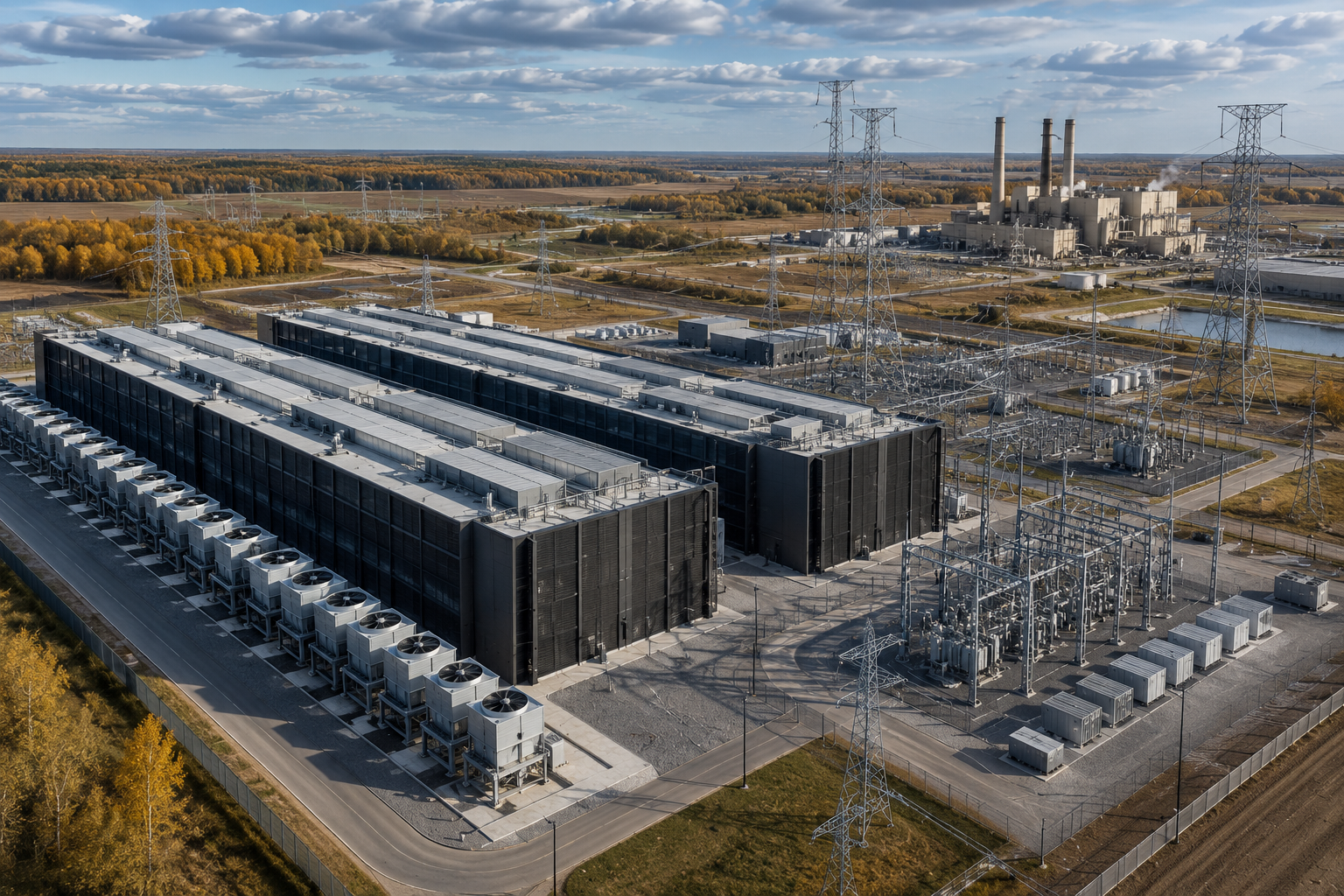
AI-driven data center expansion is becoming one of the largest infrastructure investment themes globally. Companies involved in power systems, cooling technologies, and industrial construction could benefit alongside traditional tech firms.
AI Regulation and Policy
Governments in the U.S., Europe, and Asia are increasingly focused on AI regulation, national security concerns, and technology competitiveness. Regulatory developments may create both risks and opportunities for major AI companies.
IPO Market Revival
Speculation surrounding a potential OpenAI IPO could reignite broader enthusiasm across public and private technology markets. Investors are watching whether renewed AI optimism can reopen the IPO market for high-growth technology firms.
Key Investment Insight
The AI trade remains one of the strongest structural trends in global markets, but investors should increasingly focus on identifying sustainable long-term winners rather than simply chasing momentum.
Companies positioned at the center of AI infrastructure — including semiconductor leaders, cloud providers, networking firms, and data center operators — may continue benefiting from rising enterprise AI adoption. However, stretched valuations and elevated expectations could create periods of sharp volatility, particularly if earnings growth fails to justify current market pricing.
For long-term investors, the most compelling opportunities may emerge in second-order beneficiaries of AI expansion, including power infrastructure, industrial automation, advanced cooling systems, and critical materials suppliers supporting the AI ecosystem.
As AI continues reshaping industries, capital markets, and global economic strategy, investors should expect the sector to remain one of the defining forces driving equities throughout 2026 and beyond.
Stay ahead of the latest market-moving developments with MoneyNews.Today, your trusted source for daily investor insights, breaking financial news, and actionable market analysis.