
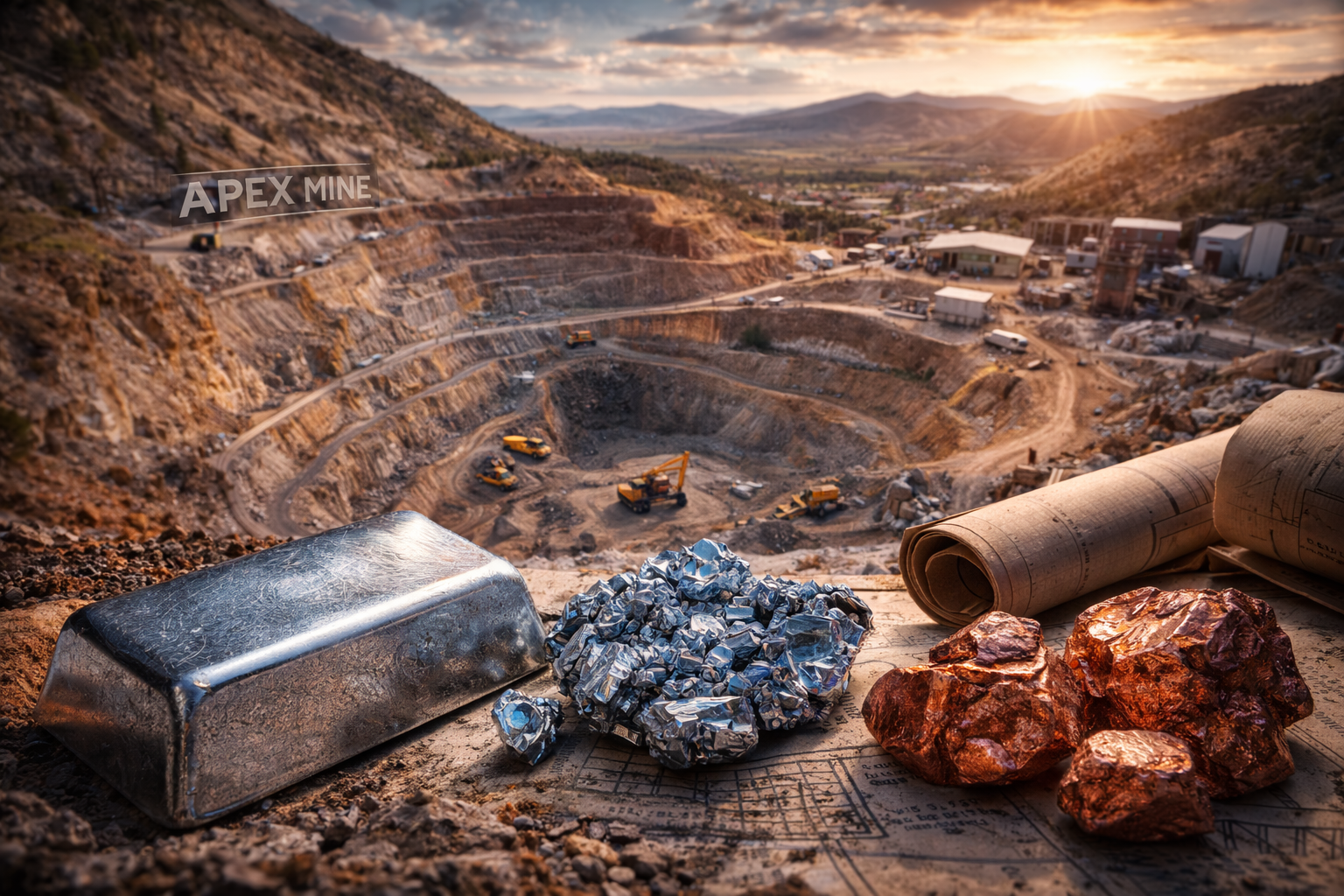
As artificial intelligence infrastructure expands and geopolitical tensions reshape global supply chains, a relatively small mining transaction in Utah is drawing outsized attention from investors.
In a move that underscores the strategic importance of critical minerals, Teck Resources has agreed to sell its Utah-based Apex mine to Blue Moon Metals. The Apex asset is known for its deposits of germanium, gallium, and copper — materials that are increasingly essential for semiconductors, fiber optics, defense systems, and next-generation electronics.
At first glance, the deal may appear niche. But in the context of tightening global supplies of gallium and germanium — particularly following export restrictions from China reported by Reuters and Bloomberg over the past year — this acquisition could mark a pivotal moment in North America’s effort to secure domestic sources of critical technology metals.
For investors, the implications stretch far beyond a single mine.
A Strategic Asset in a Strategic Era
The Apex mine, located in Utah, has historically produced germanium and gallium as byproducts alongside copper and other base metals. These “minor metals” rarely grab headlines like lithium or copper, but their role in high-tech manufacturing is indispensable.
Germanium is widely used in:
- Fiber optic systems
- Infrared optics and military applications
- Solar cells for satellites
Gallium is a core input in:
- Gallium nitride (GaN) semiconductors
- 5G infrastructure
- Power electronics used in EVs and AI data centers
According to the U.S. Geological Survey (USGS), the United States relies heavily on imports for both germanium and gallium. In recent years, China has accounted for a dominant share of global gallium production and a significant portion of refined germanium supply. When Beijing introduced export controls on these materials, global markets reacted swiftly, with price volatility increasing and supply chain concerns intensifying.
By acquiring Apex, Blue Moon Metals is positioning itself as a domestic supplier of strategically sensitive elements at a time when governments and corporations are actively seeking supply diversification.
Why Teck Is Divesting — and Why It Matters
Teck Resources has been reshaping its portfolio in recent years, focusing more heavily on large-scale copper and steelmaking coal operations. Divesting a specialized asset like Apex aligns with a broader capital allocation strategy to streamline operations and prioritize core, scalable projects.
For Blue Moon Metals, however, the acquisition represents a transformational opportunity.
Junior and mid-tier miners often struggle to access high-quality critical minerals assets within politically stable jurisdictions. Acquiring an existing U.S.-based project with proven mineralization significantly accelerates Blue Moon’s entry into a high-demand niche.
This transaction reflects a broader consolidation trend within the mining sector — particularly around assets tied to technology supply chains.
Why This Matters for Investors
1. The AI and Semiconductor Boom Needs Materials
The explosive growth of artificial intelligence infrastructure is driving unprecedented semiconductor demand. Data centers require advanced power electronics, optical communication systems, and high-performance chips — many of which depend on gallium and germanium compounds.
Research firms such as McKinsey have projected continued growth in semiconductor demand through the decade, fueled by AI, electrification, and automation. If supply constraints persist in minor metals markets, pricing power could shift toward producers.
That dynamic could benefit companies with exposure to:
- Gallium nitride semiconductor production
- Fiber optic manufacturing
- Defense and aerospace components
Investors who traditionally focus on AI chipmakers may need to look further upstream.
2. Supply Chain Nationalism Is Structural
Governments in North America and Europe have increasingly emphasized “friend-shoring” and domestic sourcing of strategic materials. The U.S. Inflation Reduction Act and CHIPS and Science Act, as well as Canadian critical minerals strategies, reflect a structural policy shift toward supply security.
Bloomberg and Reuters have reported that Western governments are actively funding projects aimed at reducing reliance on Chinese critical mineral processing.
In that context, Apex becomes more than a mine — it becomes a geopolitical asset.
If Blue Moon Metals successfully advances production, it could position itself to benefit from:
- Government grants or tax incentives
- Strategic partnerships with semiconductor manufacturers
- Long-term supply contracts with defense contractors
Future Trends to Watch
1. Germanium and Gallium Price Dynamics
While these metals are niche compared to copper or lithium, their markets are thin and sensitive to disruption. Even modest shifts in supply can create significant price swings.
Investors should monitor:
- Export policy changes from China
- USGS supply reports
- Defense procurement trends
- Semiconductor capacity expansions
Tightening supply amid rising AI infrastructure buildouts could create upward pressure on pricing.
2. Downstream Integration
One potential development is vertical integration. As semiconductor manufacturers seek stable input sources, partnerships or equity investments in upstream projects could emerge.
We have already seen similar trends in lithium and rare earth markets, where battery manufacturers and automakers invested directly in mining operations.
A comparable model for gallium and germanium would be a powerful tailwind for companies controlling domestic supply.
3. ESG and Jurisdictional Premium
Mines located in stable, transparent jurisdictions often trade at a premium relative to those in higher-risk regions. With growing scrutiny on supply chain ethics and geopolitical exposure, U.S.-based assets may command stronger valuations.
If Blue Moon can demonstrate responsible development practices alongside strategic supply benefits, institutional investor interest could increase.
The Broader Metals Landscape
Copper, also present at Apex, adds another layer to the story. Copper demand remains strong due to electrification, EV adoption, and grid upgrades.
According to various industry forecasts cited by Reuters and the International Energy Agency (IEA), global copper demand is expected to rise significantly through 2030 as energy transition projects accelerate.
Although Apex’s primary strategic appeal lies in germanium and gallium, copper production could enhance the project’s economic resilience, offering diversified revenue streams.
This multi-metal exposure could appeal to investors seeking both technology-linked upside and traditional base metal stability.
Key Investment Insight
The Blue Moon–Apex transaction highlights a critical shift in how markets value “minor” metals.
Investors should consider:
- Monitoring germanium and gallium pricing trends alongside semiconductor news.
- Evaluating mining companies with exposure to specialty metals rather than focusing solely on lithium and copper.
- Watching for policy incentives tied to domestic critical minerals production.
- Assessing downstream companies that could benefit from stable North American supply chains.
The AI revolution is not just about GPUs and cloud computing — it is also about the raw materials that enable them.
Companies positioned upstream in strategically vital metals may offer differentiated exposure to technology growth themes with potentially lower headline volatility than high-flying semiconductor equities.
A Strategic Move in a Strategic Decade
The sale of Apex from Teck to Blue Moon Metals represents more than a routine asset transfer. It reflects the reshaping of global supply chains under the combined forces of geopolitics, AI expansion, and energy transition.
As critical mineral security becomes a boardroom priority, transactions like this could become more frequent — and more competitive.
For investors, the key is recognizing that the next phase of the tech boom may be anchored not only in Silicon Valley innovation but also in the geology of North America.
Stay informed on the critical shifts shaping global markets and supply chains by following daily investor intelligence at MoneyNews.Today — your trusted source for actionable financial insight.




