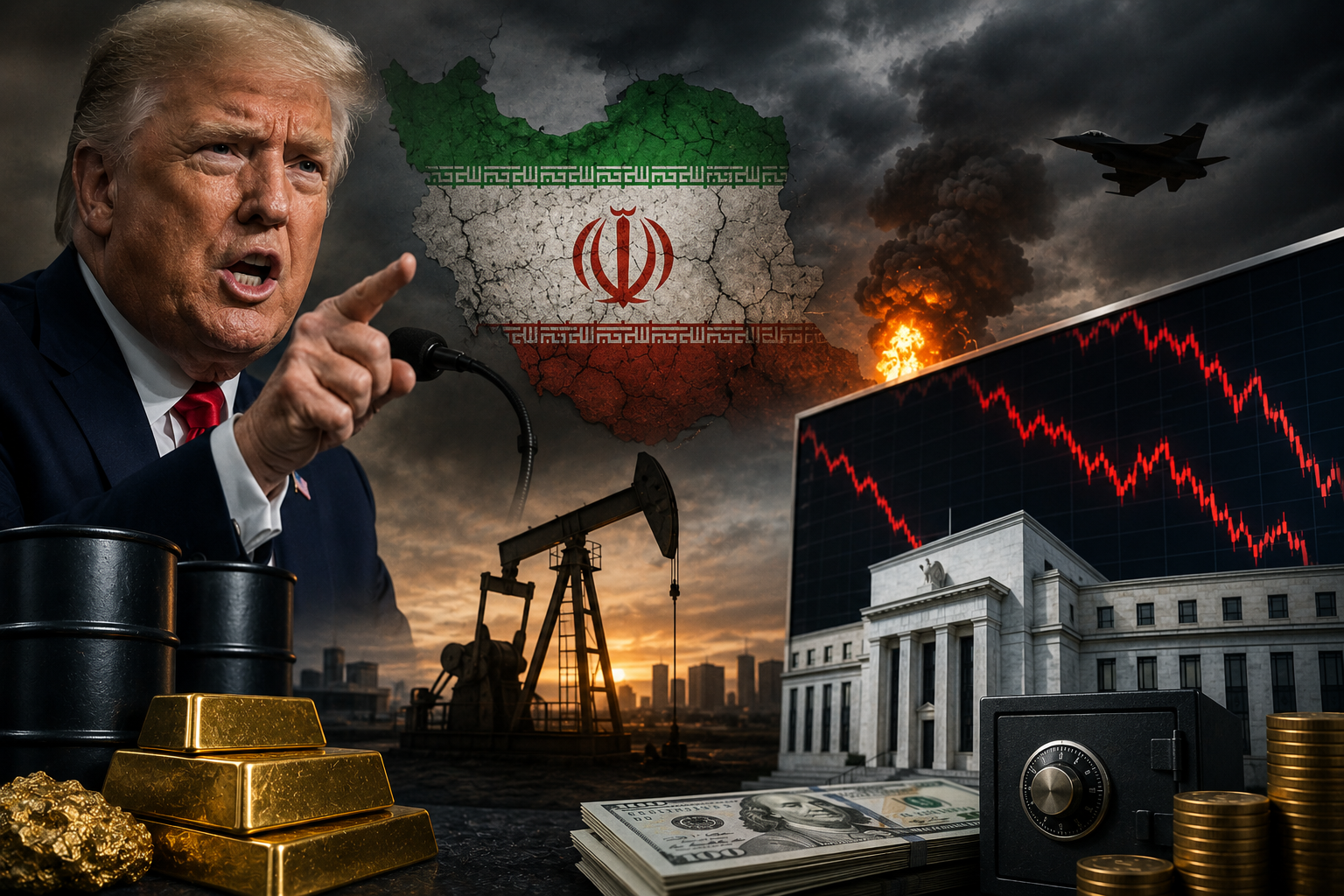
Markets are rallying—but not because of earnings, central banks, or economic data. On May 6, 2026, the driving force behind global market momentum is geopolitical: renewed optimism סביב a potential agreement between the United States and Iran.
Reports that negotiations could lead to reduced tensions—and potentially the reopening of the strategically vital Strait of Hormuz—have sent immediate ripples across global markets. Oil prices are falling, equities are rising, and investor sentiment is shifting toward a risk-on posture.
This is a clear reminder that in today’s environment, geopolitics isn’t just background noise—it’s the primary catalyst shaping market direction.
A Geopolitical Shift With Immediate Market Impact
According to Reuters (May 6, 2026), markets responded swiftly to reports of progress toward a U.S.-Iran agreement. The potential easing of tensions in the Middle East—one of the world’s most critical energy-producing regions—has significantly reduced near-term supply risk in global oil markets.
The Strait of Hormuz, a narrow but essential shipping route, handles a substantial portion of the world’s oil supply. Any threat to its stability typically leads to:
- Higher oil prices due to supply concerns
- Increased volatility across global markets
- A shift toward safe-haven assets
Conversely, the prospect of stability has the opposite effect:
- Oil prices decline as risk premiums fade
- Equities rise on improved economic outlook
- Investors rotate into growth-oriented assets
The speed of this reaction underscores how sensitive markets are to geopolitical developments.
Why Energy Markets Are at the Center of the Story
Energy is the most immediate transmission mechanism for geopolitical risk.
When tensions rise in oil-producing regions, markets price in the possibility of:
- Supply disruptions
- Transportation bottlenecks
- Sanctions or policy restrictions
These risks are reflected in higher oil prices, which can ripple through the global economy by increasing costs for businesses and consumers.
The current situation reverses that dynamic. If a U.S.-Iran agreement materializes, it could:
- Increase global oil supply
- Stabilize key shipping routes
- Reduce volatility in energy markets
This has significant implications not only for oil prices but also for inflation expectations, corporate margins, and overall economic growth.
Equities Are Responding to Improved Risk Sentiment
The impact of geopolitical developments extends well beyond commodities.
As tensions ease, investors are becoming more willing to take on risk. This is driving gains in equities, particularly in sectors sensitive to economic growth, such as:
- Technology
- Industrials
- Consumer discretionary
Lower energy prices can also support corporate profitability by reducing input costs, further boosting earnings expectations.
This combination of improved sentiment and favorable economic conditions is helping to fuel the current market rally.
Why This Matters for Investors
The current market environment highlights a critical reality: geopolitics can override traditional market drivers.
1. Geopolitics Is the Dominant Macro Catalyst
While factors like earnings and interest rates remain important, geopolitical developments are currently having an outsized impact on markets.
Investors must pay close attention to:
- Diplomatic negotiations
- Policy announcements
- Regional stability
These factors can drive rapid and significant market movements.
2. Volatility Is Likely to Persist
Even as optimism grows, the situation remains fluid. Negotiations can break down as quickly as they progress, leading to sudden reversals in market sentiment.
This creates an environment where:
- Short-term volatility is elevated
- Market reactions are more headline-driven
- Risk management becomes increasingly important
3. Cross-Asset Implications Are Significant
The potential U.S.-Iran agreement is influencing multiple asset classes simultaneously:
- Equities: Rising on improved sentiment
- Oil: Falling as supply risks ease
- Gold: Adjusting based on risk appetite and macro conditions
Understanding these relationships is key to navigating the market effectively.
The Broader Economic Implications
Beyond immediate market movements, the potential agreement carries broader economic significance.
Inflation Dynamics
Lower oil prices could ease inflationary pressures, which may influence central bank policy decisions.
Global Growth
Improved stability in energy markets can support global economic growth by reducing uncertainty and lowering costs.
Trade and Supply Chains
Reduced geopolitical risk can enhance the efficiency of global trade, particularly in energy and related sectors.
These factors could create a more favorable macro environment for both businesses and investors.
Future Trends to Watch
As the situation evolves, several key developments will shape market direction:
Confirmation of the Agreement
A formal agreement would likely reinforce current market trends, potentially leading to further gains in equities and continued pressure on oil prices.
Breakdown of Negotiations
Any setback could quickly reverse sentiment, triggering higher oil prices and increased demand for safe-haven assets.
Policy Responses
Governments and central banks may adjust policies in response to changing energy dynamics and economic conditions.
Regional Stability
The broader geopolitical landscape in the Middle East will continue to influence market behavior.
Key Investment Insight
Geopolitics is not just influencing markets—it is driving them.
For investors, this means:
- Monitoring geopolitical developments as closely as economic data
- Being prepared for rapid shifts in market sentiment
- Maintaining diversified portfolios to manage risk
Opportunities exist in sectors that benefit from lower energy costs and improved economic conditions. At the same time, caution is warranted given the potential for sudden reversals.
The ability to adapt quickly will be a key advantage in this environment.
Positioning in a Geopolitically Driven Market
The current rally highlights the importance of understanding the broader forces shaping financial markets.
While earnings and fundamentals remain critical, geopolitics is playing a leading role in determining short-term direction.
Investors who can interpret these signals—and adjust their strategies accordingly—will be better positioned to navigate uncertainty and capitalize on emerging opportunities.
As global markets continue to react to shifting geopolitical dynamics, staying informed is essential. Follow MoneyNews.Today for daily insights, breaking developments, and expert analysis designed to keep you ahead of the curve.