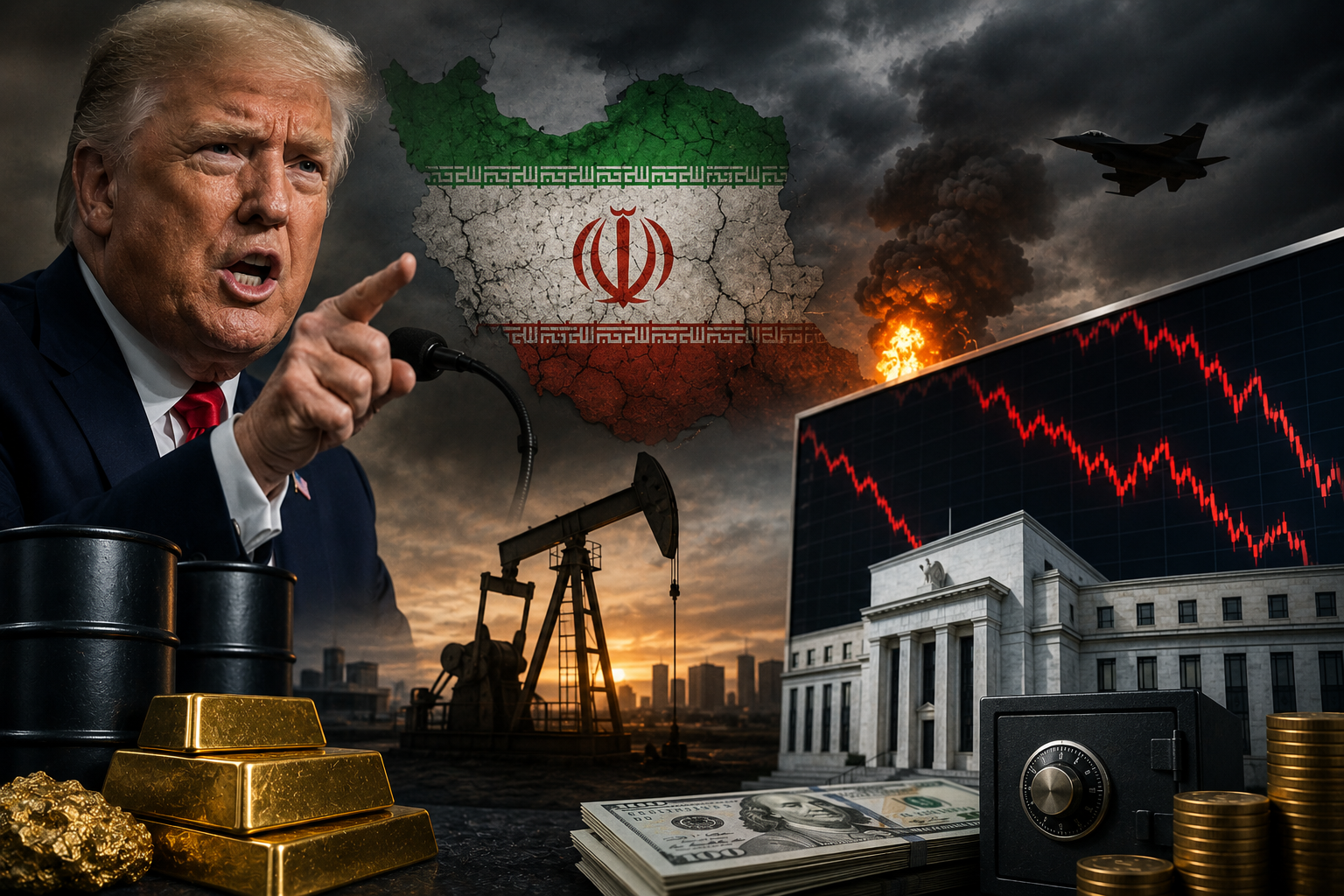
Crude oil prices are trading mixed amid signs of renewed tensions between the U.S. and Iran.
Brent crude oil, the international standard, jumped 4% higher and rose back above $100 U.S. a barrel on May 26, trading as high as $100.40 U.S. per barrel.
At the same time, West Texas Intermediate (WTI) crude, the U.S. oil benchmark, is down 3% on the day and trading at $94.13 U.S. per barrel.
The divergence comes after the U.S. struck several sites in southern Iran and President Donald Trump provided mixed messages on how peace talks with Tehran are progressing.
There had been hopes for a breakthrough in peace negotiations after Trump signaled over the weekend that a lasting deal with Iran to open the Strait of Hormuz waterway was imminent.
That deal now looks to be in jeopardy as Iran vows to retaliate for the U.S. missile strikes, which Tehran says violate the ceasefire between the two countries.
Trump called the new U.S. action in southern Iran “self-defense strikes.”
Energy traders are trying to make sense of the current situation in Iran and what it could mean for crude oil prices both in the near-term and looking further out.
About 20% of the world’s crude oil is shipped through the Strait of Hormuz, which has been effectively closed since the U.S. and Israel attacked Iran on Feb. 28.
Commodities analysts and energy traders say that the strait needs to reopen to commercial shipping in order to bring down oil prices and the cost of gasoline at the pumps.