Geopolitics is back at the center of market attention—and investors are once again being reminded how quickly global risk can reprice assets across the board.
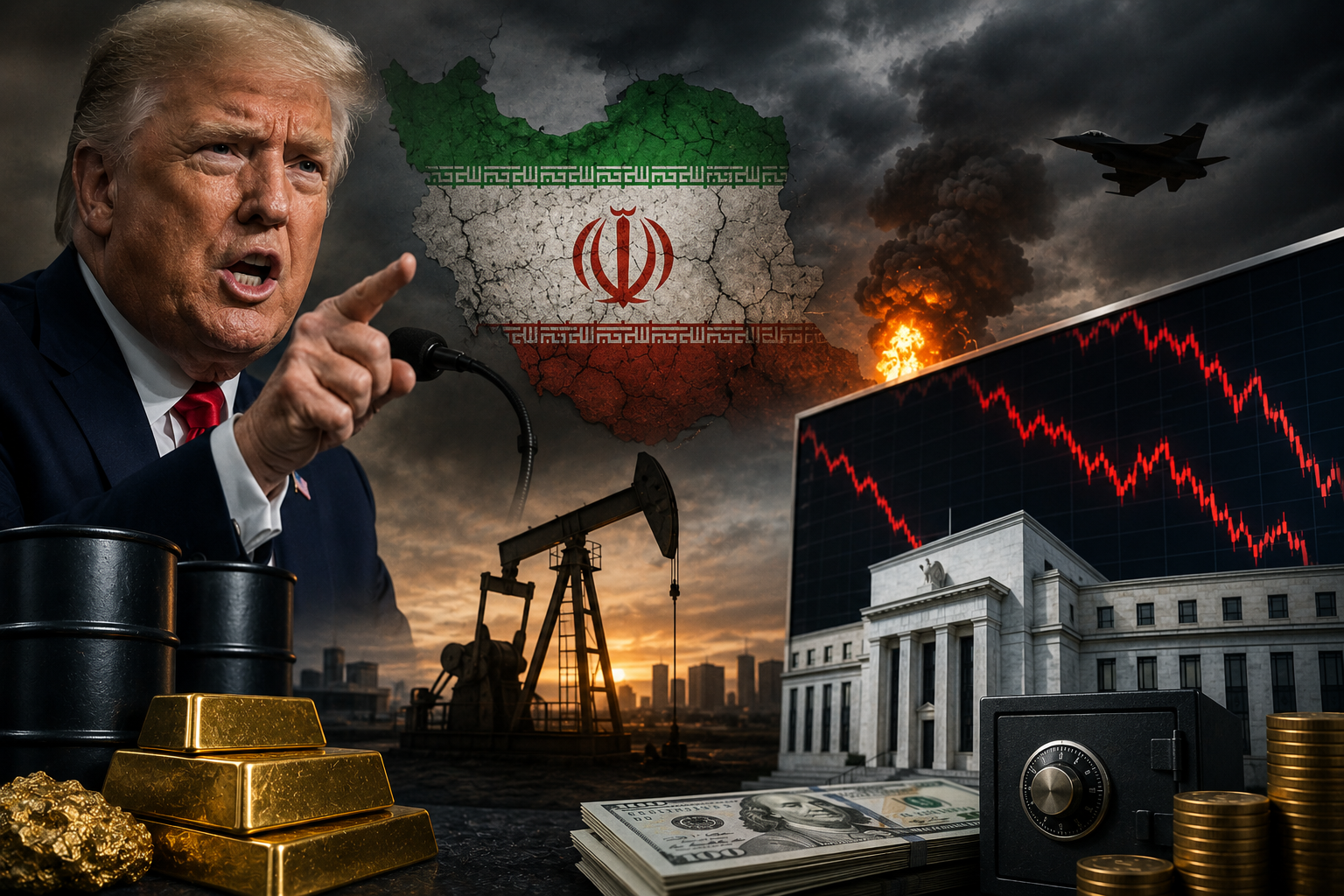
Following the collapse of diplomatic talks with Iran, the United States is signaling a more aggressive strategic posture in the Middle East. Markets are reacting not just to the headlines, but to the implications for global energy flows, trade routes, and geopolitical stability. Oil prices are showing renewed volatility, defense stocks are gaining attention, and safe-haven assets are back in focus.
According to recent reporting from Reuters and Associated Press (April 15, 2026), the shift in U.S. strategy could mark a turning point—one that introduces a new layer of uncertainty into an already complex macro environment.
For investors, this is not just a geopolitical story. It is a macro catalyst with cross-asset implications.
A Fragile Situation With Global Implications
The Middle East remains one of the most strategically important regions for global markets, particularly due to its role in energy production and transportation.
The breakdown in negotiations with Iran raises concerns about:
- Potential disruptions to oil supply
- Increased military presence in key shipping corridors
- Escalation risks involving regional actors
One of the most critical chokepoints is the Strait of Hormuz, through which a significant portion of the world’s oil supply passes. Any disruption in this region could have immediate and far-reaching effects on energy markets.
Even without direct conflict, heightened tensions can lead to:
- Increased insurance costs for shipping
- Supply chain delays
- Market uncertainty
For investors, the key issue is not just what happens—but what could happen, as markets tend to price in risk ahead of actual events.
Oil Markets: The First Line of Reaction
Energy markets are typically the most sensitive to geopolitical developments in the Middle East.
Oil prices have already begun to reflect rising risk premiums, as traders factor in the possibility of supply disruptions. Even modest interruptions in output or transportation can have outsized effects due to tight global supply conditions.
Key dynamics to watch include:
- Production levels from major oil-exporting countries
- Shipping activity through critical trade routes
- Strategic reserve policies by governments
Higher oil prices can have a cascading effect on the broader economy, influencing:
- Inflation expectations
- Central bank policy decisions
- Consumer spending
For equity markets, this creates a complex environment where energy stocks may benefit, while other sectors face headwinds.
Defense Sector: Renewed Focus on Security Spending
Geopolitical tensions often lead to increased defense spending, both in the U.S. and among its allies.
As strategic risks rise, governments may prioritize:
- Military readiness
- Defense technology investments
- Strategic partnerships
This creates potential tailwinds for companies involved in:
- Aerospace and defense manufacturing
- Cybersecurity and intelligence
- Advanced weapons systems
Historically, periods of geopolitical instability have coincided with outperformance in defense-related equities, as government contracts provide stable and predictable revenue streams.
Safe-Haven Assets Regain Relevance
In times of uncertainty, investors often rotate into safe-haven assets to preserve capital.
Gold, in particular, tends to benefit from geopolitical risk, as it is perceived as a store of value during periods of instability. U.S. Treasury bonds and the U.S. dollar also typically see increased demand.
This shift reflects a broader change in investor behavior:
- Risk appetite declines
- Portfolio diversification becomes more important
- Capital preservation takes precedence over aggressive growth
For investors, understanding these flows is critical for navigating volatile markets.
Why This Matters for Investors
The escalation in geopolitical tensions is not an isolated event—it interacts with existing macro trends, including inflation, interest rates, and global growth.
1. Volatility Across Asset Classes
Geopolitical risk introduces uncertainty that can impact:
- Equities
- Commodities
- Fixed income
- Currencies
Markets may experience sharp, short-term movements as new information emerges, creating both risks and opportunities.
2. Inflationary Pressures Could Resurface
Higher oil prices can feed into broader inflation, complicating the outlook for central banks such as the Federal Reserve.
If inflation rises, it could:
- Delay interest rate cuts
- Increase borrowing costs
- Weigh on economic growth
This creates a challenging environment for policymakers—and for investors trying to anticipate market direction.
3. Sector Rotation May Accelerate
Geopolitical developments often trigger shifts in sector performance.
Potential beneficiaries include:
- Energy companies
- Defense contractors
- Commodity producers
Meanwhile, sectors sensitive to higher input costs or economic uncertainty may face pressure.
Understanding these dynamics can help investors position portfolios more effectively.
Future Trends to Watch
As the situation evolves, several key developments will shape market outcomes:
Escalation or De-escalation Signals
Any signs of diplomatic progress or further escalation will have immediate market implications.
Oil Supply Dynamics
Changes in production, transportation, or strategic reserves will influence energy prices and inflation.
Central Bank Responses
Policymakers will need to balance inflation risks with economic growth concerns, particularly if energy prices rise.
Global Market Sentiment
Investor sentiment can shift rapidly in response to geopolitical developments, driving capital flows across asset classes.
Key Investment Insight
Geopolitical escalation acts as a macro risk amplifier, affecting multiple sectors and asset classes simultaneously.
For investors, the key is not to react emotionally, but to approach the situation strategically:
- Monitor oil prices as a leading indicator of market stress
- Consider exposure to sectors that benefit from geopolitical risk, such as energy and defense
- Maintain diversification to manage volatility
- Keep an eye on safe-haven assets as part of a balanced portfolio
The goal is not to predict geopolitical outcomes, but to understand how markets are likely to respond.
The current escalation in the Middle East underscores a fundamental truth of investing: markets are influenced not only by economic data and corporate earnings, but also by geopolitical forces that can shift sentiment and capital flows in an instant.
For investors navigating this environment, staying informed and adaptable is essential.
Stay with MoneyNews.Today for daily, high-impact insights that connect global events with actionable investment strategies—helping you stay ahead in an increasingly interconnected world.