The global race toward electrification and energy security is no longer just a policy narrative—it is rapidly becoming a defining force in commodity markets.
Copper and uranium, two of the most strategically important materials of the modern economy, are seeing renewed price momentum as demand accelerates and supply struggles to keep pace. For investors, this is more than a cyclical upswing—it is the early phase of a structural bull market in critical minerals.
Recent reporting from Reuters and Mining.com (April 15, 2026) highlights a powerful convergence of trends: electrification, infrastructure spending, and the resurgence of nuclear energy are driving sustained demand, while years of underinvestment are constraining supply.
The result is a tightening market dynamic that is reshaping the long-term outlook for metals and mining.
The New Commodity Supercycle Is Taking Shape
For decades, commodity markets have moved in cycles driven by economic growth, industrial demand, and geopolitical events. Today, a new force is emerging—the energy transition.
Unlike previous cycles, this one is underpinned by structural shifts:
- The electrification of transportation and industry
- Massive investments in renewable energy and grid infrastructure
- The resurgence of nuclear energy as a reliable power source
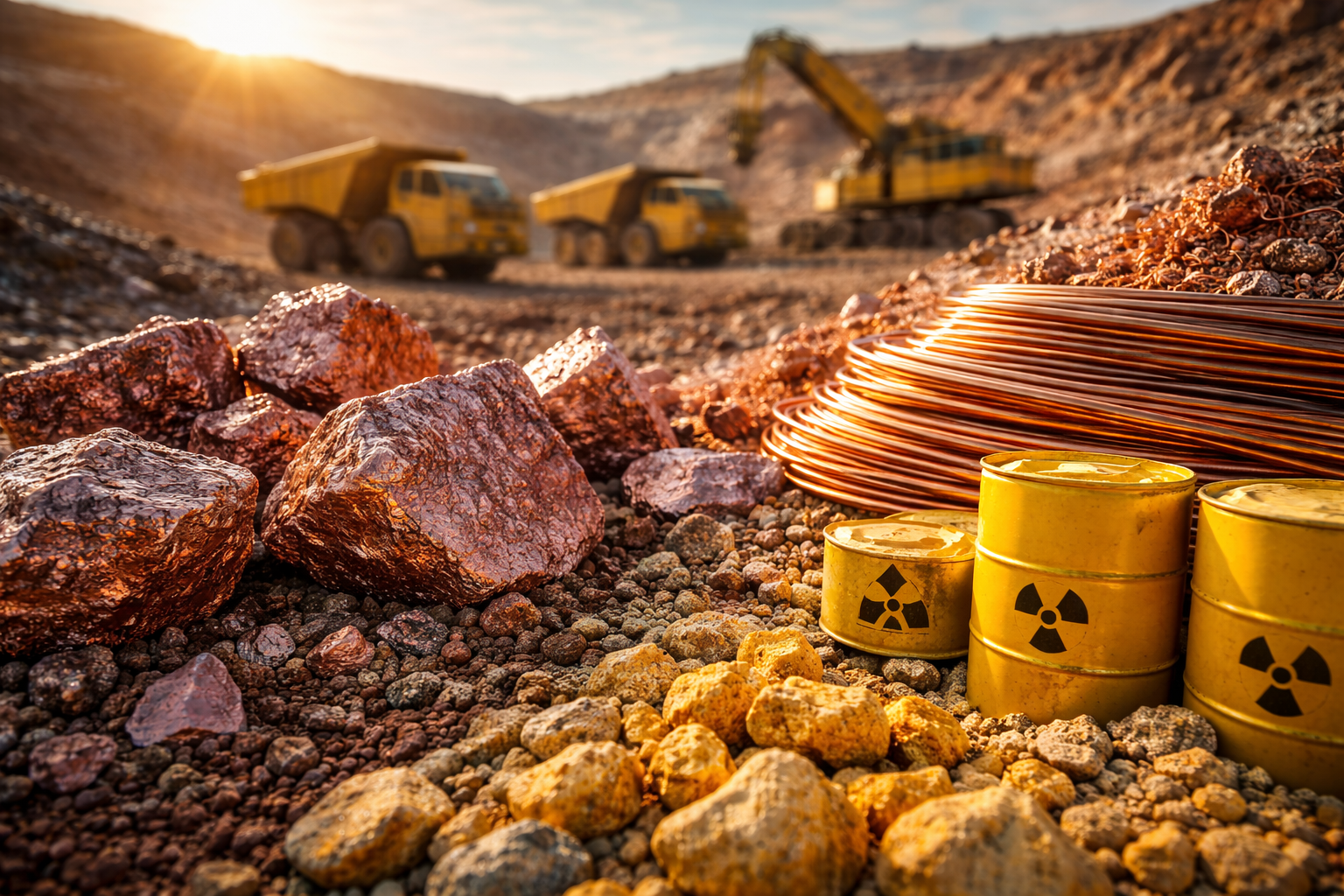
Copper sits at the center of this transformation. It is essential for:
- Electric vehicles (EVs)
- Power grids and transmission lines
- Renewable energy systems
At the same time, uranium is gaining renewed relevance as countries turn to nuclear power to meet growing energy demands while reducing carbon emissions.
Together, these two commodities represent the backbone of the future energy system.
Copper: The Metal of Electrification
Copper’s importance in the global economy cannot be overstated.
An electric vehicle uses significantly more copper than a traditional internal combustion engine vehicle. Renewable energy systems—particularly wind and solar—also require extensive copper wiring and components.
As governments ramp up infrastructure spending and electrification initiatives, demand for copper is surging.
However, supply is not keeping pace.
Supply Constraints Are Mounting
New copper mines are becoming increasingly difficult to develop due to:
- Environmental regulations
- Political risks in key mining regions
- Declining ore grades
Many of the world’s largest copper producers are facing challenges in expanding production, while new projects often take a decade or more to come online.
This creates a structural supply deficit that could persist for years.
Price Implications
With demand rising and supply constrained, copper prices are trending upward. Analysts increasingly view copper not just as an industrial metal, but as a strategic asset tied to global electrification.
For investors, this shifts the narrative from short-term price cycles to long-term positioning.
Uranium: The Comeback Commodity
While copper is benefiting from electrification, uranium is experiencing a resurgence driven by a different but equally powerful trend: the return of nuclear energy.
After years of stagnation, nuclear power is regaining momentum as countries seek:
- Reliable, baseload energy
- Low-carbon power generation
- Energy independence
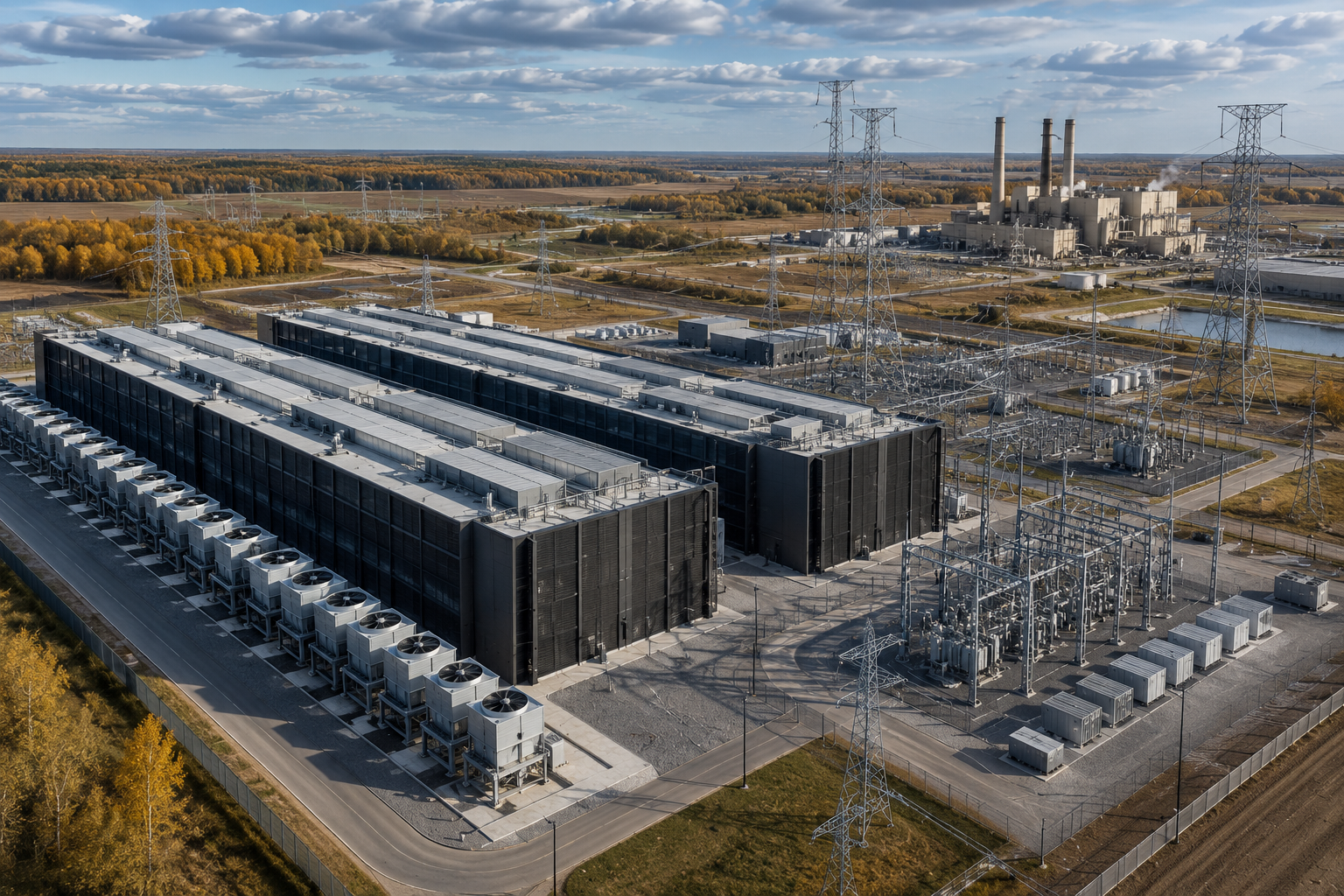
This shift is particularly relevant in the context of rising electricity demand from AI data centers and industrial activity.
Demand Is Accelerating
New nuclear projects, including small modular reactors (SMRs), are driving increased demand for uranium. Existing reactors are also extending their operational lifespans, further supporting consumption.
Supply Remains Tight
The uranium market is characterized by:
- Limited new mine development
- Strategic stockpiling by governments
- Long lead times for production increases
This imbalance between supply and demand is contributing to sustained price momentum.
For investors, uranium is transitioning from a niche commodity to a core component of the energy transition narrative.
Why This Matters for Investors
The convergence of these trends is creating a compelling investment case for metals and mining.
1. Structural Demand Growth
Unlike traditional commodity cycles, demand for copper and uranium is being driven by long-term structural forces:
- Electrification
- Decarbonization
- Energy security
These trends are unlikely to reverse, providing a strong foundation for sustained price support.
2. Supply Deficits Are Persistent
Years of underinvestment in mining have created supply constraints that cannot be quickly resolved.
Developing new mines requires:
- Significant capital
- Regulatory approvals
- Long development timelines
This means that even as prices rise, supply responses will lag—supporting a tight market environment.
3. Geopolitical Risks Add Complexity
Many key mining regions are located in politically sensitive areas.
Geopolitical risks—including trade tensions, resource nationalism, and regulatory changes—can impact supply chains and create volatility in commodity prices.
For investors, this adds both risk and opportunity.
The Investment Landscape: Where Opportunities Are Emerging
The current environment is creating opportunities across multiple segments of the metals and mining sector:
Major Mining Companies
Large, diversified miners offer exposure to copper and other critical minerals, often with established production and global operations.
Junior Miners and Developers
Smaller companies focused on exploration and development can provide higher upside, though with increased risk.
Uranium Producers
Companies involved in uranium mining are directly benefiting from rising demand and limited supply.
Infrastructure and Processing
Beyond mining, opportunities exist in refining, processing, and transportation—critical components of the supply chain.
Future Trends to Watch
As the structural bull case for metals develops, several key trends will shape the market:
Acceleration of Infrastructure Spending
Government investments in grid expansion and electrification will continue to drive demand for copper.
Expansion of Nuclear Energy
New reactor projects and policy support will underpin long-term uranium demand.
Technological Innovation in Mining
Advancements in extraction and processing could help alleviate some supply constraints, though progress is likely to be gradual.
Increased Focus on Supply Chain Security
Countries may prioritize domestic production and strategic reserves, influencing global trade dynamics.
Key Investment Insight
Copper and uranium are no longer just commodities—they are strategic assets at the heart of the global energy transition.
For investors, the key takeaway is clear:
- Monitor supply-demand imbalances for early signals of price movements
- Consider diversified exposure across the mining value chain
- Pay close attention to geopolitical developments in key production regions
The most compelling opportunities may lie in identifying companies that can navigate these challenges while capitalizing on rising demand.
The rise in copper and uranium prices is not a temporary phenomenon—it is a reflection of a deeper transformation in the global economy. As electrification and energy transition efforts accelerate, the demand for critical minerals will only intensify.
For investors willing to take a long-term view, this represents a rare opportunity to participate in a multi-decade structural trend.
Stay with MoneyNews.Today for daily, forward-looking insights that connect global trends with actionable investment strategies.