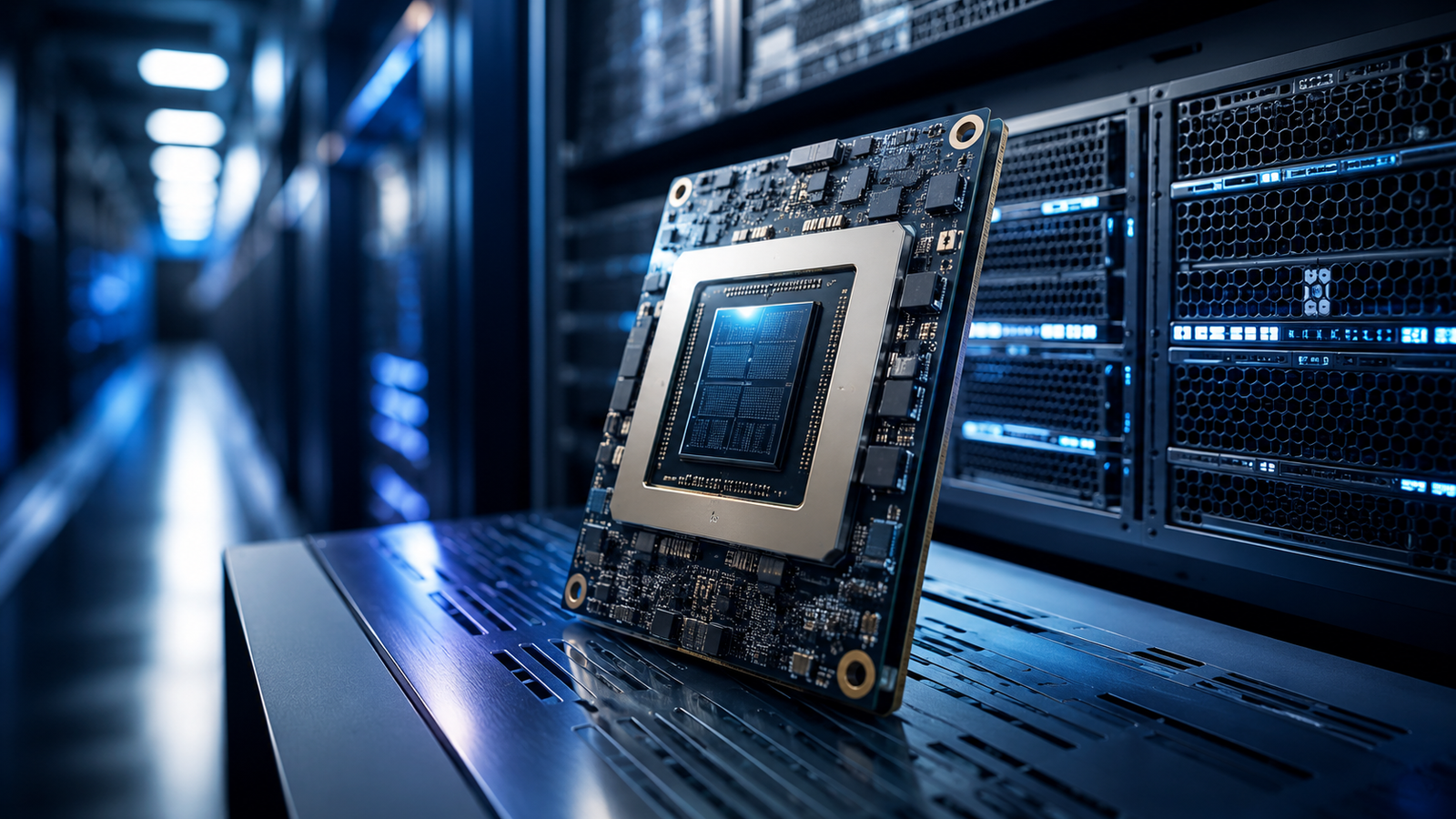
The market isn’t just talking about artificial intelligence anymore—it’s pricing it in at full speed. On May 6, 2026, investor attention snapped sharply back to semiconductors as fresh earnings signals and forward guidance confirmed what many suspected: AI is no longer a speculative narrative—it’s a revenue engine. Chipmakers are delivering tangible financial results, and the ripple effects are lifting the broader equity market.
From data center expansion to enterprise AI adoption, the latest wave of capital spending is reshaping the technology landscape—and investors are repositioning accordingly.
AI Demand Is Translating Into Real Earnings Power
The defining shift in today’s market is simple: AI is monetizing faster than expected.
According to reporting from Reuters (May 6, 2026), semiconductor companies are seeing stronger-than-anticipated revenue growth, driven primarily by data center demand tied to AI workloads. Advanced chips used for training and deploying AI models are now among the most sought-after components in global supply chains.
Advanced Micro Devices (AMD) is a central example. The company has issued bullish forecasts, citing accelerating orders for AI-focused processors and data center chips. This aligns with broader industry momentum, where enterprises are rapidly scaling AI capabilities—from generative AI tools to automation systems embedded across operations.
Meanwhile, insights highlighted by Investopedia reinforce the same trend: AI-driven demand is not only boosting semiconductor revenues but also driving market-wide optimism, pushing major indices higher.
This marks a critical transition. For the past two years, AI has largely been a forward-looking theme. Today, it is directly impacting earnings reports, guidance, and valuations.
Why Semiconductors Are at the Center of the AI Economy
To understand the scale of this opportunity, it’s important to recognize the role semiconductors play in the AI ecosystem.
AI systems require massive computational power. Training large language models, running inference tasks, and scaling enterprise applications all depend on high-performance chips. This demand is fueling a surge in:
- Data center buildouts
- Cloud infrastructure investments
- Specialized AI accelerators and GPUs
Unlike previous tech cycles, where growth was driven by consumer demand (smartphones, PCs), this cycle is enterprise-led and capital-intensive. Companies are investing billions to integrate AI into workflows, optimize operations, and maintain competitive advantage.
This structural shift is creating a durable demand base for semiconductor companies—not just a short-term spike.
Market Impact: AI Is Driving the Broader Rally
The implications go far beyond the semiconductor sector.
As Reuters notes, strong earnings momentum tied to AI is helping push U.S. equities toward record levels. The market is increasingly rewarding companies with clear exposure to AI-driven revenue streams, while lagging those without a defined strategy.
This dynamic is creating a bifurcated market:
- AI Leaders: Chipmakers, cloud providers, and infrastructure companies
- AI Laggards: Firms without direct exposure or monetization pathways
The result is a concentrated rally led by a relatively small group of high-growth, AI-aligned companies. This pattern mirrors previous transformative cycles—such as the rise of the internet or cloud computing—but with a faster pace of adoption.
Why This Matters for Investors
The key takeaway is that AI has entered its monetization phase, and that changes how investors should approach the sector.
In earlier stages, investing in AI meant betting on future potential. Today, it means analyzing real financial performance, margins, and scalability.
Three critical implications stand out:
1. Earnings Quality Is Becoming the Differentiator
Not all AI exposure is equal. Companies that can translate AI demand into consistent revenue growth and profitability are commanding premium valuations.
Semiconductor firms with strong pricing power and advanced manufacturing capabilities are particularly well-positioned.
2. Capital Expenditure Cycles Are Expanding
AI infrastructure requires sustained investment. Hyperscalers, enterprises, and governments are all increasing spending on data centers and compute capacity.
This creates a multi-year growth runway for companies across the AI supply chain.
3. Supply Constraints Could Drive Pricing Power
As demand for advanced chips rises, supply bottlenecks are re-emerging. This gives leading manufacturers leverage to maintain strong margins—especially in high-performance segments.
Beyond Chips: The Expanding AI Value Chain
While semiconductors are at the core, the opportunity extends across a broader ecosystem.
Investors should also pay attention to:
- Cloud computing providers enabling AI deployment
- Energy companies supporting power-intensive data centers
- Cooling and infrastructure firms managing thermal demands
- Software platforms integrating AI into enterprise workflows
This interconnected ecosystem means that the AI boom is not isolated—it is reshaping multiple industries simultaneously.
Future Trends to Watch
The current momentum is strong, but the next phase of the AI cycle will depend on several key developments:
Enterprise Adoption at Scale
As more companies integrate AI into daily operations, demand for compute resources will continue to grow. The pace of adoption will be a major driver of future revenue expansion.
AI Efficiency Improvements
Advancements in chip design and software optimization could reduce costs over time, potentially expanding margins while increasing accessibility.
Geopolitical and Supply Chain Risks
Semiconductors remain a strategically sensitive industry. Trade policies, export controls, and regional tensions could impact supply and pricing dynamics.
Regulatory Landscape
Governments are increasingly focused on AI governance. While regulation could introduce constraints, it may also provide clarity that encourages broader adoption.
Key Investment Insight
We are no longer in the speculative phase of AI—we are in the execution phase.
The biggest opportunities lie in companies that:
- Have direct exposure to AI infrastructure demand
- Demonstrate strong earnings growth tied to AI adoption
- Operate within critical segments of the supply chain
Semiconductors remain the most immediate beneficiaries, but the broader ecosystem offers diversified exposure to the trend.
For investors, the strategy is shifting from identifying “who is talking about AI” to who is generating measurable returns from it.
Staying Ahead in the AI Investment Cycle
Markets are moving quickly, and AI is at the center of the current cycle. As earnings continue to validate the narrative, capital is flowing toward companies that can deliver real-world impact—not just promise innovation.
This is a defining moment for the technology sector and for investors seeking growth opportunities in an evolving market landscape.
Stay ahead of the latest market-moving trends, earnings insights, and sector analysis with MoneyNews.Today—your trusted source for daily investor intelligence.