Wall Street is entering another powerful momentum phase, and investors are increasingly finding themselves pulled between two forces reshaping global markets: the explosive growth of artificial intelligence and the sudden easing of geopolitical tensions in the Middle East.
On May 7, 2026, U.S. equities climbed to fresh record highs as optimism surrounding a potential U.S.-Iran agreement reduced fears of energy supply disruptions while strong AI-driven earnings reignited a global semiconductor rally. According to Reuters and broader market coverage, semiconductor giant AMD helped lead the move after delivering a bullish outlook tied to surging artificial intelligence infrastructure demand.
The result was a broad-based risk rally that pushed technology shares higher, strengthened Nasdaq momentum, and fueled renewed investor confidence across global markets.
For investors, this is more than a short-term market surge. It reflects the growing convergence of macroeconomics, geopolitics, and AI-driven capital spending — three forces now heavily influencing equity valuations worldwide.
AI Continues to Dominate Market Leadership
Artificial intelligence remains the single most important growth narrative driving equity markets in 2026.
Over the past year, investors have poured capital into companies tied to AI infrastructure, cloud computing, semiconductor manufacturing, networking systems, and data-center expansion. The latest rally reinforced that trend as AMD’s strong guidance reignited optimism surrounding enterprise AI spending.
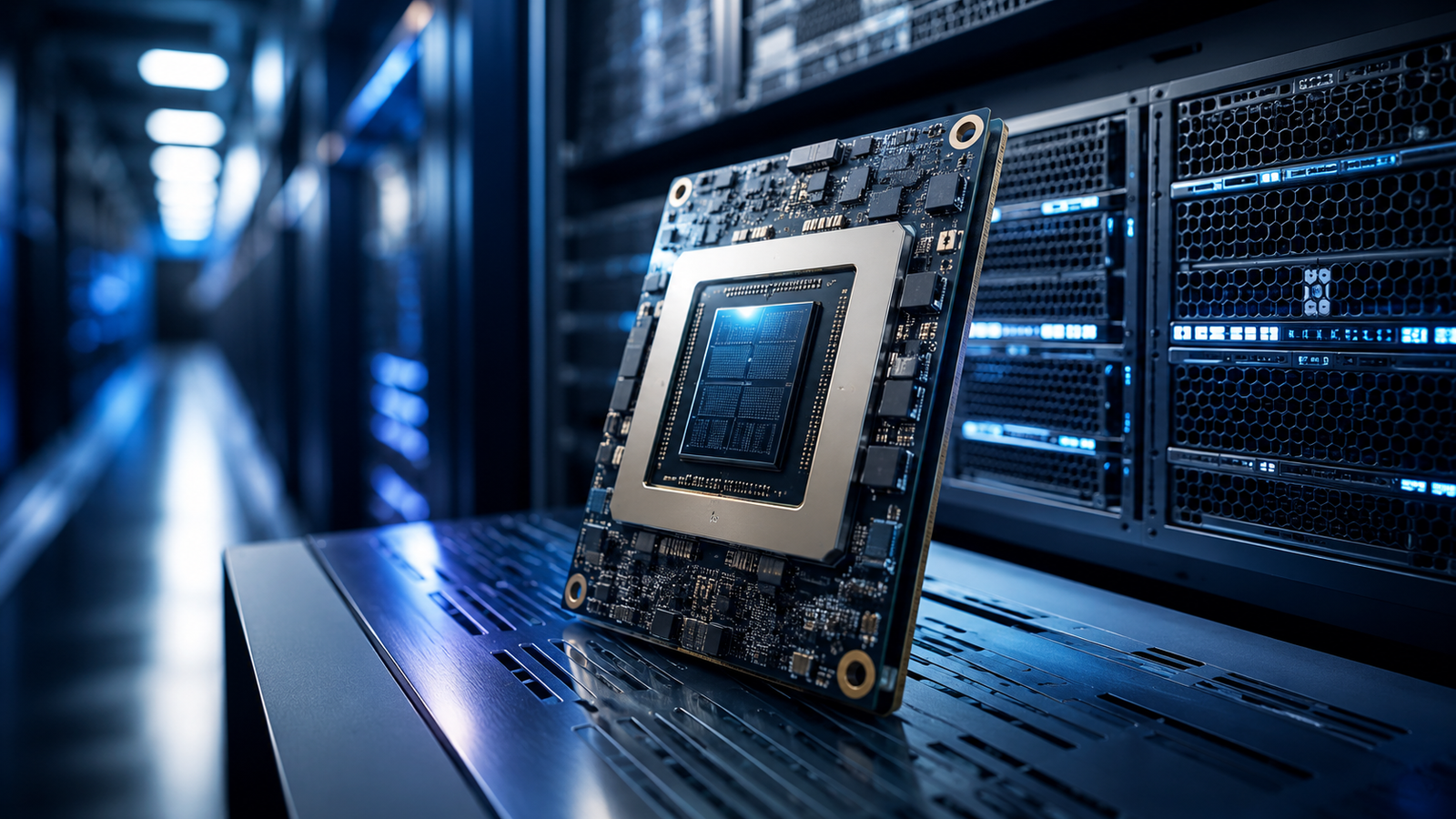
The company’s outlook helped fuel gains across semiconductor stocks globally, including suppliers tied to graphics processing units (GPUs), memory chips, advanced packaging, and AI server infrastructure.
According to Reuters market summaries, global chip stocks rallied sharply following AMD’s update, with investors betting that AI demand remains far stronger than many analysts expected earlier this year.
The broader AI ecosystem has become one of the most powerful earnings drivers in modern market history.
Companies such as Nvidia, AMD, Microsoft, Broadcom, Taiwan Semiconductor Manufacturing Company (TSMC), and Super Micro Computer continue benefiting from unprecedented demand for AI computing infrastructure. Cloud giants are spending aggressively on data-center expansion as enterprises race to integrate generative AI into operations.
Research firms including McKinsey and Goldman Sachs estimate that AI-related capital expenditures could surpass several trillion dollars globally over the next decade, spanning hardware, software, energy infrastructure, and automation systems.
For investors, the significance is clear: AI is no longer a niche technology trend. It has become a core market leadership theme driving earnings growth, valuation expansion, and institutional capital flows.
Why Geopolitical Easing Is Fueling the Rally
While AI remains the market’s growth engine, geopolitics has suddenly become an equally important catalyst.
Reports suggesting progress toward a possible U.S.-Iran agreement helped reduce fears surrounding disruptions in the Strait of Hormuz — one of the world’s most critical oil shipping routes. Oil prices fell sharply as traders began pricing in lower geopolitical risk and improved energy supply stability.
That decline in oil prices provided immediate support for equities.
Lower energy costs can reduce inflationary pressure, improve corporate profit margins, and ease concerns about aggressive central bank tightening. Sectors sensitive to fuel costs, including airlines, transportation, industrials, and consumer discretionary companies, all benefited from improving sentiment.
According to Reuters and AP market coverage, investors interpreted the diplomatic progress as a potential macroeconomic tailwind at a time when markets were already benefiting from strong AI-related earnings momentum.
This combination — easing geopolitical risk and accelerating technology spending — created one of the strongest environments for equity bulls in recent months.
The S&P 500 and Nasdaq both pushed toward new highs as institutional investors rotated aggressively into growth assets.
Semiconductor Stocks Are Becoming the Market’s New Oil Trade
One of the most striking developments in today’s market is the growing importance of semiconductor stocks as macroeconomic indicators.
Historically, energy prices and commodity markets often dictated global market sentiment. In 2026, semiconductor demand is increasingly playing a similar role.
Why? Because AI infrastructure requires enormous computing power.
Every major AI model, enterprise automation system, and cloud deployment depends on advanced semiconductors. Data centers, AI training clusters, networking systems, and high-performance computing environments all require chips at an unprecedented scale.
This dynamic has transformed semiconductor companies into some of the most strategically important businesses in global markets.
Investors are no longer simply valuing chipmakers based on cyclical consumer demand. Instead, semiconductors are increasingly viewed as foundational infrastructure supporting the future global economy.
According to Bloomberg Intelligence estimates earlier this year, AI-related semiconductor spending could exceed $400 billion annually before the end of the decade.
That outlook continues supporting elevated valuations across the sector.
However, it also introduces risks.
If AI spending slows or geopolitical tensions disrupt semiconductor supply chains, some of today’s market leaders could face significant volatility. Investors are therefore watching both corporate earnings and international policy developments closely.
Why Falling Oil Prices Matter for Equities
The market reaction to lower oil prices highlights how interconnected today’s investment landscape has become.
Throughout 2025 and early 2026, investors worried that persistent geopolitical instability and energy supply disruptions could reignite inflationary pressures. Rising oil prices threatened to complicate Federal Reserve policy and weaken consumer spending.
Today’s decline in crude prices helped ease some of those concerns.
Lower energy costs can improve economic sentiment in several ways:
- Reduced transportation and manufacturing expenses
- Lower consumer fuel costs
- Improved corporate margins
- Reduced inflationary pressure
- Increased flexibility for central banks
This environment often supports growth-oriented sectors such as technology and consumer discretionary stocks.
At the same time, investors should recognize that prolonged weakness in oil prices could pressure energy producers and commodity-linked equities.
The market’s current optimism depends heavily on the assumption that geopolitical stability will continue improving without triggering broader economic weakness.
Future Trends Investors Should Watch
Several critical themes are likely to shape the next phase of the equity market rally:
1. AI Earnings Sustainability
Investors will closely monitor whether AI-related revenue growth continues justifying elevated valuations across semiconductor and technology stocks.
2. Federal Reserve Policy
Falling energy prices may support expectations for a more accommodative interest-rate environment if inflation pressures continue easing.
3. Geopolitical Stability
Progress in Middle East diplomacy could continue supporting risk assets, while renewed tensions could quickly reverse market sentiment.
4. Broadening Market Participation
Analysts are watching whether the rally expands beyond mega-cap technology firms into industrials, financials, healthcare, and small-cap equities.
5. Infrastructure and Energy Demand
AI-driven data-center expansion is increasing demand for electricity, cooling systems, and power infrastructure, creating opportunities beyond traditional technology sectors.
Key Investment Insight
The current market rally is being driven by two dominant narratives: accelerating AI investment and easing geopolitical risk.
Together, these forces are creating a powerful environment for growth equities, semiconductor stocks, and broader technology infrastructure plays. Investors continue betting that AI spending will remain resilient while lower oil prices help stabilize inflation and support economic growth.
However, today’s market also faces elevated expectations.
Technology valuations remain historically high, and continued gains may depend on whether earnings growth can keep pace with investor optimism. Geopolitical developments also remain highly fluid and could quickly shift market sentiment.
For investors, diversification across AI infrastructure, semiconductor supply chains, cybersecurity, cloud computing, and select industrial sectors may help capture opportunities while managing volatility risks.
As global markets continue evolving, understanding the intersection of technology, geopolitics, and macroeconomics may become one of the most important advantages for long-term investors.
Stay informed on the biggest market-moving stories with MoneyNews.Today, your trusted source for daily investor insights and financial analysis.