Gold is shining again — but this time, the rally is being driven by far more than traditional safe-haven demand.
On May 7, 2026, gold prices rose for a third consecutive trading session as a weakening U.S. dollar and falling oil prices reshaped investor expectations across global markets. At the same time, optimism surrounding copper demand continued strengthening as artificial intelligence infrastructure expansion, electrification projects, and data-center construction fueled expectations for long-term industrial metals growth.
According to Reuters, investors are increasingly balancing two major narratives simultaneously: easing inflation risks tied to lower energy prices and surging demand for critical minerals needed to power the AI economy.
For mining investors, this combination is creating one of the most important commodity market environments in years.
Gold is benefiting from macroeconomic uncertainty and shifting monetary expectations, while copper is increasingly emerging as one of the foundational resources of the global AI infrastructure boom. Together, these trends are transforming metals and mining into a key battleground for institutional capital in 2026.
Gold’s Rally Reflects a Changing Macro Environment
Gold’s latest advance comes as investors reassess inflation risks, interest-rate expectations, and geopolitical developments.
Historically, gold performs well during periods of uncertainty, currency weakness, and falling real yields. Today’s environment contains elements of all three.
The U.S. dollar weakened as global markets reacted positively to reports of potential diplomatic progress between the United States and Iran. Oil prices declined sharply on expectations that reduced Middle East tensions could stabilize global energy supply chains and ease inflationary pressure.
That shift has important implications for investors.
Lower oil prices can reduce inflation concerns and potentially provide central banks with greater flexibility regarding interest rates. At the same time, softer economic growth expectations and geopolitical uncertainty continue supporting demand for defensive assets like gold.
According to Reuters and broader market coverage, institutional investors have steadily increased exposure to precious metals in recent weeks as they seek portfolio diversification amid ongoing market volatility and geopolitical uncertainty.
Gold’s resilience is particularly notable given the strong performance of equities and risk assets elsewhere in the market.
Traditionally, rising stock markets can reduce demand for safe-haven investments. However, gold’s continued strength suggests investors remain cautious about longer-term macroeconomic risks even as technology stocks rally.
Copper Is Becoming the “AI Metal”
While gold is benefiting from macroeconomic uncertainty, copper is increasingly being driven by one of the biggest investment themes of the decade: artificial intelligence infrastructure.
The rapid growth of AI computing is creating enormous demand for electricity, networking systems, data centers, and advanced industrial infrastructure — all of which require large amounts of copper.
This trend is changing how investors think about the metal.
Historically, copper was primarily viewed as a proxy for global economic growth and construction activity. In 2026, it is increasingly being viewed as a strategic technology commodity tied directly to AI expansion, electrification, renewable energy systems, and digital infrastructure.
Every major AI data center requires extensive copper wiring, power systems, cooling infrastructure, and networking equipment. At the same time, electric vehicles, renewable energy grids, and battery storage systems are significantly increasing long-term copper demand globally.
According to estimates from the International Energy Agency (IEA), demand for critical minerals tied to clean energy and electrification could more than double over the next decade.
Meanwhile, major investment banks including Goldman Sachs and JPMorgan have described copper as one of the most important long-term commodity opportunities linked to AI infrastructure expansion.
This narrative has helped support mining equities and industrial metals prices despite broader concerns about global economic growth.
Why Mining Stocks Are Attracting Investor Attention Again
The combination of rising gold prices and strengthening copper demand is helping revive interest in mining stocks across global markets.
Large diversified miners including BHP, Rio Tinto, Freeport-McMoRan, Teck Resources, and Southern Copper have increasingly positioned themselves as beneficiaries of long-term infrastructure trends tied to electrification and AI development.
Institutional investors are paying close attention.
Mining companies with exposure to copper, lithium, nickel, uranium, and rare earth minerals are increasingly viewed as strategic plays on both the energy transition and the AI economy.
According to Bloomberg and McKinsey industry research, global spending on AI infrastructure, energy systems, and electrification could require trillions of dollars in additional commodity demand over the next decade.
This environment could create favorable conditions for mining firms capable of expanding production while maintaining cost discipline.
Gold miners are also benefiting from renewed investor interest.
Companies focused on precious metals may continue attracting capital if central banks maintain elevated gold purchases and macroeconomic uncertainty persists. Several emerging-market central banks have steadily increased gold reserves over the past several years as part of broader diversification efforts away from traditional reserve assets.
For investors, the metals sector is no longer simply a cyclical trade tied to industrial growth. It is increasingly connected to structural trends reshaping the global economy.
The AI Infrastructure Boom Is Expanding Beyond Technology Stocks
One of the most important developments in today’s market is that the AI boom is spreading far beyond traditional technology companies.
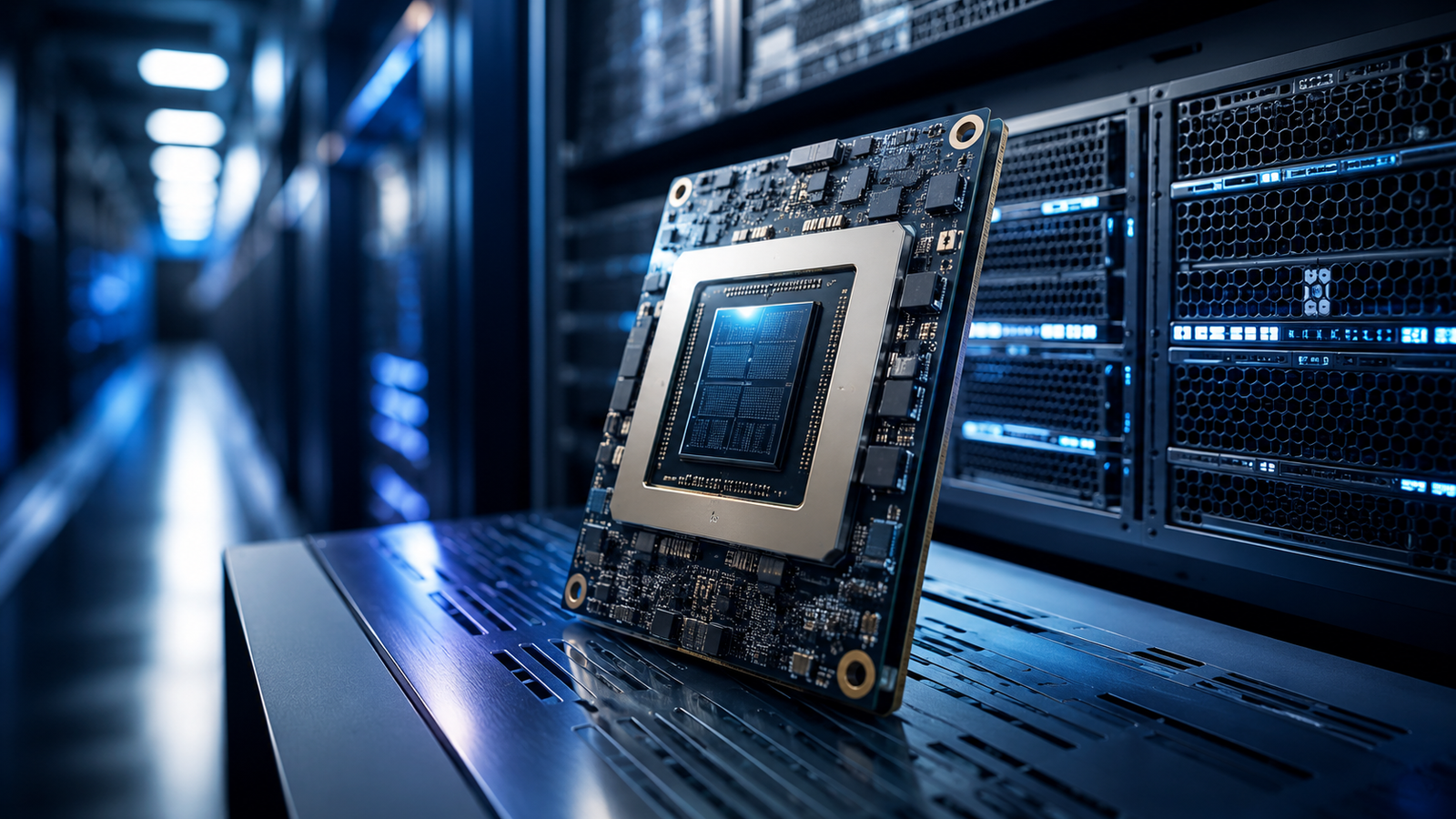
While Nvidia, AMD, Microsoft, and cloud providers continue dominating headlines, the underlying infrastructure required to support artificial intelligence is creating ripple effects across multiple industries — including mining, utilities, industrials, and energy.
AI data centers consume enormous amounts of electricity and require massive physical infrastructure. This creates growing demand not only for semiconductors but also for copper wiring, aluminum systems, steel, energy grids, cooling systems, and battery storage technologies.
As a result, commodity markets are becoming increasingly linked to technology investment cycles.
According to Goldman Sachs analysts earlier this year, AI-related infrastructure demand could become one of the largest drivers of industrial commodity consumption over the next decade.
That shift is creating new opportunities for investors seeking exposure to the AI boom beyond traditional mega-cap technology stocks.
Risks Investors Should Watch
Despite the bullish long-term outlook, metals and mining markets still face important risks.
China remains a major variable for industrial metals demand. Slower Chinese economic growth or weakness in the property sector could weigh on copper consumption and broader commodity markets.
Commodity prices also remain sensitive to geopolitical developments, currency fluctuations, and interest-rate policy.
If global growth weakens significantly, industrial metals could face short-term pressure despite strong long-term structural demand trends.
Mining companies themselves face operational challenges including:
- Rising production costs
- Environmental regulations
- Political risks in resource-rich regions
- Supply-chain disruptions
- Capital expenditure requirements
Investors should therefore remain selective and focus on companies with strong balance sheets, scalable production assets, and exposure to long-term structural demand trends.
Future Trends Investors Should Watch
Several major themes are likely to shape the future of metals and mining markets:
1. AI Infrastructure Commodity Demand
Copper, aluminum, and energy-related metals may continue benefiting from AI data-center expansion.
2. Electrification and Renewable Energy
Electric vehicles, grid modernization, and battery systems are driving long-term critical mineral demand.
3. Central Bank Gold Purchases
Ongoing reserve diversification could continue supporting precious metals prices globally.
4. Supply Constraints
Years of underinvestment in mining projects may create future supply shortages for key industrial metals.
5. Geopolitical Resource Competition
Governments are increasingly treating critical minerals as strategic assets tied to national security and industrial policy.
Key Investment Insight
Gold and copper are benefiting from two of the market’s most powerful narratives: macroeconomic uncertainty and the global AI infrastructure boom.
Gold continues attracting investors seeking protection against volatility, currency weakness, and geopolitical risk. Meanwhile, copper is increasingly emerging as one of the most important commodities supporting the next generation of digital infrastructure and electrification systems.
For investors, the opportunity may extend beyond commodity prices alone.
Mining companies with exposure to critical minerals, scalable production assets, and strong operational discipline could continue outperforming if AI-related infrastructure spending remains elevated over the coming years.
As markets evolve, understanding how technology, energy, and commodities intersect may become essential for identifying the next generation of investment winners.
Stay ahead of the latest commodity, mining, and global market trends with MoneyNews.Today, your trusted source for daily investor insights and financial analysis.