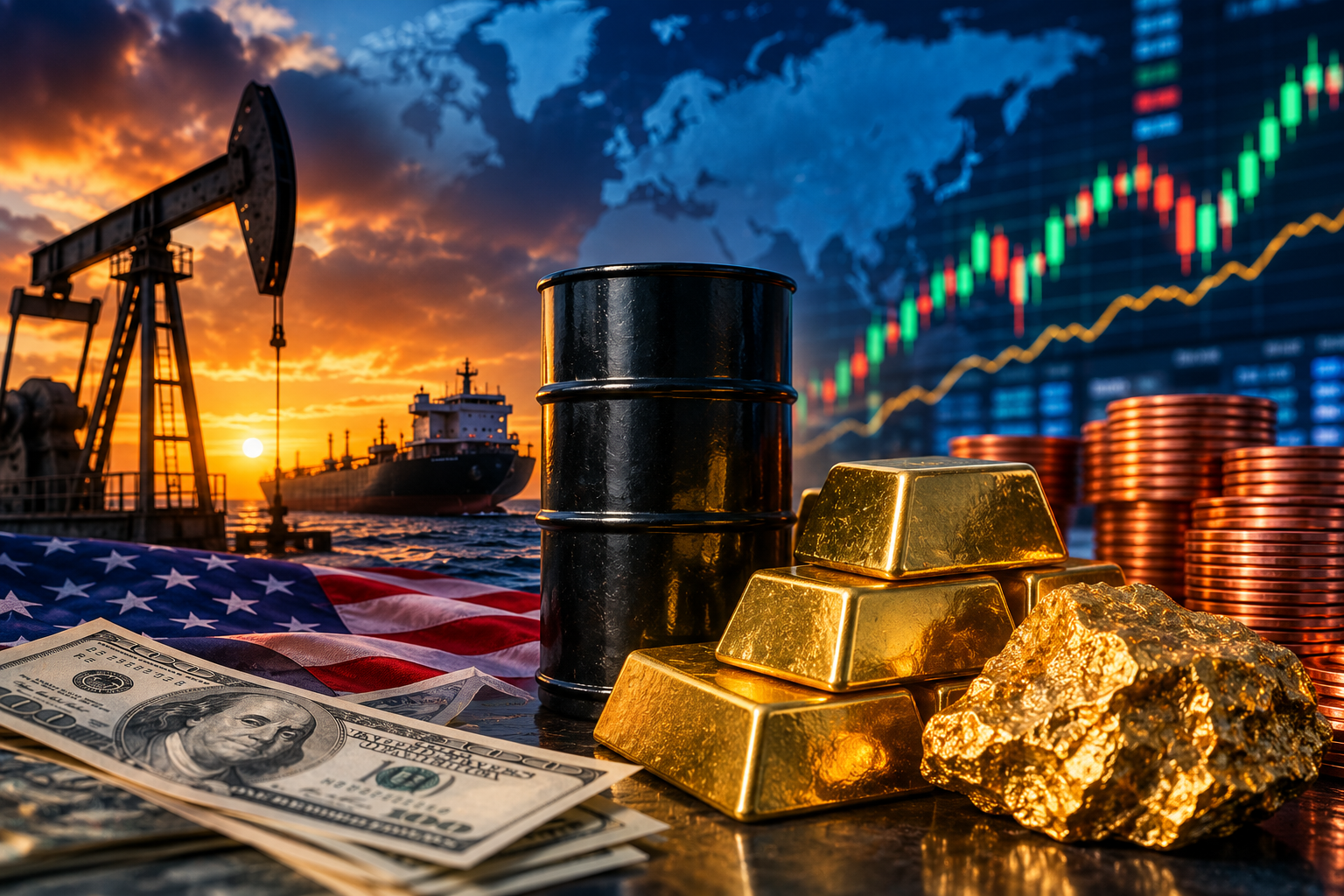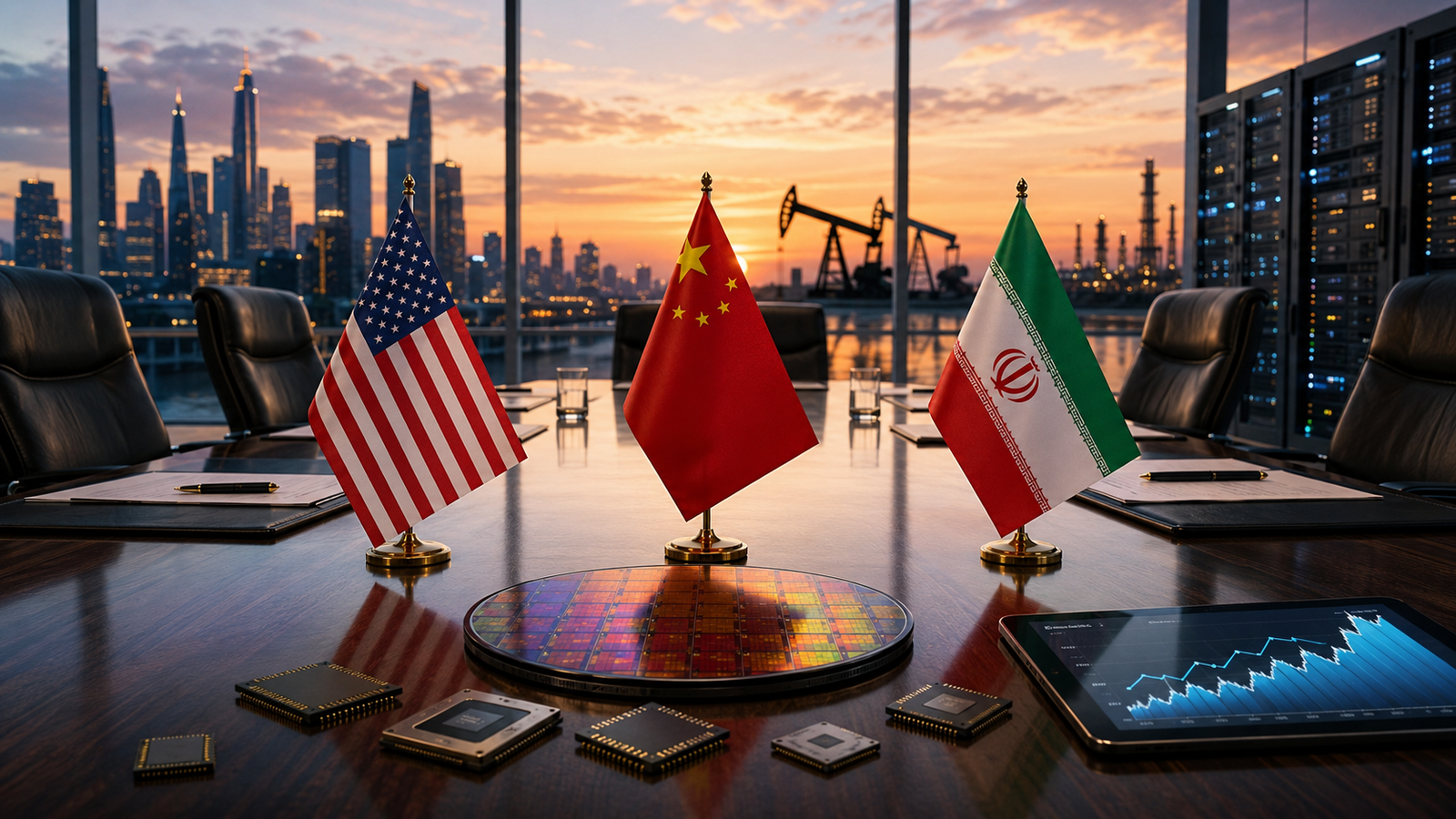
Global markets are once again being shaped as much by diplomacy as by earnings reports.
On May 7, 2026, investors across Wall Street and international markets closely monitored two major geopolitical developments with potentially far-reaching economic consequences: reports of a possible summit between former President Donald Trump and Chinese President Xi Jinping in Beijing, and growing optimism surrounding ongoing U.S.-Iran peace negotiations.
According to Reuters, AP, and broader global market coverage, both developments helped fuel a strong rally in equities while pushing oil prices lower as investors bet on easing geopolitical tensions and improving economic stability.
Technology stocks surged, semiconductor shares extended gains tied to the artificial intelligence boom, and broader risk appetite strengthened across global markets. The combination of falling energy prices and hopes for reduced trade tensions created one of the strongest geopolitical tailwinds markets have seen in months.
For investors, the message is increasingly clear: geopolitics is once again becoming one of the most powerful drivers of global capital flows.
Trade policy, energy security, artificial intelligence regulation, semiconductor restrictions, and international diplomacy are now directly influencing equity valuations, commodity prices, and sector leadership across markets.
Markets Are Trading on Diplomacy Again
Over the past several years, investors have become increasingly sensitive to geopolitical developments.
Trade wars, sanctions, military conflicts, supply-chain disruptions, and energy volatility have repeatedly reshaped global market sentiment. Today’s environment reflects a growing realization that political negotiations may significantly influence the direction of financial markets in the years ahead.
The prospect of a Trump-Xi summit is especially important because U.S.-China relations sit at the center of several critical global investment themes:
- Semiconductor trade restrictions
- Artificial intelligence competition
- Taiwan-related tensions
- Supply-chain security
- Technology regulation
- Industrial policy
- Global manufacturing stability
Reuters reported that discussions surrounding the potential summit may focus heavily on stabilizing trade relations and addressing AI-related policy concerns.
For markets, even the possibility of renewed diplomatic engagement between the world’s two largest economies is enough to improve investor sentiment.
Technology and semiconductor stocks reacted positively because many companies remain heavily exposed to cross-border supply chains and international demand. Investors are hoping that improved diplomatic communication could reduce the likelihood of escalating trade restrictions or further disruption to global semiconductor markets.
At the same time, optimism surrounding U.S.-Iran negotiations helped ease fears about energy supply disruptions in the Middle East — one of the world’s most strategically important oil-producing regions.
That combination of improving trade sentiment and lower energy concerns created a powerful rally environment across global equities.
Why Semiconductors Are at the Center of Geopolitical Markets
Few industries illustrate the connection between politics and investing more clearly than semiconductors.
Advanced chips have become essential infrastructure for artificial intelligence, cloud computing, defense systems, and economic competitiveness. As a result, semiconductors are increasingly viewed not simply as commercial products, but as strategic geopolitical assets.
The United States has imposed multiple rounds of export restrictions targeting advanced AI chips and semiconductor manufacturing technology destined for China. Washington argues that these restrictions are necessary to protect national security and maintain technological leadership.
China, meanwhile, has accelerated efforts to build domestic chip production capacity and reduce dependence on Western suppliers.
This geopolitical competition has created significant volatility across semiconductor markets over the past several years.
Companies such as Nvidia, AMD, Taiwan Semiconductor Manufacturing Company (TSMC), ASML, and Broadcom are now deeply affected by trade policy decisions and diplomatic relations between major global powers.
According to Bloomberg and Morgan Stanley analysts earlier this year, AI-related semiconductor demand remains one of the strongest growth drivers in global markets. However, geopolitical tensions continue representing a major risk factor for the industry.
Investors are therefore closely watching whether diplomatic engagement could eventually stabilize portions of the global semiconductor trade environment.
Even small improvements in U.S.-China relations could reduce uncertainty surrounding export restrictions, supply chains, and long-term AI infrastructure investment.
Oil Prices Are Becoming a Key Political Indicator
The market reaction to U.S.-Iran negotiations highlights how closely geopolitical developments are tied to energy markets.
Oil prices declined sharply after reports suggested progress toward reducing tensions and improving regional stability. Investors interpreted the news as potentially reducing risks tied to the Strait of Hormuz — one of the world’s most critical shipping routes for global energy supplies.
Lower oil prices have broad implications for markets.
Falling energy costs can:
- Ease inflationary pressure
- Improve consumer spending conditions
- Reduce manufacturing and transportation expenses
- Support corporate profit margins
- Increase flexibility for central banks
This dynamic helped fuel gains across technology, industrial, transportation, and consumer-related sectors.
For equity investors, lower oil prices are particularly important because they may reduce pressure on the Federal Reserve to maintain restrictive monetary policy.
Markets are increasingly betting that easing energy inflation could create a more supportive environment for growth stocks and risk assets.
However, investors should also recognize that energy producers may face pressure if oil prices continue declining sharply.
Artificial Intelligence Is Now a Geopolitical Asset Class
One of the most important shifts happening in global markets is the transformation of artificial intelligence into a geopolitical issue.
AI is no longer simply a commercial technology trend driven by private companies. Governments now view AI leadership as essential to economic competitiveness, military capability, cybersecurity, and national security.
This explains why AI policy discussions are expected to be a major focus of any potential Trump-Xi summit.
According to Reuters reporting and policy analysis from think tanks including Brookings and the Center for Strategic and International Studies (CSIS), governments worldwide are increasingly concerned about:
- AI regulation
- Semiconductor access
- Data sovereignty
- Cybersecurity threats
- Autonomous systems
- AI-driven misinformation
- National AI infrastructure
For investors, this means AI-related companies are becoming increasingly sensitive to government policy decisions and international relations.
Cloud infrastructure providers, semiconductor manufacturers, cybersecurity firms, and defense-technology companies could all be significantly affected by future geopolitical developments tied to AI governance.
Why Multinational Companies Are Watching Closely
Large multinational corporations remain highly exposed to geopolitical risk.
Technology firms, industrial manufacturers, logistics providers, and global supply-chain operators all depend on stable trade relationships and predictable international policy environments.
Companies with heavy exposure to China or the Asia-Pacific region are especially sensitive to diplomatic developments involving Taiwan, trade restrictions, and semiconductor exports.
At the same time, energy-intensive industries closely monitor Middle East stability because disruptions in oil markets can quickly impact production costs and inflation expectations.
This environment is forcing many corporations to rethink supply-chain strategies, manufacturing diversification, and geopolitical risk management.
Investors are increasingly rewarding companies capable of maintaining resilient global operations amid political uncertainty.
Future Trends Investors Should Watch
Several geopolitical and market themes are likely to shape the next phase of global investing:
1. U.S.-China Technology Policy
Trade negotiations and AI-related policy decisions could significantly influence semiconductor and technology markets.
2. Middle East Energy Stability
Oil prices remain highly sensitive to diplomatic developments involving Iran and regional security.
3. AI Regulation Expansion
Governments are expected to increase oversight of artificial intelligence infrastructure and advanced computing technologies.
4. Supply-Chain Localization
Companies may continue shifting manufacturing operations to reduce geopolitical risk exposure.
5. Defense and Cybersecurity Spending
Rising geopolitical uncertainty is accelerating investment in defense technology and cybersecurity systems globally.
Key Investment Insight
Geopolitics is once again becoming one of the dominant forces driving global financial markets.
Investors are increasingly recognizing that diplomacy, trade policy, energy security, and artificial intelligence governance can significantly influence market performance alongside earnings and economic data.
The potential Trump-Xi summit and ongoing U.S.-Iran negotiations highlight how quickly geopolitical sentiment can impact equities, commodities, technology stocks, and investor confidence.
Sectors most exposed to these developments — including semiconductors, energy, industrials, cybersecurity, and multinational technology firms — may continue experiencing elevated volatility and opportunity as negotiations evolve.
Lower oil prices and improving diplomatic conditions could continue supporting equity markets if progress continues. However, geopolitical risks remain highly fluid, meaning investors should remain diversified and closely monitor policy developments globally.
Understanding the intersection between politics, economics, and technology may become increasingly essential for long-term investors navigating modern financial markets.
Stay informed on the biggest geopolitical and market-moving stories with MoneyNews.Today, your trusted source for daily investor insights and financial analysis.