Wall Street is once again testing record territory, with investors pushing U.S. equities higher despite a growing list of macroeconomic and geopolitical concerns. Rising oil prices, persistent inflation pressures, and escalating tensions surrounding stalled U.S.-Iran negotiations would normally be enough to trigger a broader market pullback. Instead, the market’s powerful artificial intelligence-driven earnings cycle continues overpowering bearish sentiment.
The S&P 500 and Nasdaq remain close to historic highs as investors pour capital into mega-cap technology names tied to the global AI expansion. Companies leading the artificial intelligence infrastructure race are delivering earnings growth strong enough to offset concerns surrounding interest rates, energy costs, and geopolitical instability.
The latest rally underscores a major shift in investor psychology in 2026: AI is no longer viewed as a speculative trend but as a long-term economic transformation reshaping corporate profitability, capital spending, and global competitiveness.
For investors, the key question now is whether the AI-fueled market rally can continue climbing while inflation risks and geopolitical uncertainty remain elevated.
AI Earnings Continue Fueling the Market Rally
The dominant force behind Wall Street’s resilience remains the explosive earnings momentum generated by AI-related companies.
Mega-cap technology firms including Microsoft, Nvidia, Alphabet, Amazon, and Meta Platforms continue reporting strong revenue growth tied to cloud computing, AI infrastructure, enterprise software, and data-center expansion. These companies have become the primary engines powering broader market performance.
According to Reuters and Investopedia, analysts at several major banks — including HSBC — recently raised their year-end S&P 500 targets, citing stronger-than-expected corporate earnings and continued AI investment momentum.
Nvidia remains one of the clearest examples of the market’s AI enthusiasm. The company’s data-center revenue growth has continued exceeding Wall Street expectations as global demand for AI chips and computing infrastructure accelerates. Meanwhile, Microsoft and Amazon are benefiting from rising enterprise spending on AI-powered cloud services and automation tools.
This earnings strength is helping investors justify elevated market valuations even as Treasury yields remain relatively high.
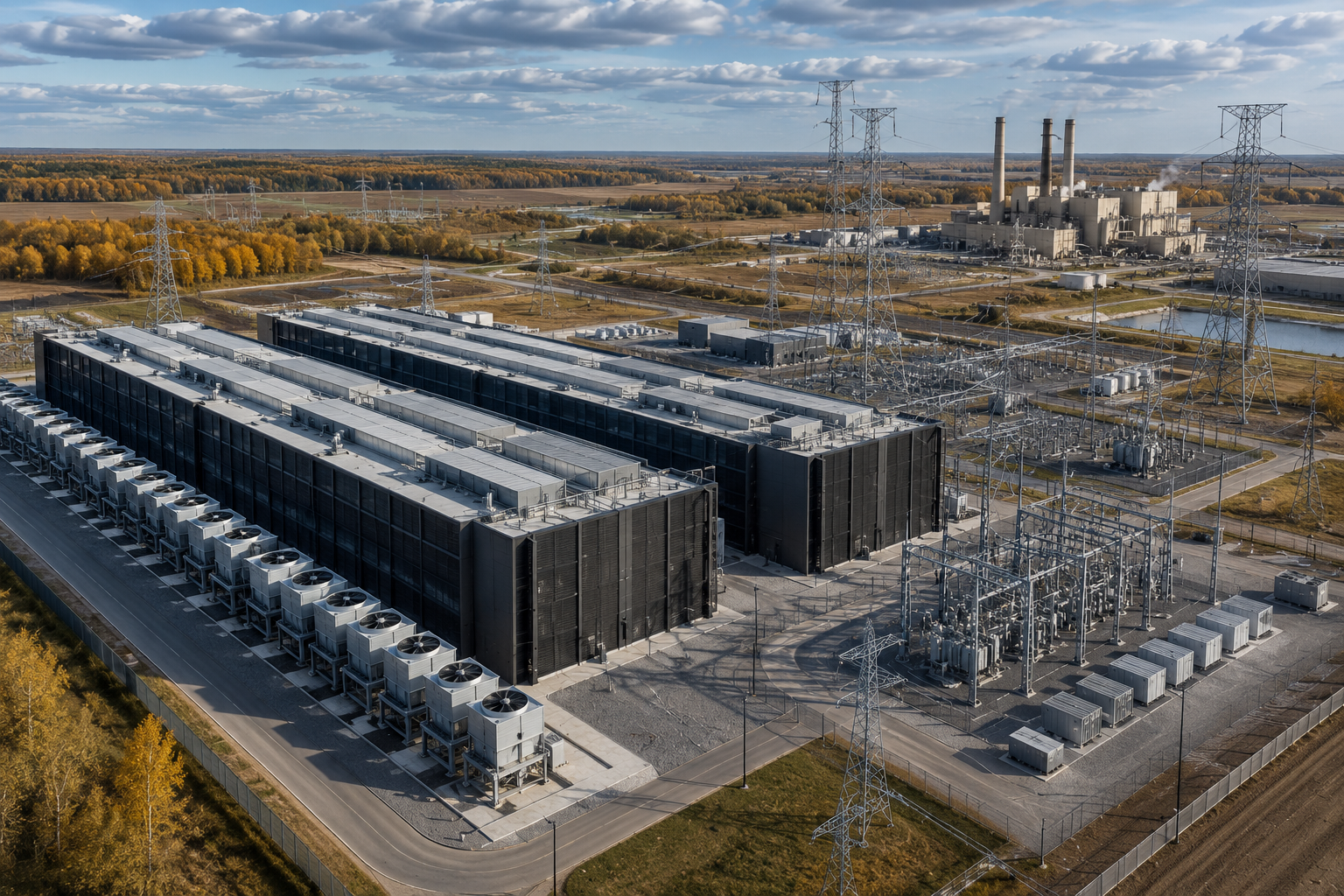
The AI investment boom is also spreading beyond software and semiconductors into networking, energy infrastructure, cybersecurity, industrial automation, and optical technology. Investors are increasingly treating AI as a broad economic ecosystem rather than a narrow technology theme.
That shift is one reason why market breadth has improved in recent months, with AI-linked optimism lifting multiple sectors across the broader economy.
Inflation Risks Still Loom Over Markets
Despite the optimism, inflation remains one of the largest risks facing investors.
Recent U.S. economic data has shown continued resilience in consumer spending and labor markets, complicating expectations for Federal Reserve interest rate cuts. While inflation has moderated from previous highs, price pressures remain persistent enough to keep policymakers cautious.
Higher-for-longer interest rates present a challenge for equity markets because elevated borrowing costs can pressure corporate margins and reduce valuation multiples.
Historically, growth stocks — especially technology companies — are particularly sensitive to rising bond yields because much of their value is tied to future earnings growth.
However, investors appear increasingly willing to tolerate higher interest rates if AI-driven earnings growth remains strong enough to offset macroeconomic pressures.
According to Bloomberg and Federal Reserve commentary cited across financial markets this week, traders continue debating whether the Fed will delay potential easing measures deeper into the year if inflation remains sticky.
That uncertainty is creating a delicate balancing act for markets.
If inflation accelerates again due to higher oil prices or stronger economic growth, markets could face renewed volatility. On the other hand, if inflation gradually cools while AI earnings remain robust, equities may continue climbing toward new highs.
Oil Prices and Iran Tensions Add Another Layer of Risk
Geopolitical tensions are also becoming a more significant factor for investors.
Recent reports surrounding stalled U.S.-Iran negotiations have increased concerns about potential disruptions in global energy markets. Oil prices have climbed as traders assess the possibility of tighter supply conditions and broader instability in the Middle East.
Historically, rising oil prices can act as a hidden tax on consumers and businesses, potentially slowing economic growth while simultaneously pushing inflation higher.
That dynamic matters because energy-driven inflation could further complicate Federal Reserve policy decisions.
Markets are currently betting that AI-related productivity gains and corporate earnings growth can absorb these external shocks. However, geopolitical events remain notoriously unpredictable.
Analysts at several investment banks have warned that a sustained oil rally above current levels could eventually pressure equity valuations, particularly in consumer-driven sectors.
At the same time, energy stocks themselves have benefited from the recent commodity rebound. This has created an interesting market dynamic where investors are simultaneously rotating into both high-growth AI companies and traditional energy producers.
The coexistence of those themes highlights how fragmented and complex the current market environment has become.
Why Investors Are Still Bullish
One reason investors remain optimistic is that corporate America continues showing remarkable resilience.
Earnings growth across major sectors has consistently outperformed expectations, particularly among companies with direct exposure to AI infrastructure spending. Capital expenditures tied to data centers, cloud computing, semiconductors, and automation remain extremely strong.
McKinsey and Goldman Sachs have both published research suggesting that AI could eventually contribute trillions of dollars to global economic output over the next decade. Investors are increasingly pricing in the belief that companies leading the AI race will capture a disproportionate share of that future growth.
There is also growing optimism that AI-driven productivity improvements could eventually help offset inflationary pressures across the broader economy.
For example, companies implementing AI automation may reduce labor costs, improve operational efficiency, and increase profit margins over time. If productivity gains accelerate, they could help support economic growth even in a higher-rate environment.
This narrative is becoming one of the market’s most important bullish arguments.
Meanwhile, institutional investors continue increasing exposure to technology and AI-focused equities through ETFs, pension allocations, and large-cap growth funds.
According to Bank of America’s latest fund manager survey, AI remains one of the most crowded but also most favored investment themes globally.
Future Trends Investors Should Watch
Several major developments are likely to shape market direction in the months ahead.
First, investors should closely monitor upcoming inflation reports and Federal Reserve commentary. Any signs that inflation is reaccelerating could trigger renewed volatility across growth stocks.
Second, AI earnings momentum will remain critical. Investors are watching whether current spending levels from hyperscalers and enterprise customers can continue supporting elevated valuations throughout 2026.
Third, geopolitical developments involving Iran, China, and global trade policy could significantly impact commodity markets and investor sentiment.
Fourth, investors should pay attention to sectors benefiting indirectly from the AI boom. Power utilities, semiconductor equipment makers, cybersecurity firms, cooling technology providers, and networking companies are increasingly becoming important parts of the AI investment ecosystem.
Finally, market concentration risk remains an important issue. A significant portion of recent gains has been driven by a relatively small group of mega-cap technology stocks. If earnings growth slows among those leaders, broader market weakness could emerge quickly.
Key Investment Insight
Wall Street’s ability to remain near record highs despite inflation concerns and geopolitical risks demonstrates how powerful the AI investment cycle has become. Investors are increasingly prioritizing earnings growth and long-term technological transformation over short-term macroeconomic uncertainty.
However, risks remain elevated. Inflation data, Federal Reserve policy decisions, oil prices, and geopolitical tensions all have the potential to pressure valuations if conditions deteriorate.
For investors, diversification within the AI ecosystem may offer one of the most attractive opportunities moving forward. While mega-cap technology companies continue leading the rally, second-order beneficiaries in infrastructure, energy, cybersecurity, networking, and industrial automation could also see substantial long-term growth.
The market narrative is evolving rapidly, and staying informed is essential in an environment where AI innovation, macroeconomics, and geopolitics are increasingly interconnected. Follow MoneyNews.Today for daily investor insights, market analysis, and breaking developments shaping the future of global finance.