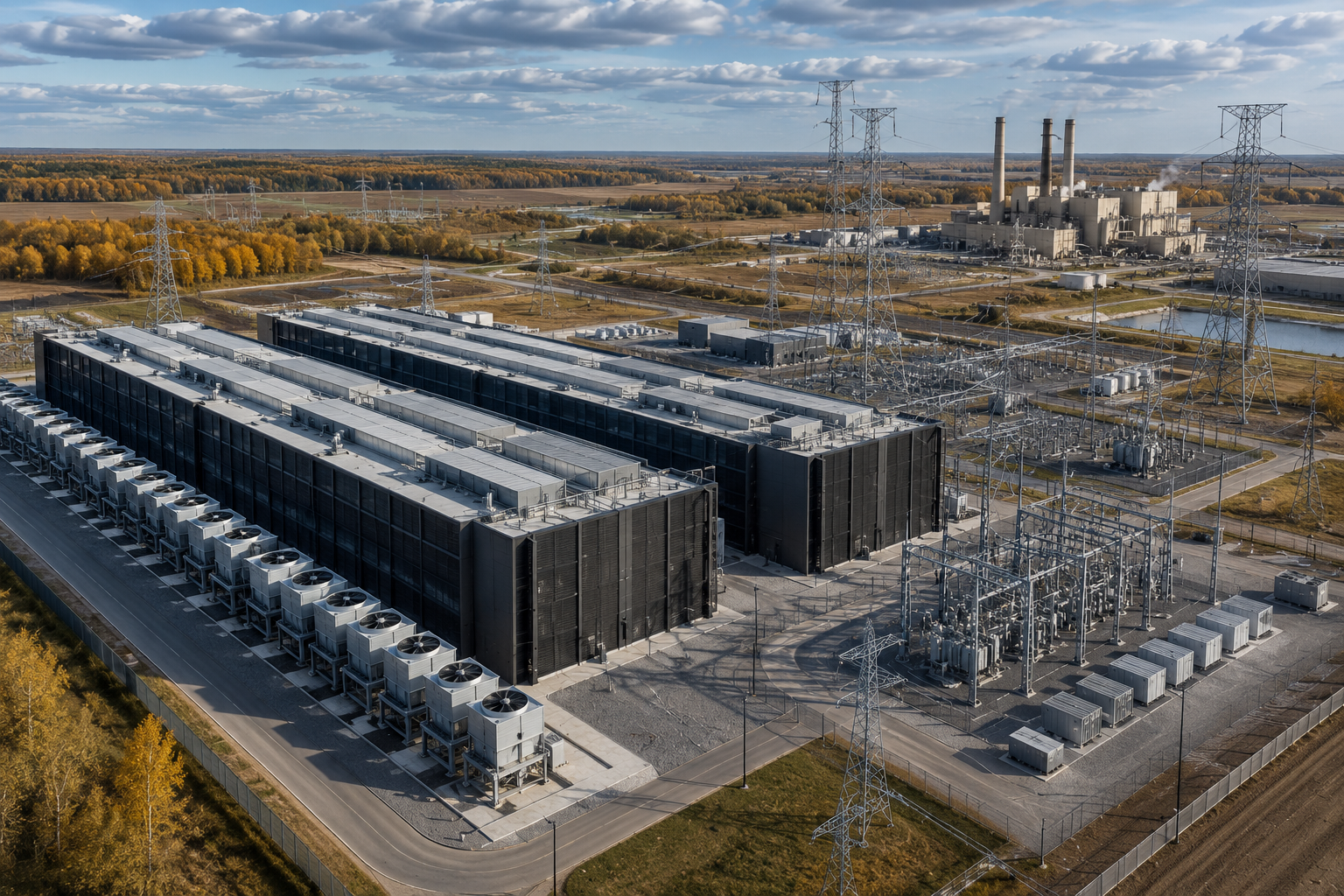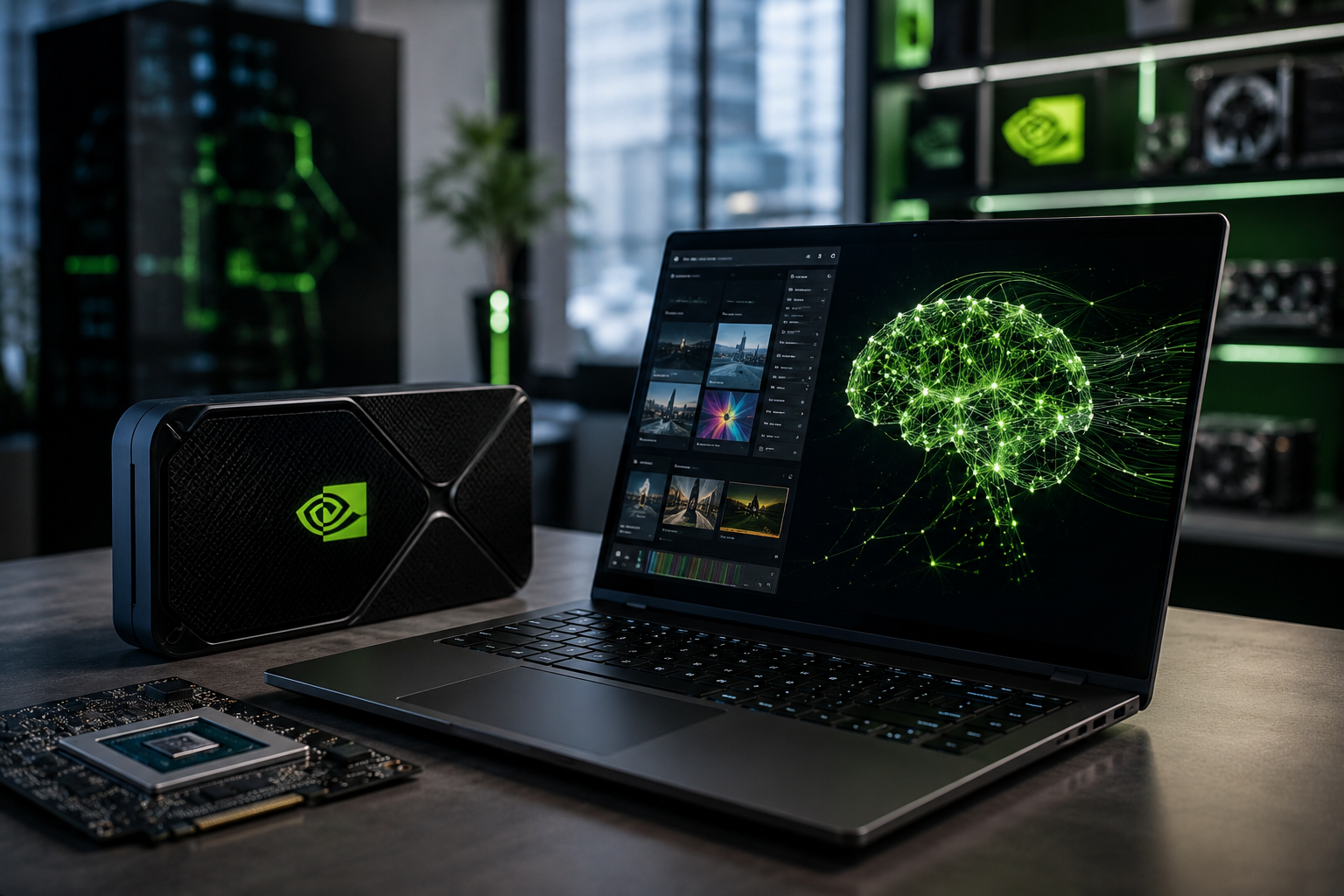
For much of the artificial intelligence boom, Nvidia has been synonymous with data centers. The company’s advanced graphics processors have become the foundation of modern AI infrastructure, powering everything from large language models to enterprise AI applications. But Nvidia’s latest strategic move suggests the next battleground in artificial intelligence may not be inside hyperscale data centers—it could be sitting on consumers’ desks.
Speaking at a major technology event, Nvidia CEO Jensen Huang announced that the company has secured sufficient supply to support robust AI-related growth while unveiling a new generation of AI-focused PC chips designed to bring advanced artificial intelligence capabilities directly to personal computers.
The announcement marks a significant expansion of Nvidia’s addressable market and signals the company’s intention to compete more aggressively in the emerging AI PC category. It also intensifies competition with industry giants including Intel, AMD, and Apple, all of which are racing to position themselves at the center of the next computing upgrade cycle.
For investors, the implications extend well beyond Nvidia itself. If AI-powered PCs become mainstream, a broad ecosystem of semiconductor suppliers, PC manufacturers, software developers, and hardware component companies could benefit from a new wave of technology spending.
The Next Phase of the AI Revolution
The first stage of the AI boom was largely defined by infrastructure.
Cloud providers, data center operators, and semiconductor manufacturers experienced unprecedented demand as businesses rushed to build the computing resources necessary to train and deploy advanced AI models.
Now, attention is increasingly shifting toward AI deployment at the edge—bringing artificial intelligence directly onto devices rather than relying entirely on cloud-based processing.
This trend is driving interest in AI PCs, a new category of computers designed with dedicated hardware capable of running AI applications locally.
Industry analysts believe on-device AI could transform how consumers and businesses interact with technology. Tasks such as content generation, video editing, software development, language translation, cybersecurity monitoring, and personal productivity may increasingly be handled directly by AI-enabled PCs.
Nvidia’s latest announcement positions the company to participate in this emerging market rather than remaining solely focused on large-scale data center infrastructure.
Why Nvidia’s Move Matters
Nvidia’s success over the past several years has been closely tied to explosive demand for AI accelerators used in data centers.
However, even the strongest growth markets eventually mature.
Expanding into AI-powered personal computing gives Nvidia access to an entirely new growth opportunity.
According to Reuters, Jensen Huang emphasized that Nvidia has secured sufficient supply capacity to support ongoing demand growth. This is a significant development because supply constraints have historically limited the company’s ability to fully capitalize on AI demand.
By extending its AI expertise into the PC market, Nvidia gains several strategic advantages.
Diversifying Revenue Streams
Data centers remain a critical growth engine, but broadening into AI PCs reduces reliance on a single market segment.
A successful AI PC strategy could create additional revenue opportunities across consumer, enterprise, and professional computing categories.
Expanding AI Adoption
Many organizations remain concerned about latency, privacy, and security when using cloud-based AI services.
Running AI workloads locally on devices can address some of these concerns while reducing dependence on external infrastructure.
This could accelerate adoption across industries that require greater control over sensitive data.
Strengthening Ecosystem Influence
As AI becomes embedded across more devices, Nvidia has an opportunity to strengthen its role within the broader technology ecosystem.
The company is increasingly positioning itself not simply as a chipmaker but as a platform provider for AI-enabled computing.
The AI PC Market Could Be the Next Major Upgrade Cycle
Technology investors are already comparing the AI PC opportunity to previous transformational upgrade cycles.
Historically, major innovations such as the internet, mobile computing, cloud software, and smartphones created years of hardware and software demand.
Many analysts believe AI PCs could become the next catalyst.
Research firms including IDC, Gartner, and Canalys have projected significant growth in AI-capable PC shipments over the next several years. Enterprise customers are expected to play a particularly important role as businesses seek productivity improvements through AI-enhanced workflows.
The investment thesis is straightforward.
If organizations determine that AI-enabled devices can improve efficiency, reduce costs, and enhance employee productivity, large-scale hardware refresh cycles could follow.
This would benefit multiple segments of the technology industry simultaneously.
Competition Is Intensifying
Nvidia’s move into AI PCs also highlights how competitive the AI market has become.
Intel
Intel has aggressively promoted its own AI PC initiatives, integrating dedicated neural processing units (NPUs) into its latest processors.
The company views AI-enabled computing as a critical opportunity to revive growth in the PC market.
AMD
AMD has introduced AI-focused processors designed to compete directly in both consumer and enterprise computing.
The company’s growing presence in AI infrastructure and personal computing positions it as a major competitor in the emerging category.
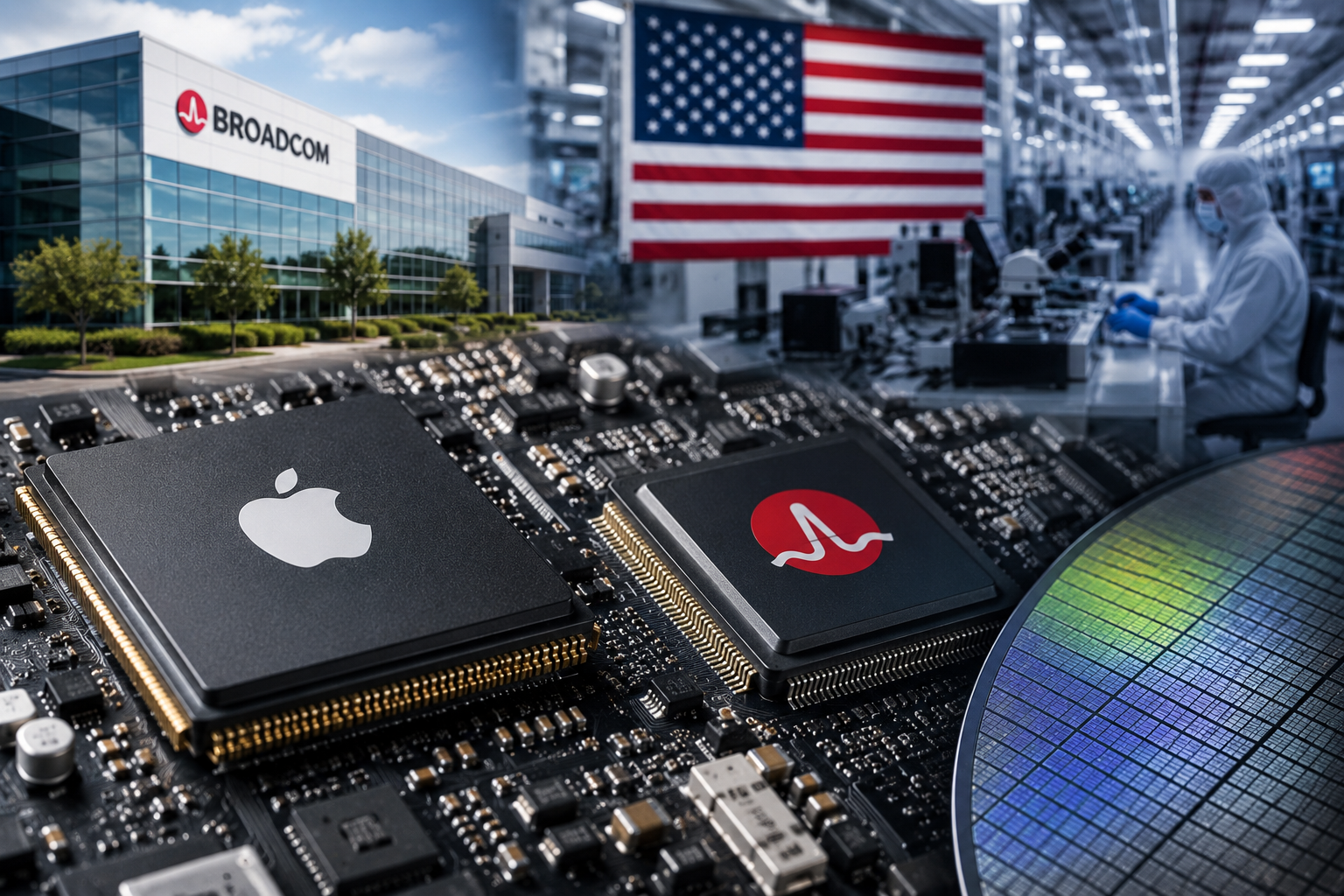
Apple
Apple has already integrated AI-focused hardware capabilities into its silicon ecosystem.
With strong control over both hardware and software, Apple remains a formidable competitor as on-device AI adoption accelerates.
The competition among these technology leaders will likely drive rapid innovation and increase investment throughout the sector.
For investors, understanding which companies are best positioned to capture market share could become an increasingly important consideration.
The Hidden Beneficiaries of AI PCs
While Nvidia may attract the headlines, the broader supply chain could offer additional opportunities.
Component Manufacturers
AI PCs require advanced memory solutions, storage technologies, sensors, and power management systems.
Companies supplying these components could benefit from increasing demand.
PC Manufacturers
Major PC vendors stand to gain if AI functionality encourages consumers and businesses to upgrade aging devices.
A renewed replacement cycle could provide a meaningful boost to industry growth.
Software Developers
The success of AI PCs depends largely on software.
Companies developing applications optimized for on-device AI may become significant beneficiaries as adoption expands.
Semiconductor Equipment Providers
Increased chip demand often creates downstream opportunities for companies involved in semiconductor manufacturing equipment and production technologies.
These firms could benefit as AI-related chip production continues to grow.
Risks Investors Should Watch
Despite the excitement surrounding AI PCs, several risks remain.
Adoption Uncertainty
Consumers and businesses must see meaningful value before embracing AI-powered hardware upgrades.
If compelling use cases fail to emerge, adoption could progress more slowly than expected.
Pricing Challenges
Advanced AI hardware may increase device costs.
Higher prices could limit adoption, particularly among budget-conscious consumers and smaller businesses.
Competitive Pressure
The AI PC market is becoming crowded.
Intense competition could pressure margins and create pricing challenges across the industry.
Economic Conditions
Corporate IT spending remains sensitive to economic conditions.
Any slowdown in business investment could impact demand for AI-enabled devices.
Future Trends Investors Should Watch
Several developments could shape the future of AI-powered computing.
First, enterprise adoption rates will provide important insight into whether AI PCs are delivering measurable productivity benefits.
Second, software ecosystems will play a crucial role. Investors should watch for applications specifically designed to leverage on-device AI capabilities.
Third, semiconductor innovation will remain critical. Continued improvements in performance and efficiency could accelerate adoption.
Finally, investors should monitor whether AI PCs generate a meaningful hardware replacement cycle similar to previous technology transitions.
If that occurs, the impact could extend throughout the technology sector.
Key Investment Insight
Nvidia’s expansion into AI-powered PCs represents more than a product launch—it signals the next phase of artificial intelligence adoption.
As AI moves beyond cloud infrastructure and into personal computing devices, the opportunity set for investors may broaden significantly. While Nvidia remains a central beneficiary, the potential winners include PC manufacturers, component suppliers, semiconductor firms, and software developers building the applications that will define the AI PC era.
The companies that successfully enable and monetize on-device AI could become some of the biggest beneficiaries of the next technology upgrade cycle. Investors should closely monitor adoption trends, ecosystem development, and competitive positioning as the AI PC market evolves.
Stay informed with MoneyNews.Today for daily investor insights, market-moving developments, and expert analysis on the technologies shaping the future of investing and global markets.