As artificial intelligence stocks push major equity indexes toward record highs, another asset class is quietly capturing investor attention: gold.
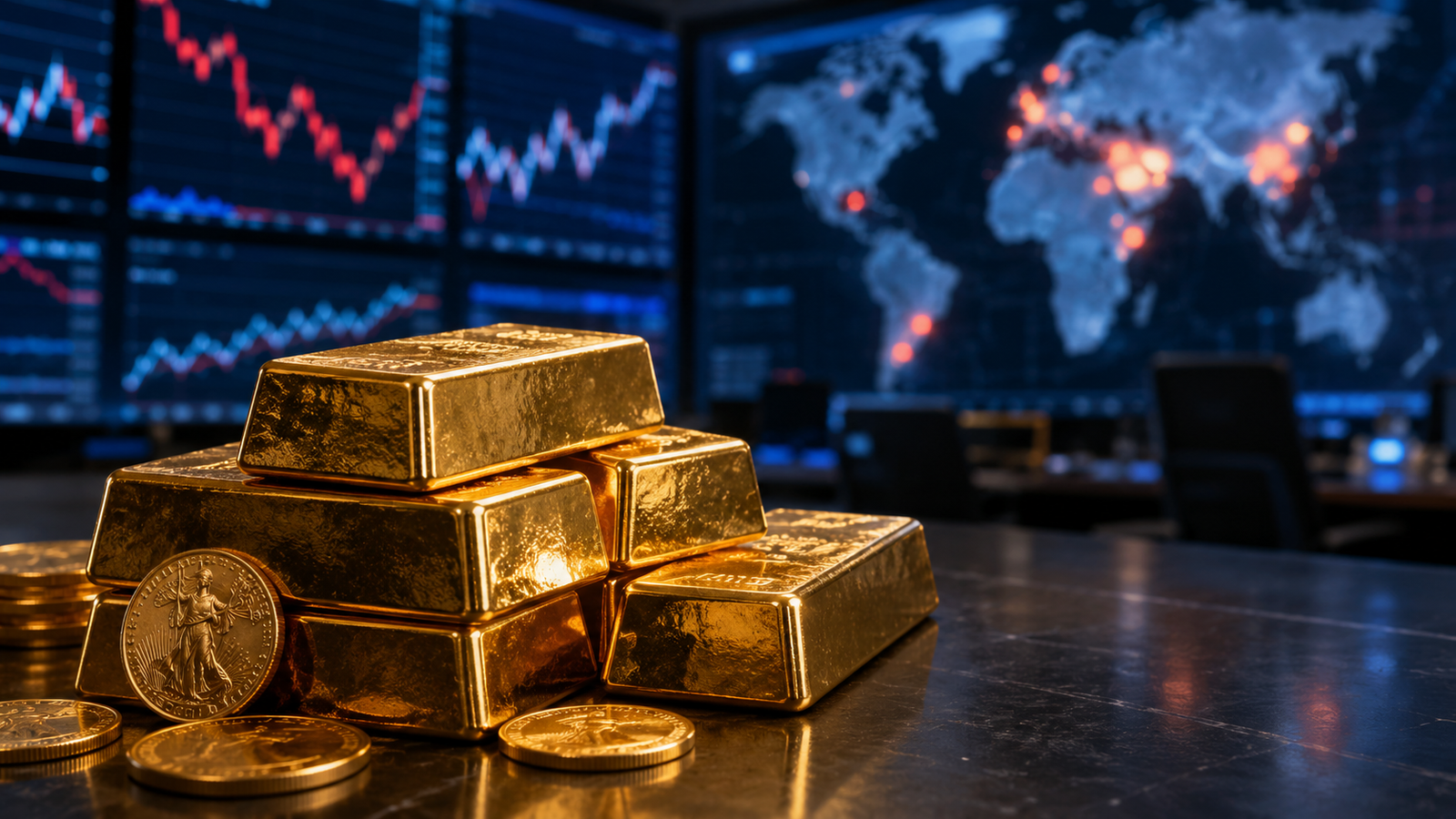
The precious metal continues attracting strong demand as investors navigate a market environment defined by geopolitical uncertainty, persistent inflation concerns, and unanswered questions about the future direction of global monetary policy. Despite the resilience of the stock market and continued enthusiasm surrounding technology investments, many investors are increasing exposure to gold as a hedge against risks that could disrupt financial markets.
According to Reuters, gold prices have remained well-supported amid ongoing tensions in the Middle East, uncertainty surrounding central bank policy decisions, and concerns that inflation may prove more persistent than previously expected. The trend highlights a notable shift in investor behavior, as market participants seek both growth opportunities and portfolio protection in an increasingly complex economic landscape.
For investors, the story extends beyond gold itself. The current environment is creating opportunities across the broader metals and mining sector, including gold miners, royalty companies, copper producers, and critical mineral suppliers tied to artificial intelligence infrastructure and global electrification trends.
Why Gold Is Attracting Investors Again
Gold has served as a store of value for centuries, but its appeal often increases during periods of uncertainty.
Historically, investors have turned to gold when faced with geopolitical tensions, currency volatility, inflationary pressures, or concerns about economic stability. Today’s market environment contains elements of all four.
Recent geopolitical developments in the Middle East have raised concerns about energy markets, global trade routes, and broader economic stability. While financial markets have remained relatively resilient, investors continue monitoring developments closely.
At the same time, inflation remains a key concern.
Although inflation has moderated from peak levels seen earlier in the decade, many economists and market participants believe price pressures could remain elevated longer than expected. Rising wages, supply chain adjustments, energy market volatility, and ongoing government spending initiatives all contribute to inflation uncertainty.
Gold is often viewed as a hedge against inflation because its value tends to hold up during periods when purchasing power declines.
These combined factors have helped support demand even as equities continue reaching new highs.
The Federal Reserve and the Gold Outlook
One of the most important variables influencing gold prices remains monetary policy.
Gold does not generate income or dividends, making interest rates particularly significant. When rates rise, investors can often earn higher returns from bonds and cash-equivalent investments, reducing gold’s relative attractiveness.
Conversely, when investors expect interest rates to decline or remain stable, gold often benefits.
The Federal Reserve’s future policy path remains one of the most closely watched issues in global financial markets.
Investors continue analyzing inflation reports, labor market data, and economic growth indicators for clues about future interest rate decisions.
Research from major financial institutions including Goldman Sachs, JPMorgan, and Bank of America suggests that monetary policy expectations will remain a major driver of precious metals performance throughout 2026.
Any signs that inflation remains sticky or that rate cuts could be delayed may increase demand for portfolio hedges, including gold.
For this reason, many investors view gold not only as a geopolitical hedge but also as a monetary policy hedge.
Gold’s Unusual Relationship With Stocks
One of the most interesting aspects of the current market environment is that gold and equities are performing well simultaneously.
Traditionally, strong stock market performance can reduce demand for safe-haven assets. However, the current cycle appears different.
The technology sector and AI-related companies continue benefiting from powerful growth expectations, while gold attracts investors seeking protection against macroeconomic and geopolitical risks.
This dual demand reflects growing uncertainty about the long-term outlook.
Investors are increasingly building portfolios that combine exposure to growth themes such as artificial intelligence with defensive assets designed to perform during periods of market stress.
This approach helps explain why gold demand remains strong even as major indexes approach record levels.
For diversified investors, the coexistence of strong equity performance and strong gold demand may represent a rational response to a market environment characterized by both extraordinary opportunity and elevated uncertainty.
Why Gold Miners Could Benefit
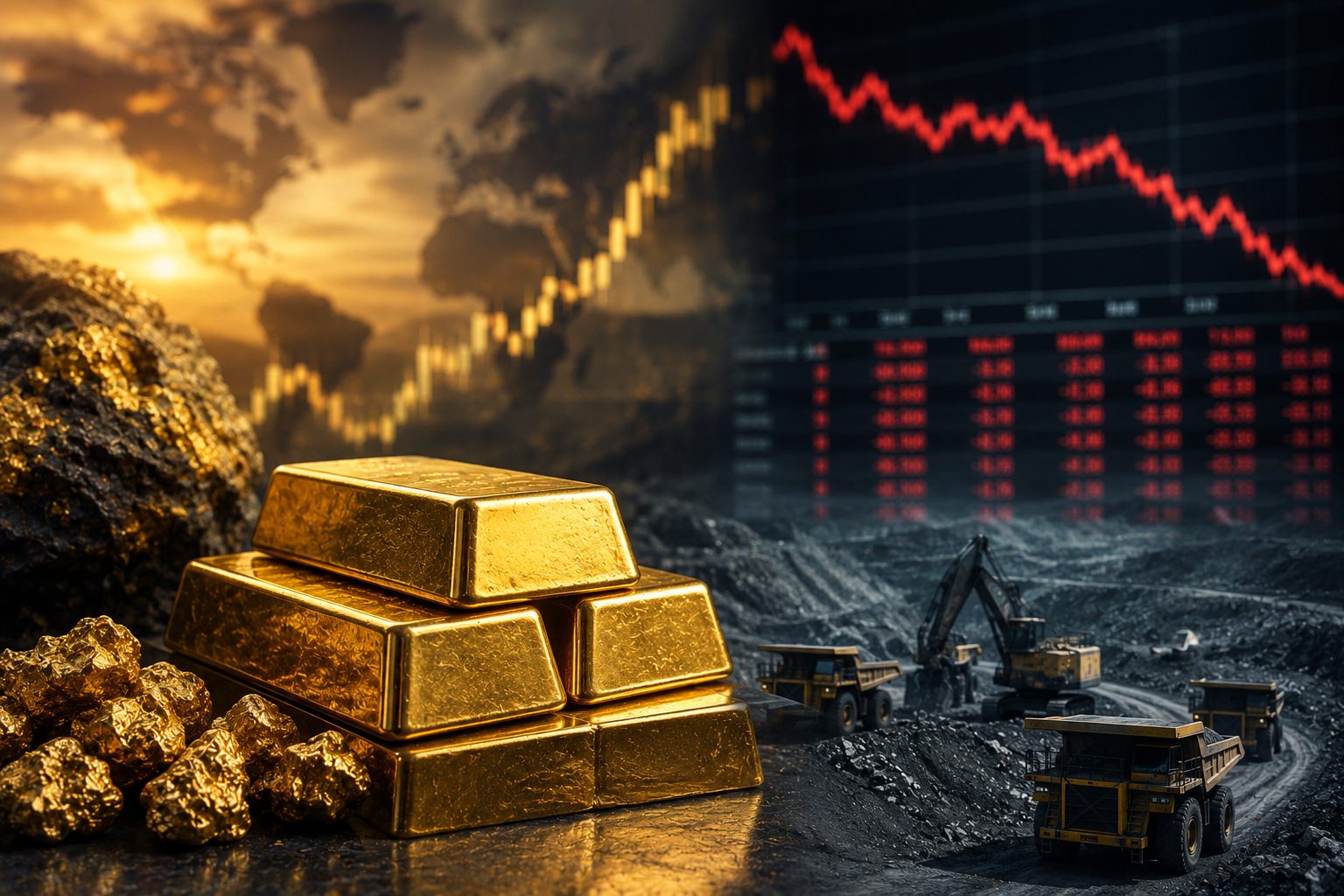
While many investors focus on physical gold or gold-backed ETFs, mining companies often provide leveraged exposure to rising gold prices.
When gold prices increase, mining firms can potentially experience greater earnings growth because production costs may remain relatively stable while revenue rises.
This dynamic can create significant operating leverage.
Gold mining companies also offer advantages that physical bullion does not.
Many producers generate cash flow, pay dividends, and maintain expanding resource bases that can increase long-term value.
In addition, royalty and streaming companies occupy a unique position within the sector.
These businesses provide financing to mining projects in exchange for future production rights, often allowing them to benefit from rising commodity prices while avoiding many of the operational risks associated with mine development.
If geopolitical uncertainty and inflation concerns continue supporting gold prices, miners and royalty companies could remain among the primary beneficiaries.
The Bigger Opportunity May Be Copper and Critical Minerals
Although gold is attracting headlines, many investors are increasingly focused on industrial metals.
The global economy is undergoing two major structural transformations simultaneously:
- The artificial intelligence infrastructure boom.
- The global electrification transition.
Both trends require enormous quantities of raw materials.
Copper’s Growing Importance
Copper is essential for power generation, transmission infrastructure, electric vehicles, data centers, and renewable energy projects.
According to research from the International Energy Agency (IEA), demand for copper is expected to increase significantly over the coming decade as electrification accelerates globally.
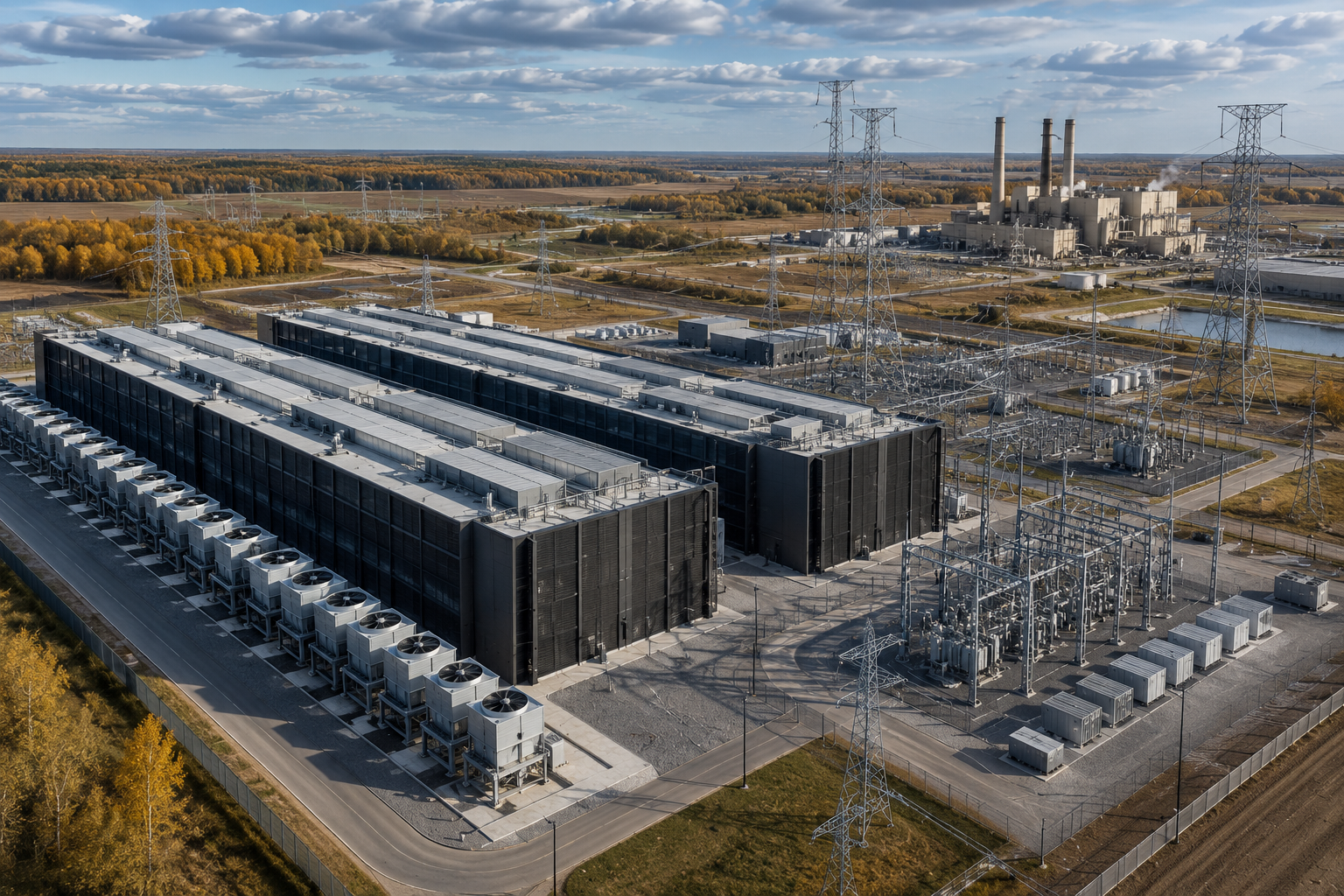
The rapid expansion of AI data centers may further boost demand due to their substantial power requirements.
Critical Minerals and AI Infrastructure
Beyond copper, investors are paying increasing attention to critical minerals used in advanced electronics, battery systems, semiconductors, and energy infrastructure.
As governments prioritize supply chain security, mining projects located in politically stable jurisdictions may become increasingly valuable.
Analysts have repeatedly highlighted critical mineral shortages as a potential bottleneck for future technology growth.
This creates opportunities across multiple segments of the mining sector beyond traditional precious metals.
Risks Investors Should Consider
While the outlook for gold and mining remains constructive, investors should remain aware of potential risks.
Stronger Economic Growth
If economic growth accelerates significantly and inflation moderates, investor demand for safe-haven assets could decline.
Rising Interest Rates
Unexpected increases in interest rates could pressure gold prices by improving the relative attractiveness of income-generating investments.
Geopolitical Resolution
A meaningful reduction in geopolitical tensions could reduce demand for defensive assets.
Commodity Price Volatility
Mining companies remain exposed to fluctuations in commodity prices, operational challenges, and regulatory developments.
Investors should evaluate company-specific fundamentals in addition to broader commodity trends.
Future Trends Investors Should Watch
Several developments will shape the outlook for metals and mining through the remainder of 2026.
First, investors should monitor geopolitical developments closely, particularly events that could influence energy markets and investor sentiment.
Second, inflation data and central bank policy decisions will remain critical drivers of gold prices.
Third, the AI infrastructure buildout may continue increasing demand for copper and other industrial metals.
Finally, government initiatives aimed at strengthening domestic supply chains could create long-term opportunities for critical mineral producers.
Key Investment Insight
Gold’s recent strength reflects more than short-term market anxiety. It highlights growing investor demand for portfolio diversification in an environment shaped by geopolitical uncertainty, inflation concerns, and shifting monetary policy expectations.
While gold itself remains an important defensive asset, investors may also find compelling opportunities among gold miners, royalty companies, copper producers, and critical mineral suppliers positioned to benefit from both safe-haven demand and long-term structural growth trends.
As AI infrastructure spending and global electrification continue accelerating, the metals and mining sector could offer exposure to some of the most important investment themes of the decade.
Stay informed with MoneyNews.Today for daily investor insights, market-moving developments, and expert analysis on the commodities, industries, and global trends shaping tomorrow’s investment opportunities.