
As artificial intelligence enthusiasm continues to drive equity markets higher in 2026, another force is quietly shaping investment decisions across Wall Street: trade policy.
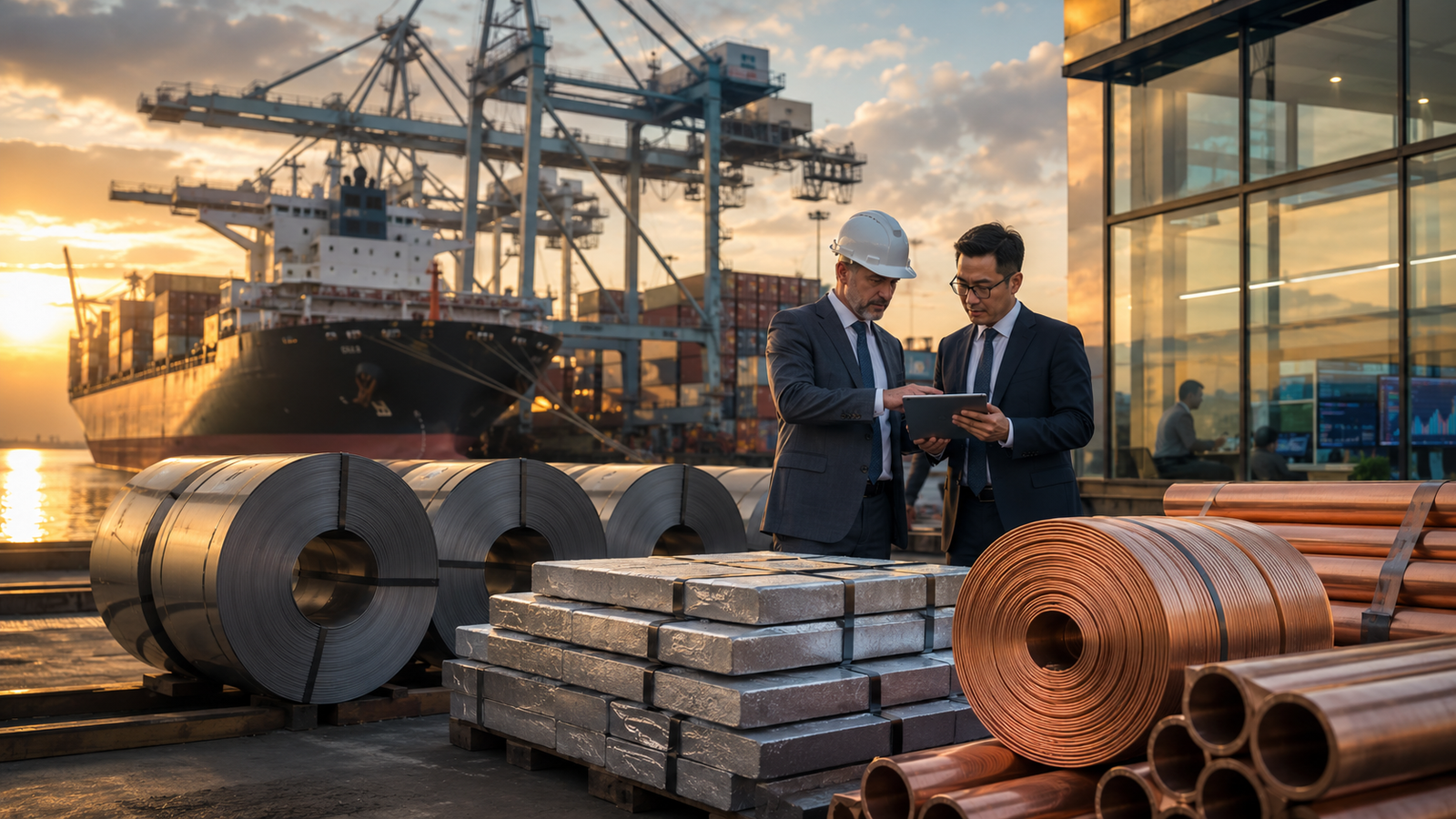
The Trump administration’s latest announcement of expanded tariff measures on steel, aluminum, and copper imports has reignited investor discussions about supply chains, inflation risks, and the future of global trade. While markets have largely remained resilient amid strong technology earnings and growing AI-related capital spending, the renewed focus on tariffs serves as a reminder that geopolitical and policy developments can quickly alter investment landscapes.
According to Reuters reporting on June 2, 2026, the administration amended existing tariffs on key industrial metals while signaling that additional Section 301 trade actions could be announced in the coming weeks. Officials also proposed a new 25% tariff on many imports from Brazil, though exemptions were granted for several strategically important commodities.
For investors, the implications extend far beyond the metals sector.
Trade Policy Returns to Center Stage
Trade policy has historically been one of the most powerful tools governments use to influence domestic industries, but it can also create significant ripple effects across global markets.
The latest tariff actions come at a time when investors have largely shifted their attention toward artificial intelligence infrastructure spending, semiconductor demand, and expectations surrounding Federal Reserve policy. However, tariffs have the potential to affect multiple aspects of the economy simultaneously, including manufacturing costs, consumer prices, corporate earnings, and international trade flows.
The administration’s focus on steel, aluminum, and copper is particularly noteworthy because these commodities are foundational inputs for construction, transportation, defense systems, energy infrastructure, and data center development.
Copper, in particular, has become one of the most closely watched commodities among investors due to its critical role in electrification, renewable energy projects, electric vehicles, and AI infrastructure expansion. Any policy changes affecting copper supply chains could have broader implications for industries that depend on the metal.
Market participants are now evaluating whether the new measures represent isolated actions or the beginning of a broader trade strategy aimed at reshaping global supply chains.
Why Industrial Metals Matter More Than Ever
The timing of these tariff adjustments is significant.
Global demand for industrial metals has been rising as governments and corporations invest heavily in energy transition projects, AI infrastructure, grid modernization, and manufacturing expansion.
Data centers supporting artificial intelligence applications require substantial amounts of steel, aluminum, and copper. At the same time, electric vehicle production and renewable energy installations continue to increase demand for these essential materials.
When tariffs are imposed on imported metals, domestic producers often benefit from reduced foreign competition. However, downstream manufacturers may face higher input costs, creating a complex investment environment.
Investors should recognize that tariff-related winners and losers often emerge simultaneously.
Domestic metal producers could see improved pricing power and stronger profitability if import competition declines. Meanwhile, industries that rely heavily on these materials—including construction, automotive manufacturing, machinery production, and industrial equipment makers—may face increased cost pressures.
This dynamic can create both opportunities and risks within the same sector.
The Brazilian Import Question
One of the more closely watched developments is the proposal for a 25% tariff on many Brazilian imports.
Brazil remains a major global supplier of agricultural products, minerals, and industrial commodities. While exemptions for certain commodities may soften the immediate impact, investors are assessing how the proposal could affect trade relationships and supply chain diversification efforts.
For multinational corporations operating across North and South America, tariff adjustments can influence sourcing decisions, production locations, and long-term investment strategies.
The proposal also highlights a broader trend that has emerged over the past several years: governments increasingly prioritizing economic security and domestic industrial competitiveness.
Rather than relying exclusively on globalization-driven supply chains, policymakers across multiple countries have sought to encourage domestic production of strategically important goods and materials.
This shift has become a major theme for investors evaluating long-term industrial and manufacturing opportunities.
Inflation Risks Remain on the Radar
Although inflation has moderated significantly from the highs experienced earlier in the decade, tariff-related price increases remain a concern for financial markets.
Tariffs function as an additional cost within supply chains. Depending on competitive conditions, businesses may absorb those costs, pass them on to consumers, or pursue operational efficiencies to offset the impact.
If a broad range of imported goods becomes more expensive, inflationary pressures could re-emerge in certain sectors.
This is particularly important because investors remain focused on the future path of interest rates. Any development that contributes to inflation could influence Federal Reserve policy expectations and potentially affect equity valuations.
Growth-oriented sectors, especially technology companies with elevated valuations, tend to be sensitive to changes in interest rate expectations. As a result, investors are monitoring trade developments not only for their direct economic impact but also for their potential influence on monetary policy.
Potential Winners Across the Market
Several sectors could benefit from the administration’s trade initiatives.
Domestic steel producers may gain a competitive advantage if imports become less attractive. Aluminum manufacturers could also experience stronger pricing environments. Companies involved in mining and metal production may attract increased investor attention as policymakers emphasize domestic industrial capacity.
Defense contractors could indirectly benefit if government efforts to strengthen domestic supply chains support broader industrial investment.
Infrastructure-related businesses may also see opportunities emerge as governments continue prioritizing strategic manufacturing and resource security initiatives.
Investors should note, however, that market reactions often depend on implementation details and future negotiations. Initial enthusiasm can shift if higher costs begin affecting broader economic growth.
Future Trends Investors Should Watch
The coming months will likely provide greater clarity regarding the administration’s broader trade agenda.
Several key developments deserve close attention:
- Additional Section 301 tariff announcements and implementation timelines.
- Responses from major trading partners and potential retaliatory measures.
- Corporate earnings commentary regarding supply chain costs and pricing power.
- Industrial metal price movements, particularly copper.
- Inflation data and its influence on Federal Reserve expectations.
- Manufacturing investment trends within the United States and Canada.
Investors should also monitor whether multinational corporations accelerate efforts to diversify supply chains away from regions facing increased trade restrictions.
Such shifts could create new investment opportunities across manufacturing, logistics, infrastructure, and industrial technology sectors.
Key Investment Insight
While AI remains the dominant market narrative in 2026, investors should not overlook the growing influence of trade policy on portfolio performance.
The administration’s latest tariff measures reinforce the importance of monitoring industrial metals, domestic manufacturing trends, and supply chain strategies. Companies with strong domestic production capabilities may benefit from increased protection, while businesses dependent on imported raw materials could face margin pressures.
For investors, the most attractive opportunities may emerge where trade policy intersects with larger secular trends such as artificial intelligence infrastructure, energy transition investments, and domestic manufacturing expansion.
As global markets continue balancing optimism around technological innovation with evolving geopolitical realities, trade policy is once again becoming a critical factor in investment decision-making.
Stay informed with MoneyNews.Today for daily investor insights, market-moving developments, and in-depth analysis of the trends shaping the global economy.




