Few geopolitical developments have a more immediate impact on global financial markets than tensions in the Middle East. From oil prices and inflation to transportation costs and central bank policy, events in the region can ripple through virtually every corner of the global economy.
That reality is once again on display as investors closely monitor ongoing negotiations between the United States and Iran aimed at reducing tensions and restoring stability around the Strait of Hormuz, one of the world’s most strategically important energy corridors. Recent progress in diplomatic discussions has helped ease fears of a major disruption to global oil supplies, contributing to a decline in crude prices and providing a welcome boost to investor sentiment.
However, markets are far from declaring victory. While the immediate risk of supply disruptions has diminished, broader geopolitical uncertainties across the Middle East continue to present significant risks for investors. The result is a market environment where optimism and caution are competing for dominance.
For investors, understanding the relationship between geopolitics, energy markets, inflation, and equity performance may be essential in navigating the second half of 2026.
Why the Strait of Hormuz Matters So Much
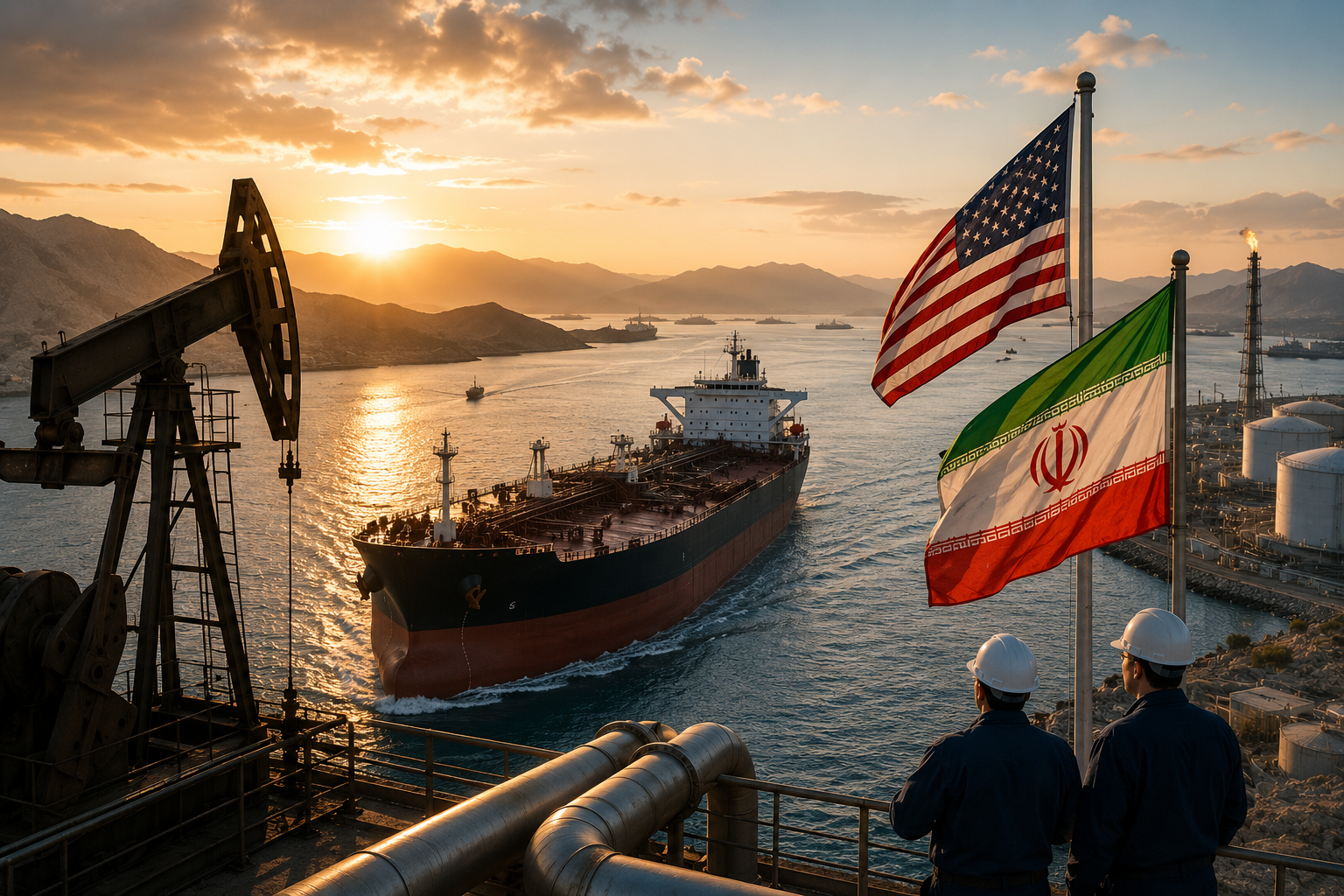
The Strait of Hormuz is one of the most critical chokepoints in the global economy.
According to data from the U.S. Energy Information Administration (EIA), roughly one-fifth of the world’s petroleum consumption passes through the narrow waterway connecting the Persian Gulf to global shipping routes. Major energy producers including Saudi Arabia, the United Arab Emirates, Kuwait, Iraq, and Iran rely on the strait to transport oil and natural gas exports to international markets.
Because such a large portion of global energy supplies moves through the region, even the threat of disruption can send oil prices sharply higher.
Over the past several years, investors have repeatedly witnessed how geopolitical tensions involving shipping routes, military activity, or diplomatic disputes can trigger significant volatility across commodity markets.
Recent progress in U.S.-Iran negotiations has reduced concerns about an immediate disruption, helping ease pressure on crude oil prices and improving market sentiment. Reuters reported that investors have responded positively to diplomatic developments, viewing them as a sign that supply risks may be moderating.
For now, that has provided some relief to both energy consumers and financial markets.
Oil Prices Remain a Key Inflation Driver
The significance of lower oil prices extends well beyond the energy sector.
Energy costs play a central role in inflation because they affect transportation, manufacturing, logistics, and consumer spending. When oil prices rise sharply, businesses often face higher operating costs, many of which are eventually passed on to consumers.
Conversely, falling oil prices can help reduce inflationary pressures throughout the economy.
This dynamic is particularly important in today’s market environment, where investors remain highly focused on Federal Reserve policy.
Inflation has been one of the dominant investment themes of the decade. While price pressures have moderated from previous highs, central banks continue to monitor energy costs closely because sudden increases can complicate efforts to maintain price stability.
The recent decline in oil prices has therefore been welcomed by investors concerned about additional interest rate hikes.
Lower energy costs may support consumer purchasing power, improve business margins, and reduce inflation expectations—all factors that can positively influence financial markets.
Why Equity Markets Are Paying Attention
The relationship between oil prices and stock market performance is often complex.
Energy companies generally benefit from higher commodity prices, while many other sectors prefer lower energy costs. Transportation companies, airlines, retailers, manufacturers, and consumer-focused businesses often experience improved profitability when fuel expenses decline.
As oil prices eased following progress in diplomatic negotiations, investors began reassessing opportunities across multiple sectors.
Consumer discretionary companies could benefit if households spend less on fuel and energy bills. Transportation and logistics firms may experience lower operating costs. Industrial businesses could see margin improvements if energy inputs become more affordable.
At the same time, lower inflation expectations may support broader equity valuations by reducing pressure on interest rates.
This interconnected relationship explains why geopolitical headlines involving oil-producing regions often have immediate consequences for global stock markets.
The Federal Reserve Connection
One reason investors are paying such close attention to energy markets is their potential influence on Federal Reserve policy.
The central bank remains focused on inflation, employment, and economic growth. While policymakers consider a wide range of economic indicators, energy prices remain an important variable because of their impact on overall inflation trends.
If lower oil prices help keep inflation contained, the Federal Reserve may face less pressure to tighten monetary policy further.
Conversely, any renewed disruption in energy markets could reignite inflation concerns and potentially alter expectations regarding future interest rates.
Recent market discussions have increasingly focused on this connection.
Many investors now view developments in the Middle East not only as geopolitical events but also as factors that could influence monetary policy, bond yields, and equity valuations.
This has elevated the importance of diplomatic negotiations far beyond the energy sector alone.
Geopolitical Risks Have Not Disappeared
Despite the recent improvement in sentiment, investors should recognize that geopolitical risks remain elevated.
The Middle East continues to face a range of political, military, and economic challenges that could affect regional stability. Diplomatic progress can reduce immediate risks, but negotiations remain fluid and subject to change.
History shows that geopolitical tensions can escalate quickly, often catching markets by surprise.
A breakdown in negotiations, renewed military activity, disruptions to shipping routes, or broader regional instability could rapidly reverse recent gains in investor confidence.
Such developments would likely affect:
- Global oil prices
- Energy stocks
- Transportation companies
- Airline operators
- Inflation expectations
- Bond yields
- Global equity markets
This uncertainty explains why many institutional investors continue to maintain a cautious approach despite recent positive developments.
Future Trends to Watch
Several factors will likely determine how markets respond in the months ahead.
Progress in Diplomatic Negotiations
The success or failure of ongoing talks between the United States and Iran will remain a major driver of energy market sentiment.
Oil Supply Stability
Investors should monitor production levels, shipping activity, and export flows throughout the region.
Inflation Data
Lower oil prices could contribute to softer inflation readings, potentially influencing Federal Reserve policy decisions.
Transportation and Consumer Sectors
Companies that benefit from lower fuel costs may attract increased investor attention if energy prices remain subdued.
Broader Middle East Developments
Regional political and security developments continue to represent one of the most important geopolitical risks facing global markets.
Key Investment Insight
The most important takeaway for investors is that geopolitical developments and energy markets remain deeply interconnected with broader financial market performance.
The recent progress in U.S.-Iran negotiations has helped ease fears of a major supply disruption, supporting lower oil prices and improving sentiment across inflation-sensitive sectors. This environment could benefit consumer-focused businesses, transportation companies, industrial firms, and other sectors that thrive when energy costs decline.
However, investors should remain mindful that geopolitical risk has not disappeared. Any setback in negotiations or escalation of regional tensions could quickly reverse current market trends and trigger renewed volatility.
A balanced investment approach may be prudent, combining exposure to sectors that benefit from lower energy costs while maintaining awareness of potential geopolitical risks that could affect commodity markets and global equities.
As global markets continue to assess the implications of Middle East diplomacy, investors should remember that some of the most important drivers of market performance often originate far beyond Wall Street.
For more daily market analysis, geopolitical insights, and actionable investment intelligence, stay connected with MoneyNews.Today, your trusted source for the financial news that matters most to investors.