The AI boom is entering a new phase—and this time, it’s not just about software breakthroughs or model releases. It’s about the infrastructure powering it all. As demand for AI compute accelerates at an unprecedented pace, investors are increasingly focused on the companies building the backbone of this transformation. Against this backdrop, Cerebras Systems has officially launched its IPO roadshow, aiming for a valuation near $40 billion and a potential raise of up to $4 billion, according to Reuters (May 4, 2026).
The move positions Cerebras as one of the most significant AI-focused public offerings to date—and potentially the first serious public-market challenger to Nvidia in the high-performance AI chip space.
The Infrastructure Race Behind AI’s Explosive Growth
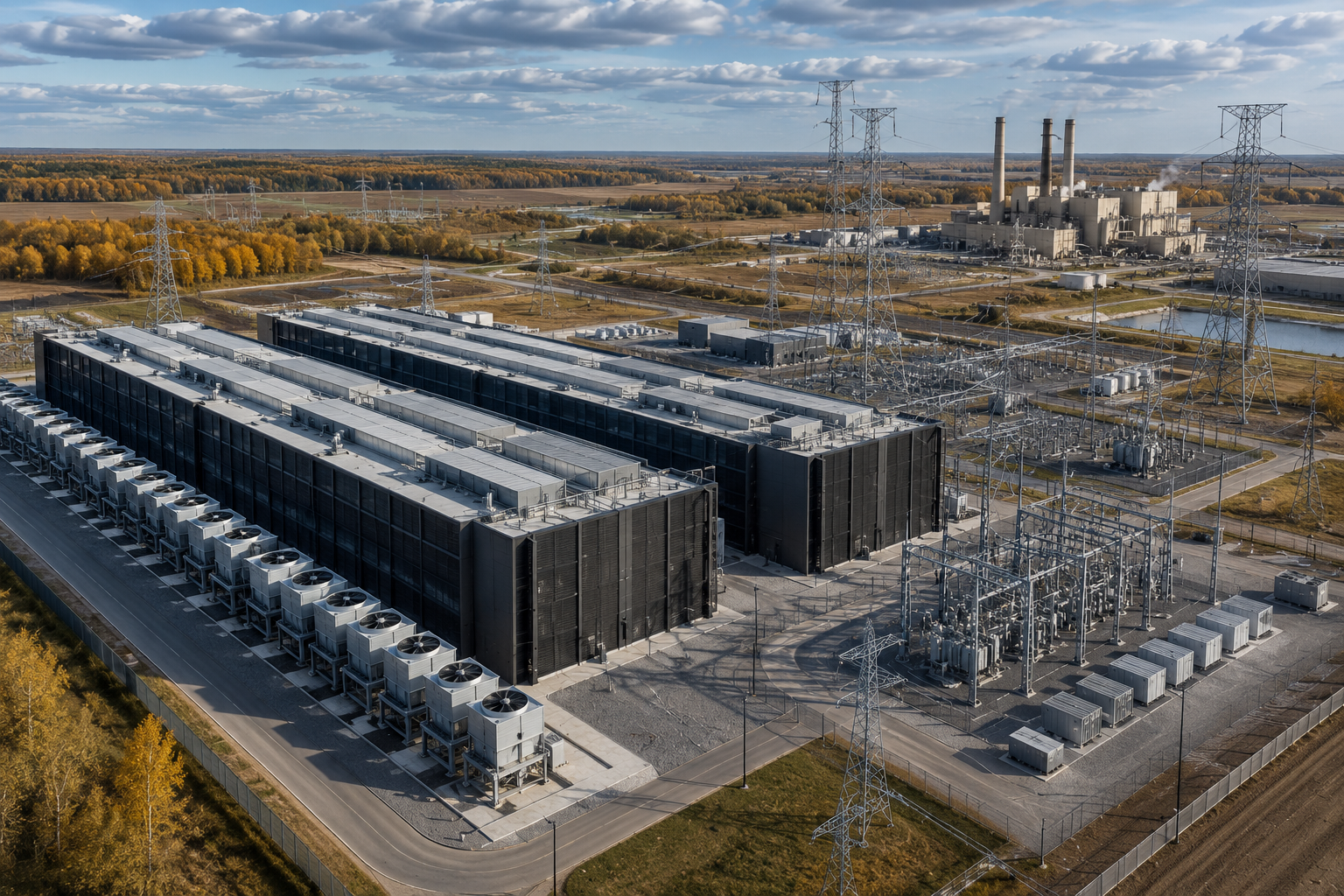
Over the past two years, the AI narrative has shifted dramatically. What began as a race to develop the most powerful large language models has evolved into a global competition for compute power. Training and deploying AI models now require vast amounts of processing capability, energy, and specialized hardware.
Cerebras is betting its future on a radically different approach to this problem.
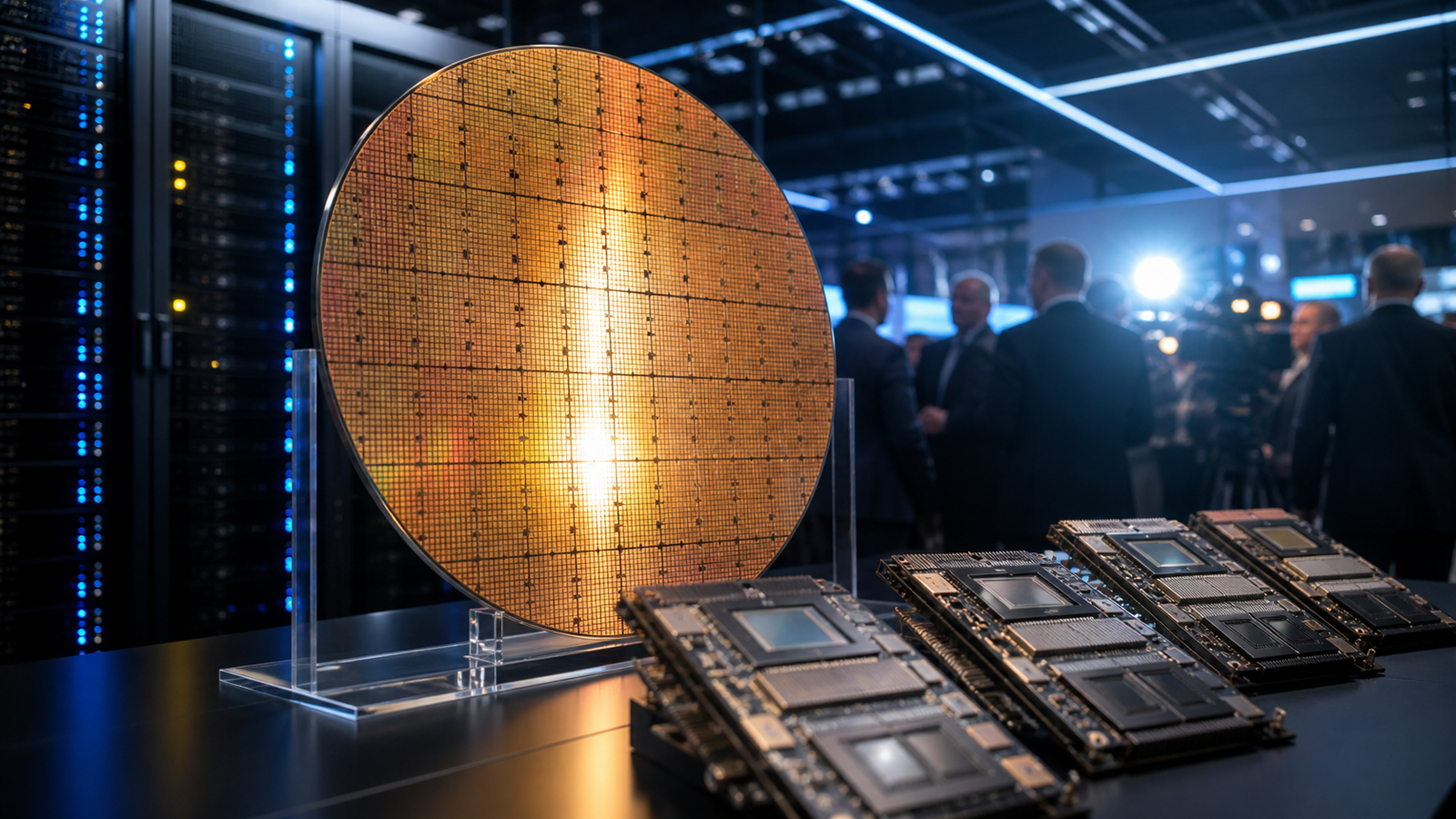
Unlike traditional chipmakers, which rely on clusters of smaller GPUs, Cerebras has developed wafer-scale processors—massive chips built on an entire silicon wafer. These chips are designed to handle AI workloads more efficiently by reducing the need for complex multi-chip communication, a known bottleneck in large-scale AI training.
This architectural advantage could be significant. According to industry analysis cited by Bloomberg, the demand for AI compute is expected to grow at a compound annual rate exceeding 30% through the end of the decade. That growth is being driven not only by Big Tech but also by enterprises, governments, and startups racing to deploy AI capabilities.
Cerebras’ IPO comes at a time when investors are increasingly asking a critical question: Who will power the next generation of AI?
Challenging a Dominant Leader
There’s no avoiding the comparison—Nvidia currently dominates the AI chip market, with its GPUs serving as the backbone for most major AI systems. Its data center segment has seen explosive growth, fueled by demand from companies like hyperscalers and AI startups.
However, that dominance has also created an opportunity.
Cerebras is positioning itself as a specialized alternative, targeting the most demanding AI workloads with its wafer-scale systems. While Nvidia excels in scalability and ecosystem maturity, Cerebras is betting that performance and efficiency at scale will become increasingly valuable as models grow larger and more complex.
According to reporting from Reuters, Cerebras’ IPO narrative is built around this differentiation. The company is not trying to compete across the entire chip market—it’s targeting the high-end segment where performance constraints are most acute.
That strategy aligns with broader industry trends. As AI models scale, the limitations of traditional architectures are becoming more apparent, opening the door for new approaches.
Why This IPO Matters for Investors
The significance of Cerebras’ IPO extends well beyond the company itself. It represents a broader shift in how markets are valuing AI infrastructure.
1. A Pure-Play AI Infrastructure Bet
Unlike diversified tech giants, Cerebras offers investors a focused exposure to AI hardware. This makes it a rare opportunity in public markets, where most AI exposure comes indirectly through large-cap tech firms.
2. Validation of the AI Capex Cycle
The size of the IPO—targeting up to $4 billion—signals strong confidence in continued AI investment. According to Bloomberg Intelligence, global AI-related capital expenditures are expected to exceed $300 billion annually by the end of the decade.
Cerebras’ ability to attract investor demand will serve as a real-time gauge of market sentiment toward this spending cycle.
3. A Test for the IPO Market
After a relatively muted period for tech IPOs, Cerebras could act as a bellwether. A successful listing may reopen the pipeline for other AI-focused companies, particularly in semiconductors and infrastructure.
The Competitive Landscape Is Expanding
Cerebras is not entering a vacuum. The AI chip ecosystem is rapidly evolving, with both incumbents and challengers vying for position.
- Advanced Micro Devices has been gaining traction with its AI accelerators, offering competition to Nvidia in data centers.
- Custom silicon efforts from hyperscalers are reshaping demand dynamics, as companies seek greater control over their AI infrastructure.
- Startups across the U.S. and Canada are exploring niche architectures optimized for specific AI tasks.
This diversification reflects a broader reality: the AI market is too large for a single dominant player.
For investors, this creates both opportunity and complexity. While Nvidia remains a market leader, the rise of alternatives like Cerebras suggests that the next phase of growth may be more fragmented—and potentially more competitive.
Risks Investors Should Watch
While the upside potential is significant, Cerebras’ IPO is not without risks.
Execution Risk
Building and scaling a new chip architecture is capital-intensive and technically challenging. Any delays or performance issues could impact adoption.
Market Competition
Nvidia’s ecosystem advantage—including software, developer tools, and partnerships—remains a formidable barrier. Competing on hardware alone may not be sufficient.
Valuation Sensitivity
At a $40 billion target valuation, expectations are already high. If growth or adoption falls short, the stock could face significant pressure post-IPO.
Macro Environment
AI infrastructure spending is closely tied to broader economic conditions. Any slowdown in capital expenditure could affect demand.
Future Trends to Watch
The Cerebras IPO is part of a larger set of trends reshaping the investment landscape:
AI Infrastructure Becomes a Core Asset Class
Investors are increasingly treating AI infrastructure—chips, data centers, and energy—as a standalone investment theme, rather than a subset of technology.
Energy and Compute Convergence
As AI workloads expand, energy consumption is becoming a critical factor. Companies that can deliver efficient compute solutions may gain a competitive edge.
Rise of Specialized Architectures
General-purpose GPUs may not be the optimal solution for all AI tasks. Specialized chips like those developed by Cerebras could play a growing role.
IPO Pipeline Reawakening
If Cerebras performs well, it could pave the way for other high-growth AI companies to enter public markets, providing new opportunities for investors.
Key Investment Insight
Cerebras’ IPO is more than just a company going public—it’s a reflection of where the AI market is heading. The focus is shifting from applications to infrastructure, from software to compute power.
For investors, this creates a clear takeaway:
The next wave of AI returns may be driven not by who builds the smartest models, but by who controls the most efficient and scalable infrastructure.
Exposure to AI should now include a mix of:
- Established leaders like Nvidia
- Emerging challengers like Cerebras
- Adjacent sectors such as energy and data centers
Diversification within the AI ecosystem will be key as the market evolves.
Stay Ahead of the AI Investment Curve
The Cerebras IPO could mark a turning point for both the AI sector and the broader technology market. As capital continues to flow into infrastructure, the competitive landscape is set to expand—and with it, the opportunities for investors.
For daily insights, breaking developments, and in-depth analysis of the trends shaping global markets, stay connected with MoneyNews.Today—your trusted source for investor-focused news.