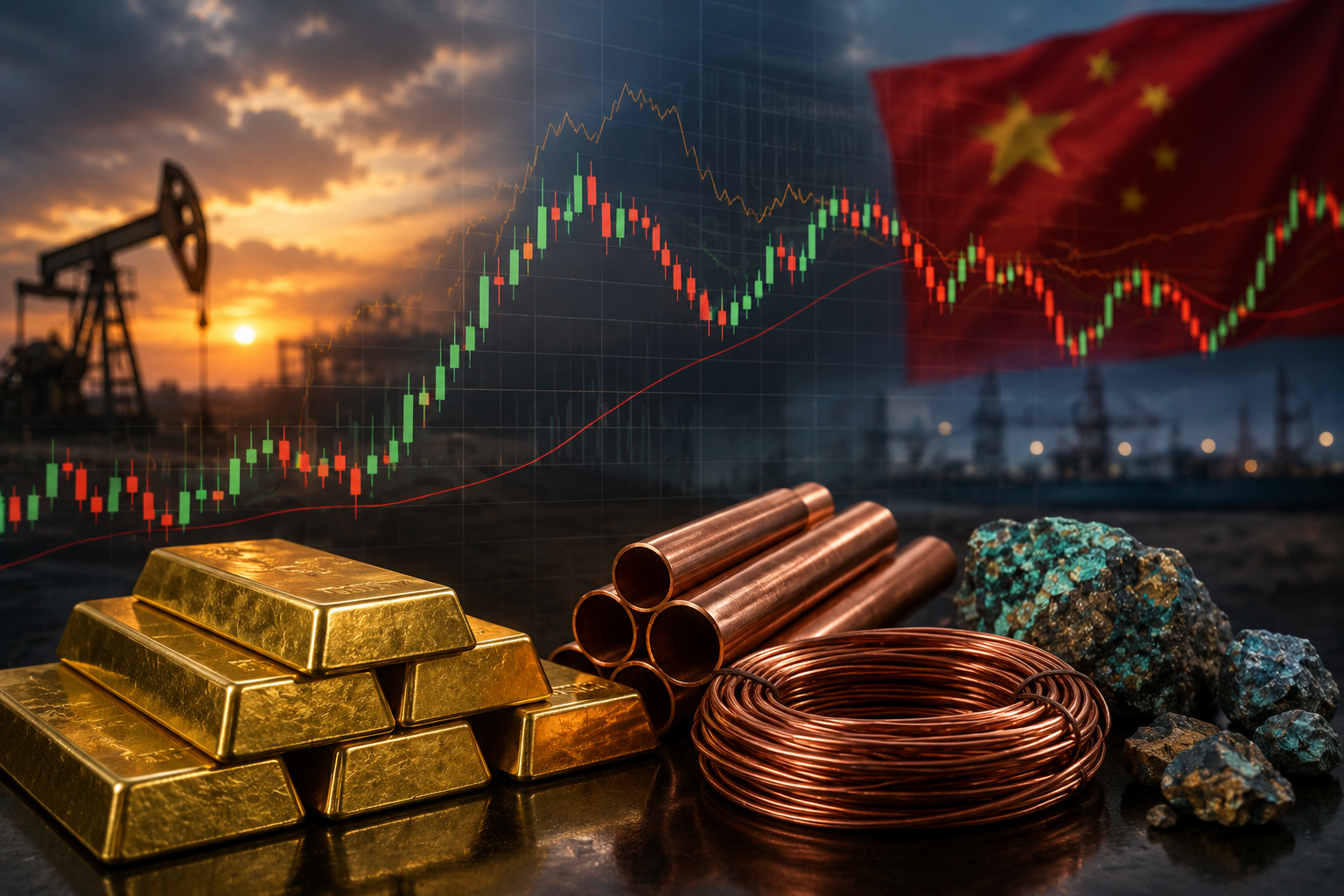
Metals investors are facing a market that looks bullish on the surface but fragile underneath. Gold remains near historically elevated levels, copper is still supported by long-term demand from electrification and AI-driven power infrastructure, and geopolitical risk remains high. Yet on May 19, both metals were under pressure as higher-rate expectations, a stronger dollar/yield backdrop, oil-driven inflation fears, and weaker Chinese economic signals weighed on sentiment.
Gold futures slipped around 0.2% to $4,549.30 per troy ounce, according to Barron’s market coverage, as investors weighed President Trump’s decision to pause a planned Iran strike against the risk that energy-driven inflation could keep interest rates higher for longer. Copper also weakened, with WSJ market coverage showing futures down roughly 0.3% to $13,544.50 per metric ton, pressured by inflation concerns and weaker Chinese economic data.
For investors, the message is clear: metals are no longer trading only on supply-demand fundamentals. They are trading at the intersection of geopolitics, central-bank expectations, energy costs, China demand, and long-term infrastructure spending.
Why This Matters for Investors
Gold and copper often tell different stories. Gold is typically a safe-haven asset, sensitive to real yields, dollar strength, central-bank buying, and geopolitical stress. Copper is a growth-sensitive industrial metal tied to construction, manufacturing, power grids, electric vehicles, data centers, and broader global activity.
On May 19, however, both metals were hit by the same macro pressure: higher yields and uncertainty around inflation. That is important because it suggests investors are not simply rotating from risk assets into safe havens. Instead, they are questioning whether higher energy prices and geopolitical stress could force rates to remain elevated, pressuring both precious and industrial metals.
Barron’s noted that gold remained under pressure despite geopolitical tension because sustained high energy prices can reinforce inflation concerns, lift yields, and strengthen the U.S. dollar — all of which tend to weigh on gold. That is a crucial point for investors. Geopolitical risk can support gold, but if the same risk pushes yields higher, the safe-haven benefit can be offset.
Gold’s Safe-Haven Trade Faces a Real-Yield Test
Gold has enjoyed a powerful run, supported by central-bank demand, geopolitical uncertainty, and investor interest in hard assets. The World Gold Council’s 2026 outlook says geopolitical factors are expected to remain central to gold demand, supporting central-bank net buying, global gold ETF inflows, and bar-and-coin accumulation.
But gold is also highly sensitive to real yields. When investors can earn higher inflation-adjusted returns from bonds, non-yielding assets such as gold can become less attractive. That is why gold can fall even when political risk is elevated.
The Iran situation shows this tension clearly. President Trump’s decision to delay a planned strike reduced immediate escalation fears, but the market is still worried that oil above key levels could keep inflation sticky. If inflation concerns push Treasury yields higher, gold may struggle to break out even with geopolitical uncertainty in the background.
For gold miners, this creates a mixed setup. High gold prices support revenue and margins, but miners are also exposed to rising operating costs, labor inflation, energy prices, permitting risk, and jurisdiction-specific challenges. Investors should focus on producers with low all-in sustaining costs, strong balance sheets, disciplined capital allocation, and production growth that does not depend on excessive debt or aggressive acquisitions.
Copper’s Long-Term Story Remains Strong, but China Still Matters
Copper’s weakness is more directly tied to global growth concerns. The metal is often called “Dr. Copper” because of its sensitivity to industrial activity. When China’s economy slows, copper sentiment usually weakens because China remains one of the world’s most important sources of copper demand.
WSJ market coverage cited weaker Chinese investment, retail sales, and industrial output as part of the cautious demand backdrop affecting copper. That matters because investors have been pricing copper not only as a cyclical metal but also as a structural winner from electrification, grid expansion, renewable energy, artificial intelligence infrastructure, and data-center growth.
The long-term copper thesis remains compelling. The London Metal Exchange describes copper as a highly conductive, durable, and recyclable metal that is crucial to electrical systems, construction, electric vehicles, and renewable energy infrastructure. The International Energy Agency has also highlighted that copper prices have been shaped by strong structural demand growth, elevated prices, and stress in the smelting sector, especially amid capacity additions in China.
The challenge is timing. Long-term demand from AI data centers, power grids, and electrification does not eliminate short-term macro pressure. Copper can still fall when investors become concerned about Chinese demand, global manufacturing, interest rates, or the dollar.
The AI and Electrification Link Investors Should Not Ignore
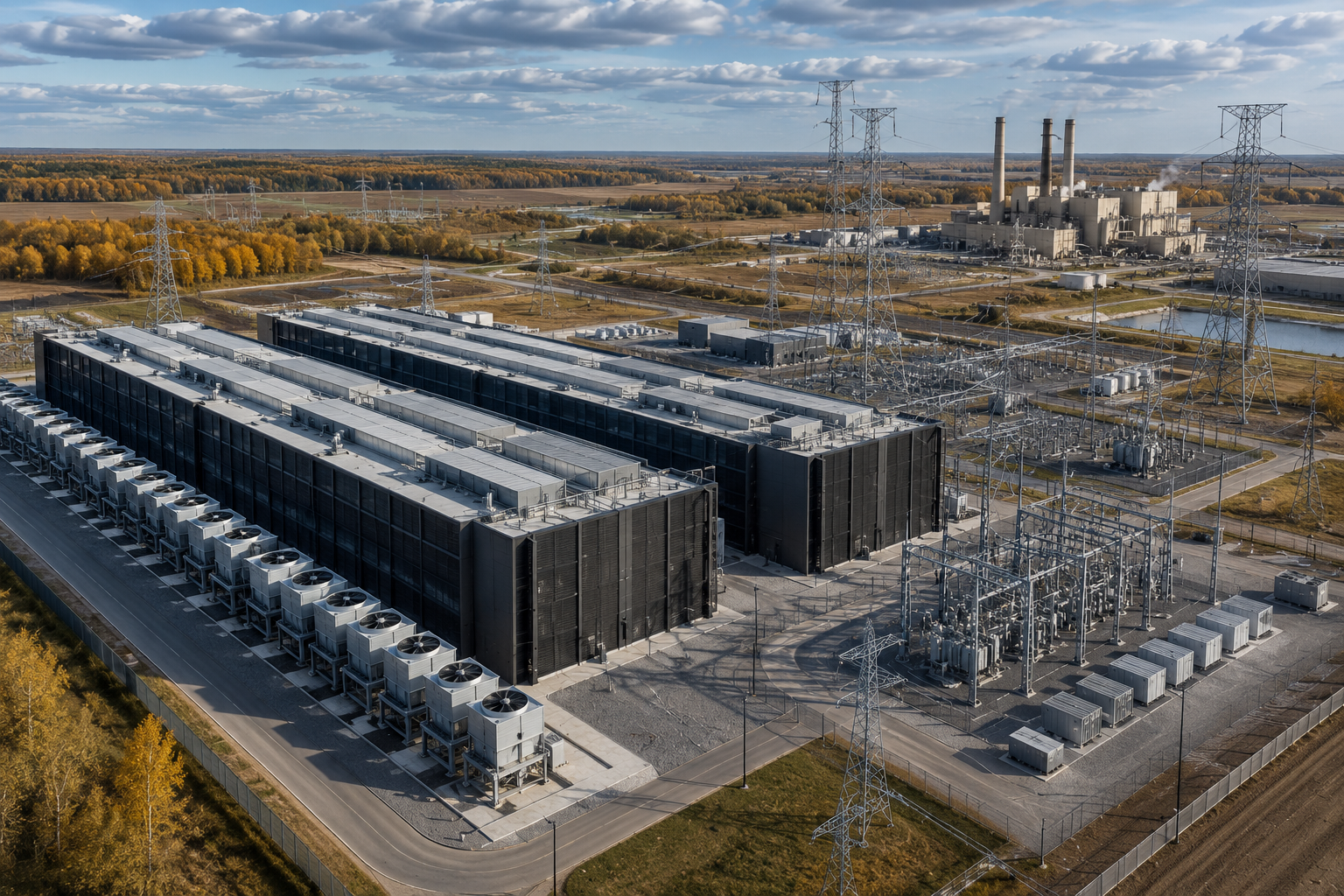
The most important long-term metals story may be the connection between copper and AI infrastructure. Data centers require enormous electricity capacity. That means more demand for grid upgrades, transformers, cables, substations, cooling systems, and power-generation infrastructure. Copper is central to many of those systems.
This is why investors should not view copper only through the lens of traditional construction or Chinese property demand. The next phase of copper demand may be increasingly tied to power-intensive technology infrastructure. AI data centers, electric vehicles, renewable grids, battery storage, and industrial automation all require more electrical capacity.
Goldman Sachs Research has argued that copper may decline somewhat from record highs in 2026, but could rise over the longer term because of energy-infrastructure demand. That distinction is important: investors can be tactically cautious on copper while still recognizing the structural demand opportunity.
For mining equities, this means the market may reward companies with high-quality copper reserves, low-cost production, safe jurisdictions, and credible expansion projects. U.S. and Canadian permitting names may attract more investor attention as governments prioritize domestic critical-minerals supply chains. However, permitting remains slow, capital costs are high, and mine development timelines can stretch for years.
Critical Minerals and North American Supply Chains
Metals and mining investors should also watch critical-minerals developers in the U.S. and Canada. Copper, lithium, nickel, rare earths, zinc, and other strategic minerals are increasingly tied to national security, energy transition, and industrial policy. Even when spot metal prices weaken, high-quality projects in stable jurisdictions can attract strategic interest if they are linked to grid expansion, defense needs, clean energy, or data-center infrastructure.
That said, investors need discipline. Junior miners and development-stage companies are highly sensitive to financing conditions. Higher yields increase the cost of capital, which can pressure project economics and equity valuations. A promising resource is not enough; investors should assess permitting status, feasibility studies, funding needs, jurisdictional risk, offtake agreements, and management credibility.
The same applies to industrial-metal ETFs. These can provide diversified exposure, but they may include companies with different commodity mixes, cost structures, and geographic risks. Investors should understand whether an ETF is more exposed to copper, diversified mining, steel, precious metals, or critical minerals.
Key Investment Insight
The key investment insight is that metals are being pulled between short-term macro pressure and long-term structural demand. Gold is vulnerable if real yields and the dollar rise, even though geopolitical risk and central-bank demand remain supportive. Copper is vulnerable if China data weakens, but its long-term demand base remains tied to AI infrastructure, grid expansion, electrification, and supply constraints.
Investors should monitor four signals: real yields, the U.S. dollar, Chinese industrial data, and oil prices. Real yields and the dollar are especially important for gold. China demand and global manufacturing indicators are critical for copper. Oil matters for both because higher energy prices can feed inflation, raise mining costs, and influence central-bank expectations.
For equity investors, the focus should be quality. In gold, prioritize low-cost miners with strong free cash flow and manageable geopolitical exposure. In copper, watch producers with tier-one assets, disciplined capex, and exposure to long-term electrification demand. For critical minerals, look for companies with credible permitting progress, strategic partnerships, and financing visibility.
Future Trends to Watch
The first trend is whether Treasury yields continue to rise. A higher-yield environment could pressure gold and high-capex mining equities. If yields retreat, gold may regain safe-haven momentum.
The second trend is China’s demand recovery. Copper sentiment will likely remain sensitive to Chinese investment, industrial production, and policy stimulus. Stronger China data could revive the industrial-metals trade, while further weakness could keep pressure on miners.
The third trend is AI power demand. Data-center construction and grid expansion may become a larger driver of copper demand over the next several years. Investors should watch utility capex plans, data-center megawatt commitments, and transformer/cable supply constraints.
The fourth trend is geopolitical risk. Middle East tension can support safe-haven demand, but it can also raise oil prices, inflation expectations, and yields. That makes the gold reaction less straightforward than in previous cycles.
Gold and copper’s latest pullback does not erase the long-term metals story. It does, however, show that investors need to balance structural optimism with macro discipline. In today’s market, even scarce physical assets can face pressure when yields rise, China demand softens, and inflation risk complicates the rate outlook.
Stay with MoneyNews.Today for daily investor-focused coverage of metals, mining, commodities, inflation trends, and the market signals shaping tomorrow’s portfolios.