Technology stocks have once again proven why they remain at the center of global investment portfolios. As Wall Street enters the second half of 2026, the sector continues to outperform broader markets despite an increasingly complex geopolitical backdrop that includes renewed Middle East tensions, ongoing global trade uncertainty, and heightened expectations surrounding U.S. monetary policy. Investors are betting that artificial intelligence, cloud computing, and semiconductor demand remain powerful enough to offset these external risks.
According to Reuters’ July 1 market analysis, technology continues leading global equity markets as enthusiasm surrounding AI infrastructure spending and enterprise digital transformation outweighs concerns over geopolitical instability. Yet with valuations across many technology companies reaching historically elevated levels, investors are becoming increasingly focused on the upcoming earnings season, where even small disappointments could trigger significant market reactions.
For investors, the message is clear: technology remains one of the market’s strongest long-term growth sectors, but selectivity and disciplined analysis have never been more important.
Artificial Intelligence Continues to Power Technology Leadership
Artificial intelligence remains the single most influential force driving technology stocks in 2026.
What began as enthusiasm surrounding generative AI applications has evolved into a broader investment cycle encompassing semiconductors, cloud infrastructure, networking equipment, enterprise software, cybersecurity, and hyperscale data centers.
Corporations across nearly every major industry continue expanding AI investments to improve productivity, automate business processes, enhance customer engagement, and strengthen competitive positioning.
This widespread adoption has created sustained demand throughout the technology ecosystem.
Rather than benefiting only software developers, AI is fueling growth across semiconductor manufacturers, cloud service providers, enterprise software companies, memory chip producers, and networking equipment suppliers.
Reuters notes that institutional investors continue allocating capital toward AI-related businesses as expectations remain strong for long-term enterprise spending.
Semiconductor Demand Shows Few Signs of Slowing
The semiconductor industry remains the foundation of the AI economy.
Advanced processors, graphics processing units (GPUs), high-bandwidth memory, and specialized AI accelerators are increasingly essential for training and deploying large-scale artificial intelligence models.
Cloud providers continue investing billions of dollars in expanding AI infrastructure, creating sustained demand for advanced semiconductor technologies.
Industry analysts expect this investment cycle to continue for several years as enterprises deploy increasingly sophisticated AI applications.
Bloomberg Intelligence has also highlighted semiconductor capital expenditures and AI infrastructure investments as major drivers supporting long-term industry growth.
However, investors should recognize that semiconductor companies remain particularly sensitive to supply-chain disruptions, export restrictions, and geopolitical developments affecting global manufacturing.
Cloud Computing Remains a Structural Growth Driver
Beyond semiconductors, cloud computing continues to serve as one of technology’s strongest growth engines.
Organizations increasingly rely on cloud platforms to deploy AI models, manage enterprise data, improve cybersecurity, and support digital transformation initiatives.
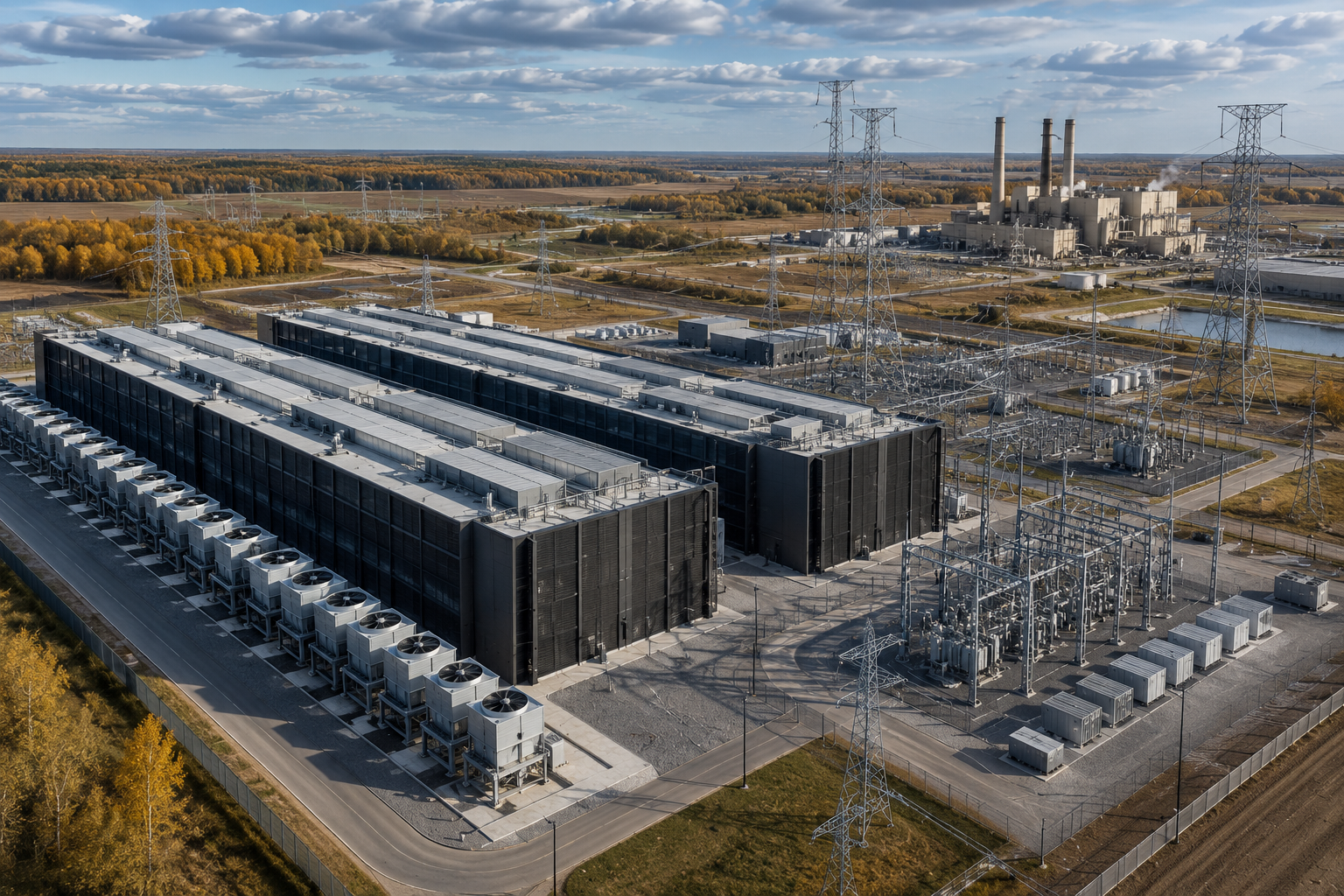
Major cloud providers continue announcing significant capital expenditures aimed at expanding data-center capacity, networking infrastructure, and AI computing resources.
This investment extends opportunities beyond traditional software companies.
Data-center operators, networking equipment manufacturers, fiber-optic infrastructure providers, and industrial suppliers supporting hyperscale cloud expansion are increasingly benefiting from the continued migration toward cloud-based AI services.
According to research from McKinsey & Company, enterprise AI adoption is expected to generate trillions of dollars in economic value over the coming decade, reinforcing long-term demand for cloud infrastructure.
Geopolitical Risks Continue Challenging Investors
Despite technology’s strong performance, geopolitical uncertainty remains one of the sector’s largest risks.
Renewed tensions in the Middle East have increased concerns surrounding global energy markets, supply chains, and investor sentiment.
Meanwhile, ongoing trade disputes and export restrictions continue affecting technology supply chains, particularly within the semiconductor industry.
Many advanced chips rely on globally integrated manufacturing processes spanning North America, Europe, and Asia.
Changes in trade policy or export controls could disrupt production schedules, increase costs, or delay product deliveries.
Although markets have largely looked beyond these concerns in recent months, investors remain aware that geopolitical developments can rapidly alter market sentiment.
This explains why technology stocks occasionally experience sharp volatility despite maintaining strong long-term fundamentals.
Elevated Valuations Raise the Stakes for Earnings Season
One of the defining characteristics of today’s technology market is valuation.
Many leading technology companies now trade at premium earnings multiples reflecting exceptionally high investor expectations.
While these valuations may be justified by continued earnings growth, they also reduce the margin for error.
According to Reuters, technology leadership remains intact, but upcoming earnings reports could become increasingly important as investors evaluate whether current share prices accurately reflect future growth potential.
Markets will closely monitor several key indicators during earnings season:
- AI-related revenue growth
- Enterprise cloud spending
- Capital expenditure guidance
- Data-center expansion plans
- Gross profit margins
- Customer demand outlook
Companies exceeding expectations may continue attracting institutional capital, while even modest earnings misses could result in disproportionate share-price declines.
Institutional Investors Are Becoming More Selective
Rather than broadly purchasing every technology company associated with AI, institutional investors are increasingly distinguishing between businesses with sustainable competitive advantages and those benefiting primarily from market enthusiasm.
Companies demonstrating consistent revenue growth, expanding margins, diversified customer bases, and recurring enterprise demand continue attracting significant investment.
Meanwhile, businesses lacking clear monetization strategies may face increased scrutiny as valuations rise.
This shift suggests the market is entering a more mature phase of the AI investment cycle where operational execution becomes increasingly important.
Quality, profitability, and capital discipline are becoming as significant as technological innovation itself.
Why This Matters for Investors
Technology remains one of the most attractive long-term sectors available to investors.
Artificial intelligence, cloud computing, cybersecurity, enterprise software, semiconductor manufacturing, and digital infrastructure continue benefiting from powerful structural growth trends unlikely to disappear after a single earnings season.
However, elevated valuations require investors to balance optimism with discipline.
Diversifying exposure across multiple technology subsectors may reduce concentration risk while allowing participation in continued AI-driven growth.
Investors should also monitor macroeconomic conditions, Federal Reserve policy, and geopolitical developments alongside traditional financial metrics.
Technology companies increasingly operate within a global environment where political developments can materially influence supply chains and investor sentiment.
Future Trends to Watch
Several themes are expected to shape technology investing throughout the remainder of 2026.
Enterprise AI adoption will remain the primary long-term growth driver, supported by continued investment in cloud infrastructure, semiconductor manufacturing, and data-center expansion.
Investors should also monitor developments in quantum computing, cybersecurity, enterprise automation, and AI infrastructure spending by major cloud providers.
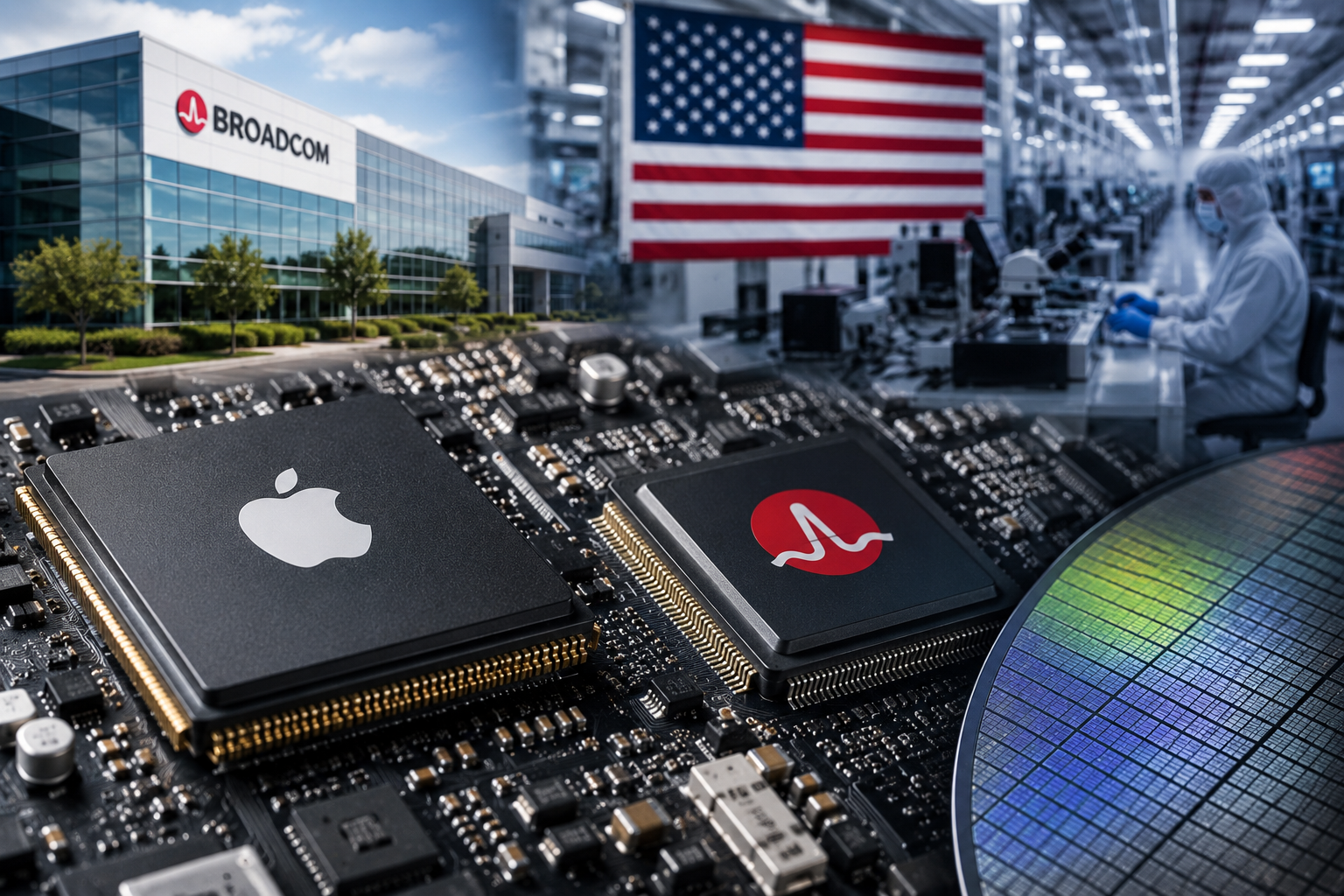
Government policies supporting domestic semiconductor production, export regulations, and global trade negotiations may also influence technology valuations during the coming months.
Finally, earnings guidance issued throughout July will likely determine whether current technology valuations remain sustainable as markets enter the third quarter.
Key Investment Insight
Technology continues leading global markets because artificial intelligence has evolved from a short-term investment trend into a multi-year transformation of the global economy. Enterprise demand for semiconductors, cloud computing, networking infrastructure, cybersecurity, and AI software remains robust, providing strong long-term support for many technology companies.
However, investors should recognize that elevated valuations leave little room for operational disappointments. Focusing on companies with durable competitive advantages, healthy balance sheets, recurring revenue, and disciplined capital allocation may prove more effective than chasing momentum alone. Diversification across semiconductor manufacturers, cloud providers, enterprise software firms, and digital infrastructure companies can also help manage sector-specific risks.
Reuters’ July 1 market analysis, together with research from Bloomberg Intelligence and McKinsey & Company, highlights a market increasingly driven by AI innovation while remaining sensitive to geopolitical developments and earnings execution. As technology enters the second half of 2026 from a position of strength, investors who combine long-term conviction with disciplined analysis may be best positioned to navigate the opportunities and risks ahead.
For investors seeking timely technology analysis, market-moving developments, and actionable insights into the trends shaping global innovation, stay connected with MoneyNews.Today for trusted daily coverage designed to help you make more informed investment decisions.