Artificial intelligence regulation is rapidly becoming one of the most important forces shaping global financial markets. What began as a race among technology companies to build increasingly powerful AI systems is now evolving into a broader political and national security debate that could redefine how the industry operates for years to come.
Investor attention intensified today after reports emerged that the Trump administration is facing growing pressure from policymakers, researchers, and national security experts to require security reviews for advanced AI systems before they are publicly deployed. According to Reuters and Investing.com, the proposed oversight measures would specifically target “frontier AI models” developed by companies such as OpenAI, Anthropic, Google, and Microsoft.
The debate reflects mounting concerns surrounding cybersecurity threats, autonomous decision-making, misinformation risks, and the potential misuse of highly capable AI systems. But for investors, the implications extend far beyond politics or regulation. Government oversight could directly impact AI deployment timelines, cloud infrastructure spending, enterprise adoption rates, defense contracts, and the future profitability of some of the market’s most valuable technology companies.
As AI becomes increasingly intertwined with national security, global competitiveness, and economic growth, investors are beginning to recognize regulation itself as a major market catalyst.
Frontier AI Is Becoming a National Security Issue
The latest policy discussions highlight how quickly AI has moved from a commercial technology trend into a strategic geopolitical issue.
Frontier AI models — the most advanced generative systems capable of reasoning, coding, research, simulation, and autonomous task execution — are now viewed by many governments as technologies with profound economic and national security implications.
According to Reuters, officials and AI policy advocates are urging the Trump administration to establish mandatory screening procedures before powerful AI models can be released publicly. The proposals reportedly include government-led security assessments, cybersecurity testing, and evaluations of whether advanced models could be misused for cyberattacks, biological threats, or information warfare.
The concerns are not entirely theoretical.
Over the past year, major AI companies have repeatedly acknowledged that increasingly sophisticated models may eventually carry risks involving automated hacking, large-scale misinformation campaigns, and advanced cyber operations. OpenAI, Anthropic, and Google DeepMind have all published research discussing the importance of AI safety frameworks and responsible deployment standards.
At the same time, governments worldwide are accelerating efforts to develop AI governance systems capable of balancing innovation with security oversight.
For investors, this growing regulatory focus signals that AI policy may soon become just as important as AI innovation itself.
Why Wall Street Is Paying Attention
Financial markets are increasingly sensitive to developments involving AI regulation because the technology sector has become one of the largest drivers of overall market performance.
Mega-cap technology companies tied to artificial intelligence — including Microsoft, Alphabet, Amazon, Nvidia, and Meta Platforms — have collectively added trillions of dollars in market value during the AI investment boom.
Much of that optimism is tied to expectations surrounding rapid AI commercialization, enterprise adoption, and infrastructure expansion. However, stricter regulatory oversight could potentially slow deployment cycles, increase compliance costs, or create new operational barriers for AI developers.
Investors are particularly focused on three key areas:
1. Deployment Delays
If advanced AI models require mandatory government screening before release, companies could face slower product rollouts and extended development timelines.
That matters because much of the current AI valuation narrative depends on rapid commercialization and aggressive scaling of enterprise AI services.
2. Increased Compliance Costs
AI safety testing, cybersecurity audits, and regulatory compliance could significantly increase operational expenses for frontier model developers.
While large technology firms may have the resources to absorb these costs, smaller AI startups could face greater financial pressure.
3. Competitive Dynamics
Regulation may reshape the competitive landscape by favoring companies with stronger legal, security, and infrastructure capabilities.
Large hyperscalers such as Microsoft, Google, and Amazon could ultimately benefit if regulation creates higher barriers to entry for smaller competitors.
This dynamic is one reason some analysts believe regulatory oversight may strengthen the dominance of established AI leaders rather than weaken them.
Defense and Government AI Contracts Could Expand
One of the most overlooked aspects of the AI regulation debate is its connection to defense spending and government technology contracts.
As AI becomes increasingly tied to cybersecurity, military intelligence, and national infrastructure, governments are expected to dramatically increase investment into secure and domestically controlled AI systems.
According to Bloomberg and several defense industry analysts, federal agencies are already accelerating procurement discussions involving AI-powered cybersecurity, surveillance, logistics, and intelligence systems.
This trend could create major opportunities for companies involved in:
- Cloud infrastructure
- Cybersecurity
- Defense AI applications
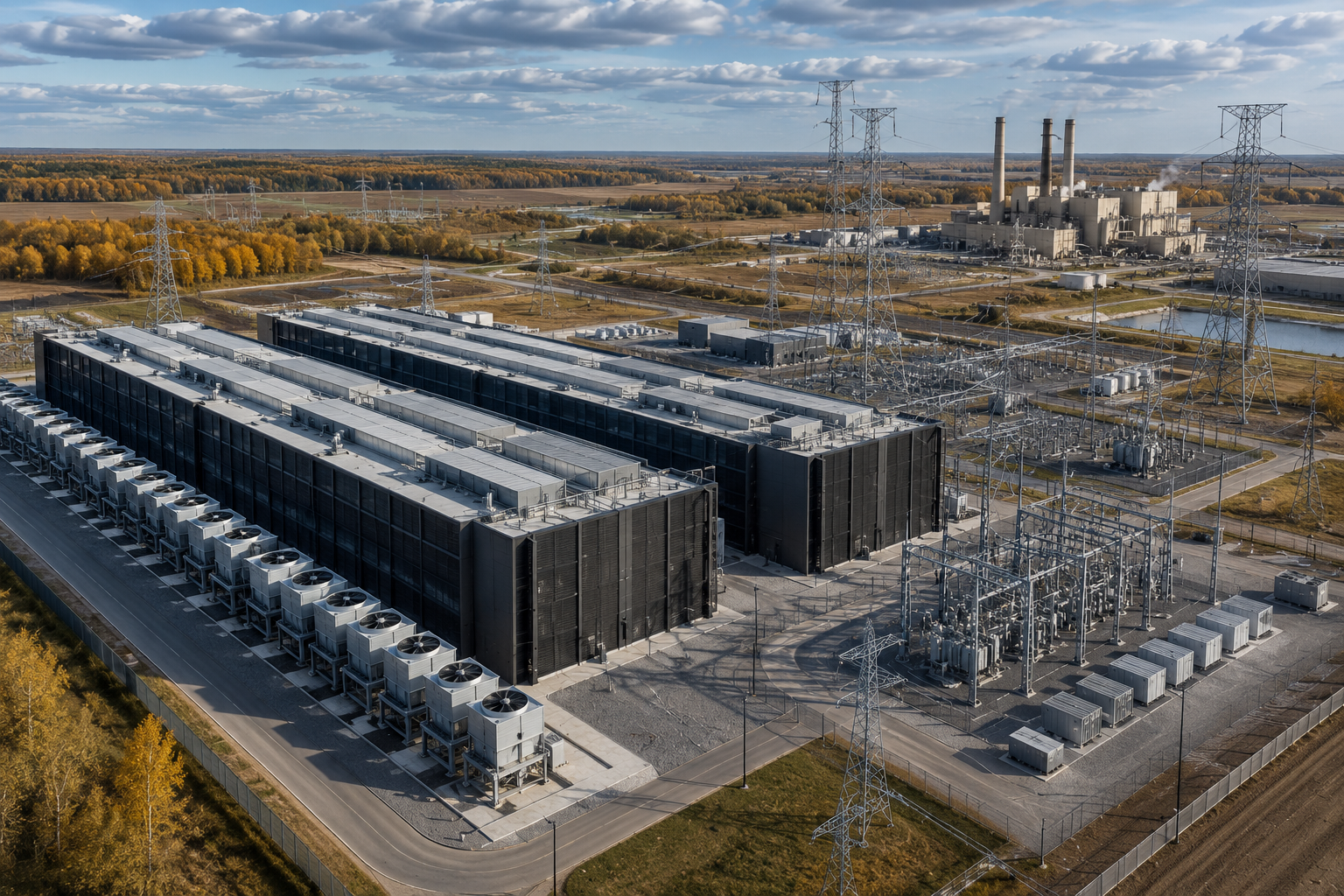
- Data-center expansion
- Secure AI deployment
- Semiconductor manufacturing
Microsoft, Amazon Web Services, Palantir, Google, Oracle, and several defense contractors are all positioned to potentially benefit from increased federal AI spending.
The convergence between AI and national security is also fueling stronger industrial policy initiatives. The U.S. government continues investing heavily in semiconductor manufacturing, domestic data infrastructure, and advanced computing systems designed to reduce reliance on foreign supply chains.
For investors, this means the AI story is expanding beyond consumer applications and enterprise software into broader themes involving defense, infrastructure, and geopolitical competition.
AI Regulation Is Becoming a Global Race
The United States is not alone in pushing for stricter AI oversight.
The European Union recently advanced its AI Act, one of the world’s most comprehensive regulatory frameworks for artificial intelligence. China has also introduced multiple AI-related rules involving generative systems, recommendation algorithms, and data security.
This global regulatory momentum reflects growing concern that AI development is advancing faster than existing legal frameworks can manage.
However, regulators face a difficult balancing act.
Overregulation could slow innovation and reduce competitiveness, while insufficient oversight could increase security risks and public distrust. Governments are now trying to establish frameworks that encourage AI leadership without creating uncontrolled technological risks.
According to McKinsey and Brookings Institution research, AI could contribute trillions of dollars to the global economy over the next decade. That economic potential is one reason policymakers are approaching regulation cautiously despite mounting pressure for oversight.
For investors, the key issue is whether regulation ultimately becomes a headwind or a stabilizing force for long-term AI adoption.
Many institutional investors increasingly believe clear regulatory standards may actually strengthen the sector over time by reducing uncertainty and encouraging broader enterprise adoption.
Semiconductor and Infrastructure Stocks Remain Critical
While the headlines focus on AI models and regulation, the broader AI infrastructure ecosystem remains central to the investment narrative.
Demand for advanced semiconductors, data centers, networking hardware, and cloud infrastructure continues accelerating globally.
Companies like Nvidia, AMD, Taiwan Semiconductor Manufacturing Company, Broadcom, and Arista Networks remain heavily exposed to AI spending trends.
Even if stricter oversight slows the release of some frontier AI systems, underlying infrastructure demand may continue growing as governments and enterprises expand AI capabilities internally.
At the same time, geopolitical competition involving AI is increasing pressure to localize semiconductor manufacturing and strengthen domestic technology supply chains.
The result is a market environment where AI regulation, industrial policy, and infrastructure investment are becoming deeply interconnected.
Future Trends Investors Should Watch
Several major developments are likely to shape AI markets throughout the remainder of 2026.
First, investors should closely monitor whether the Trump administration introduces formal AI screening requirements or broader federal oversight measures for frontier models.
Second, enterprise AI adoption trends will remain critical. If regulation slows deployment cycles, some AI revenue projections may need adjustment.
Third, cybersecurity and defense-related AI spending could accelerate significantly as governments prioritize secure AI systems and domestic infrastructure.
Fourth, semiconductor and cloud infrastructure companies are likely to remain major beneficiaries of long-term AI investment regardless of short-term regulatory volatility.
Finally, global AI competition between the United States, China, and Europe may continue influencing trade policy, export controls, and technology investment strategies.
Key Investment Insight
AI regulation is quickly evolving into one of the most important market catalysts of the decade. The push for government oversight of frontier AI models reflects growing concern over cybersecurity, national security, and the economic power of advanced artificial intelligence systems.
For investors, regulation introduces both uncertainty and opportunity.
In the near term, stricter oversight could create volatility around deployment timelines, compliance costs, and AI commercialization strategies. However, clearer governance frameworks may also strengthen long-term institutional adoption by improving trust, security, and regulatory clarity.
Investors should closely watch hyperscalers, semiconductor companies, cybersecurity firms, and defense-related AI providers as the industry enters its next phase of growth.
As artificial intelligence increasingly intersects with politics, national security, and global economic competition, staying informed on regulatory developments will be essential. Follow MoneyNews.Today for daily investor insights, AI market analysis, and breaking financial news shaping the future of technology investing.