The global semiconductor industry is investing at an unprecedented pace—but for investors, one reality remains unchanged: the most advanced chips are still in short supply.
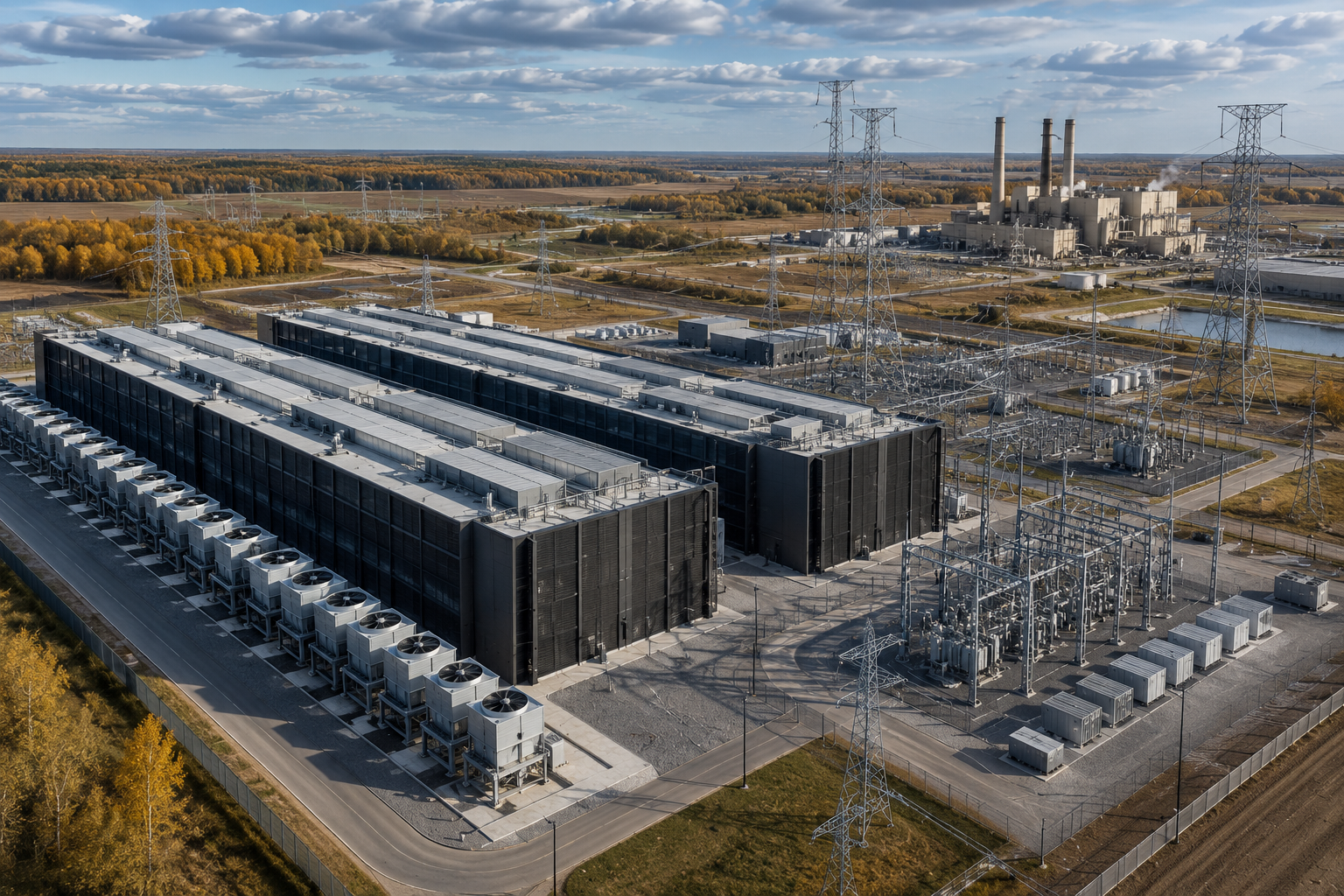
From AI data centers to cloud infrastructure, demand for high-performance semiconductors continues to surge, driven by hyperscalers and enterprise adoption of artificial intelligence. Yet despite tens of billions of dollars flowing into new fabrication plants, supply constraints—particularly at the cutting edge—are proving far more persistent than markets initially expected.
According to recent reporting from Reuters and The Wall Street Journal, even as capacity expands globally, production of advanced nodes remains bottlenecked by technological complexity, equipment limitations, and concentrated manufacturing capabilities. For investors, this imbalance is shaping one of the most important structural trends in the technology sector today.
A Supply-Demand Imbalance That Won’t Fade Quickly
The semiconductor shortage narrative has evolved—but not disappeared.
While supply for legacy chips has improved significantly since the pandemic-era crunch, advanced semiconductors used in AI workloads remain critically constrained. These chips—produced at nodes like 5nm, 3nm, and below—require highly specialized manufacturing processes that only a handful of companies globally can deliver at scale.
At the same time, demand has accelerated beyond expectations.
Hyperscalers such as Amazon, Microsoft, and Google are rapidly expanding AI infrastructure, deploying massive clusters of GPUs and custom accelerators to power large language models and next-generation applications. This surge has created a supply environment where even aggressive capacity expansion struggles to keep pace.
Reuters notes that orders for high-end chips continue to exceed available supply, while WSJ highlights that lead times for certain advanced semiconductors remain extended despite new fabs coming online.
Why Capacity Expansion Isn’t Solving the Problem
At first glance, the solution seems straightforward: build more factories. But in reality, semiconductor manufacturing is one of the most complex industrial processes in the world.
1. Extreme Technical Complexity
Producing advanced chips involves cutting-edge technologies such as extreme ultraviolet (EUV) lithography, precision materials, and highly controlled environments. Even minor disruptions can significantly impact output.
Only a few companies—such as TSMC, Samsung, and Intel—have the capability to manufacture at the most advanced nodes, and scaling these operations takes years, not months.
2. Equipment Bottlenecks
A critical constraint lies in semiconductor manufacturing equipment.
Companies like ASML, which produces EUV lithography machines, face their own supply limitations. Each EUV system is extraordinarily complex and expensive, with production capacity that cannot be rapidly expanded.
This creates a cascading effect: even if chipmakers invest heavily in new fabs, they cannot ramp production without the necessary tools.
3. Long Development Cycles
Building a semiconductor fab is a multi-year process, often taking 3–5 years from groundbreaking to full-scale production. Even then, achieving optimal yield rates requires additional time.
This means that investments announced today may not meaningfully impact supply until the latter part of the decade.
4. Concentration Risk
A significant portion of advanced semiconductor production remains geographically concentrated, particularly in Taiwan.
This concentration introduces geopolitical risks and limits the flexibility of global supply chains, further complicating efforts to balance supply and demand.
The AI Boom Is Changing Everything
What makes the current supply tightness particularly significant is the structural nature of AI demand.
Unlike previous semiconductor cycles driven by consumer electronics, the AI boom is being fueled by:
- Massive capital expenditure from hyperscalers
- Enterprise adoption of AI-driven tools
- Government investments in digital infrastructure
- Rapid innovation in generative AI models
According to WSJ, spending on AI infrastructure is accelerating, with companies committing billions annually to secure computing capacity.
This shift is transforming semiconductors from a cyclical industry into a strategic backbone of the digital economy.
Winners Beyond Chipmakers
While leading chip designers and manufacturers continue to benefit from strong demand, the broader semiconductor ecosystem presents compelling opportunities for investors.
1. Equipment Suppliers
Companies that produce the tools needed to build chips are among the biggest beneficiaries of sustained capacity expansion.
As fabs scale up globally, demand for lithography systems, etching tools, and inspection equipment remains robust—often with less exposure to end-market volatility.
2. Materials Companies
Semiconductor manufacturing relies on specialized materials, including:
- Silicon wafers
- Photoresists
- Advanced chemicals
- Packaging substrates
These materials are essential at every stage of production, creating steady demand as capacity grows.
3. Packaging and Testing Firms
Advanced packaging technologies, such as chiplets and 3D stacking, are becoming increasingly important for AI chips.
Companies operating in this segment are seeing rising demand as manufacturers look for ways to enhance performance without solely relying on smaller nodes.
Why This Matters for Investors
The persistence of semiconductor supply tightness carries several important implications:
Structural Pricing Power
Limited supply for advanced chips supports strong pricing dynamics, benefiting leading manufacturers and designers.
Sustained Capital Expenditure Cycle
The industry is entering a prolonged period of high capital investment, creating opportunities across the value chain.
Shift in Market Leadership
Companies positioned in critical bottlenecks—such as equipment and materials—may outperform traditional chipmakers in certain phases of the cycle.
Geopolitical Influence
Government policies, subsidies, and trade restrictions will continue to shape the semiconductor landscape, influencing where and how chips are produced.
Credible Signals from the Market
Recent coverage from Reuters highlights that global chipmakers are still struggling to meet demand for AI-focused semiconductors, even as new capacity comes online.
Meanwhile, The Wall Street Journal points to sustained spending by hyperscalers as a key driver of ongoing supply constraints, noting that demand visibility remains strong for years ahead.
Industry analysts broadly agree that the semiconductor market is transitioning into a long-term growth cycle driven by AI, rather than short-term fluctuations.
Future Trends to Watch
Acceleration of AI Infrastructure Spending
Expect continued growth in data center investments as companies race to deploy AI capabilities.
Next-Generation Chip Technologies
Advancements in chip design, including custom AI accelerators and chiplet architectures, will reshape the competitive landscape.
Regional Manufacturing Expansion
Government-backed initiatives in the U.S., Europe, and Asia aim to diversify semiconductor production—but results will take time.
Supply Chain Innovation
Efforts to improve efficiency, resilience, and scalability across the semiconductor supply chain will become increasingly important.
Key Investment Insight
The semiconductor story is no longer just about chips—it’s about the entire ecosystem enabling their production.
While leading chipmakers remain well-positioned, investors should consider:
- Exposure to semiconductor equipment manufacturers, which benefit directly from rising capital expenditures
- Opportunities in materials and specialty chemical companies tied to fabrication processes
- Selective investments in advanced packaging and testing firms
- Monitoring hyperscaler spending trends as a leading indicator of demand
In a world increasingly powered by AI, the companies enabling semiconductor production may offer some of the most compelling long-term opportunities.
The race for computing power is only accelerating—and the supply constraints shaping today’s market could define tomorrow’s winners. Stay ahead of the curve with MoneyNews.Today, your trusted source for daily investor insights and market intelligence.