The artificial intelligence revolution is creating winners far beyond the companies designing the world’s most advanced AI processors.
While investors have spent the past two years focusing on AI chip leaders and cloud computing giants, a new group of beneficiaries is rapidly emerging at the center of the market’s attention: memory-chip manufacturers. As demand for AI computing infrastructure accelerates, memory companies are experiencing unprecedented growth, helping propel some semiconductor firms toward trillion-dollar valuations and fundamentally reshaping the technology investment landscape.
According to recent reporting from Reuters, the explosive growth of AI workloads is driving surging demand for high-bandwidth memory (HBM), advanced DRAM technologies, and next-generation data-center components. What was once viewed as a cyclical segment of the semiconductor industry is increasingly becoming one of the most strategically important areas of the AI ecosystem.
For investors, this shift may represent one of the most important developments in technology markets today. The next phase of the AI investment cycle may not be led solely by companies building AI processors—it may be powered by the firms supplying the memory, networking, cooling, and infrastructure required to make artificial intelligence work at scale.
The Hidden Engine Behind Artificial Intelligence
Artificial intelligence models are becoming larger, more complex, and more computationally demanding.
Whether it is generative AI, autonomous systems, enterprise automation, scientific research, or advanced data analytics, modern AI applications require enormous quantities of data to move rapidly between processors and storage systems.
This is where memory technology becomes critical.
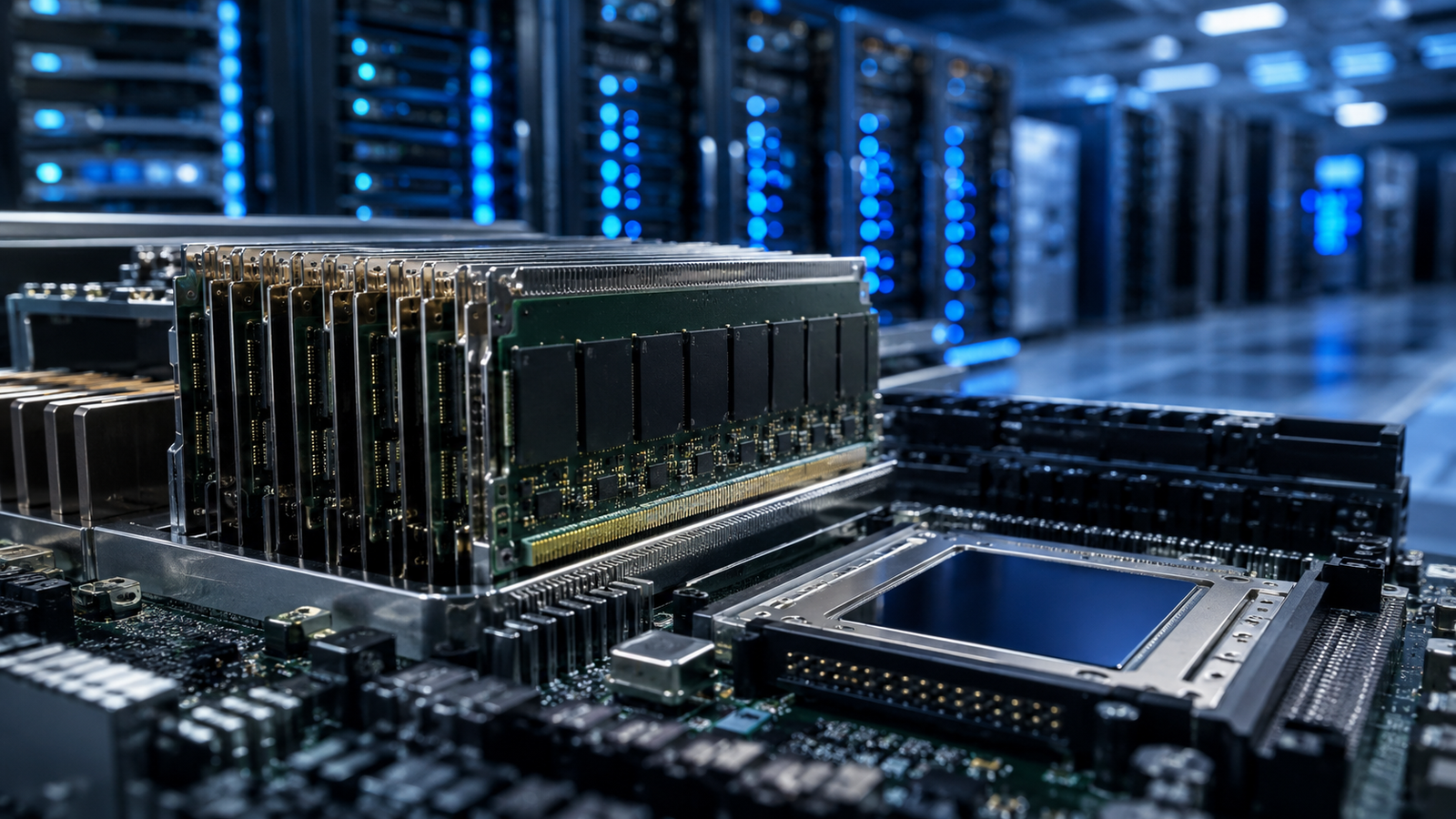
While graphics processing units (GPUs) often receive the most investor attention, they cannot perform efficiently without high-speed memory systems capable of delivering data fast enough to keep up with computational demands.
As AI workloads grow, memory capacity and bandwidth become increasingly important.
Industry analysts have noted that some advanced AI systems require multiple times more memory bandwidth than traditional computing applications. This trend has transformed high-bandwidth memory into one of the most valuable components within modern AI infrastructure.
As a result, demand for memory products is growing at a pace few industry observers predicted just a few years ago.
Why High-Bandwidth Memory Is Becoming Essential
The AI boom has introduced a new bottleneck in computing performance.
For years, improvements in processing power drove advances across the technology industry. Today, however, many AI systems are constrained not by processor performance but by the speed at which data can be transferred.
High-bandwidth memory addresses this challenge by enabling significantly faster communication between processors and memory systems.
This capability has made HBM one of the most sought-after technologies in the semiconductor sector.
Research firms including Gartner and IDC have highlighted the rapid growth of AI-related semiconductor spending, with memory emerging as one of the fastest-growing segments. Industry forecasts suggest demand for HBM could continue growing at double-digit rates for several years as AI adoption expands across industries.
For investors, this represents a major shift.
Memory manufacturers have historically experienced cyclical periods of oversupply and price volatility. The emergence of AI-driven demand introduces a structural growth driver that could support stronger earnings visibility and improved profitability.
Why This Matters for Investors
The rise of memory chips as a critical AI component has important implications for portfolio construction and technology investing.
The AI Opportunity Is Broadening
Many investors initially focused on companies directly involved in AI software or advanced processor development.
While those firms remain central to the AI story, the market is increasingly recognizing that AI requires a vast supporting infrastructure.
Memory manufacturers now sit at the heart of that infrastructure.
This broader investment opportunity allows investors to gain exposure to AI growth through multiple segments of the technology supply chain rather than relying solely on a handful of market leaders.
Supply Constraints Are Supporting Growth
Strong demand has created supply challenges across several areas of the memory market.
Industry reports indicate that production capacity for advanced HBM products remains limited relative to demand. When supply struggles to keep pace with market needs, pricing power often improves.
This dynamic has helped support stronger revenue and earnings expectations for companies operating within the memory ecosystem.
For investors, favorable supply-demand conditions can create an environment conducive to sustained profitability and shareholder value creation.
AI Infrastructure Spending Remains Robust
The strength of memory demand provides another indication that AI infrastructure spending remains healthy.
Major technology companies continue investing billions of dollars into AI data centers, cloud infrastructure, and computing systems.
Recent earnings reports from technology leaders have consistently highlighted growing AI-related capital expenditures.
As long as this spending trend continues, demand for memory solutions is likely to remain strong.
The Rise of Second-Order AI Beneficiaries
One of the most important themes emerging in financial markets is the concept of second-order AI beneficiaries.
The first phase of the AI boom primarily rewarded companies developing AI models, processors, and cloud platforms.
The next phase appears increasingly focused on the broader ecosystem that enables AI deployment.
Memory manufacturers are among the clearest examples, but they are not alone.
Investors should also monitor:
Networking Infrastructure
AI systems require enormous data movement between servers, processors, and storage devices.
This is driving demand for advanced networking technologies, optical interconnects, and high-performance communication systems.
Cooling Solutions
Modern AI data centers consume significant amounts of power and generate substantial heat.
Cooling technologies are becoming essential components of AI infrastructure, creating new opportunities across the technology sector.
Power Management
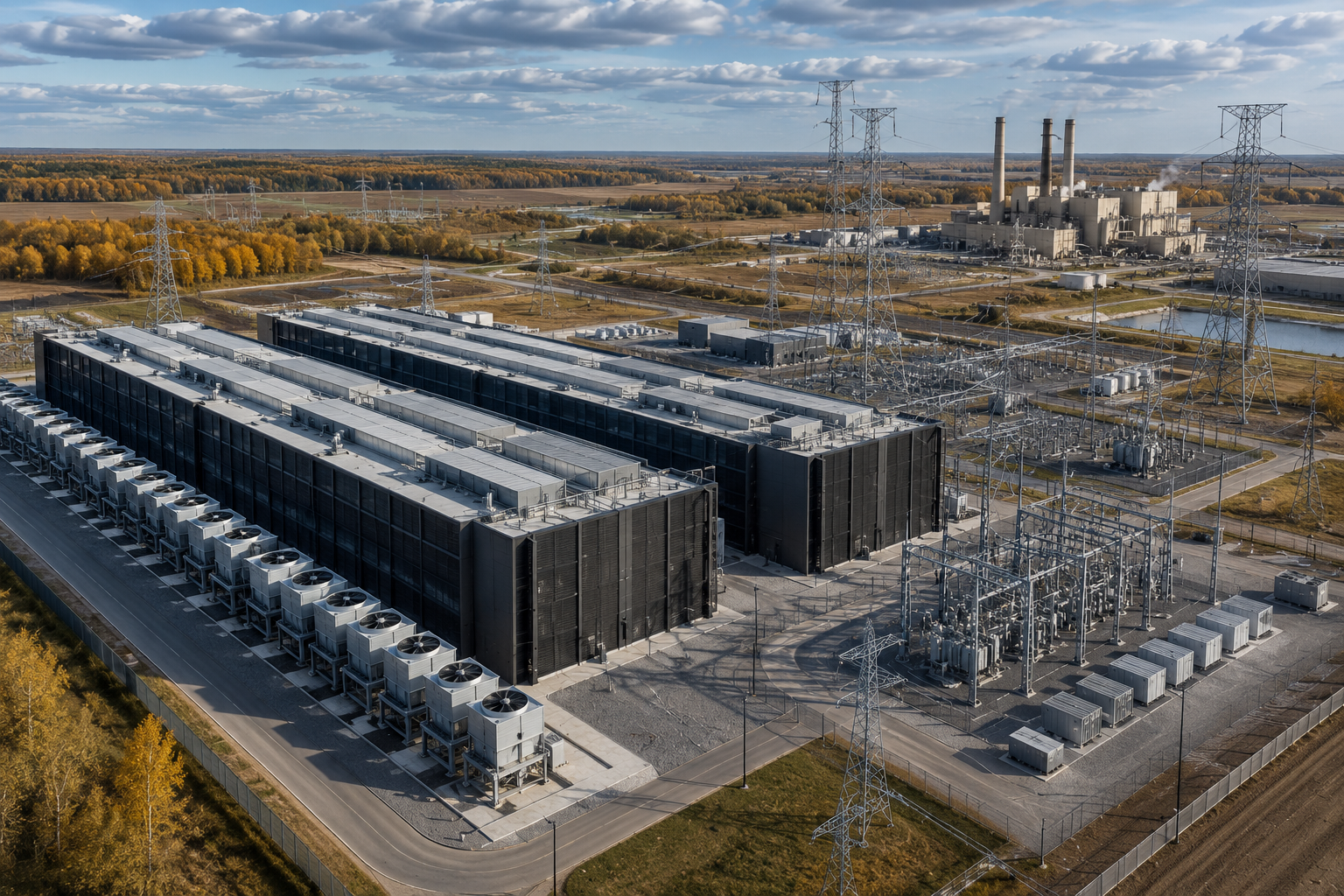
The rapid growth of AI workloads is increasing electricity consumption.
Companies involved in power management, energy efficiency, electrical equipment, and grid infrastructure may become major indirect beneficiaries of AI expansion.
Data-Center Equipment
The global race to build AI data centers continues accelerating.
Every new facility requires servers, storage systems, networking equipment, power systems, cooling infrastructure, and memory solutions.
This creates multiple avenues for investment beyond traditional semiconductor leaders.
Future Trends to Watch
Several developments could shape the next stage of AI-related technology investing.
Continued AI Capital Spending
Investors should closely monitor capital expenditure plans from major cloud providers and technology companies.
Sustained investment would provide ongoing support for memory demand and infrastructure growth.
Enterprise AI Adoption
Much of today’s AI spending is concentrated among large technology firms.
Broader adoption by corporations across healthcare, finance, manufacturing, and retail could create another significant growth wave.
Memory Technology Innovation
Advances in HBM, next-generation DRAM, and emerging memory architectures may create new competitive advantages within the semiconductor sector.
Supply Expansion
Manufacturers are investing heavily to increase production capacity.
Investors should monitor whether supply growth remains balanced with demand growth, as this will influence future pricing and profitability.
Key Investment Insight
The growing importance of memory chips illustrates how the AI investment story is evolving.
Artificial intelligence is no longer just a software or processor narrative. It has become a full-scale infrastructure buildout that requires advanced memory systems, networking equipment, cooling technologies, power management solutions, and massive data-center investments.
For investors, this creates opportunities beyond the most widely discussed AI stocks.
While AI processor leaders remain important, memory manufacturers and other infrastructure providers may represent the next generation of winners as the technology ecosystem expands.
The companies supplying the essential building blocks of AI could become some of the most important beneficiaries of one of the largest technology investment cycles in modern history.
Stay informed with MoneyNews.Today for daily investor-focused analysis, technology insights, and market intelligence covering the trends shaping the future of global investing.