The semiconductor sector is stirring back to life—and investors are paying close attention.
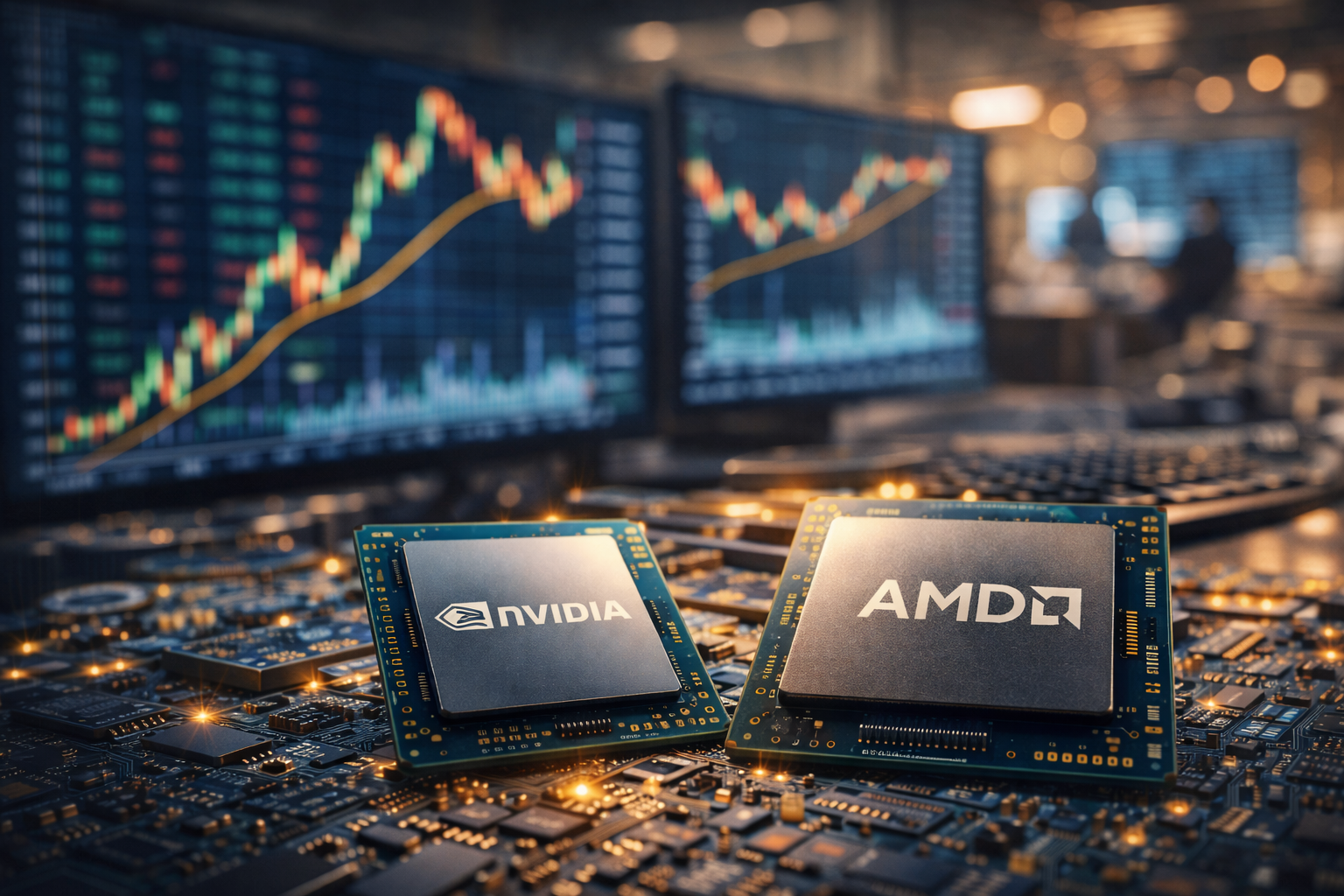
After a period marked by supply chain disruptions, inventory corrections, and macro uncertainty, chip stocks are showing renewed strength. Industry leaders like Nvidia and Advanced Micro Devices are regaining momentum as early signs of supply chain normalization begin to emerge.
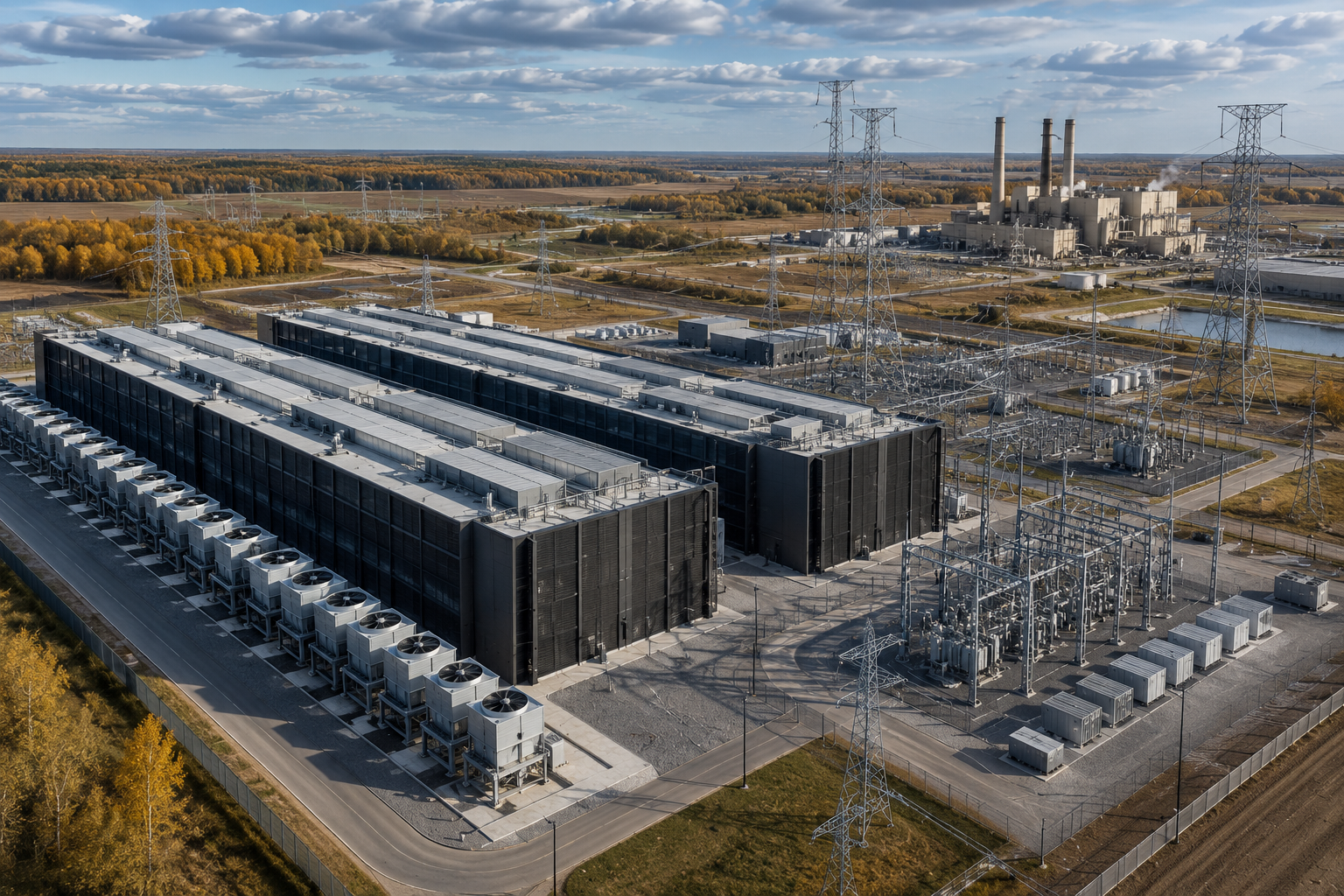
At the same time, demand tied to artificial intelligence, cloud computing, and data center expansion remains robust, creating a powerful combination: easing constraints on the supply side and accelerating growth on the demand side.
According to CNBC and Bloomberg (April 16, 2026), this dynamic is fueling a rebound in semiconductor equities—raising a critical question for investors: is the chip sector entering its next major upcycle?
A Sector Emerging From Turbulence
The past two years have been challenging for semiconductors.
Following the pandemic-driven boom, the industry faced:
- Excess inventory in certain segments
- Weakness in consumer electronics demand
- Persistent supply chain bottlenecks
- Macro pressures from rising interest rates
These factors led to a cyclical downturn, with many semiconductor stocks experiencing significant volatility.
However, the current environment suggests that the worst may be behind the sector.
Bloomberg reports that supply chain conditions are improving, with lead times shortening and production capacity gradually increasing. At the same time, inventory levels are normalizing, reducing the overhang that previously weighed on the market.
This shift is setting the stage for a potential recovery—and possibly something more significant.
AI Demand Is Rewriting the Cycle
Unlike previous semiconductor cycles, the current recovery is being driven by a structural force: artificial intelligence.
The rapid adoption of AI technologies is creating unprecedented demand for high-performance chips, particularly GPUs and specialized accelerators used in data centers.
Companies like Nvidia have been at the forefront of this trend, benefiting from strong demand for AI training and inference workloads. Meanwhile, Advanced Micro Devices is gaining traction as a competitive alternative, expanding its presence in the AI ecosystem.
This demand is fundamentally different from traditional semiconductor drivers:
- It is less tied to consumer cycles
- It is more closely linked to enterprise and infrastructure spending
- It has a longer-term growth trajectory
As a result, AI is not just boosting demand—it is reshaping the entire semiconductor cycle.
Why This Matters for Investors
The combination of improving supply conditions and strong AI-driven demand creates a compelling setup for the semiconductor sector.
1. A Potential New Upcycle
Historically, semiconductor markets have been highly cyclical, driven by supply-demand imbalances.
However, the current environment suggests a shift toward a more sustained growth phase, supported by structural demand from AI and data centers.
This could lead to:
- Longer expansion cycles
- Higher baseline demand
- Reduced volatility over time
2. Expanding Profitability
As supply constraints ease, companies can scale production more efficiently, potentially improving margins.
At the same time, strong demand for high-performance chips allows leading players to maintain pricing power—particularly in the AI segment.
This combination of volume growth and pricing strength is a powerful driver of profitability.
3. Broader Ecosystem Opportunities
The semiconductor rebound is not limited to chip designers.
It extends across the entire value chain, including:
- Equipment manufacturers
- Foundries
- Materials suppliers
- Data center infrastructure providers
For investors, this creates multiple entry points into the theme.
Supply Chain Signals: What’s Changing
One of the key catalysts for the sector’s rebound is the improvement in supply chain conditions.
During the peak of disruptions, semiconductor shortages affected everything from automobiles to consumer electronics. Lead times stretched, costs increased, and production schedules became unpredictable.
Today, several positive trends are emerging:
- Shorter lead times: Production is becoming more predictable
- Capacity expansion: Foundries are increasing output
- Inventory normalization: Excess stock is being cleared
According to CNBC, these developments are helping restore balance to the market, reducing one of the biggest sources of uncertainty for investors.
However, it’s important to note that not all constraints have disappeared. Advanced nodes—particularly those used for AI chips—remain tight, reflecting strong demand at the high end of the market.
The Competitive Landscape Is Intensifying
As the semiconductor market recovers, competition is heating up.
While Nvidia remains the dominant player in AI chips, rivals like Advanced Micro Devices are investing heavily to capture market share.
At the same time, large technology companies are developing in-house chips to reduce reliance on third-party suppliers.
This evolving landscape is creating:
- Increased innovation
- Greater competition on pricing and performance
- New opportunities for emerging players
For investors, understanding these competitive dynamics is essential for identifying long-term winners.
Future Trends to Watch
As the semiconductor sector evolves, several key trends are likely to shape its trajectory:
1. Continued AI-Driven Demand
AI workloads are expected to remain the primary growth driver, particularly in data centers and enterprise applications.
2. Geopolitical Influence on Supply Chains
Government policies and trade tensions could impact semiconductor production and distribution.
3. Expansion of Foundry Capacity
New manufacturing facilities are being built to meet growing demand, particularly in advanced nodes.
4. Integration of Chips Into New Industries
From automotive to healthcare, semiconductors are becoming increasingly central to a wide range of sectors.
5. Technological Innovation
Advances in chip design and manufacturing will continue to drive performance improvements and unlock new applications.
What Smart Money Is Watching
Institutional investors are increasingly focusing on the structural drivers of semiconductor demand rather than short-term cyclical fluctuations.
Key areas of interest include:
- AI-focused chipmakers
- Companies with strong exposure to data center growth
- Firms positioned to benefit from supply chain normalization
- Businesses with technological leadership and pricing power
This reflects a broader shift toward long-term investing in the semiconductor space, driven by confidence in the sector’s growth prospects.
Key Investment Insight
The semiconductor sector may be transitioning from a cyclical recovery to a structurally driven uptrend.
For investors, the implications are clear:
- AI demand is creating a durable growth foundation
- Improving supply chains are removing key headwinds
- Leading companies are well-positioned to capture value
Rather than viewing semiconductors as a short-term trade, investors may need to consider them as a core component of long-term technology portfolios.
Stay Ahead of the Curve
As the semiconductor industry enters a new phase of growth, staying informed is critical for identifying opportunities and managing risk.
Follow MoneyNews.Today for daily insights, expert analysis, and actionable intelligence on the trends shaping global technology markets.