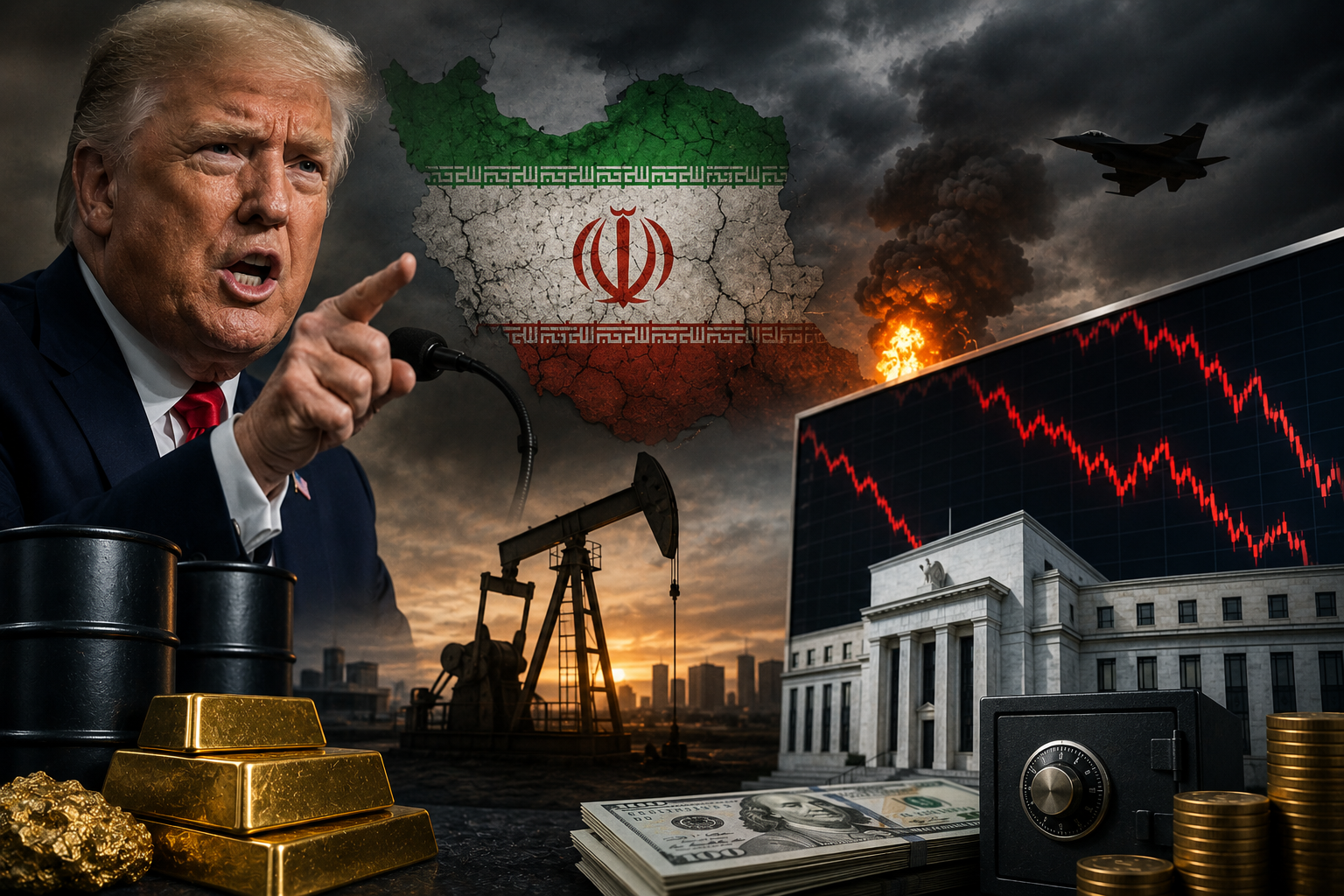
Global markets are reacting swiftly to a major geopolitical development that has immediately shifted investor sentiment: the extension of the U.S.-Iran ceasefire agreement and renewed efforts to stabilize shipping routes through the Strait of Hormuz.
According to Reuters reporting on May 29, 2026, the agreement has eased fears of potential supply disruptions in one of the world’s most critical energy corridors. The reaction has been immediate—oil prices moved lower, stock futures strengthened, and risk appetite improved across equity markets.
For investors, the development is more than a short-term headline. It represents a meaningful reduction in geopolitical risk premium embedded in global energy markets and a potential catalyst for broader market rotation into cyclicals, transport, and consumer-driven sectors.
However, while the near-term reaction is clearly positive for risk assets, the durability of this ceasefire extension remains uncertain, and markets are likely to remain sensitive to any reversal in diplomatic progress.
Strait of Hormuz Stability Recalibrates Energy Markets
The Strait of Hormuz is one of the most strategically important chokepoints in global energy trade, responsible for a significant portion of global oil shipments.
Even the possibility of disruption in this region typically introduces a “geopolitical risk premium” into oil prices. That premium reflects fears of supply shortages, shipping delays, or military escalation that could impact global energy flows.
The extension of the ceasefire agreement between the U.S. and Iran has significantly reduced those concerns—at least in the short term.
According to Reuters coverage on May 29, 2026, improved diplomatic communication and commitments to maintain shipping security have helped stabilize market expectations, contributing to a decline in crude oil prices and easing volatility across energy markets.
Energy analysts note that even partial reductions in perceived risk can have outsized effects on commodity pricing, particularly when speculative positioning is elevated.
Why This Matters for Investors
The implications of this geopolitical shift extend far beyond oil markets.
1. Lower Energy Prices Support Equity Valuations
Oil prices are a key input cost for global economies.
When energy prices decline, inflation expectations tend to ease, which can have a direct impact on interest rate expectations and equity valuations.
Lower energy costs also improve profit margins for companies in:
- Transportation
- Manufacturing
- Chemicals
- Consumer goods
- Logistics and shipping
This creates a broad-based positive tailwind for cyclical sectors.
2. Inflation Expectations May Ease Further
One of the most important macro drivers for financial markets is inflation.
Energy prices play a significant role in headline inflation readings. A sustained decline in oil prices can help reduce inflationary pressure, which in turn influences central bank policy expectations.
While inflation remains influenced by multiple structural factors, energy price stability is one of the most immediate levers affecting short-term data.
According to historical analysis from institutions such as the International Monetary Fund (IMF) and the U.S. Energy Information Administration (EIA), geopolitical risk reductions in major supply corridors often translate into measurable easing in inflation expectations.
3. Risk Appetite Improves Across Equity Markets
Markets typically respond positively when geopolitical uncertainty declines.
The immediate reaction to the ceasefire extension reflects this dynamic, with equity futures moving higher and volatility declining.
Investors tend to rotate into risk assets when perceived tail risks diminish, particularly in sectors that are sensitive to global demand and energy costs.
Sector Impact: Who Benefits the Most
The reduction in geopolitical tension and lower oil prices create clear sector-level implications for investors.
Transportation and Airlines
Lower fuel costs directly improve operating margins for airlines, shipping companies, and logistics providers.
Fuel is one of the largest cost components in transportation-heavy industries, meaning even modest declines in oil prices can significantly impact profitability.
Industrial and Manufacturing Sectors
Manufacturers benefit from reduced input costs across energy-intensive production processes.
Improved cost structures can support earnings growth even in slower demand environments.
Consumer Discretionary
Lower energy prices effectively act as a form of consumer tax relief.
When gasoline and heating costs decline, disposable income increases, supporting spending in retail, travel, and leisure sectors.
Energy Sector (Short-Term Pressure, Long-Term Uncertainty)
Energy producers often face short-term pressure when oil prices decline.
However, the long-term outlook remains dependent on production discipline, global demand trends, and OPEC+ policy decisions.
Investors should distinguish between short-term price volatility and long-term structural energy demand.
Financial Markets
Lower geopolitical risk can improve credit conditions and reduce risk premiums across financial markets.
This often supports banks, insurance companies, and broader credit-sensitive sectors.
Future Trends to Watch
While the current market reaction is positive, several key factors will determine whether this trend continues.
Durability of the Ceasefire Agreement
The most important variable is whether the ceasefire extension evolves into a sustained diplomatic framework.
Any breakdown in negotiations could quickly reverse current market gains.
Oil Supply and Demand Dynamics
Even with reduced geopolitical risk, oil prices remain sensitive to global demand trends, OPEC+ production decisions, and inventory levels.
Inflation Data Releases
Upcoming inflation reports will help determine whether lower oil prices are feeding into broader price stability.
This will influence central bank policy expectations.
Shipping Route Stability
Markets will closely monitor the Strait of Hormuz for any renewed disruptions or escalation risks.
Global Risk Sentiment
Investor positioning and risk appetite can shift rapidly based on geopolitical developments, making this an important area to watch for volatility signals.
Broader Market Implications
The extension of the U.S.-Iran ceasefire agreement highlights how geopolitical events remain one of the most powerful short-term drivers of global markets.
Even in a technology-driven investment cycle dominated by artificial intelligence and semiconductor expansion, energy security and geopolitical stability continue to play a central role in shaping macroeconomic conditions.
For investors, this event reinforces an important dynamic: markets are increasingly sensitive to the intersection of geopolitics, energy supply, and inflation expectations.
When geopolitical risk declines, it can amplify existing bullish trends in equities—particularly in sectors tied to economic growth and consumer activity.
However, the same sensitivity means that markets can reverse quickly if conditions deteriorate.
Key Investment Insight
The U.S.-Iran ceasefire extension represents a meaningful short-term reduction in global risk sentiment, with direct implications for oil prices, inflation expectations, and equity market performance.
Lower energy prices support cyclical sectors such as transportation, industrials, and consumer discretionary, while also improving broader market sentiment by easing inflation concerns.
However, the sustainability of this trend depends entirely on diplomatic durability and continued stability in the Strait of Hormuz.
For investors, the key takeaway is that geopolitical risk remains a fast-moving but powerful driver of market direction—capable of shifting inflation expectations, sector leadership, and risk appetite in a matter of days.
Stay updated with MoneyNews.Today for daily investor insights, geopolitical analysis, and market-moving developments shaping global financial trends.