U.S. equity markets opened June 2026 on a firm footing as investors continued to lean into the dominant theme of the year: artificial intelligence-driven growth. Despite lingering geopolitical concerns in the Middle East and renewed volatility in energy markets, bullish sentiment around AI innovation helped lift futures and reinforce risk appetite across major indices.
According to Reuters reporting on June 1, 2026, early trading momentum was supported by continued enthusiasm surrounding Nvidia’s latest AI developments, alongside broader strength in the technology sector. While geopolitical tensions between the U.S. and Iran have added uncertainty to global markets and contributed to higher oil prices, investors appear increasingly willing to look through short-term macro risks in favor of structural growth narratives tied to AI, semiconductors, and digital infrastructure.
The result is a market environment defined by divergence: cyclical geopolitical risks on one side, and powerful technology-led earnings optimism on the other.
AI Momentum Continues to Dominate Market Sentiment
Artificial intelligence remains the single most important driver of equity market performance in 2026.
Technology leaders such as Nvidia continue to anchor investor sentiment, with ongoing product innovation, AI chip demand, and enterprise adoption reinforcing expectations for sustained earnings growth across the semiconductor ecosystem.
Recent developments highlighted at Computex Taiwan have further strengthened the narrative that AI is expanding beyond datacenters into personal computing, robotics, and enterprise software integration. This expansion has helped sustain elevated valuations across the technology sector, particularly in AI infrastructure and chip manufacturing.
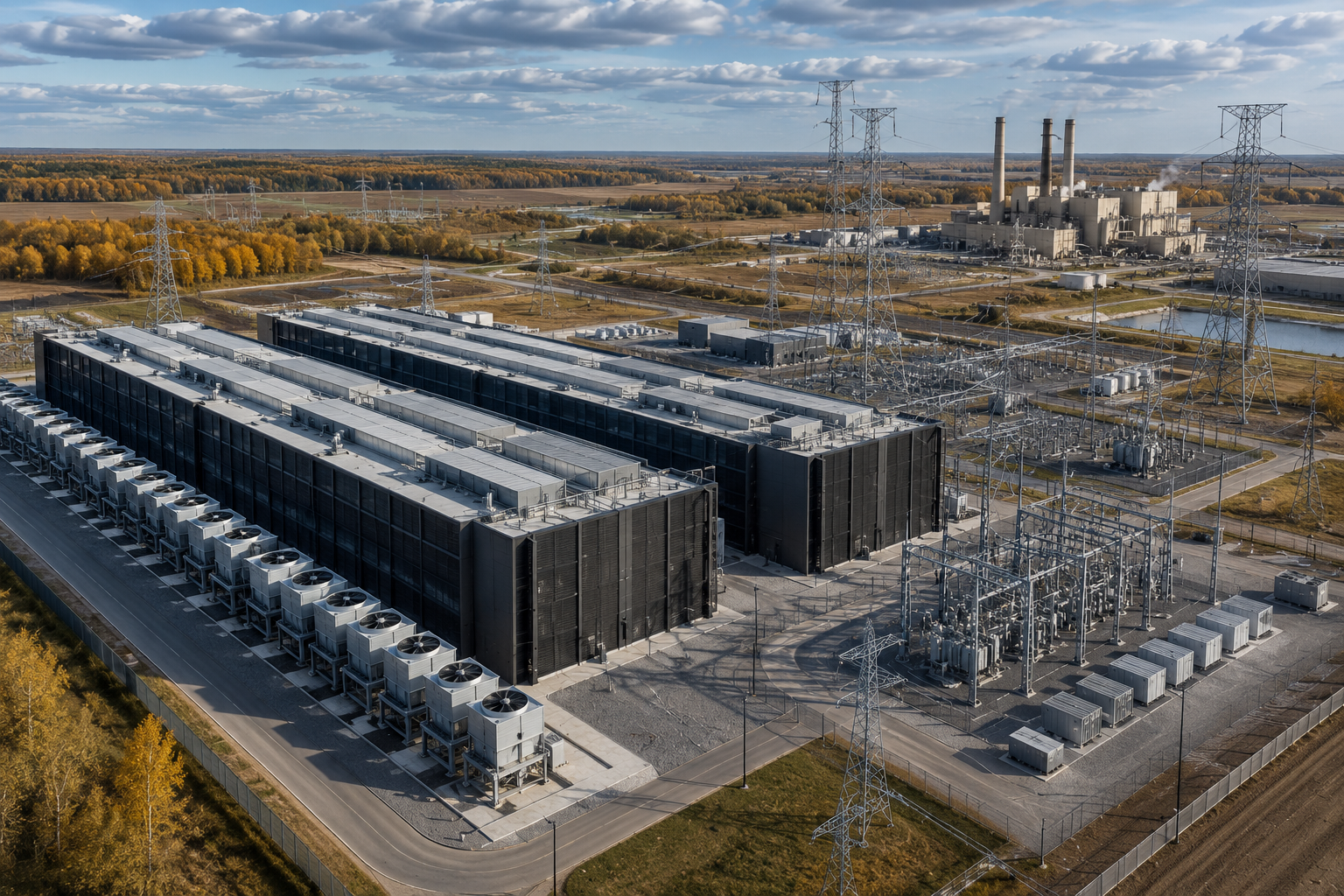
Analysts cited by major financial outlets including Bloomberg and Reuters note that AI-related capital expenditures from hyperscalers remain robust, with continued investment in data centers, advanced chips, and networking infrastructure supporting a multi-year growth cycle.
For investors, this reinforces the idea that AI is no longer a speculative theme—it is now a core driver of global equity market performance.
Geopolitical Tensions Add a Layer of Uncertainty
While equity markets have started the month on a positive note, geopolitical risks remain a key overhang.
Tensions between the United States and Iran have contributed to volatility in global energy markets, pushing oil prices higher and raising concerns about potential disruptions in supply routes. Historically, elevated oil prices can weigh on equity valuations by increasing input costs for corporations and raising inflation expectations.
However, market reaction so far suggests investors are prioritizing growth exposure over defensive positioning. This divergence between macro risk and equity optimism is a defining feature of the current market environment.
Energy-sensitive sectors such as airlines, transportation, and industrials remain more exposed to volatility, while technology stocks continue to outperform as investors rotate toward long-duration growth assets.
Why the Market Is Looking Past Macro Risks
One of the most important dynamics in today’s market is the increasing dominance of structural growth themes over cyclical macro concerns.
Several factors are contributing to this behavior:
1. Strong Earnings Expectations in Technology
AI-linked companies continue to deliver strong revenue growth, reinforcing investor confidence in forward earnings estimates.
2. Liquidity and Institutional Allocation
Large institutional investors remain overweight U.S. equities, particularly in mega-cap technology stocks that dominate index performance.
3. AI Capital Expenditure Cycle
Hyperscalers and enterprise firms are continuing aggressive investment in AI infrastructure, supporting semiconductor demand.
4. Limited Alternative Growth Narratives
Outside of AI, few sectors are currently offering comparable growth visibility.
Together, these forces are creating a market structure where dips driven by macro uncertainty are increasingly being bought by investors seeking exposure to AI-driven upside.
Inflation and Fed Policy Remain Key Wildcards
Despite strong equity performance, investors are closely watching upcoming economic data that could reshape market expectations in June.
Key indicators include:
- U.S. employment reports
- Inflation data (CPI and PCE)
- Federal Reserve commentary and forward guidance
According to analysis from major financial institutions including Goldman Sachs and JPMorgan, the Federal Reserve’s policy trajectory remains a critical variable for equity valuations, particularly for high-growth technology stocks that are sensitive to interest rate expectations.
If inflation proves sticky or labor markets remain tight, markets could face renewed pressure from the prospect of higher-for-longer interest rates.
Conversely, signs of cooling inflation could further reinforce the current risk-on environment.
Sector Performance: AI Leads, Cyclicals Lag
Early June trading highlights a continued divergence across sectors:
Technology and AI Leaders
- Semiconductor stocks remain the primary market drivers
- AI infrastructure companies continue to outperform
- Cloud computing and software firms benefit from enterprise AI adoption
Energy and Industrials
- Volatility increases due to geopolitical risk and oil price fluctuations
- Input cost concerns remain a headwind
Consumer Sectors
- Mixed performance as inflation uncertainty affects spending outlook
Financials
- Sensitive to interest rate expectations and yield curve dynamics
This divergence underscores the concentrated nature of current equity market leadership.
The AI Trade Remains the Central Market Narrative
The most important takeaway for investors is that AI continues to function as the dominant market narrative shaping capital flows.
From chipmakers to cloud providers to enterprise software companies, AI-linked equities are attracting disproportionate investor attention and inflows. This has created a market environment where a small group of mega-cap technology firms exert outsized influence on broader index performance.
While this concentration has supported strong returns, it also introduces risk if sentiment around AI spending or monetization expectations shifts.
Risks Investors Should Monitor
Despite strong momentum, several risks could impact market direction in June:
- Escalation of Middle East geopolitical tensions
- Rising oil prices feeding inflation pressures
- Stronger-than-expected U.S. labor market data
- Federal Reserve signaling delayed rate cuts
- Potential profit-taking in overextended AI stocks
These factors could increase volatility, particularly in high-growth segments of the market.
Future Trends to Watch
Several key developments will likely shape equity markets over the coming weeks:
- Nvidia and AI semiconductor earnings guidance
- U.S. inflation and employment data releases
- Federal Reserve policy signals
- Continued capital expenditure from hyperscalers
- Oil price stability amid geopolitical tensions
- Rotation between growth and defensive sectors
Each of these variables will influence whether current equity momentum extends further into the summer.
Key Investment Insight
The opening of June 2026 reinforces a defining market theme: artificial intelligence continues to overpower macro uncertainty as the primary driver of equity performance. While geopolitical risks and inflation concerns remain relevant, investor behavior is increasingly anchored to long-term AI-driven earnings growth.
For investors, the key focus remains on identifying companies positioned within the AI infrastructure ecosystem while maintaining awareness of macro risks that could trigger short-term volatility. The balance between structural growth and geopolitical uncertainty is likely to define market direction throughout June.
Stay updated with MoneyNews.Today for daily investor insights, market analysis, and breaking financial developments shaping global equity markets.