
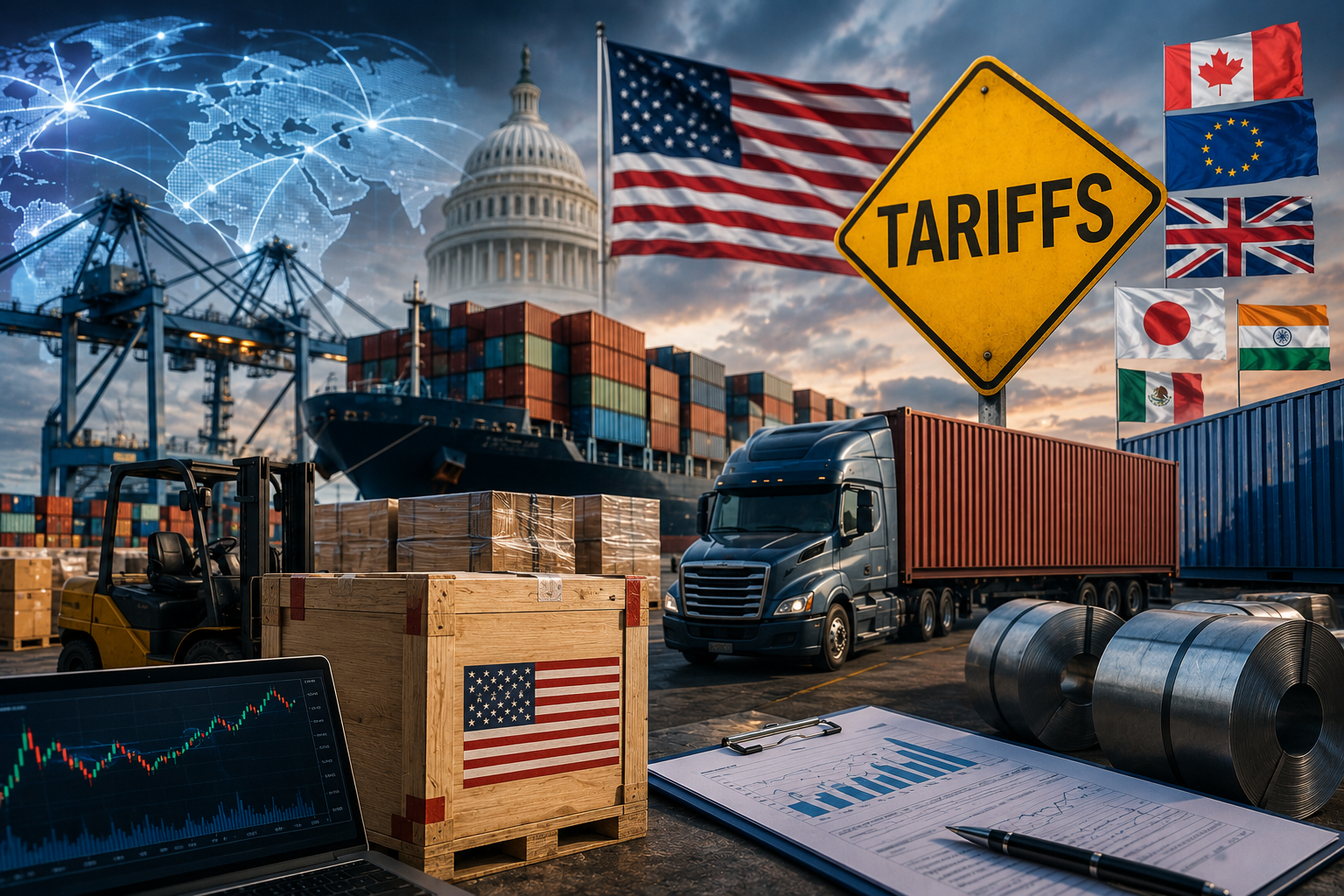
The U.S. Trade Representative announced on June 3, 2026, a proposal to impose additional tariffs of 10% to 12.5% on imports from 60 economies, including Canada, the European Union, the United Kingdom, Japan, India, and Mexico (Reuters, June 3, 2026). The move is part of an investigation alleging insufficient enforcement of forced-labor import restrictions and represents one of the most significant trade actions affecting multiple major economies in recent years. Public consultation on the proposal will run through early July, providing stakeholders a chance to submit feedback before the tariffs could be finalized.
This development immediately thrusts global supply chains, manufacturing costs, and trade-sensitive sectors into investor focus, with potential ripple effects across industrials, autos, consumer goods, metals, and logistics markets. Canadian exporters, in particular, could face a direct hit, while companies heavily reliant on international sourcing may need to reassess procurement strategies.
Why This Matters for Investors
Investors are facing a heightened landscape of geopolitical and trade risks. The potential new tariffs are likely to:
- Increase costs for manufacturers and importers: Companies relying on goods from affected countries may see margins squeezed.
- Pressure equity markets in trade-sensitive sectors: Industrial, automotive, and consumer discretionary companies may experience heightened volatility.
- Influence commodity prices: Metals and energy markets could react to supply chain shifts and potential production slowdowns.
- Impact global inflation expectations: Tariffs typically raise import prices, which can feed through to consumer prices, influencing Federal Reserve policy outlooks.
According to trade analysts cited by Reuters, this proposal is intended to pressure foreign governments to enforce U.S. labor standards while signaling that the administration is willing to leverage tariffs as a tool for policy compliance.
How Global Supply Chains Could Be Affected
The breadth of affected countries—spanning North America, Europe, and Asia—means nearly every major industry faces some exposure. Canadian and EU manufacturers supplying intermediate goods to U.S. assembly lines may face tariff-induced cost increases, prompting potential adjustments in sourcing, pricing, and inventory strategies.
For multinational corporations, especially those in autos, aerospace, electronics, and consumer goods, the risk is twofold: higher import costs and uncertainty over regulatory timelines. Investors should expect market reactions in equity prices as companies update guidance and adjust expectations for margins.
Example: Automotive Industry
Canada, Mexico, and the EU collectively supply a substantial share of components used in U.S. vehicle production. A tariff of 10–12.5% on these inputs could:
- Increase production costs for U.S. automakers.
- Delay expansion plans in factories reliant on cross-border parts shipments.
- Potentially shift investment toward domestic suppliers, creating opportunities for U.S.-based industrial companies.
Investor Takeaways on Inflation and Bonds
Trade tensions often affect expectations for inflation and interest rates. Tariff-driven price increases could exacerbate consumer inflation, prompting investors to:
- Reassess Treasury and bond positions: Inflation pressures could influence yields.
- Monitor industrial metals for price movements: Copper, steel, and aluminum markets could see near-term volatility.
- Evaluate equities with global supply-chain exposure: Companies with international sourcing are particularly at risk.
Financial markets historically respond quickly to tariff announcements, with short-term selloffs in affected sectors often followed by selective recovery based on company hedging strategies and exposure mitigation.
Future Trends to Watch
Several critical developments could determine the ultimate market impact of this proposal:
- Public feedback period through July 2026: Industry associations, governments, and corporations will weigh in, potentially altering tariff rates or timelines.
- Diplomatic negotiations: Countries affected may seek exemptions, negotiate bilateral arrangements, or retaliate, creating further market uncertainty.
- Impact on North American supply chains: Firms may accelerate diversification away from affected countries, benefiting domestic suppliers or alternative markets.
- Inflation and Federal Reserve response: If tariffs materially affect consumer prices, policymakers may adjust monetary policy, impacting interest rates and bond yields.
According to economists cited by Bloomberg, the combination of tariffs and potential retaliatory measures could add a layer of risk to corporate earnings forecasts, particularly in sectors with high import dependency.
Opportunities Amid Trade Uncertainty
Despite the risks, investors can identify areas with potential upside:
- Domestic manufacturers: U.S. firms providing alternatives to imports may see increased demand.
- Supply chain diversification: Companies investing in regional or local sourcing could gain a competitive advantage.
- Commodity producers: Metal and energy companies supplying materials to U.S. manufacturers may benefit from supply bottlenecks.
- Defense and logistics sectors: Firms facilitating alternative shipping routes or domestic production could see stronger revenues.
Smart investors will monitor both short-term volatility and long-term trends, balancing risk management with selective exposure to sectors poised to benefit from shifting trade dynamics.
Key Investment Insight
The proposed U.S. tariffs on 60 trading partners represent a major political development with broad implications for global markets. Investors should remain alert to tariff developments, public comment outcomes, and potential retaliatory measures. Companies with significant exposure to affected trade routes should be closely watched, while sectors providing domestic alternatives may present strategic investment opportunities.
Stay informed with MoneyNews.Today for daily market-moving developments, expert analysis, and insights to navigate politically driven investment risks.




