
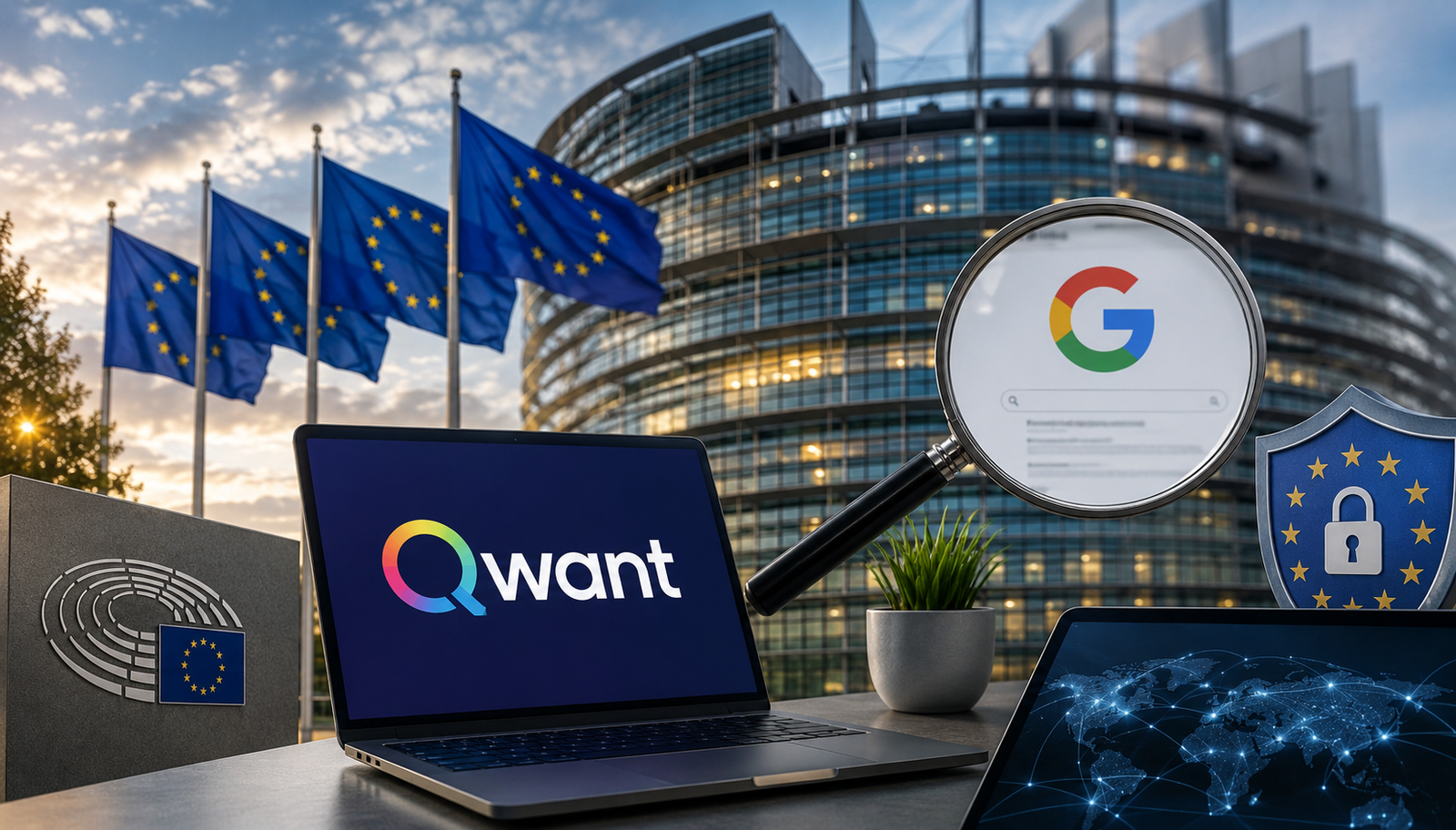
In a move highlighting the growing momentum behind European digital sovereignty, the European Parliament announced it will replace Google as its default search engine with France-based Qwant, according to Reuters (June 3, 2026). This decision underscores a broader effort across the European Union to reduce reliance on U.S. technology platforms and strengthen domestic digital infrastructure, a development that carries implications for both Big Tech and investors focused on technology, cloud, and AI sectors.
For investors, the shift signals the increasing importance of regulatory and political dynamics in shaping technology adoption, competition, and market access. With Europe pushing to foster local alternatives, companies in AI, search, cloud computing, and semiconductors may see both new opportunities and challenges emerge in a market historically dominated by U.S.-based giants.
The Strategic Logic Behind Europe’s Move
The European Parliament’s decision to adopt Qwant as its default search engine is part of a broader campaign to assert digital sovereignty. European policymakers are increasingly concerned about reliance on foreign technology platforms for critical infrastructure, data management, and citizen services. By promoting homegrown solutions, governments aim to ensure that control over data, privacy, and technology governance remains within European borders.
Qwant, founded in 2013, has positioned itself as a privacy-focused search engine, emphasizing compliance with EU data protection standards. The platform has gradually gained traction among privacy-conscious users, but the Parliament’s endorsement represents a significant milestone, potentially catalyzing wider adoption across public institutions and private enterprises.
According to experts cited by Reuters, the decision is also a symbolic challenge to U.S.-based Big Tech dominance. European regulators have long scrutinized companies such as Google, Microsoft, and Amazon for market power, data practices, and competition concerns. Moves like this reflect a strategic approach to diversify Europe’s digital ecosystem while incentivizing local innovation.
Why This Matters for Investors
Investors should recognize that regulatory and political forces are becoming increasingly central to technology sector dynamics. Europe’s digital sovereignty initiatives could:
- Reduce market share for U.S.-based technology firms in European markets, particularly in cloud computing, AI services, and online search.
- Create growth opportunities for European software and cloud providers positioned to benefit from government adoption and broader ecosystem support.
- Encourage strategic partnerships, M&A activity, or expansion of domestic capabilities in semiconductors, AI infrastructure, and cybersecurity to meet local compliance standards.
While Qwant itself may not yet rival Google in scale or revenue, the Parliament’s endorsement sets a precedent for other EU institutions and member states, which may adopt similar policies in the coming months and years.
The Broader European Digital Sovereignty Trend
The Qwant decision is part of a series of policy measures and initiatives designed to bolster European control over digital infrastructure. These include:
- GAIA-X: A European cloud project designed to create a secure and competitive cloud ecosystem.
- EU AI Act: Comprehensive regulation establishing standards for AI deployment, privacy, and transparency.
- Digital Markets Act (DMA): Legislation aimed at curbing anti-competitive practices among major platforms, creating room for smaller players.
According to McKinsey and Bloomberg Intelligence, the combined effect of these policies is likely to reshape the European technology landscape over the next decade. Investors should watch how domestic cloud providers, AI software firms, and semiconductor suppliers position themselves in response to these shifts.
By fostering domestic alternatives, Europe aims to reduce dependency on foreign suppliers while encouraging investment in local infrastructure and innovation. Companies capable of complying with European standards or providing complementary services could benefit from preferential adoption and regulatory support.
Potential Impacts on Big Tech
U.S.-based technology giants, including Google, Microsoft, and Amazon, may face a growing need to adapt their European strategies. This could include:
- Partnering with local providers to maintain market presence.
- Establishing Europe-based cloud infrastructure and AI operations to comply with regulatory mandates.
- Adjusting service offerings to meet privacy, data sovereignty, and AI transparency requirements.
These adjustments carry both cost implications and opportunities for investors. Firms that successfully navigate the evolving regulatory landscape may preserve market share, while those that fail to comply could face reduced adoption, fines, or reputational impacts.
Investment Opportunities in the Sovereignty Shift
For investors, several sectors and asset classes are worth monitoring:
- European Cloud Providers: Companies offering compliant cloud storage, AI infrastructure, or hosting services could see increased adoption as governments diversify away from U.S. platforms.
- AI and Search Technology Firms: Domestic companies developing AI-driven search engines, enterprise AI solutions, or privacy-focused platforms may benefit from policy-driven adoption.
- Semiconductors and Hardware: Suppliers supporting local AI and cloud infrastructure, particularly those involved in chips, servers, and networking equipment, could see increased demand.
- Cybersecurity and Compliance Firms: Organizations offering data security, governance, and compliance services may experience growth as European institutions prioritize secure and sovereign technology ecosystems.
Analysts at Deloitte and PwC highlight that regulatory-led adoption often creates stable, long-term revenue streams for companies positioned to benefit from government and institutional contracts. Investors may find value in identifying firms that are already aligned with European sovereignty initiatives.
Future Trends to Watch
Several developments could influence the trajectory of Europe’s digital sovereignty push:
- Expansion of Qwant adoption: Other EU institutions may follow the Parliament’s lead, increasing usage and visibility.
- Policy evolution: The EU AI Act, DMA, and other regulations may introduce new compliance requirements or incentives, affecting market dynamics.
- Investment in local infrastructure: Capital allocation toward European data centers, AI platforms, and digital services will be critical to building a competitive ecosystem.
- Global tech competition: U.S. and Asian technology companies may adjust strategies to maintain access to the European market, potentially creating joint ventures or partnerships with local providers.
Investors who monitor these trends can position portfolios to capitalize on regulatory-driven growth and anticipate market shifts affecting both European and global technology stocks.
Key Investment Insight
Europe’s move to replace Google with Qwant underscores the growing importance of regulatory and political dynamics in shaping technology markets. Investors should track European digital sovereignty initiatives, particularly in cloud computing, AI infrastructure, search platforms, and semiconductors. Companies well-positioned to meet European compliance standards or provide infrastructure for sovereign digital services may offer compelling long-term investment opportunities.
Stay updated with MoneyNews.Today for daily investor insights, market-moving developments, and analysis of the regulatory trends shaping global technology and digital infrastructure.




