Artificial intelligence is no longer just a software revolution—it’s rapidly becoming one of the most powerful forces reshaping global energy markets. What began as a race for computing dominance is now triggering a scramble for something far more fundamental: electricity.
Fresh developments reported by Bloomberg and Investing.com (April 30, 2026) reveal that Microsoft is in discussions with energy producers including Chevron to secure reliable power for its expanding AI data center footprint. The implications go far beyond a single deal. This is the early stage of a structural shift—one that is linking the future of artificial intelligence directly to the global energy supply chain.
For investors, the message is clear: the AI boom is no longer confined to tech stocks. It is creating ripple effects across energy, infrastructure, utilities, and even geopolitics.
AI’s Hidden Constraint: Power, Not Processing
For the past two years, investor focus around AI has centered on semiconductors, cloud computing, and software innovation. Companies raced to build more powerful models, deploy advanced chips, and scale their digital infrastructure.
But a new constraint is emerging—one that could define the next phase of AI growth: energy availability.
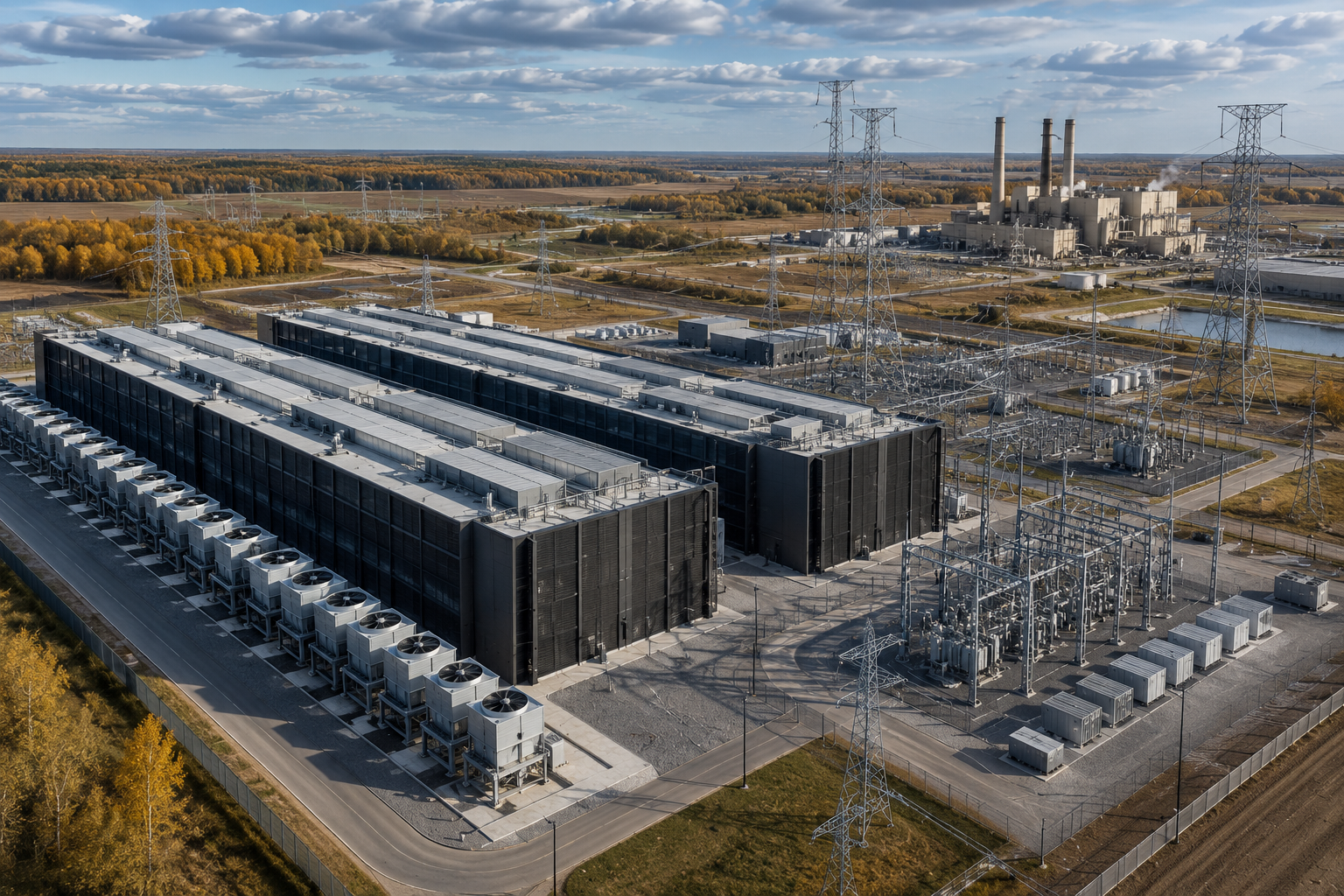
Training and operating large-scale AI models requires immense computational power, which in turn demands vast amounts of electricity. Data centers—the backbone of AI infrastructure—are becoming some of the largest consumers of power globally.
According to estimates from the International Energy Agency (IEA) and analysis cited by Bloomberg, AI-driven data center demand could increase global electricity consumption by double-digit percentages over the next decade. In some regions, data centers are already straining local power grids.
This is forcing tech companies to rethink their strategy. Securing chips and talent is no longer enough—they must also secure long-term, stable energy supply.
Tech Meets Energy: A Strategic Convergence
The talks between Microsoft and Chevron highlight a broader trend: the convergence of technology and energy sectors.
Historically, these industries operated independently. Tech companies focused on software and services, while energy firms concentrated on extraction and distribution. Today, that separation is breaking down.
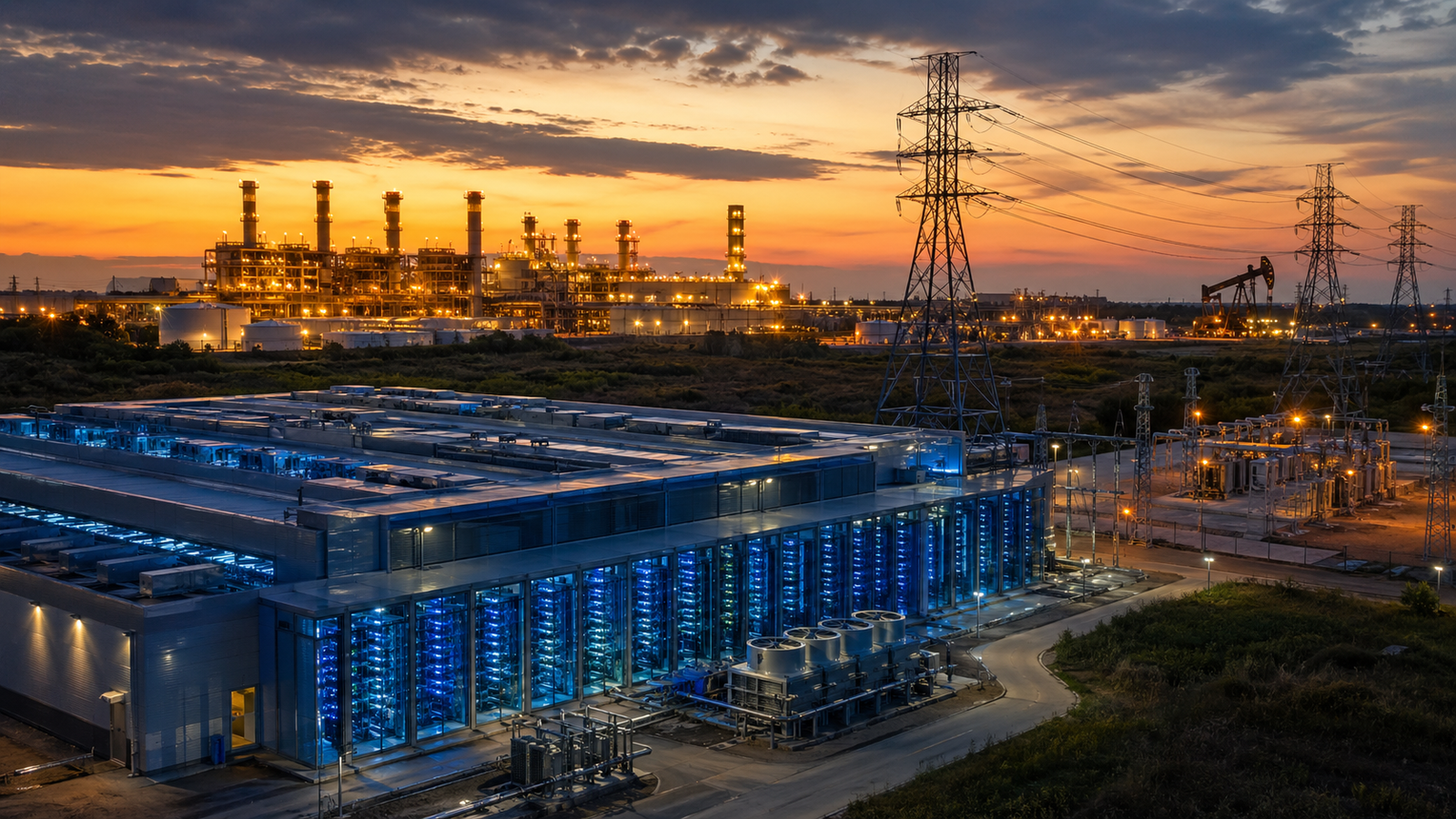
Energy is becoming a strategic asset for tech companies, particularly those leading the AI race. Direct partnerships with oil, gas, and utility providers are emerging as a way to guarantee access to reliable power at scale.
For Chevron and its peers, this presents a new opportunity. As traditional energy demand evolves, supplying power for AI infrastructure offers a potentially lucrative and long-term growth avenue.
This convergence is also being echoed across the industry:
- Tech firms are exploring direct power purchase agreements (PPAs)
- Investments in renewable energy and nuclear power are accelerating
- Data center operators are increasingly co-locating with energy sources
The result is a new industrial ecosystem—one where compute and energy are inseparable.
Why This Matters for Investors
The implications of this shift are profound and far-reaching.
First, it expands the AI investment thesis beyond traditional technology stocks. While companies like Microsoft remain central to the story, the value chain now includes:
- Energy producers (oil, gas, renewables)
- Utilities and grid infrastructure providers
- Nuclear and small modular reactor (SMR) developers
- Industrial companies involved in power distribution and storage
Second, it introduces a new layer of risk. AI growth is now tied to physical infrastructure constraints. Delays in energy projects, regulatory hurdles, or supply disruptions could impact the pace of AI expansion.
Third, it creates opportunities for cross-sector investment strategies. Investors who recognize the link between AI and energy early may benefit from exposure to sectors that have traditionally been overlooked in the context of technological innovation.
The Economics of AI Power Demand
Understanding the economics behind this trend is critical.
AI data centers operate at an unprecedented scale, often requiring hundreds of megawatts of continuous power. This is significantly higher than traditional data centers, driven by the computational intensity of AI workloads.
At the same time, energy costs are becoming a major component of operating expenses for tech companies. Securing stable and cost-effective electricity is essential for maintaining margins.
This is where partnerships with companies like Chevron come into play. By working directly with energy producers, tech firms can:
- Lock in long-term energy pricing
- Ensure reliability and scalability
- Reduce exposure to volatile energy markets
For energy companies, these agreements provide predictable demand and long-term revenue streams, making them attractive in an otherwise cyclical industry.
Future Trends to Watch
As this story continues to evolve, several key trends are likely to shape the investment landscape:
1. Rise of Energy-Backed AI Infrastructure
Expect more deals between tech companies and energy providers. These partnerships could become a standard feature of the AI ecosystem.
2. Nuclear Energy Renaissance
With its ability to provide stable, carbon-free power, nuclear energy—particularly SMRs—is gaining renewed interest. Governments in the U.S. and Canada are increasingly supportive of nuclear development.
3. Grid Modernization and Expansion
The surge in power demand will require significant upgrades to existing grid infrastructure. This creates opportunities for companies involved in transmission, distribution, and energy storage.
4. Geographic Shifts in Data Center Development
Access to energy may influence where data centers are built. Regions with abundant and affordable power could attract significant investment.
Credible Signals from the Market
The importance of this trend is being reinforced by multiple credible sources.
- Bloomberg (April 30, 2026) highlights the strategic discussions between Microsoft and Chevron as part of a broader industry shift
- Investing.com (April 30, 2026) underscores the growing demand for power driven by AI infrastructure
- Reports from organizations like the International Energy Agency (IEA) and McKinsey & Company point to energy as a critical bottleneck for future digital growth
These signals collectively indicate that the intersection of AI and energy is not a niche development—it is becoming a central theme in global markets.
Key Investment Insight
AI is driving a new industrial cycle—one that extends far beyond Silicon Valley.
For investors, this means rethinking how to gain exposure to the AI boom. The most obvious plays—semiconductors and cloud providers—remain important, but they are no longer the only avenues.
Consider the broader ecosystem:
- Utilities and power providers as stable, long-term beneficiaries
- Energy companies transitioning toward supplying AI infrastructure
- Nuclear and renewable energy developers positioned for structural growth
In practical terms, the AI trade is evolving into a multi-sector opportunity, where energy infrastructure plays a critical supporting role.
A Structural Shift in the Global Economy
What we are witnessing is more than a temporary trend—it is a structural transformation.
AI is reshaping not only how businesses operate, but also how economies allocate resources. Energy, once viewed primarily through the lens of industrial production and transportation, is now central to the digital economy.
This shift has the potential to redefine investment strategies for years to come. It blurs the lines between sectors, creates new dependencies, and introduces fresh opportunities for those willing to look beyond traditional boundaries.
For investors, staying ahead of these changes requires a broader perspective—one that connects technology, energy, and infrastructure into a cohesive narrative.
Stay Ahead of the Market
As AI continues to expand its influence across industries, the intersection with energy will remain a critical theme to watch. The companies that successfully navigate this convergence are likely to emerge as leaders in the next phase of global growth.
Follow MoneyNews.Today for daily insights that go beyond the headlines—helping you identify the trends, risks, and opportunities shaping the future of investing.