The artificial intelligence trade that has dominated global markets for the past two years is entering a new phase—one defined less by excitement and more by scrutiny.
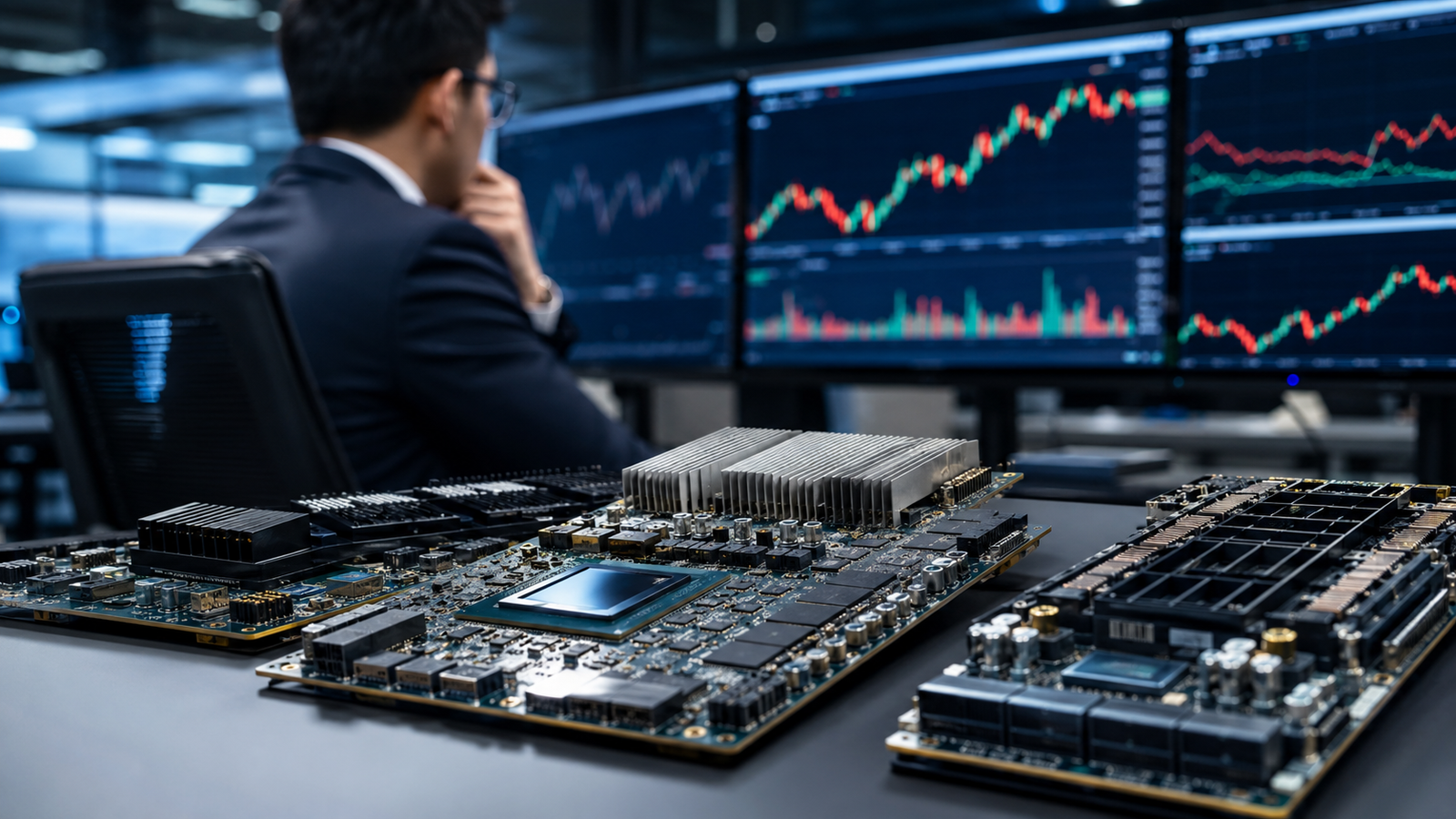
After a sharp correction wiped hundreds of billions of dollars from semiconductor valuations and contributed to a broader technology selloff, shares of major chipmakers including Nvidia, Broadcom, and Micron Technology began stabilizing on June 8. According to Reuters, investors returned to the sector after analysts largely concluded that the recent decline reflected a valuation reset rather than any meaningful deterioration in long-term AI demand.
The rebound highlights one of the most important questions facing investors today: Has the AI boom run too far ahead of fundamentals, or is the recent pullback simply creating new opportunities in one of the market’s most powerful long-term growth themes?
The answer will have implications not only for semiconductor stocks but also for the broader technology sector, which remains heavily dependent on artificial intelligence infrastructure spending.
As Wall Street reassesses valuations, investors are increasingly focused on earnings growth, capital expenditures, and demand trends that could determine the next stage of the AI investment cycle.
The Correction That Captured Wall Street’s Attention
Technology investors have become accustomed to extraordinary gains.
Since the emergence of generative AI as a mainstream investment theme, semiconductor companies have experienced some of the strongest stock market performance in decades. Demand for advanced AI chips, networking hardware, and high-performance computing infrastructure has fueled rapid revenue growth and pushed valuations to historically elevated levels.
However, market leadership rarely moves in a straight line.
Recent selling pressure emerged after stronger-than-expected U.S. economic data prompted investors to reconsider expectations for Federal Reserve rate cuts. Rising Treasury yields and the prospect of higher interest rates for longer periods triggered profit-taking across many of the market’s highest-valued technology companies.
The semiconductor sector found itself at the center of that reassessment.
According to Reuters, the decline was driven primarily by valuation concerns rather than weakening business conditions. Analysts pointed to continued strength in AI-related demand and ongoing infrastructure investments by hyperscale cloud providers as evidence that the industry’s long-term outlook remains intact.
That distinction is critical for investors.
Corrections driven by deteriorating fundamentals often signal deeper problems. Corrections driven by valuation concerns can create opportunities for long-term investors seeking exposure to high-growth sectors.
Why AI Demand Still Appears Strong
The foundation of the AI investment thesis remains largely unchanged.
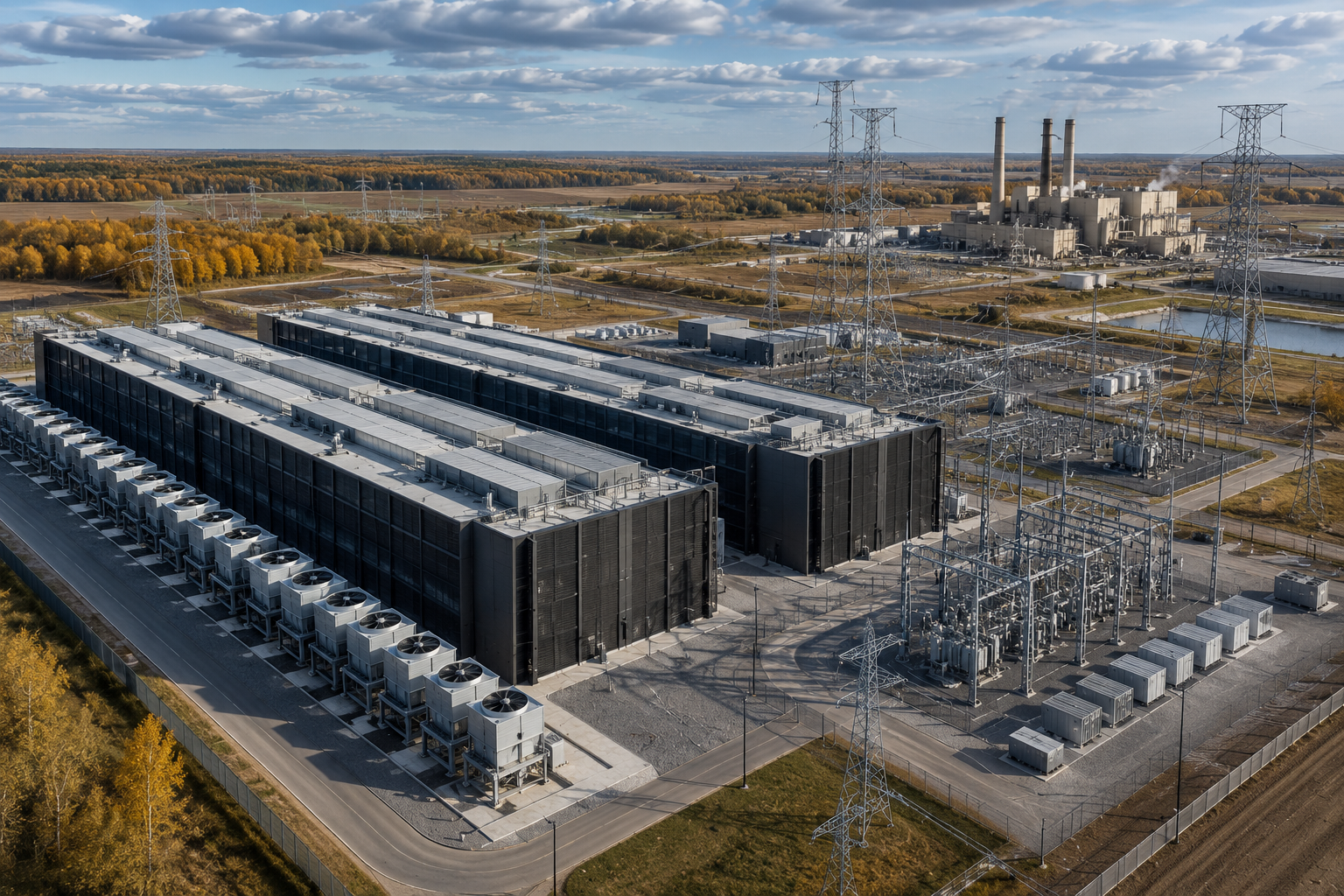
Major technology companies continue allocating enormous amounts of capital toward artificial intelligence infrastructure. Data center construction remains robust, cloud providers are expanding capacity, and enterprise adoption of AI tools continues to accelerate.
Research from McKinsey estimates that generative AI could contribute between $2.6 trillion and $4.4 trillion annually to the global economy through productivity improvements and business transformation. Meanwhile, IDC forecasts that global spending on AI technologies will continue growing at a rapid pace throughout the remainder of the decade.
These projections are important because semiconductor companies sit at the center of the AI ecosystem.
Every AI model requires advanced processing capabilities. Every cloud deployment depends on specialized computing infrastructure. Every large-scale AI application relies on chips capable of handling increasingly complex workloads.
As a result, semiconductor demand remains directly tied to the broader adoption of artificial intelligence.
Investors may be questioning valuation levels, but there is little evidence suggesting that the long-term growth trajectory of AI infrastructure spending has materially changed.
Why Semiconductor Stocks Matter Beyond Technology
Semiconductors have become more than just another industry group.
Today, they function as one of the most important indicators of investor confidence in economic growth, technological innovation, and corporate spending.
When chip stocks perform well, it often reflects optimism about future business investment and productivity gains. When they weaken, investors frequently interpret it as a sign of broader uncertainty surrounding growth expectations.
This makes the recent stabilization particularly significant.
Companies such as Nvidia, Broadcom, and Micron occupy critical positions within the AI supply chain. Their performance often influences sentiment across software, cloud computing, networking equipment, and data center infrastructure providers.
Because AI remains the dominant investment theme in global markets, semiconductor stocks have become a barometer for the health of the broader technology sector.
The current rebound suggests many investors continue believing that the AI expansion remains in its early stages.
Why Valuations Are Becoming a Bigger Conversation
While enthusiasm surrounding artificial intelligence remains strong, investors are increasingly demanding evidence that earnings growth can justify premium valuations.
This shift reflects a natural progression in market cycles.
Early-stage growth stories often rely on future expectations. As industries mature, investors place greater emphasis on measurable financial performance.
The semiconductor industry is entering that stage now.
Wall Street analysts are increasingly focused on metrics such as:
- Revenue growth rates
- Profit margins
- Free cash flow generation
- AI-related sales contributions
- Customer demand visibility
- Capital expenditure efficiency
Investors are no longer asking whether AI represents a transformative technology.
They are asking how quickly that transformation will translate into sustainable profits.
The distinction may seem subtle, but it has significant implications for stock performance.
Companies that consistently exceed earnings expectations are likely to maintain investor confidence. Those that fail to demonstrate tangible returns on AI investments may face greater valuation pressure.
The Role of Cloud Spending in the Next Phase of Growth
One of the most important factors supporting semiconductor demand is continued spending by hyperscale cloud providers.
Major technology companies are investing heavily in data centers, AI accelerators, networking infrastructure, and specialized computing equipment.
These investments serve multiple purposes:
- Training large language models
- Supporting enterprise AI applications
- Expanding cloud-based AI services
- Enhancing productivity tools
- Developing autonomous systems
Because cloud providers represent some of the largest customers for advanced semiconductor products, their spending decisions offer valuable insight into future demand trends.
Investors should pay close attention to capital expenditure announcements from major technology firms.
If cloud spending remains elevated, it would provide strong evidence that AI infrastructure demand continues supporting long-term semiconductor growth.
Future Trends Investors Should Watch
Several developments are likely to shape the technology sector over the coming quarters.
Earnings Guidance
Management commentary during earnings season will provide important clues regarding customer demand, pricing trends, and AI-related revenue growth.
AI Infrastructure Investment
Data center expansion and cloud infrastructure spending remain among the strongest indicators of future semiconductor demand.
Enterprise AI Adoption
The pace at which businesses integrate AI into daily operations will influence long-term growth expectations across the technology sector.
Federal Reserve Policy
Interest rates continue affecting growth-stock valuations. Investors should monitor inflation data and central bank guidance for signs of changing monetary policy expectations.
Competitive Dynamics
As AI becomes more widespread, competition among semiconductor manufacturers may influence margins, pricing power, and market share.
Why This Matters for Investors
The recent stabilization in semiconductor stocks reflects a market attempting to separate short-term valuation concerns from long-term growth opportunities.
While elevated interest rates and profit-taking have created volatility, the underlying drivers of AI adoption remain largely intact.
Technology companies continue investing aggressively in artificial intelligence infrastructure. Enterprises continue deploying AI tools. Cloud providers continue expanding capacity.
These trends suggest that the broader AI investment cycle still has considerable momentum.
For investors, the challenge is identifying companies capable of converting that momentum into sustainable earnings growth.
Key Investment Insight
The semiconductor correction appears to be less about weakening AI demand and more about investors recalibrating expectations after a historic rally. Long-term opportunities remain strongest among companies with direct exposure to AI infrastructure spending, durable competitive advantages, and proven ability to generate earnings growth.
Investors should closely monitor earnings guidance, chip demand trends, cloud capital expenditures, and enterprise AI adoption rates. These indicators will help determine whether the technology sector’s next chapter is driven by continued growth—or by a prolonged period of valuation consolidation.
Stay informed with MoneyNews.Today for daily investor insights, market-moving developments, and expert analysis of the trends shaping the future of technology and investing.