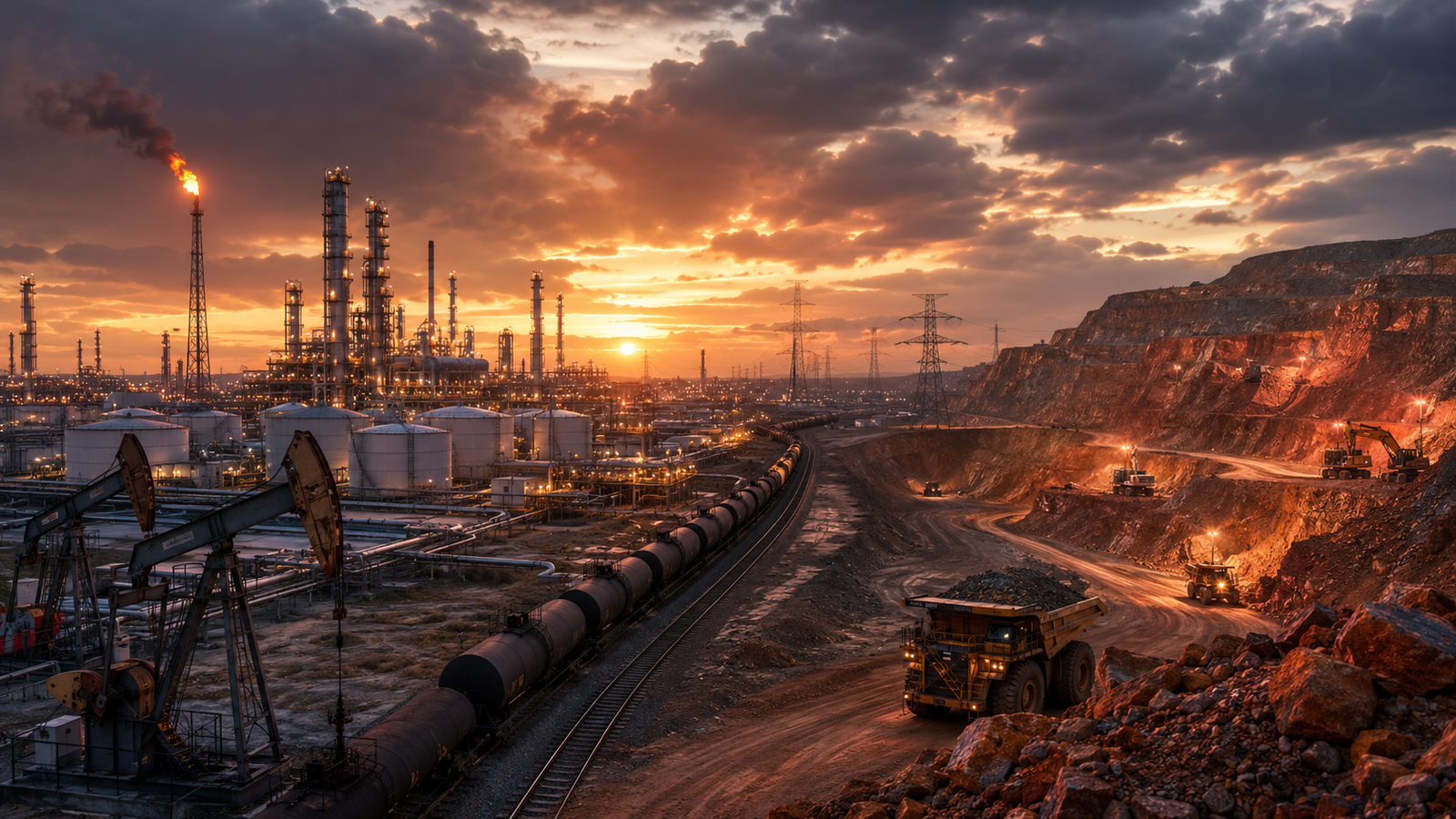
Just as investors were becoming comfortable with an AI-driven stock market narrative, geopolitical tensions have reintroduced a familiar force into global markets: commodities.
Escalating tensions in the Middle East have pushed crude oil prices sharply higher, reigniting concerns about energy security, inflation, and supply-chain stability. According to Reuters, the renewed uncertainty has sparked fresh investor interest in commodity-linked sectors, including energy producers, mining companies, and critical mineral suppliers.
Yet this story extends far beyond oil.
The same forces driving higher energy prices are also shining a spotlight on strategic metals and minerals essential to the global economy. Copper, uranium, silver, lithium, rare earth elements, and other critical resources have become increasingly important not only because of geopolitical risks but also because of the accelerating demand created by artificial intelligence, electrification, renewable energy projects, and advanced manufacturing.
For investors, this convergence of geopolitical uncertainty and structural demand growth is creating one of the most compelling opportunities in the resource sector in years.
As commodity markets respond to shifting global dynamics, mining companies and resource producers may be positioned to benefit from multiple powerful tailwinds simultaneously.
Oil Prices Once Again Become a Market Driver
Energy prices have historically played a significant role in shaping investor sentiment.
When geopolitical tensions disrupt global markets, oil often becomes one of the first assets to react. The latest escalation in the Middle East has renewed concerns about supply disruptions and transportation risks across key energy-producing regions.
Higher oil prices carry broad economic implications.
They can influence inflation expectations, corporate operating costs, consumer spending patterns, and central bank policy decisions. As a result, investors frequently view energy markets as an important indicator of future economic conditions.
Recent price movements suggest that market participants are once again incorporating geopolitical risk premiums into commodity valuations.
While energy companies are the most direct beneficiaries of rising oil prices, the effects often spread throughout the broader resource sector.
Historically, periods of geopolitical uncertainty have increased investor demand for commodities viewed as strategic assets or inflation hedges.
This dynamic is helping support renewed interest in mining and metals producers.
Why Critical Minerals Are Becoming Increasingly Strategic
The modern economy depends on a wide range of minerals that were once considered niche commodities.
Today, copper powers electrical grids and data centers. Uranium supports nuclear energy generation. Silver plays a critical role in solar technology and electronics manufacturing. Rare earth elements are essential for advanced defense systems and high-performance technologies.
As geopolitical tensions rise, governments and corporations are becoming increasingly focused on securing reliable access to these materials.
This trend has accelerated over the past several years.
According to the International Energy Agency (IEA), demand for critical minerals required for clean energy technologies is expected to grow significantly over the coming decades. Governments in the United States, Canada, Europe, and Asia have introduced policies aimed at strengthening domestic supply chains and reducing dependence on foreign sources.
For investors, this shift is important because it creates structural demand that extends well beyond traditional economic cycles.
Mining companies producing strategically important resources may benefit from long-term supply security initiatives as well as growing industrial demand.
The AI Revolution Is Also a Commodity Story
Many investors associate artificial intelligence primarily with software companies and semiconductor manufacturers.
However, AI is increasingly becoming a major driver of commodity demand.
The construction of AI infrastructure requires enormous quantities of raw materials.
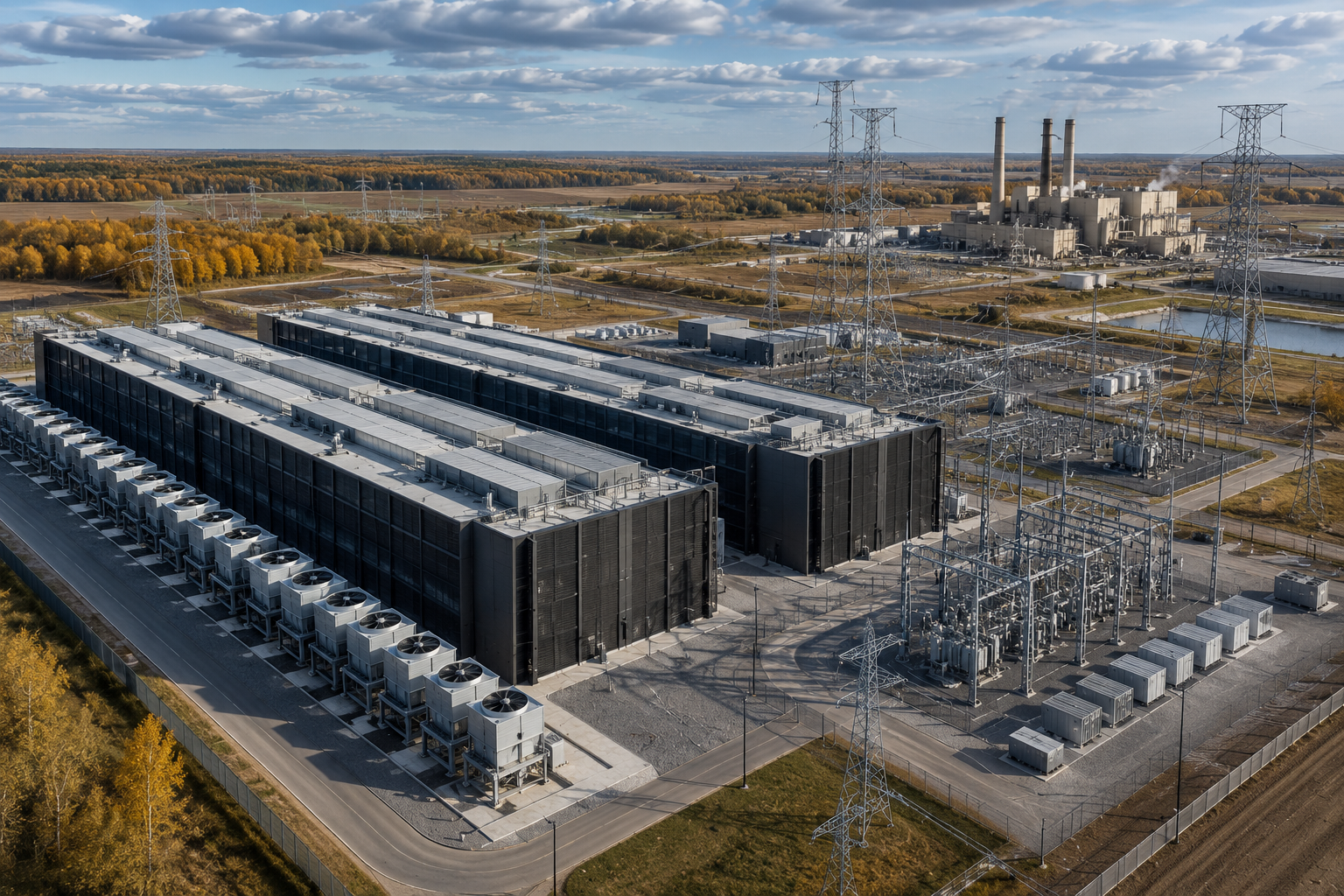
Data centers depend on copper-intensive electrical systems, advanced networking infrastructure, cooling equipment, and power transmission networks. Expanding electricity generation capacity often requires significant investment in metals and energy resources.
According to industry research, the rapid buildout of AI infrastructure is expected to increase demand for industrial metals over the coming decade.
Copper has emerged as one of the most closely watched commodities in this trend.
Often referred to as the “metal of electrification,” copper is essential for power generation, transmission, and advanced computing infrastructure. As technology companies continue investing billions of dollars into AI data centers, demand for copper-intensive equipment is expected to remain strong.
The relationship between AI and commodities is becoming increasingly important for investors seeking exposure to the broader technology growth story.
Uranium’s Growing Role in the Energy Transition
One of the more intriguing developments within the resource sector is the renewed interest in uranium.
Artificial intelligence is increasing electricity demand at a time when governments and corporations are seeking reliable low-carbon energy sources.
As a result, nuclear power is receiving renewed attention from policymakers and utility companies worldwide.
Several countries have announced plans to extend the lifespan of existing nuclear facilities or invest in new reactor technologies. This trend has improved long-term demand expectations for uranium producers.
Many analysts now view uranium as a strategic commodity that sits at the intersection of energy security, climate policy, and technological growth.
For investors, the sector represents a unique way to gain exposure to rising electricity demand driven by both AI infrastructure expansion and broader economic development.
Why Silver and Precious Metals Are Attracting Attention
Silver occupies a unique position within commodity markets.
Unlike gold, which is primarily viewed as a store of value, silver possesses significant industrial applications. It is used extensively in electronics, solar panels, telecommunications equipment, and advanced manufacturing.
As geopolitical uncertainty increases, silver often benefits from both industrial demand and safe-haven investment flows.
This dual role makes it particularly interesting in the current market environment.
The combination of growing technology demand and heightened geopolitical concerns may continue supporting silver prices and the companies involved in its production.
Investors seeking exposure to both industrial growth and defensive asset characteristics are increasingly paying attention to the metal.
Why This Matters for Investors
The current commodity story is fundamentally different from many previous resource cycles.
Historically, commodity rallies were often driven by economic growth or supply disruptions alone.
Today, multiple forces are converging simultaneously.
These include:
- Rising geopolitical tensions
- Energy security concerns
- AI infrastructure expansion
- Electrification initiatives
- Renewable energy deployment
- Supply-chain diversification efforts
- Government support for domestic resource development
The result is a more durable investment thesis for many commodity producers.
Rather than relying solely on cyclical demand, several resource sectors now benefit from long-term structural trends that could support investment for years.
This broadens the opportunity set available to investors and creates potential diversification benefits within portfolios heavily concentrated in technology stocks.
Future Trends to Watch
Several developments are likely to shape the next phase of commodity markets.
Geopolitical Developments
Further escalation in geopolitical tensions could continue supporting energy and resource prices while increasing attention on supply security.
AI Infrastructure Spending
Continued investment in data centers, power generation, and electrical infrastructure would reinforce demand for copper and other industrial metals.
Government Resource Policies
Strategic initiatives designed to strengthen domestic critical mineral supply chains may create opportunities for mining companies operating in politically stable jurisdictions.
Nuclear Energy Expansion
Growing interest in nuclear power could support long-term uranium demand and improve industry fundamentals.
Inflation Expectations
Commodity prices often influence inflation forecasts, making them an important variable for investors monitoring central bank policy and broader market trends.
Key Investment Insight
The renewed focus on commodities is being driven by more than rising oil prices. Investors are increasingly recognizing that strategic metals, critical minerals, and energy resources sit at the intersection of several powerful global trends, including geopolitical security, artificial intelligence infrastructure, electrification, and energy transition initiatives.
Mining companies producing copper, uranium, silver, and other critical resources may benefit from both near-term geopolitical developments and long-term structural demand growth. For investors seeking diversified exposure beyond traditional technology stocks, the resource sector may offer compelling opportunities as these trends continue to unfold.
Stay informed with MoneyNews.Today for daily investor insights, market-moving developments, and in-depth analysis of the trends shaping global commodity and financial markets.