Artificial intelligence has already transformed the datacenter, fueled one of the strongest bull markets in technology history, and propelled Nvidia to the center of the global AI ecosystem. Now, investors are beginning to ask a critical question: what comes after the AI infrastructure boom?
According to announcements made by Nvidia at Computex Taiwan and reported by Reuters on June 1, 2026, the answer may be the expansion of AI into personal computing, robotics, and physical-world automation. Nvidia unveiled its new RTX Spark AI PC platform while simultaneously highlighting expanded partnerships with humanoid robot developers across the United States, Europe, and Asia. CEO Jensen Huang also emphasized growing adoption of the company’s next-generation Vera AI architecture, signaling that AI investment is broadening far beyond cloud datacenters.
For investors, the implications could be significant. The next phase of the AI revolution may create opportunities across industries that have not yet fully benefited from the massive wave of AI spending seen over the past several years.
AI Moves Beyond the Datacenter
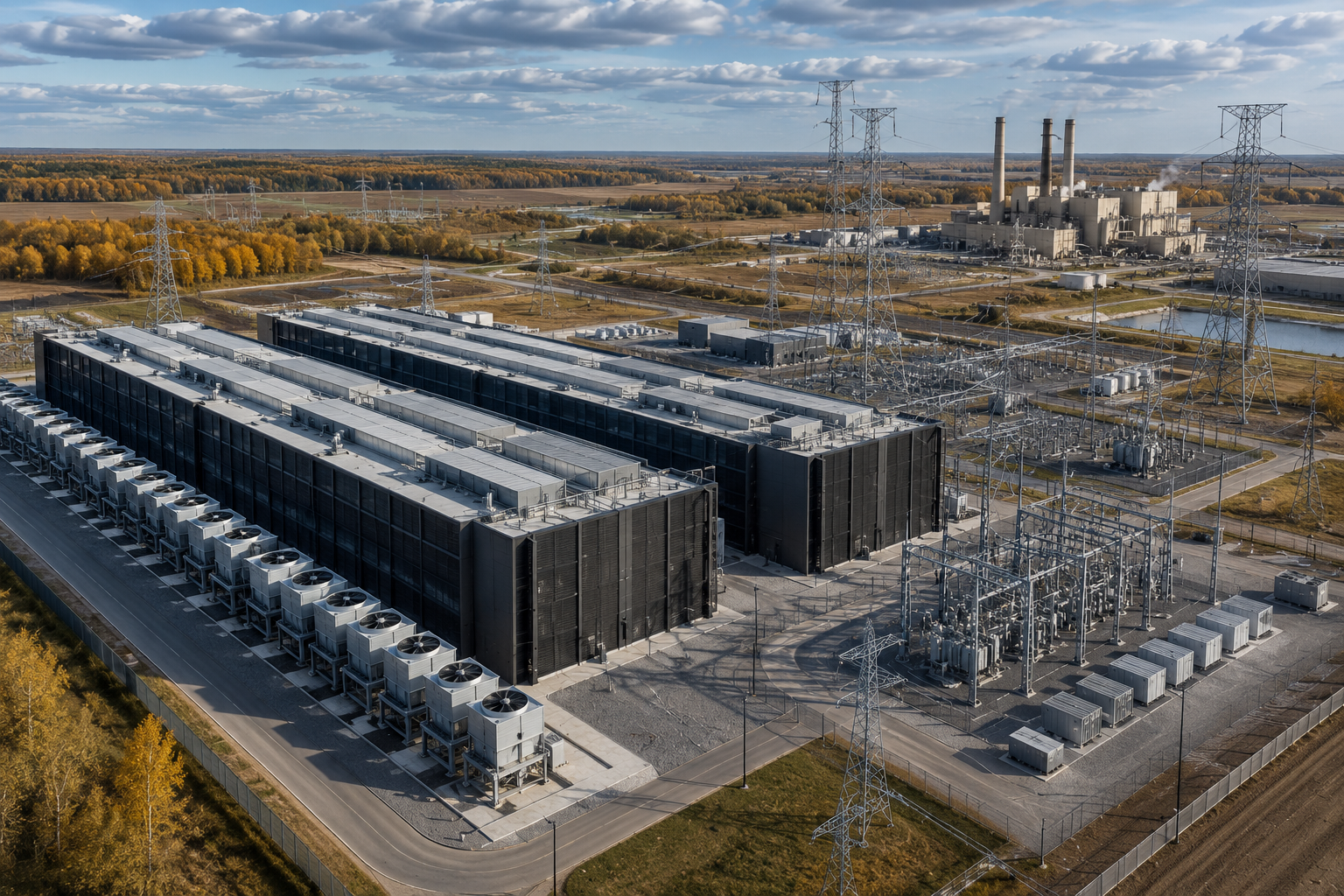
The first phase of the AI boom was largely concentrated in hyperscale datacenters. Companies such as Nvidia, Microsoft, Amazon, Alphabet, and Meta collectively spent hundreds of billions of dollars building the infrastructure necessary to train and deploy advanced AI models.
That investment cycle created enormous demand for AI accelerators, networking equipment, advanced memory, and cloud infrastructure. Nvidia emerged as the clear winner, becoming one of the world’s most valuable companies and establishing a dominant position in AI computing.
However, the latest announcements suggest that AI is entering a new stage of development.
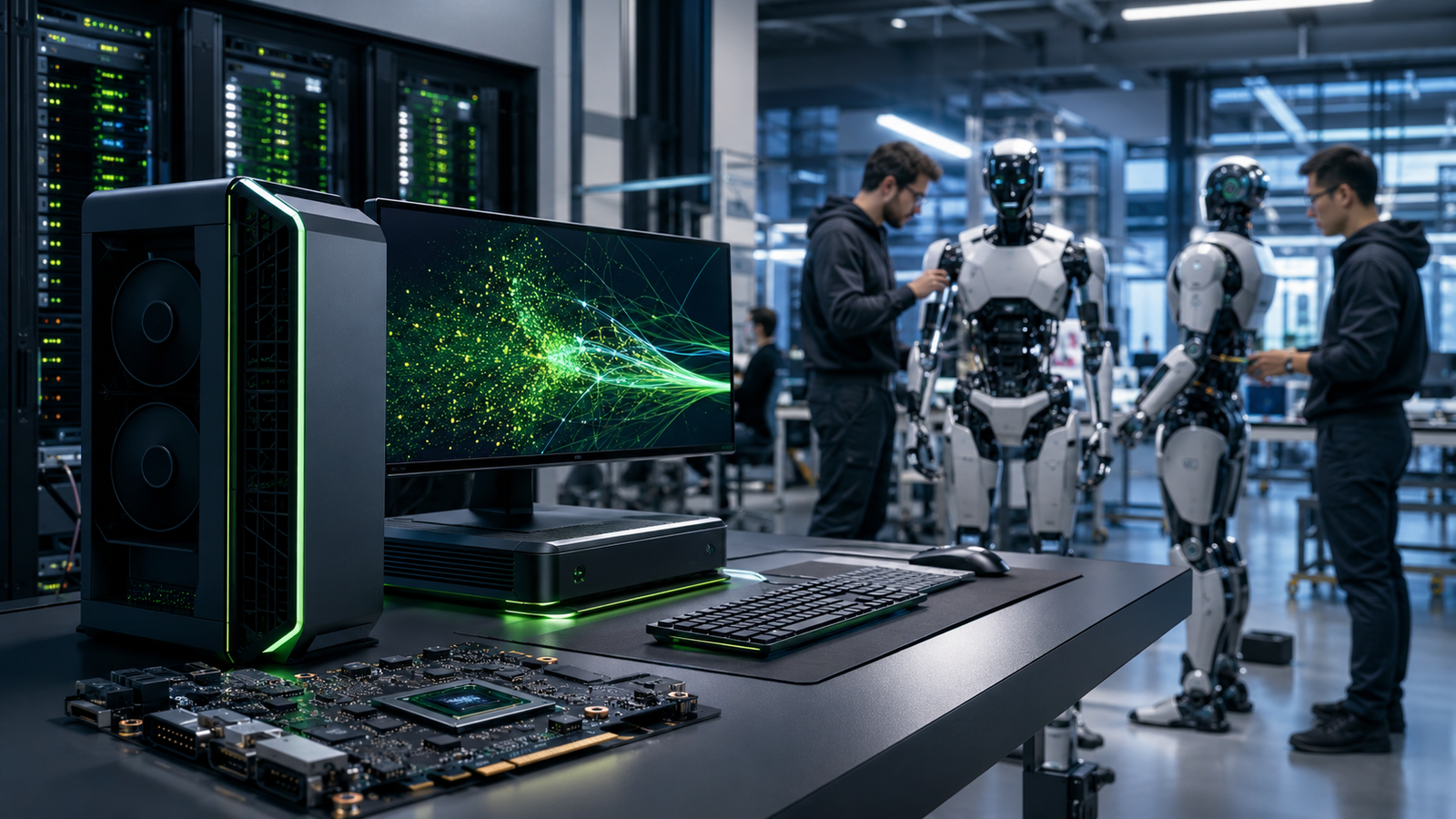
The RTX Spark platform is designed to bring advanced AI capabilities directly to personal computers, enabling users to run sophisticated AI applications and AI agents locally rather than relying entirely on cloud-based systems. This shift reflects a growing industry trend toward edge AI, where processing occurs closer to the user, reducing latency while improving privacy and efficiency.
Industry analysts have long predicted that AI-enabled PCs could become one of the largest hardware upgrade cycles since the transition to mobile computing. Nvidia’s latest move indicates that the company intends to play a leading role in that transformation.
The Rise of Physical AI
Perhaps even more important for long-term investors is Nvidia’s growing focus on robotics.
During the event, Huang highlighted expanding collaborations with humanoid robot developers and industrial automation companies. While autonomous vehicles have captured investor attention for years, humanoid robotics represents a potentially much larger market opportunity.
According to estimates from consulting firms including McKinsey and Goldman Sachs, advances in AI, computer vision, simulation technology, and robotics hardware could create a multi-trillion-dollar market over the coming decades. Labor shortages, rising wages, and increased demand for automation are accelerating interest in robotic solutions across manufacturing, logistics, healthcare, and service industries.
Humanoid robots powered by advanced AI systems are increasingly viewed as a potential solution to workforce challenges facing many developed economies.
Nvidia’s technology stack—including AI processors, simulation software, digital twins, and robotics platforms—positions the company as a key enabler of this emerging ecosystem.
For investors, this development expands the AI investment narrative beyond software and cloud computing into physical-world applications that could drive demand for AI hardware for years to come.
Why the Vera Architecture Matters
Another major takeaway from Nvidia’s presentation was the growing adoption of its Vera AI architecture.
Each new generation of Nvidia hardware has historically triggered significant infrastructure spending as enterprises, cloud providers, and AI developers seek improved performance and efficiency. The Vera platform appears positioned to continue that trend.
As AI models become increasingly complex, demand for more powerful computing systems continues to rise. Research from major industry groups suggests global AI spending could surpass several hundred billion dollars annually before the end of the decade.
For enterprises, improved AI infrastructure can reduce operating costs while enabling more advanced applications. For Nvidia, continued adoption of next-generation platforms helps reinforce its leadership position within one of the fastest-growing sectors of the global economy.
The success of Vera could also create ripple effects throughout the broader semiconductor ecosystem, benefiting suppliers of memory chips, advanced packaging technologies, manufacturing equipment, and networking solutions.
The Broader Investment Opportunity
One of the most important themes emerging from Nvidia’s latest announcements is that the AI opportunity is becoming increasingly diversified.
During the early stages of the AI boom, investor attention focused primarily on a small group of mega-cap technology companies. While those firms remain important, future growth may increasingly come from adjacent industries supporting AI deployment.
Several sectors appear particularly well-positioned:
Semiconductor Supply Chains
AI systems require vast amounts of high-bandwidth memory, advanced packaging, and specialized manufacturing capabilities. Companies involved in these areas could continue benefiting as AI adoption expands.
Industrial Automation
Factories, warehouses, and logistics centers are rapidly incorporating AI-powered automation technologies. Growing demand for robotics could create opportunities throughout the industrial sector.
Edge Computing
As AI applications move closer to end users, demand for edge computing infrastructure and AI-enabled devices is expected to increase significantly.
Software and AI Agents
The emergence of AI-powered assistants and autonomous software agents could create new revenue streams for software developers and enterprise technology providers.
Robotics Ecosystems
Investors should pay close attention to companies developing sensors, actuators, simulation tools, machine vision systems, and robotic platforms that support next-generation automation.
Risks Investors Should Monitor
While enthusiasm surrounding AI remains high, investors should remain mindful of potential risks.
Valuations across parts of the AI sector have expanded significantly over the past two years, increasing sensitivity to earnings disappointments or slower-than-expected adoption rates.
Competition is also intensifying. Advanced Micro Devices, Intel, Qualcomm, and several emerging AI chip developers continue investing heavily to challenge Nvidia’s market leadership.
Geopolitical tensions, export restrictions, and supply-chain constraints remain additional factors that could affect growth trajectories across the semiconductor industry.
Investors should also recognize that some emerging technologies, particularly humanoid robotics, may require years before achieving widespread commercial adoption.
As a result, balancing long-term opportunities with realistic expectations remains essential.
Key Investment Insight
Nvidia’s latest announcements suggest the AI investment story is entering a new chapter. While datacenter infrastructure remains a critical growth driver, future opportunities increasingly appear tied to AI-enabled PCs, robotics, industrial automation, and edge computing.
Investors who focus exclusively on cloud AI may miss emerging opportunities across the broader AI ecosystem. Companies involved in memory chips, robotics hardware, industrial automation, AI software, and edge infrastructure could become some of the next major beneficiaries of the global AI expansion.
The evolution of AI from digital applications to physical-world deployment may ultimately prove to be one of the most significant investment themes of the decade.
Stay informed on the trends shaping global markets and emerging investment opportunities by following MoneyNews.Today for daily investor insights, market analysis, and breaking financial news.