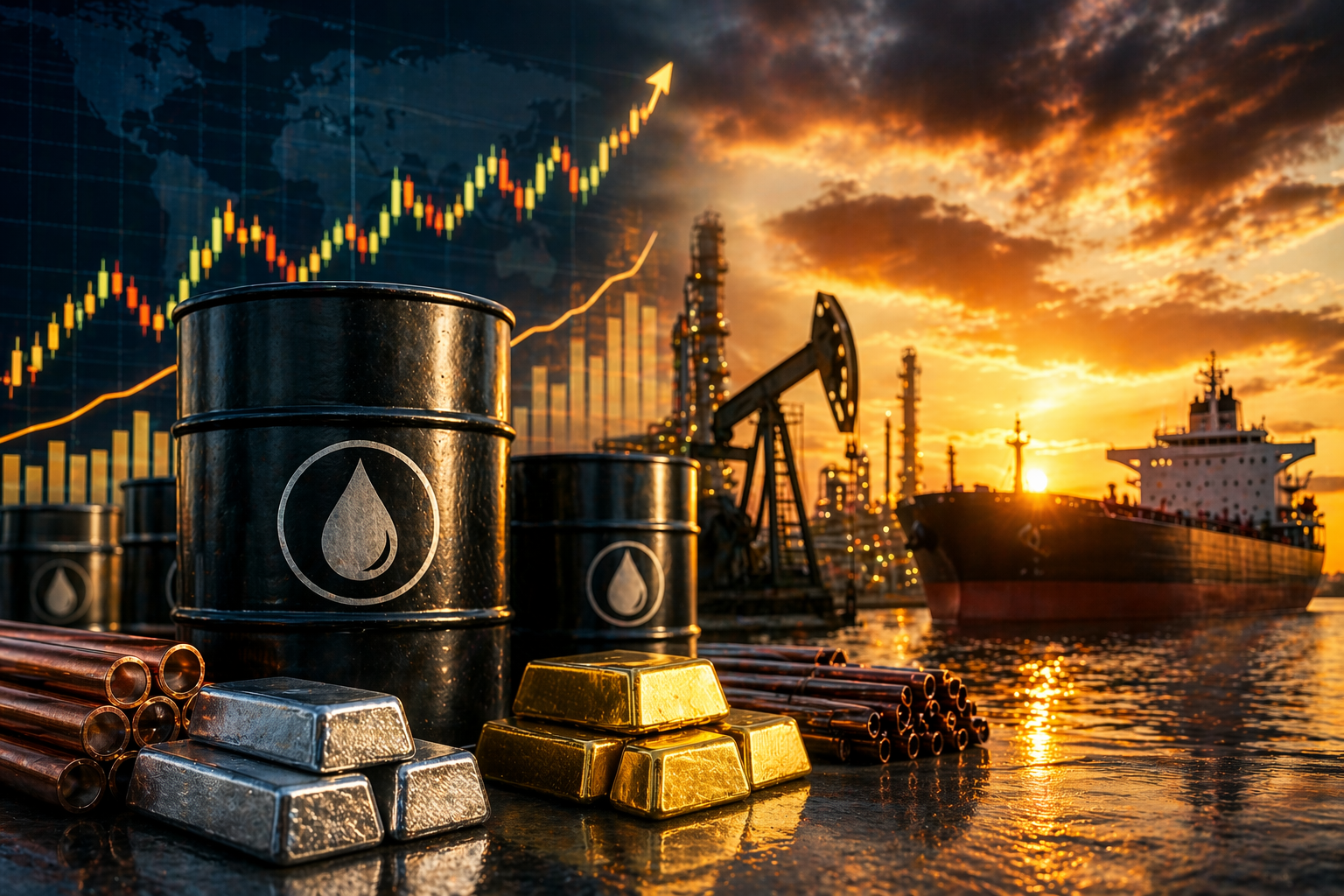
The return of $100 oil is sending a clear message to global markets: commodities are back at the center of the investment conversation. After a period of relative stability, crude prices have surged past the triple-digit threshold, driven by escalating geopolitical tensions and renewed concerns over supply disruptions.
The move is not happening in isolation. Rising oil prices are reverberating across the broader commodities complex, lifting sentiment in metals, mining, and energy equities. For investors, this shift signals more than just a short-term spike—it points to a potential re-emergence of commodities as a strategic hedge in an increasingly uncertain macro environment.
According to Reuters (April 23, 2026), the latest surge is tied to heightened geopolitical risks impacting key supply routes, underscoring how quickly energy markets can tighten when global stability is threatened.
Geopolitics Is Driving the Energy Rally
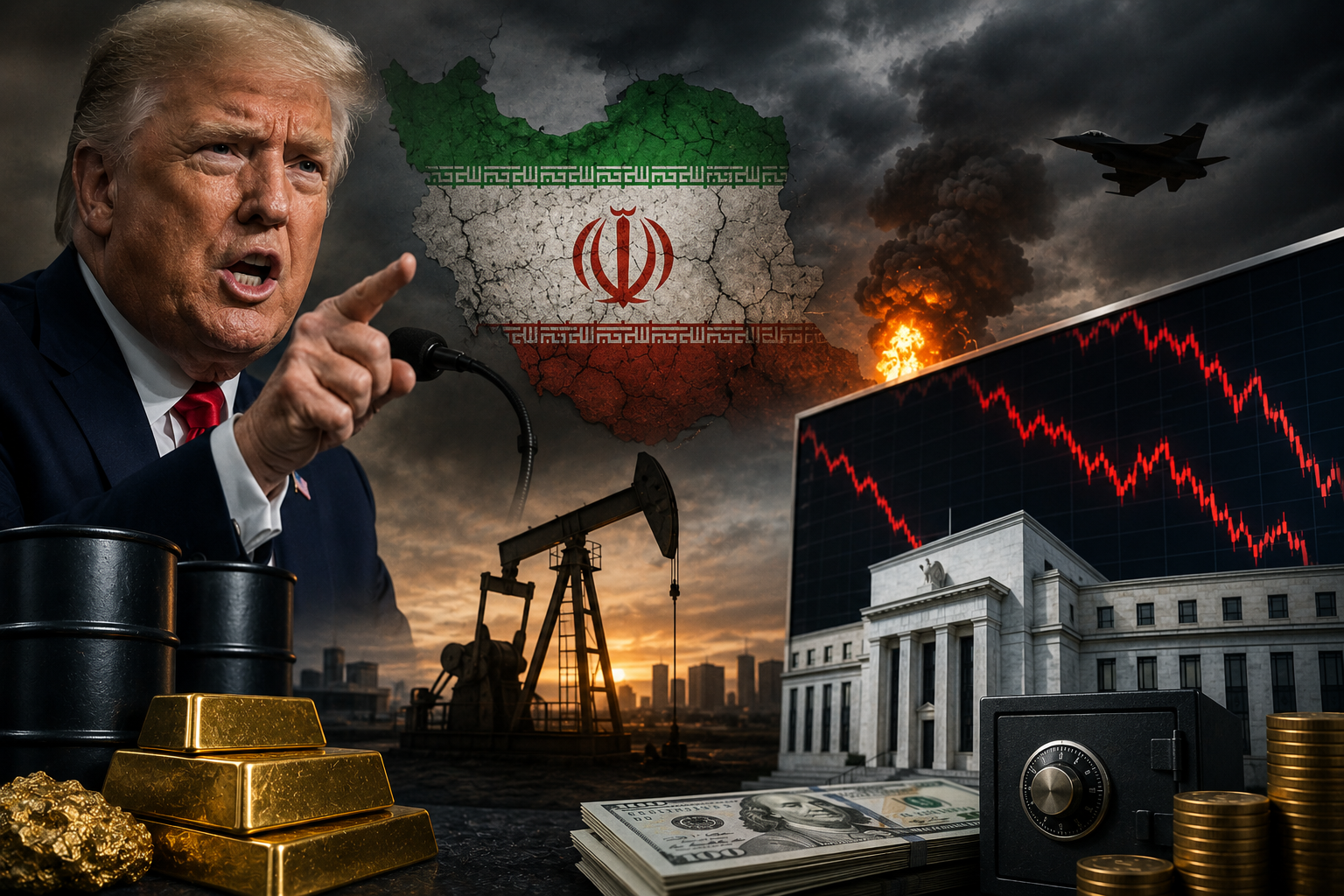
At the heart of the current price surge is a familiar catalyst: geopolitical instability.
Tensions in key oil-producing regions—particularly involving the U.S. and Middle East—are raising concerns about potential disruptions to global supply chains. Shipping routes, production facilities, and export infrastructure are all under heightened scrutiny.
Crude benchmarks like Brent Crude and West Texas Intermediate have both moved sharply higher, reflecting tightening supply expectations and increased risk premiums.
Historically, such spikes have had ripple effects across global markets. Energy costs feed directly into inflation, influence central bank policy, and impact corporate margins across industries.
Key Insight: The current rally is not purely demand-driven—it is being fueled by supply-side risks, which tend to create more volatile and sustained price movements.
Why Oil Strength Signals Broader Commodity Momentum
Oil often acts as a bellwether for the wider commodities market. When energy prices rise significantly, it tends to signal broader inflationary pressures and increased demand for hard assets.
This dynamic is already playing out.
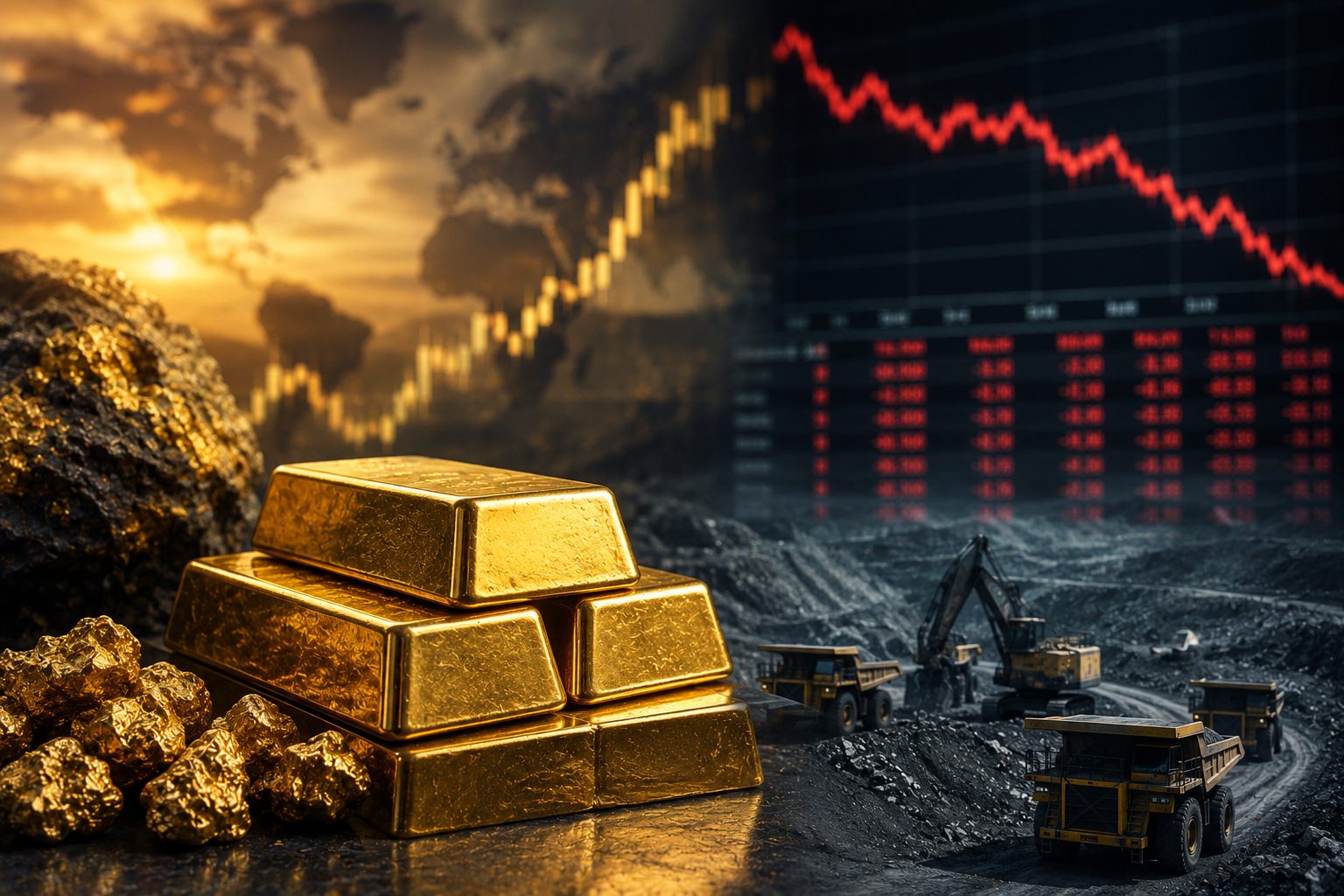
Precious and industrial metals are benefiting from renewed investor interest, as capital rotates into sectors that historically perform well during inflationary periods. Gold, for example, is gaining traction as both a safe-haven asset and an inflation hedge, while copper and other industrial metals are seeing increased demand tied to infrastructure and energy transition themes.
The relationship between oil and metals is not merely coincidental. Higher energy costs increase production expenses for mining operations, which can tighten supply and push prices higher across the board.
Inflation Concerns Are Back in Focus
One of the most significant implications of rising oil prices is their impact on inflation.
Energy is a key component of inflation indices, and sustained increases can quickly translate into higher consumer prices. This creates a challenging environment for central banks, which may be forced to maintain tighter monetary policies for longer than expected.
Reuters notes that the latest surge in oil prices is already raising concerns among policymakers and economists, particularly in the U.S. and Canada.
For investors, this introduces a complex dynamic:
- Higher inflation can support commodity prices
- But it can also pressure equities, particularly growth stocks
- And it may delay interest rate cuts, affecting overall market liquidity
This interplay between inflation, policy, and asset performance is critical to understanding the broader market impact.
Why This Matters for Investors
The resurgence of commodities—led by oil—has several important implications:
1. Commodities Are Regaining Their Role as a Hedge
In an environment of geopolitical uncertainty and inflation risk, commodities are once again being viewed as a defensive allocation.
2. Energy and Mining Stocks Are Positioned for Upside
Companies involved in oil production, mining, and resource extraction stand to benefit from higher prices and improved margins.
3. Portfolio Diversification Is Becoming More Critical
The current environment highlights the importance of diversifying beyond traditional equity and bond allocations.
4. Volatility Is Likely to Increase
Commodity markets are inherently volatile, particularly when driven by geopolitical factors. Investors should be prepared for rapid price swings.
Credible Signals from the Market
Recent commentary and data from leading institutions reinforce the current narrative:
- Reuters (April 23, 2026): Reports oil prices surging above $100 due to geopolitical tensions and supply concerns.
- Bloomberg: Highlights increased investor inflows into commodity funds and ETFs.
- International Energy Agency (IEA): Warns of tightening global oil supply conditions amid rising demand.
- Goldman Sachs: Suggests that commodities could outperform equities in a sustained inflationary environment.
These signals collectively point to a market that is increasingly pricing in risk—and turning to tangible assets for protection.
Future Trends to Watch
1. Supply Disruptions and Geopolitical Developments
Any escalation in geopolitical tensions could further constrain supply and push prices higher.
2. Central Bank Responses
How policymakers respond to rising inflation will be a key driver of market dynamics.
3. Energy Transition Dynamics
While fossil fuels are driving current gains, long-term trends toward renewable energy and electrification continue to shape demand for metals like copper and lithium.
4. Commodity Supercycle Potential
Some analysts are beginning to revisit the idea of a new commodity supercycle, driven by structural supply constraints and sustained demand.
Actionable Investment Insight
For investors, the resurgence of commodities presents both opportunities and challenges:
- Increase Commodity Exposure Strategically: Consider allocating a portion of portfolios to energy and mining assets as a hedge against inflation and geopolitical risk.
- Focus on Quality Operators: Companies with strong balance sheets and efficient operations are better positioned to capitalize on higher prices.
- Diversify Across Commodities: Exposure to both energy and metals can provide balanced risk and return potential.
- Monitor Macro Indicators Closely: Inflation data, interest rate expectations, and geopolitical developments will be key drivers.
- Prepare for Volatility: Use risk management strategies to navigate potential price swings.
The key takeaway: commodities are no longer a peripheral asset class—they are becoming central to portfolio strategy once again.
A Market Rebalancing Around Hard Assets
The surge in oil prices above $100 is more than a headline—it is a signal of shifting market dynamics. As geopolitical risks rise and inflation concerns resurface, investors are reassessing the role of commodities in their portfolios.
Energy and metals are regaining prominence, offering both protection and growth potential in an uncertain world. While risks remain, the current environment presents a compelling case for renewed focus on hard assets.
For those willing to adapt, this shift could unlock significant opportunities across the commodities spectrum.
Stay informed with MoneyNews.Today for daily insights that help you navigate evolving market trends and make smarter investment decisions.