The next great investment boom may not be happening in the public markets yet—but investors are already positioning for it.
Reports that OpenAI has confidentially filed for a U.S. initial public offering (IPO) have sent a wave of excitement through financial markets, venture capital circles, and social media investment communities. According to reports highlighted by Reuters and The Guardian Business Live, the potential listing of one of the world’s most influential artificial intelligence companies has reignited discussions about a new generation of high-profile technology IPOs that could reshape capital markets over the coming years.
The speculation arrives at a time when investor appetite for artificial intelligence remains exceptionally strong. AI-related stocks have driven much of the market’s gains since 2023, with companies linked to semiconductors, cloud computing, data centers, and advanced software attracting enormous capital inflows. Now, the possibility of OpenAI entering public markets—alongside anticipated future offerings from companies such as SpaceX and other innovation leaders—is fueling expectations that a new IPO cycle may be emerging.
For investors, the story extends far beyond a single company. It may represent the beginning of a broader shift toward public market participation in some of the world’s most valuable private technology businesses.
A Potential Landmark IPO for the AI Era
Few companies have influenced the global technology landscape as dramatically as OpenAI.
Since launching ChatGPT and accelerating the adoption of generative artificial intelligence, OpenAI has become one of the most recognizable names in technology. The company’s innovations have transformed conversations around productivity, software development, enterprise automation, education, healthcare, and digital content creation.
Private-market valuations have reflected this influence. Over the past several years, investors have assigned increasingly ambitious valuations to leading AI companies as expectations for future revenue growth expanded.
A public listing would potentially provide institutional investors, mutual funds, retirement accounts, and retail investors with direct exposure to one of the most important companies in the AI ecosystem.
More importantly, it could signal that the private-market technology boom is entering a new phase where high-growth AI businesses seek broader access to public capital.
Historically, transformative IPOs have often acted as catalysts for entire sectors. Listings such as Google, Facebook, Alibaba, and Tesla generated renewed investor interest across adjacent industries. Many analysts believe an OpenAI IPO could produce a similar effect for artificial intelligence.
Why Investors Are Paying Close Attention
The timing of the reported filing is significant.
Financial markets have spent much of the past two years navigating higher interest rates, economic uncertainty, and reduced IPO activity. Many private companies delayed public listings as valuations contracted and financing conditions became more challenging.
However, the environment appears to be changing.
Artificial intelligence has become one of the strongest investment themes globally, attracting capital from venture funds, sovereign wealth funds, institutional investors, and corporations. As AI adoption expands, investor demand for exposure to the sector has intensified.
An OpenAI IPO would arrive during a period when many investors are actively searching for growth opportunities beyond the traditional mega-cap technology stocks that have dominated market performance.
The excitement is not limited to OpenAI itself.
Investors increasingly view potential IPO candidates across AI, robotics, aerospace, quantum computing, cybersecurity, and advanced manufacturing as future beneficiaries of the same trend.
As a result, speculation surrounding OpenAI is helping revive broader interest in emerging industries that could shape the next decade of economic growth.
The Return of the Innovation IPO Cycle
One of the most notable aspects of the current market environment is the growing discussion around a potential resurgence in technology IPOs.
During the low-interest-rate era, public markets welcomed a wave of growth companies across software, electric vehicles, fintech, biotechnology, and clean energy. Many of those businesses faced challenges when monetary conditions tightened and investors shifted their focus toward profitability.
Today, artificial intelligence is creating a fresh narrative.
According to research from consulting firms such as McKinsey and PwC, AI could contribute trillions of dollars to global economic output over the coming decade. Corporate spending on AI infrastructure, software, and automation continues to accelerate, creating powerful growth opportunities for both established and emerging companies.
If OpenAI successfully enters public markets, it could encourage other highly valued private firms to follow.
Companies operating in robotics, autonomous systems, space technology, advanced semiconductors, and next-generation computing may view favorable market conditions as an opportunity to raise capital and expand operations.
For investors, this could significantly increase the universe of publicly traded innovation-focused companies.
Beyond OpenAI: The Real Investment Opportunity
While headlines often focus on high-profile companies, history suggests that some of the largest investment opportunities emerge elsewhere in the ecosystem.
When smartphones transformed the global economy, investors benefited not only from device manufacturers but also from semiconductor suppliers, software developers, telecommunications providers, and component manufacturers.
The same principle applies to artificial intelligence.
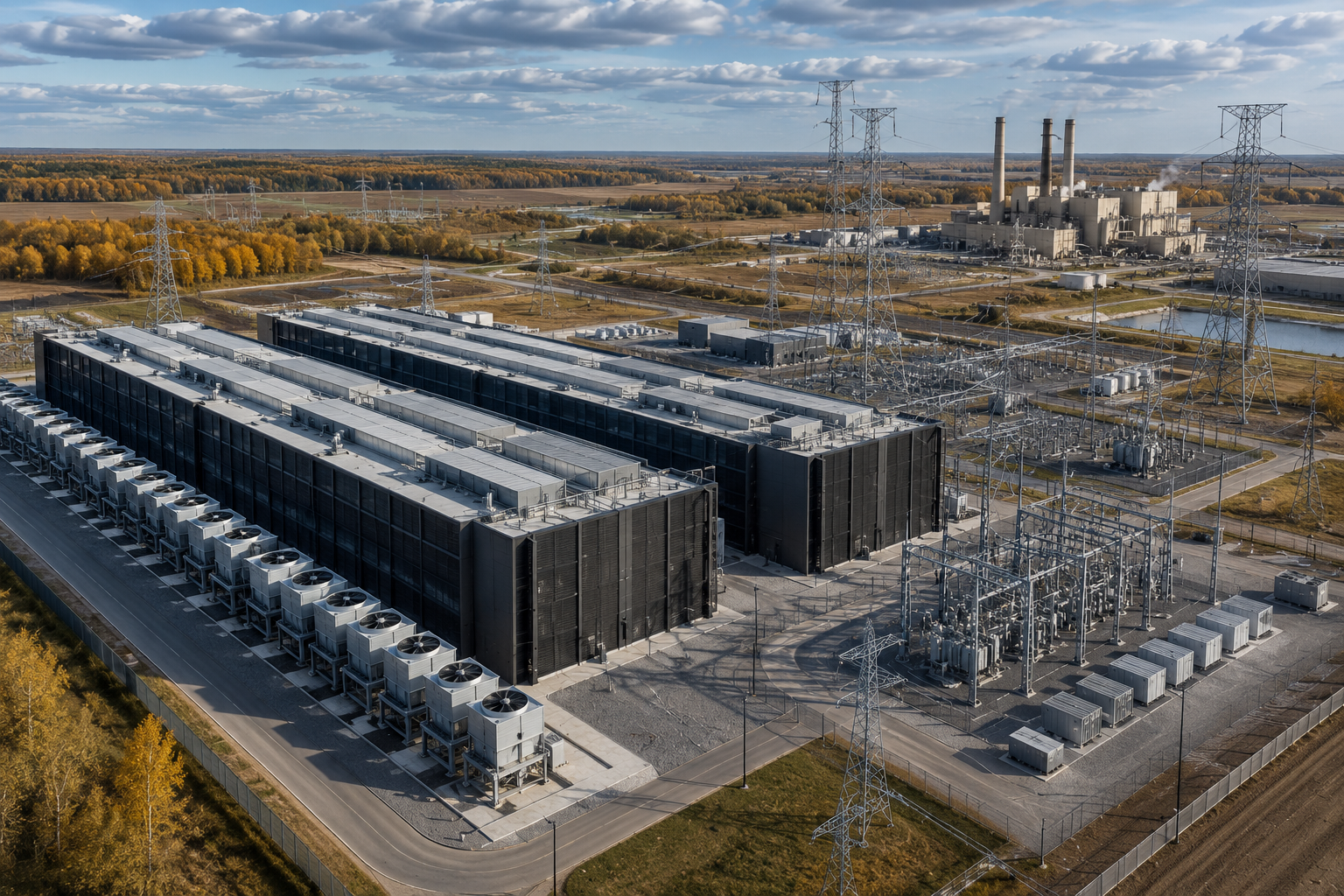
OpenAI’s growth relies on a complex network of suppliers and infrastructure providers, including semiconductor manufacturers, cloud computing operators, data-center developers, networking companies, cybersecurity firms, and energy providers.
Many of these businesses are already publicly traded.
Investors seeking exposure to AI growth may find opportunities among companies supporting the broader ecosystem rather than concentrating solely on potential IPO candidates.
This approach can provide diversification while capturing some of the same long-term industry trends driving AI adoption.
Space Technology, Robotics, and Advanced Computing Gain Momentum
The enthusiasm surrounding OpenAI has also reignited investor interest in adjacent emerging industries.
Space technology remains one of the most closely watched sectors, particularly given ongoing speculation surrounding a future SpaceX public offering. Advances in satellite communications, launch services, defense technologies, and space-based infrastructure continue attracting significant investment.
Robotics is another sector benefiting from AI-driven innovation.
As machine learning capabilities improve, autonomous systems are becoming more capable of performing tasks across manufacturing, logistics, healthcare, and industrial operations. Industry analysts increasingly view robotics as one of the largest long-term beneficiaries of artificial intelligence.
Advanced computing technologies, including quantum computing and specialized AI hardware, are also attracting increased attention from investors seeking exposure to next-generation innovation.
The common thread connecting these sectors is their reliance on computing power, automation, and data-driven decision-making.
Risks Investors Should Consider
While enthusiasm surrounding an OpenAI IPO is understandable, investors should remain mindful of potential risks.
Valuations across AI-related sectors have risen significantly as demand for exposure has increased. Elevated expectations can create volatility if revenue growth or profitability fails to meet market forecasts.
Competition also remains intense. Technology giants including Microsoft, Alphabet, Amazon, Meta Platforms, and numerous startups continue investing heavily in AI development.
Regulatory scrutiny may increase as governments evaluate the societal, economic, and security implications of artificial intelligence.
Investors should balance excitement about future growth opportunities with careful analysis of business fundamentals, competitive positioning, and valuation metrics.
As previous technology cycles have demonstrated, not every company participating in a major trend ultimately becomes a long-term winner.
Future Trends to Watch
Several developments could shape the next phase of the innovation investment cycle:
IPO Market Activity
A successful OpenAI listing could encourage other private technology leaders to pursue public offerings.
AI Infrastructure Spending
Continued investment in data centers, cloud computing, and semiconductor manufacturing will remain critical to AI expansion.
Robotics Commercialization
Growing adoption of autonomous systems across industries could create new investment opportunities.
Space Economy Growth
Private-sector investment in space technology and satellite infrastructure continues accelerating.
Institutional Capital Flows
Large investors increasingly seek exposure to innovation-driven sectors, potentially supporting valuations and growth initiatives.
Key Investment Insight
The reported OpenAI IPO filing is significant not simply because of one company’s potential public debut, but because it may signal the beginning of a broader innovation-driven IPO cycle. Artificial intelligence, robotics, space technology, advanced computing, and next-generation infrastructure are emerging as some of the most closely watched growth themes in global markets.
Investors should look beyond the headline companies and focus on the broader ecosystem supporting these industries. Semiconductor firms, cloud providers, data-center operators, cybersecurity companies, power infrastructure providers, and advanced manufacturing businesses may offer compelling ways to participate in the trend.
If a new wave of technology IPOs materializes, the coming years could provide some of the most significant emerging-industry investment opportunities since the early stages of the cloud computing and mobile revolutions.
Stay informed with MoneyNews.Today for daily investor insights, market-moving developments, and in-depth analysis of the trends shaping the future of innovation, technology, and global capital markets.