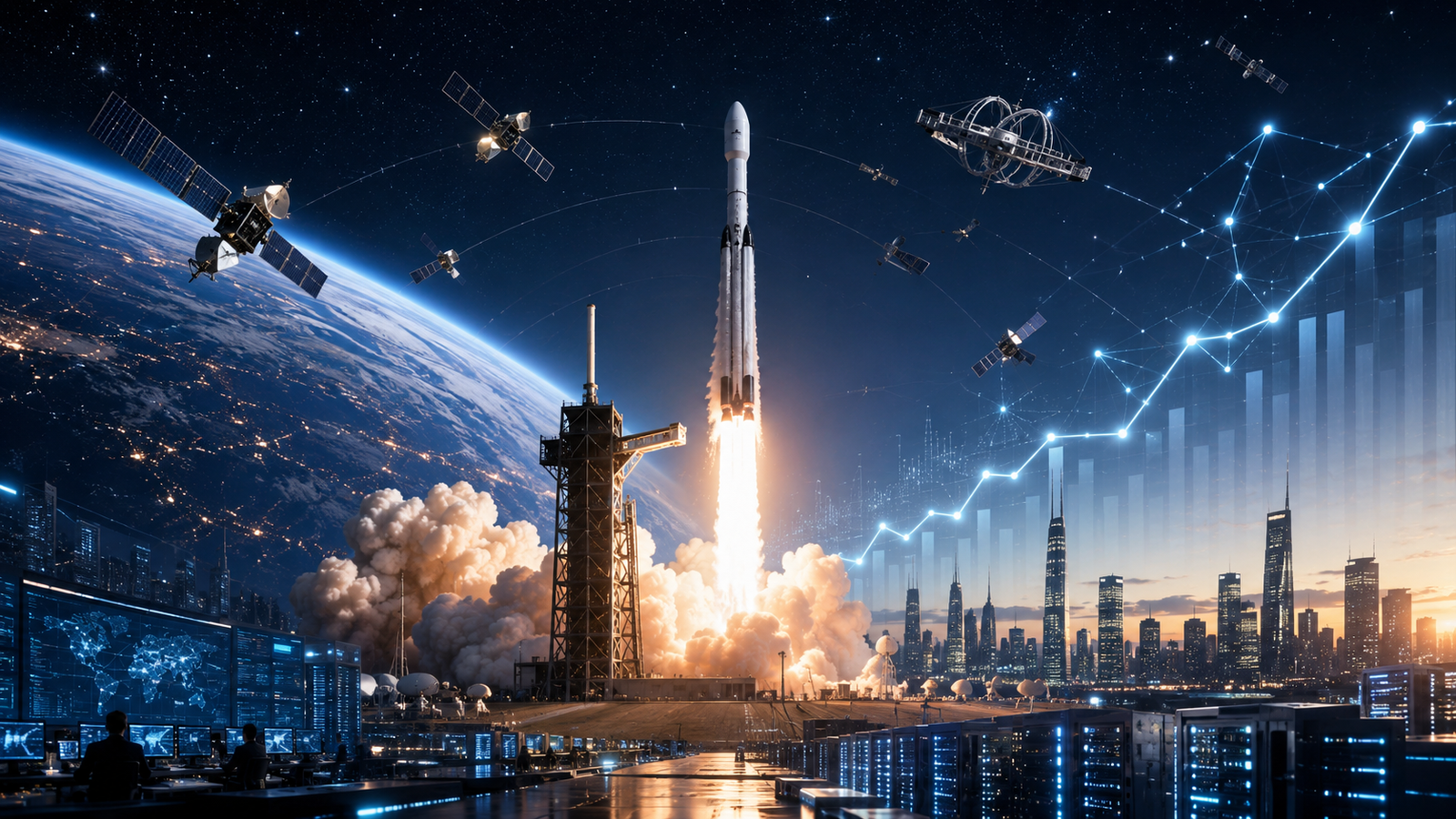
A few years ago, investing in the commercial space industry largely meant betting on a handful of aerospace contractors or speculative startups. Today, that landscape has changed dramatically. Following one of the most anticipated public offerings in modern market history, SpaceX has emerged as the centerpiece of a new investment narrative—one that combines space exploration, defense technology, artificial intelligence, communications infrastructure, and national security into a single high-growth theme.
Investor enthusiasm surrounding SpaceX remains elevated as shares continue to rally after the company’s blockbuster IPO. Recent developments, including its acquisition of AI coding firm Anysphere, have expanded the company’s profile beyond rockets and satellites, positioning it at the intersection of several of the most powerful investment trends shaping the global economy.
The market’s response has been significant. Institutional investors, technology funds, and retail traders alike are increasingly viewing SpaceX as more than a space company. Instead, many see it as a platform business with exposure to AI, communications, defense, data infrastructure, and emerging technologies.
For investors, the implications extend far beyond a single stock. SpaceX’s rise may be signaling the beginning of a broader public-market opportunity across the entire space economy.
A Historic Shift in Investor Sentiment
For decades, space exploration was largely the domain of governments and defense agencies. Private-sector participation existed but remained limited to contractors working on government-funded projects.
That dynamic has changed rapidly.
According to industry research from organizations such as McKinsey, Morgan Stanley, and the World Economic Forum, the global space economy could exceed $1 trillion within the next two decades. Advances in launch technology, declining costs, satellite deployment, broadband connectivity, defense modernization, and AI-driven systems have accelerated commercial opportunities throughout the sector.
SpaceX has been at the center of this transformation.
Its success in reusable rocket technology dramatically reduced launch costs and helped reshape industry economics. The company’s Starlink satellite network has further demonstrated how space infrastructure can create recurring revenue streams while supporting critical communications and data services.
Now, with public investors gaining direct exposure to the company, Wall Street is reassessing the long-term potential of the broader space ecosystem.
The Anysphere Acquisition Expands the Narrative
One of the biggest developments driving recent investor interest is SpaceX’s acquisition of AI coding company Anysphere.
At first glance, the move may appear unrelated to aerospace operations. However, the acquisition reflects a growing trend among technology leaders: integrating artificial intelligence into nearly every aspect of business operations and infrastructure.
AI is becoming increasingly important in areas such as mission planning, autonomous systems, satellite management, data analysis, software development, cybersecurity, and communications networks.
By adding AI capabilities through Anysphere, SpaceX is strengthening its position within one of the fastest-growing technology sectors in the world.
The acquisition also reinforces a broader investment theme that is gaining traction among institutional investors: the convergence of AI and physical infrastructure.
Just as artificial intelligence is transforming cloud computing, healthcare, finance, and manufacturing, it is also becoming a critical component of next-generation aerospace and defense systems.
Investors are increasingly recognizing that the future of AI may extend well beyond software applications and into the infrastructure that powers global communications and national security.
Why This Matters for Investors
SpaceX’s momentum highlights a larger shift occurring across financial markets.
Traditionally, investors evaluated industries such as aerospace, defense, telecommunications, and software as separate sectors. Today, those boundaries are becoming increasingly blurred.
Modern satellites rely on AI-powered analytics. Defense systems depend on advanced computing capabilities. Communications networks require sophisticated software and data-processing infrastructure.
As a result, investors are beginning to view these industries as interconnected components of a larger technology ecosystem.
This convergence creates opportunities across multiple sectors.
Companies involved in satellite manufacturing, launch services, defense electronics, AI computing, cloud infrastructure, cybersecurity, and communications equipment may all benefit from increased investment in space-related technologies.
The result is a much broader opportunity set than many investors initially realize.
The Defense Technology Connection
Another major factor driving investor interest is the growing importance of defense technology.
Governments worldwide continue increasing investments in national security capabilities amid evolving geopolitical challenges. Space-based communications, surveillance systems, missile tracking networks, and autonomous technologies are becoming essential components of modern defense strategies.
The U.S. Department of Defense and allied governments have increasingly emphasized the strategic importance of space infrastructure.
This trend has created opportunities not only for major defense contractors but also for innovative technology companies operating in adjacent markets.
SpaceX occupies a unique position within this landscape because it combines commercial capabilities with significant government partnerships.
As defense budgets continue expanding globally, investors are paying closer attention to companies positioned to benefit from this long-term trend.
The Infrastructure Opportunity
Much of the attention surrounding artificial intelligence has focused on software companies and semiconductor manufacturers.
However, AI requires a massive infrastructure foundation.
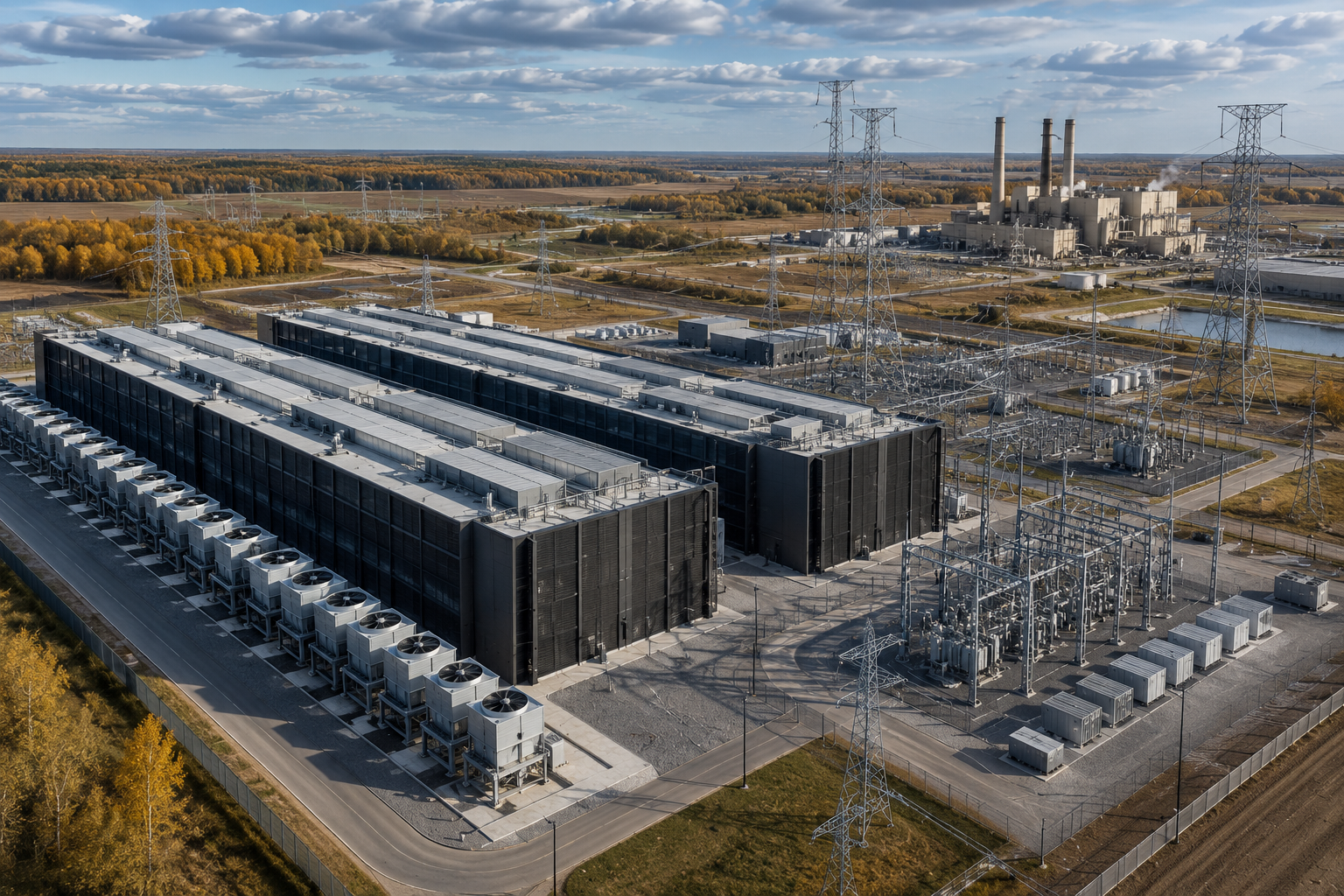
Data centers, cloud networks, fiber-optic systems, satellites, communications equipment, and computing resources all play critical roles in supporting AI applications.
SpaceX’s growing involvement in both space infrastructure and artificial intelligence highlights the increasing overlap between these industries.
Industry analysts have noted that future economic growth may depend as much on infrastructure development as on software innovation. This perspective has encouraged investors to seek exposure to companies building the physical networks that enable digital transformation.
The expansion of satellite-based internet services, global connectivity platforms, and AI-powered communications systems represents a potentially significant growth market over the coming decade.
Future Trends to Watch
Several key developments could shape the next phase of investment opportunities in the space economy.
Satellite Connectivity Expansion
Demand for high-speed global internet access continues growing. Satellite broadband services could play an increasingly important role in connecting underserved regions worldwide.
AI-Powered Aerospace Systems
Artificial intelligence is expected to become more deeply integrated into spacecraft operations, mission planning, predictive maintenance, and autonomous navigation.
Defense Modernization
Governments are expected to continue increasing investments in advanced defense technologies, including space-based communications and surveillance systems.
Commercial Space Applications
New business models involving Earth observation, logistics, climate monitoring, and satellite services could create additional revenue opportunities.
Institutional Capital Inflows
As the space sector matures, pension funds, asset managers, and institutional investors may increase allocations to companies involved in aerospace, defense technology, and space infrastructure.
Risks Investors Should Consider
Despite the excitement surrounding the sector, investors should remain aware of potential risks.
Space-related businesses often require substantial capital expenditures, long development timelines, and regulatory approvals. Economic slowdowns, government budget changes, technological disruptions, or project delays could impact growth expectations.
Valuation risk is another consideration. Investor enthusiasm surrounding emerging industries can sometimes lead to elevated market expectations that may be difficult for companies to meet in the short term.
Careful analysis of revenue growth, profitability trends, cash flow generation, and competitive positioning remains essential.
Key Investment Insight
The most important takeaway for investors is that space, defense technology, and artificial intelligence are no longer separate investment themes.
They are increasingly converging into a powerful long-term trend that could reshape multiple industries over the coming decade.
SpaceX’s post-IPO momentum and strategic expansion into AI highlight how investors are beginning to view space infrastructure as a critical component of the broader digital economy. Companies tied to satellite networks, launch services, defense electronics, communications infrastructure, cybersecurity, and AI computing may all stand to benefit from this evolution.
The biggest opportunities may not come solely from space exploration itself, but from the technologies and infrastructure supporting an increasingly connected, data-driven, and AI-powered world.
For investors seeking exposure to emerging industries with long-term growth potential, the convergence of space and artificial intelligence is a trend worth watching closely.
Stay connected with MoneyNews.Today for daily investor insights, market-moving developments, and in-depth analysis of the trends shaping the future of global investing.