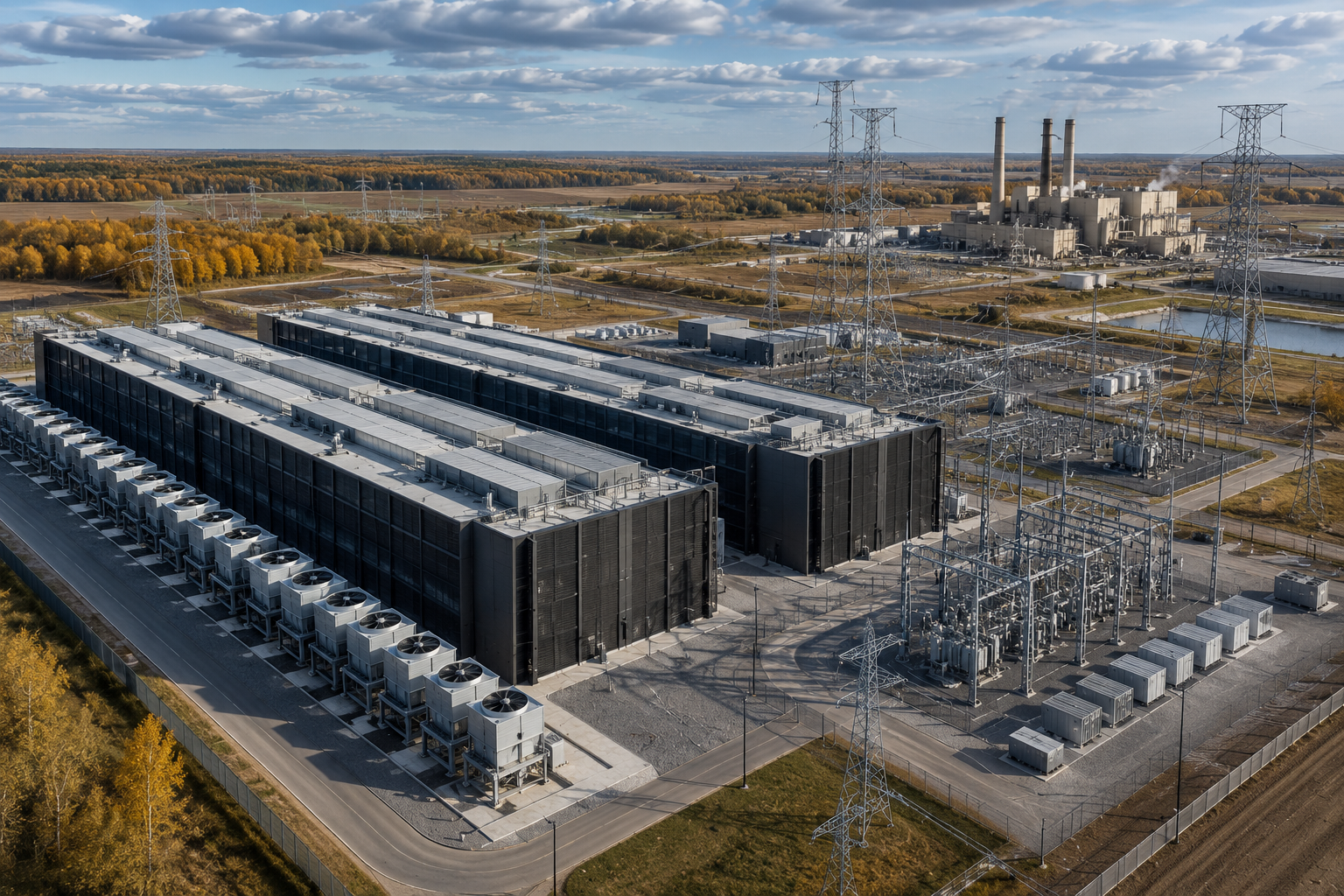
The technology sector, Wall Street’s undisputed market leader for much of the past two years, faced renewed selling pressure on Wednesday as investors reacted to a sharp rise in oil prices and escalating geopolitical tensions in the Middle East. Nasdaq futures slipped to a four-week low during premarket trading, with semiconductor manufacturers and artificial intelligence (AI) leaders leading the decline as traders reduced exposure to high-growth assets.
The selloff followed a surge in crude oil prices after renewed regional conflict and comments from President Donald Trump regarding Iran heightened geopolitical uncertainty. According to Reuters, the move triggered a broad shift toward defensive sectors while prompting investors to reassess the premium valuations that have fueled the AI-driven technology rally throughout 2026.
For investors, the key question is whether Wednesday’s weakness represents the beginning of a broader rotation away from growth stocks or simply a short-term reaction to geopolitical headlines. The answer could shape market leadership for the remainder of the year.
AI Leaders Face a New Test
Artificial intelligence has been the dominant force behind the technology sector’s remarkable performance, driving record demand for advanced semiconductors, cloud infrastructure, networking equipment, and memory chips.
Companies such as Nvidia, Advanced Micro Devices (AMD), Broadcom, Micron Technology, Taiwan Semiconductor Manufacturing Co. (TSMC), and SK Hynix have benefited from unprecedented investment in AI infrastructure as hyperscale cloud providers race to expand computing capacity.
However, Wednesday’s market action highlighted an important shift in investor sentiment.
Rather than focusing solely on long-term AI growth, investors began weighing how geopolitical risks, rising energy costs, and changing macroeconomic conditions could influence near-term valuations.
The result was widespread selling across many of the technology sector’s highest-performing names.
Although the underlying demand for AI infrastructure remains exceptionally strong, investors are becoming increasingly selective about paying premium multiples for future growth.
Oil Prices and Technology Stocks Are More Connected Than Many Investors Realize
At first glance, rising oil prices may appear unrelated to semiconductor manufacturers or software companies.
In reality, higher energy prices influence nearly every aspect of financial markets.
Crude oil affects inflation expectations, consumer spending, transportation costs, manufacturing expenses, and ultimately central bank policy.
When oil prices rise sharply, investors often anticipate that inflation may remain elevated for longer.
If inflation persists, the Federal Reserve may delay future interest-rate reductions, keeping borrowing costs higher across the economy.
This matters significantly for technology companies.
Growth stocks derive much of their valuation from expectations of future earnings. Higher interest rates reduce the present value of those future cash flows, making richly valued technology companies more vulnerable during periods of rising inflation expectations.
This relationship explains why semiconductor and AI stocks often experience outsized volatility when macroeconomic conditions shift.
Geopolitical Risk Sparks Rotation Into Defensive Assets
Wednesday’s market reaction reflected a classic risk-off environment.
As geopolitical uncertainty intensified, investors reduced exposure to higher-risk growth assets while increasing allocations toward sectors traditionally viewed as defensive.
Capital flowed into:
- Energy companies
- Gold and precious metals
- Utilities
- Defense contractors
- Consumer staples
Meanwhile, technology, consumer discretionary, and other growth-oriented sectors experienced broad selling pressure.
These rotations are common during periods of geopolitical uncertainty.
Although they may prove temporary, they demonstrate how quickly market leadership can shift when investors prioritize capital preservation over growth.
Reuters noted that Nasdaq futures reached their lowest level in approximately four weeks as semiconductor companies absorbed much of the selling pressure.
For investors heavily exposed to technology stocks, the latest pullback serves as a reminder that even the strongest secular growth themes remain vulnerable to macroeconomic shocks.
AI Fundamentals Remain Strong
Despite the market volatility, the long-term outlook for artificial intelligence remains largely unchanged.
Industry research from Bloomberg Intelligence, McKinsey & Company, Deloitte, and leading investment banks continues to forecast substantial growth in AI infrastructure spending over the coming years.
Major technology companies—including Microsoft, Alphabet, Amazon, Meta Platforms, and Oracle—continue investing tens of billions of dollars annually in AI data centers, cloud infrastructure, and advanced computing capacity.
These investments continue driving demand for:
- Graphics processing units (GPUs)
- High-bandwidth memory (HBM)
- AI networking equipment
- Advanced semiconductor manufacturing
- Data center cooling technologies
Recent earnings reports from memory manufacturers have also confirmed that demand remains exceptionally robust despite periodic market volatility.
Consequently, Wednesday’s weakness appears driven more by changing investor sentiment than deteriorating business fundamentals.
Valuation Is Becoming the Market’s Primary Focus
While AI demand remains healthy, investors increasingly recognize that expectations have become exceptionally high.
Many leading technology companies have delivered extraordinary share-price gains over the past two years, pushing valuation multiples well above long-term historical averages.
This creates a higher hurdle during earnings season.
Companies are no longer expected merely to report strong results.
Instead, investors increasingly demand:
- Accelerating AI revenue growth
- Higher profit margins
- Improved forward guidance
- Continued pricing power
- Expanding market share
Any indication that growth is moderating—even from historically elevated levels—can trigger sharp market reactions.
This explains why recent technology selloffs have often occurred despite fundamentally positive earnings reports.
Markets are increasingly pricing perfection.
Why This Matters for Investors
Technology remains one of the world’s most attractive long-term investment sectors, but short-term volatility is likely to increase as macroeconomic uncertainty grows.
Several indicators deserve close monitoring over the coming weeks.
Federal Reserve Policy
Interest-rate expectations continue influencing valuations across growth stocks.
Any shift in inflation expectations resulting from higher energy prices could alter market expectations regarding future monetary policy.
AI Infrastructure Spending
Investors should closely monitor capital expenditure plans from hyperscale cloud providers.
Continued investment would reinforce confidence in semiconductor demand.
Corporate Earnings
Upcoming earnings reports will provide valuable insight into AI-related revenue growth, profit margins, and enterprise spending trends.
Geopolitical Developments
Further escalation in the Middle East could sustain elevated oil prices while encouraging additional defensive market positioning.
Investor Positioning
One key question remains whether Wednesday’s decline represents a temporary geopolitical reaction or the beginning of a broader rotation away from technology leadership.
The answer will likely emerge over the next several weeks as earnings season begins.
Key Investment Insight
Artificial intelligence remains one of the most compelling long-term investment themes in global markets, but today’s environment requires greater selectivity than at any point since the AI rally began.
Companies with durable competitive advantages, strong balance sheets, consistent cash generation, and clear AI monetization strategies are likely to outperform even if broader technology valuations experience additional pressure.
Short-term geopolitical events may continue creating volatility, but investors should distinguish between temporary market sentiment and long-term structural demand.
Semiconductor manufacturers, AI infrastructure providers, cloud computing leaders, and advanced networking companies remain positioned to benefit from one of the largest technology investment cycles in decades.
At the same time, disciplined portfolio management—including diversification across sectors and careful attention to valuation—has become increasingly important as macroeconomic risks influence investor behavior.
As technology markets continue evolving alongside changing global economic conditions, staying informed is essential. Follow MoneyNews.Today for daily investor news, in-depth technology coverage, and expert analysis of the trends shaping the future of artificial intelligence, semiconductors, and global financial markets.