The artificial intelligence boom may be entering a new phase—and investors are taking notice.
Shares of Intel jumped on reports that Apple is exploring a partnership with the semiconductor giant to expand domestic chip manufacturing capacity in the United States. While the headline immediately sparked interest across technology and semiconductor markets, the broader significance extends far beyond the two companies involved. For investors, the development reinforces one of the most important themes shaping markets in 2026: AI is increasingly becoming an infrastructure story.
For much of the past three years, investor attention has focused on AI software platforms, large language models, and the companies building them. However, as demand for AI computing power continues to surge, the spotlight is shifting toward the physical infrastructure required to support the next generation of artificial intelligence. From semiconductor fabrication facilities and advanced packaging plants to data centers and energy networks, the AI ecosystem is creating an unprecedented wave of capital investment.
The reported Apple-Intel partnership represents another signal that some of the world’s largest technology companies are positioning themselves for a future where access to manufacturing capacity may become just as important as access to AI algorithms.
A Strategic Shift Toward Domestic Manufacturing
According to Reuters, Intel shares surged after reports emerged that Apple could partner with the company on domestic semiconductor production. The development comes as governments and corporations increasingly prioritize supply-chain resilience following years of disruptions caused by geopolitical tensions, trade restrictions, and manufacturing concentration risks.
For decades, much of the world’s advanced semiconductor production has been concentrated in Asia. While that model delivered efficiency and cost advantages, recent events have exposed vulnerabilities associated with relying heavily on a limited number of production hubs.
The United States has responded aggressively through industrial policies aimed at rebuilding domestic manufacturing capabilities. Programs such as the CHIPS and Science Act have encouraged billions of dollars in private-sector investments across the semiconductor supply chain.
If Apple ultimately deepens its relationship with Intel’s U.S.-based manufacturing operations, it would represent another major endorsement of the growing movement toward domestic chip production.
For investors, the message is becoming increasingly clear: semiconductor manufacturing capacity is evolving from a commodity resource into a strategic asset.
Why AI Is Driving the Infrastructure Boom
Artificial intelligence has become one of the largest capital investment themes in modern market history.
The explosive growth of generative AI applications has dramatically increased demand for high-performance computing infrastructure. Training and deploying advanced AI models requires enormous processing power, sophisticated networking systems, specialized memory solutions, and vast quantities of energy.
Industry analysts estimate that global spending on AI-related infrastructure could reach hundreds of billions of dollars over the next decade. Technology leaders including Apple, Microsoft, Amazon, Alphabet, Meta Platforms, and numerous emerging AI firms are racing to secure the computing resources necessary to remain competitive.
As a result, investors are witnessing a shift in market leadership.
Rather than focusing solely on software developers, capital is increasingly flowing toward the companies that build the physical foundations of the AI economy.
This includes:
- Semiconductor manufacturers
- Advanced packaging companies
- Foundries
- Data-center operators
- Networking infrastructure providers
- Power generation and grid operators
- Cooling and thermal management specialists
The Apple-Intel development highlights how strategic partnerships are becoming critical as technology companies seek to secure access to these increasingly valuable resources.
Intel’s Opportunity in the AI Era
For Intel, the timing could be particularly important.
The company has spent several years working to regain its competitive position within the semiconductor industry. While rivals have captured significant market share in certain segments, Intel has been investing heavily in manufacturing expansion and advanced chip production capabilities.
The company’s foundry strategy aims to position Intel as a contract manufacturer capable of producing chips for external customers, including some of the largest technology firms in the world.
A partnership with Apple would provide a significant validation of that strategy.
Beyond the direct financial implications, such a relationship could strengthen investor confidence in Intel’s ability to become a major player in the next generation of semiconductor manufacturing.
Market participants are increasingly evaluating chip companies not only on product innovation but also on manufacturing capacity, production reliability, and geopolitical positioning.
These factors are becoming essential competitive advantages in the AI age.
Government Policy Is Reinforcing the Trend
The AI infrastructure boom is not being driven solely by private-sector demand.
Government policy is becoming an increasingly powerful catalyst.
Across North America and Europe, policymakers are investing heavily in domestic semiconductor production, critical technology development, and supply-chain security initiatives. Concerns surrounding economic competitiveness, national security, and technological leadership have accelerated support for semiconductor manufacturing projects.
Recent discussions among G7 leaders have further highlighted the importance of securing strategic technology supply chains, including semiconductors, critical minerals, and advanced manufacturing capabilities.
As governments continue directing incentives toward domestic production, investors should expect sustained capital spending across multiple sectors connected to AI infrastructure.
This dynamic creates opportunities not only for chipmakers but also for construction firms, equipment suppliers, materials providers, and industrial technology companies.
Future Trends Investors Should Watch
The Apple-Intel story may be just one example of a much larger trend that is beginning to reshape global markets.
Several developments deserve close investor attention:
Expansion of AI Data Centers
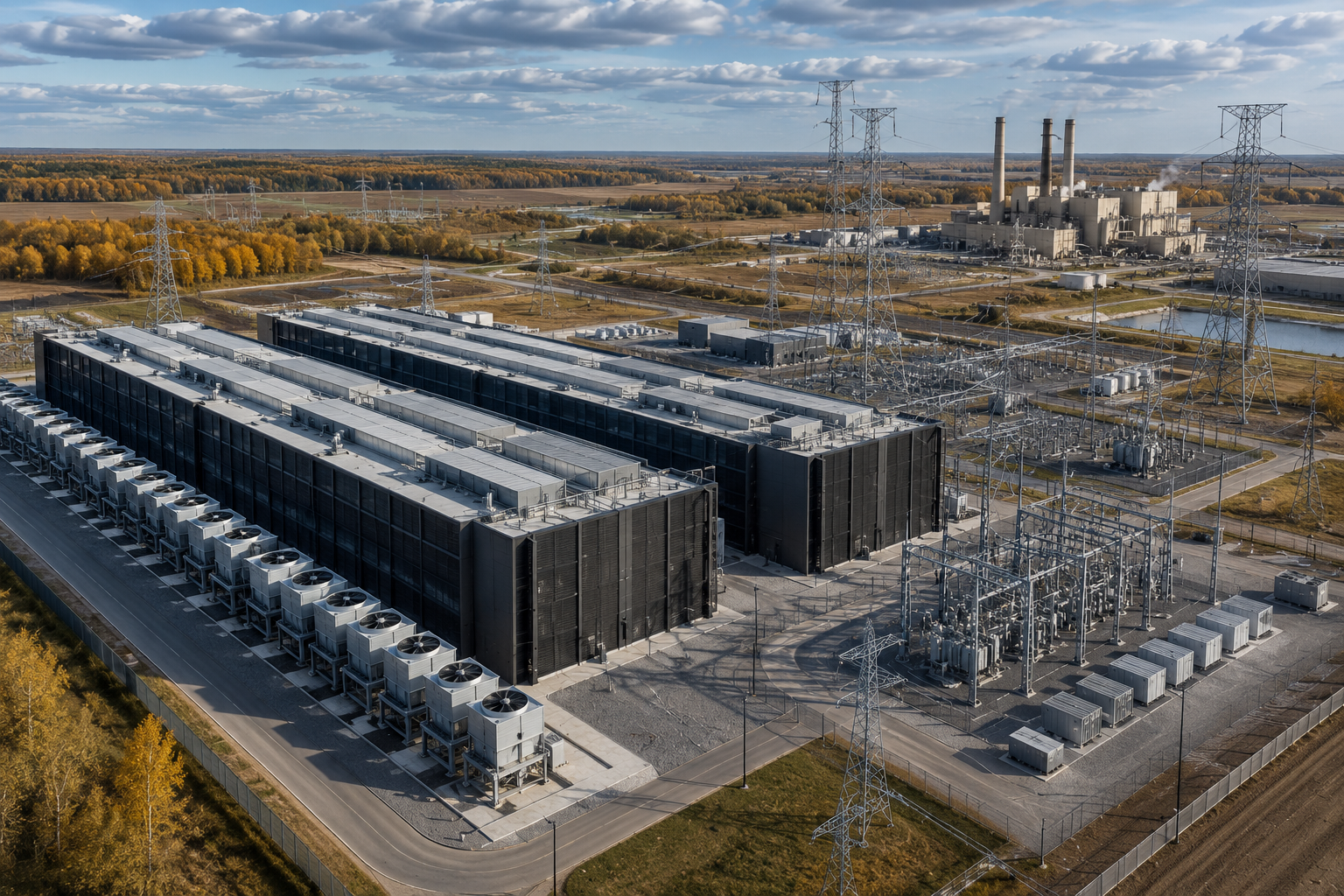
Major technology companies continue announcing large-scale data-center projects designed to support AI workloads. These facilities require significant investments in computing hardware, networking equipment, cooling systems, and power infrastructure.
Advanced Packaging Demand
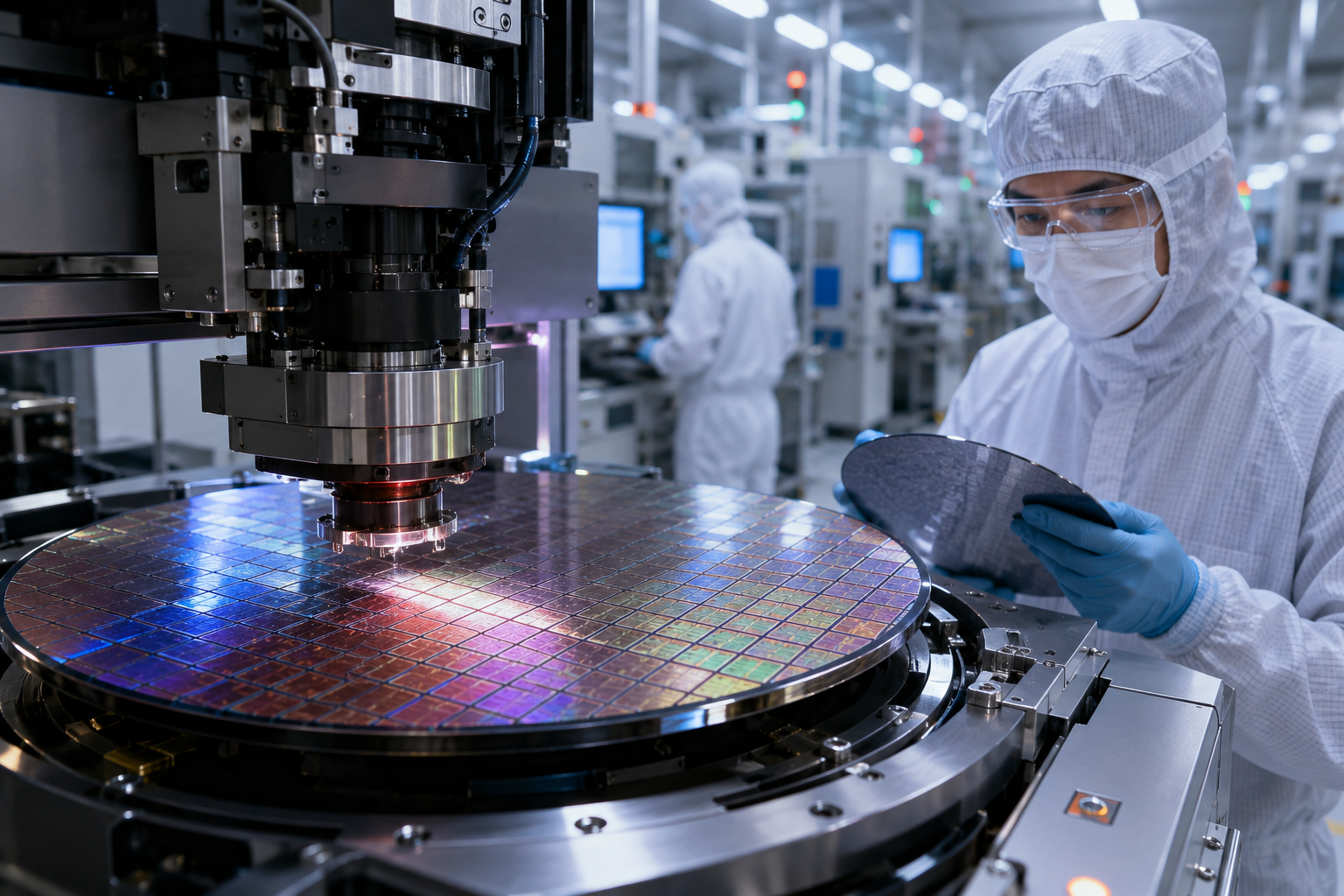
As AI chips become more powerful and complex, advanced packaging technologies are becoming increasingly important. Industry experts view advanced packaging as one of the fastest-growing areas within the semiconductor ecosystem.
Energy Infrastructure Growth
AI workloads consume enormous amounts of electricity. Utilities, power-generation companies, grid operators, and energy infrastructure providers may become unexpected beneficiaries of continued AI expansion.
Semiconductor Supply-Chain Localization
The trend toward domestic and allied-nation manufacturing is likely to continue. Investors should monitor companies that benefit from government incentives and supply-chain diversification initiatives.
Capital Spending Acceleration
Technology companies are expected to continue investing aggressively in AI infrastructure throughout the remainder of the decade. The beneficiaries may extend well beyond traditional technology stocks.
Key Investment Insight
The most important takeaway for investors is that the AI opportunity is broadening.
While software platforms and AI applications remain important, some of the largest long-term opportunities may emerge from the infrastructure supporting the AI ecosystem. Semiconductor manufacturers, foundries, advanced packaging specialists, data-center operators, networking providers, and power infrastructure companies are increasingly becoming critical enablers of the AI revolution.
The reported Apple-Intel partnership serves as another reminder that the next phase of AI growth may be defined not only by technological breakthroughs but also by the physical infrastructure required to bring those innovations to scale.
Investors who understand this shift may be better positioned to identify emerging opportunities across the broader technology supply chain.
Stay informed with MoneyNews.Today for daily market-moving insights, breaking investor news, and in-depth analysis of the trends shaping the future of global markets.